

A dog pregnancy calculator is your best friend when your furry girl is expecting puppies. Whether you’re a seasoned breeder or a first-time dog parent facing an unexpected pregnancy, knowing exactly when those adorable furballs will arrive is crucial for preparation, veterinary care, and peace of mind. Let’s dive into everything you need to know about tracking your dog’s pregnancy timeline accurately.
Table of Contents
- Understanding Canine Pregnancy Basics
- How to Calculate Your Dog’s Due Date Accurately
- Using a Dog Pregnancy Calculator Tool
- Signs Your Dog Is in Labor (The Final Countdown)
- Nutritional Needs During Pregnancy
- Veterinary Care and Monitoring
- Preparing Your Whelping Area
- Common Pregnancy Complications to Watch For
- Post-Delivery Care and Nutrition
- When to Call Your Veterinarian
- Understanding Breed-Specific Pregnancy Variations
- Frequently Asked Questions
- Summary: Taking Control of Your Dog’s Pregnancy Timeline
Understanding Canine Pregnancy Basics
Dogs have a remarkably consistent pregnancy timeline compared to humans. While human pregnancy lasts about 280 days, a dog’s pregnancy is much shorter—typically lasting between 58 to 68 days, with an average of 63 days (about nine weeks). This relatively predictable timeframe makes using a dog pregnancy calculator incredibly valuable for planning purposes.
The pregnancy cycle in dogs is divided into three trimesters, each lasting roughly three weeks. Understanding this structure helps you anticipate what’s happening with your dog’s body and what care she’ll need at each stage. The first trimester involves conception and early development; the second focuses on rapid fetal growth; and the third is all about final preparation for labor.
How to Calculate Your Dog’s Due Date Accurately
The most accurate way to calculate your dog’s due date is by knowing the exact date of breeding or ovulation. If you know when your dog was bred, simply add 63 days to that date—this gives you the average expected delivery date. However, puppies can arrive anywhere from day 58 to day 68, so it’s wise to prepare your whelping area by day 57.
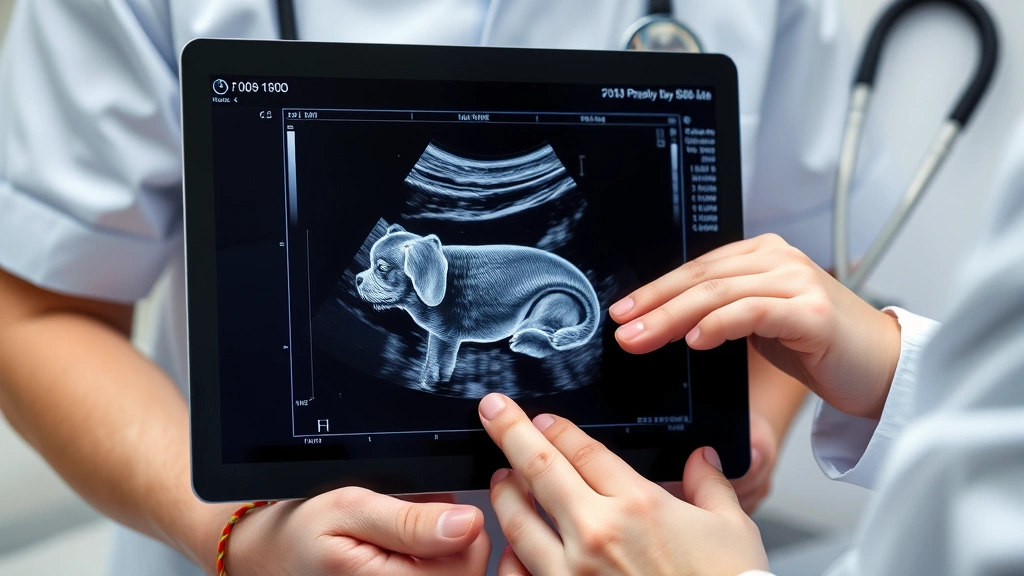
If you’re unsure about the breeding date, a veterinary ultrasound can help determine how far along your dog is. Your vet can measure the size of the fetuses and give you a more accurate estimate. This is particularly helpful if your dog had an unplanned pregnancy and you’re playing detective with the timeline.
Using a Dog Pregnancy Calculator Tool
Modern dog pregnancy calculator tools take the guesswork out of the equation. These online calculators work by inputting your dog’s breeding date or last heat cycle date, and they automatically calculate the expected due date range. Most reputable calculators account for the 58 to 68-day variation and provide you with a window rather than a single date.
Some advanced calculators also track developmental milestones week by week, showing you what’s happening with the puppies at each stage. This educational component helps you understand what your pregnant dog is experiencing and what symptoms to expect. It’s like having a pregnancy guide specifically designed for dogs right at your fingertips.
Signs Your Dog Is in Labor (The Final Countdown)
About 24 hours before labor begins, your dog’s body temperature will drop from the normal 101-102.5°F to around 98-99°F. This temperature drop is one of the most reliable indicators that puppies are coming soon. Invest in a rectal thermometer and start taking your dog’s temperature daily around day 57 of pregnancy.
Other labor signs include restlessness, panting, loss of appetite, and nesting behavior. Your dog might dig at blankets, pace around, or seek out quiet, dark spaces. Some dogs become clingy and want to stay near their owners, while others prefer solitude. Every dog is different, but these behavioral changes signal that mama is ready to meet her babies.
Nutritional Needs During Pregnancy
Your pregnant dog needs extra calories and nutrients to support fetal development. By the second trimester, increase her food intake by about 25%, and by the third trimester, bump it up to 35-50% more than her normal diet. High-quality protein is essential—aim for foods with at least 25% protein content.
Consider incorporating nutritious options like chicken into her diet, as it’s an excellent protein source. You might also want to explore immune-boosting foods for pets to keep her healthy throughout pregnancy. Some dogs develop sensitivities during pregnancy, so monitor for any signs of food allergies in pets and adjust accordingly.
Calcium and phosphorus are particularly important for bone development in puppies. Many breeders add supplements to their pregnant dog’s diet, but always consult your veterinarian before adding anything new. Proper nutrition directly impacts the health and size of the puppies, so this is worth taking seriously.
Veterinary Care and Monitoring
Schedule regular veterinary checkups throughout your dog’s pregnancy. Your vet can confirm pregnancy through ultrasound around day 25-30 and monitor fetal development. X-rays taken around day 45-50 can show you how many puppies to expect—this information is invaluable for knowing when labor is complete.
According to the American Kennel Club, pregnant dogs should receive additional veterinary attention, especially during the final weeks. Your vet can address any complications early and ensure your dog is in optimal health for delivery. Don’t skip these appointments—they’re your safety net for both mama and babies.
Preparing Your Whelping Area
By day 57 of pregnancy, set up a comfortable, quiet whelping area where your dog can give birth and care for her puppies. This space should be warm (around 75-80°F for newborn puppies), clean, and away from household traffic. Use washable bedding that you don’t mind throwing away after labor, as things will get messy.
Include a heat lamp or heating pad (on low setting, away from direct contact) to maintain proper temperature for newborns. Have clean towels, scissors, and iodine on hand for umbilical cord care. Keep your veterinarian’s emergency number readily available—you might need it if complications arise during delivery.
Common Pregnancy Complications to Watch For
While most dog pregnancies proceed smoothly, some complications can occur. Eclampsia (calcium deficiency) can develop during late pregnancy or after birth, causing tremors and seizures. Dystocia (difficult labor) might require veterinary intervention or emergency cesarean section.
Contact your vet immediately if your dog shows signs of vaginal discharge before day 58, refuses to eat for more than 24 hours (after the initial pre-labor appetite loss), seems lethargic or in pain, or strains for more than 30 minutes without producing a puppy. These could indicate serious problems requiring professional intervention.
Post-Delivery Care and Nutrition
After delivering her litter, your dog’s nutritional needs skyrocket—especially if she’s nursing. Increase her food intake to 2-3 times her normal amount, depending on litter size. High-fiber human foods for pets can help with digestion during this demanding period.
Nursing mothers need excellent nutrition to produce quality milk for growing puppies. Continue with high-protein, calorie-dense foods. Fresh water must be available at all times—nursing dogs need significantly more hydration. Your vet can recommend specific postpartum supplements if needed.
When to Call Your Veterinarian
Don’t hesitate to call your vet if anything seems off. According to PetMD, the following warrant immediate veterinary attention: labor lasting more than 24 hours without producing puppies, more than 2-3 hours between puppies, dark green discharge before the first puppy arrives, or a puppy that doesn’t breathe or respond after birth.

Also contact your vet if your dog seems depressed or uninterested in her puppies after delivery, refuses to eat for more than 24 hours postpartum, has a foul-smelling vaginal discharge, or develops a fever. These could indicate infections or other serious postpartum complications.
Understanding Breed-Specific Pregnancy Variations
While the average canine pregnancy is 63 days, some variation exists based on breed size and individual factors. Smaller breeds might deliver slightly earlier than larger breeds. Brachycephalic breeds (flat-faced dogs like Bulldogs and Pugs) often require cesarean sections due to breeding-related complications.
If you have a breed prone to pregnancy complications, discuss this with your vet early in pregnancy. Some breeders of high-risk breeds schedule planned cesarean sections around day 58-60 to ensure safe delivery. Your vet can advise on what’s best for your specific dog.
Frequently Asked Questions
How accurate is a dog pregnancy calculator?
A dog pregnancy calculator is quite accurate when you know the exact breeding date, typically giving you a 2-3 day window around the expected due date. However, puppies can arrive anywhere from day 58 to day 68 of pregnancy, so the calculator provides an estimate rather than a guaranteed date. Veterinary ultrasound and X-rays offer more precise information about timing and litter size.
Can I tell how many puppies my dog will have?
X-rays taken around day 45-50 of pregnancy can show you the number of puppies to expect with reasonable accuracy. Ultrasound can detect pregnancy earlier but is less reliable for counting individual puppies, especially in larger litters. Your vet can provide this information during routine pregnancy checkups.
What should I do if my dog goes past her due date?
If your dog goes past day 68 without showing labor signs, contact your veterinarian immediately. Prolonged pregnancy can indicate problems requiring intervention. Your vet might perform an ultrasound to check fetal viability and may recommend inducing labor or performing a cesarean section if necessary.
Is it normal for dogs to have false pregnancies?
Yes, false pregnancies (pseudopregnancy) are common in intact female dogs. A dog might show pregnancy symptoms without actually being pregnant. A veterinary ultrasound or blood test can confirm whether pregnancy is real. If your dog has repeated false pregnancies, spaying is the most effective long-term solution.
How can I support my dog during pregnancy?
Provide excellent nutrition, regular veterinary care, moderate exercise, and a calm environment. Avoid stressful situations and excessive activity, especially during the final weeks. Spend quality time with your dog and help her feel secure and loved throughout this special time.
Summary: Taking Control of Your Dog’s Pregnancy Timeline
A dog pregnancy calculator is an invaluable tool for any dog owner dealing with pregnancy, whether planned or unexpected. By understanding the typical 63-day pregnancy timeline, knowing how to calculate due dates, recognizing labor signs, and providing proper nutrition and veterinary care, you’ll be well-prepared for the arrival of puppies.
Remember that while calculators provide helpful estimates, veterinary guidance is irreplaceable. Regular checkups, proper nutrition, and close monitoring ensure the best outcomes for both mama and her babies. The nine weeks of pregnancy might seem long, but before you know it, you’ll be welcoming adorable new family members into the world. Stay informed, stay prepared, and enjoy this remarkable journey of new life!





