

Dog pregnancy signs week by week can be tricky to spot, especially if you’re a first-time dog parent. One moment your pup seems totally normal, and the next she’s nesting like she’s preparing for the apocalypse. Understanding what to expect during canine pregnancy helps you provide proper care and catch any potential issues early.
Table of Contents
- The First Two Weeks: The Silent Treatment
- Weeks 3-4: The Appetite Shift Begins
- Weeks 5-6: The Belly Starts to Show
- Weeks 7-8: The Obvious Pregnant Belly
- Week 9: The Final Countdown
- Behavioral Changes Throughout Pregnancy
- Nutritional Needs During Pregnancy
- Exercise and Activity Level Management
- When to Call Your Veterinarian
- Preparing for Labor and Delivery
- Post-Pregnancy Care and Recovery
- Frequently Asked Questions
- Summary: Your Dog Pregnancy Timeline
The First Two Weeks: The Silent Treatment
During weeks 1-2 after conception, your dog might not show any obvious signs at all. Seriously, she could be pregnant and you’d have zero clue. This is because the embryos are still floating around in the uterus, not yet implanted. Your girl might experience slight behavioral changes—maybe she’s a bit more clingy or tired than usual—but nothing dramatic. Some dogs get pickier about food, while others act completely unbothered. It’s basically the calm before the storm.
Weeks 3-4: The Appetite Shift Begins
Now things get interesting. Around week 3, you might notice your dog’s eating habits changing. Some pregnant dogs become absolute vacuum cleaners, while others turn into picky eaters. Her nipples might start to look slightly enlarged or darker, though you’d need to know what they looked like before to really notice. This is also when morning sickness can kick in—yes, dogs get it too. She might seem nauseous or vomit occasionally, particularly in the morning. Consider checking out our guide on Pet Food Safety to ensure you’re feeding her the right nutrition during this critical period.
Weeks 5-6: The Belly Starts to Show
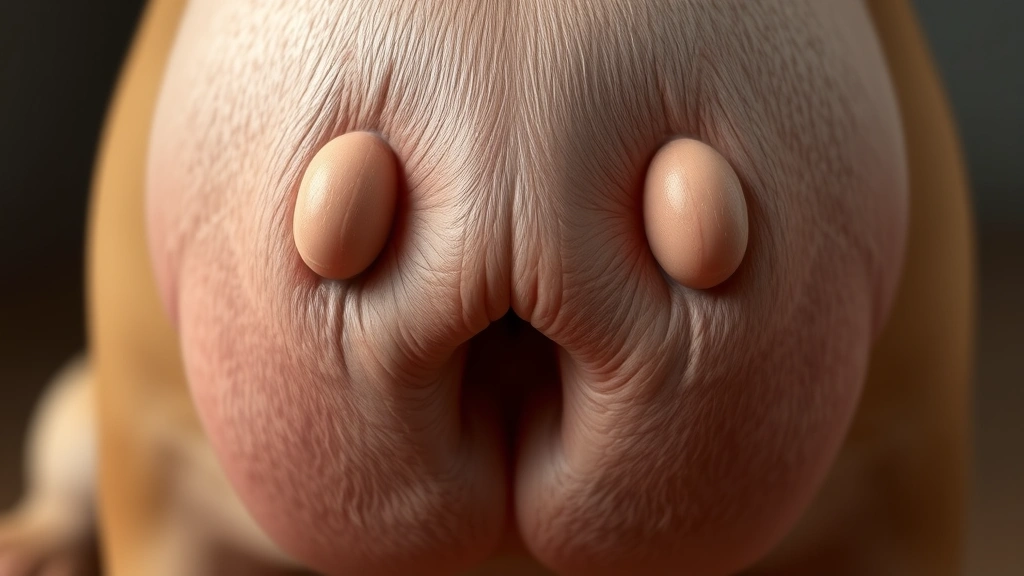
By week 5, you’ll likely start seeing physical changes. Her abdomen will begin to swell noticeably—not dramatically, but enough that you’ll wonder if she’s been sneaking extra treats. Her nipples become more prominent and may start leaking a clear fluid. Energy levels often drop around this time, so your normally bouncy pup might prefer napping to her usual zoomies. Some dogs also experience mood swings, becoming either extra needy or surprisingly aloof. This is when a vet can confirm pregnancy through ultrasound if you haven’t already.
Weeks 7-8: The Obvious Pregnant Belly
There’s no hiding it now. Your dog’s belly is noticeably rounded and heavy-looking. She might waddle a bit when she walks, and climbing stairs becomes a whole production. Her appetite typically increases significantly during these weeks because, well, she’s eating for multiple mouths. Weight gain becomes obvious, and she might seem uncomfortable when lying down, constantly shifting positions to find the perfect spot. The mammary glands continue enlarging, and you might notice the first drops of colostrum (that pre-milk fluid) appearing on her nipples. Ensure she’s getting Immune Boosting Foods for Pets to support both her health and her developing puppies.
Week 9: The Final Countdown
This is it—the home stretch. Your dog is visibly pregnant, and her behavior changes dramatically. She becomes obsessed with nesting, rearranging blankets, digging at her bed, and generally acting like she’s preparing a five-star maternity suite. Many dogs become clingy and won’t leave your side, while others seek out quiet, secluded spaces. Her abdomen feels tight and hard, and you might actually see the puppies moving if you watch her belly carefully. She’ll likely eat smaller, more frequent meals because there’s no room in her stomach anymore. Some dogs lose their appetite entirely as labor approaches, which is completely normal. According to the American Kennel Club, temperature drops are one of the most reliable signs that labor is imminent—it typically falls below 100°F about 12-24 hours before delivery.
Behavioral Changes Throughout Pregnancy
Beyond the physical signs, your dog’s personality might shift considerably. Pregnant dogs often become more protective and territorial. She might growl at things she normally ignores or become extra cautious about her surroundings. Some dogs become velcro dogs, following you from room to room. Others become irritable and want to be left alone. Anxiety is common, especially as delivery approaches. Don’t be surprised if your confident pup suddenly acts nervous about thunderstorms or loud noises. These behavioral shifts are totally normal and usually resolve after she delivers.
Nutritional Needs During Pregnancy
Your pregnant dog’s nutritional requirements increase significantly, especially in the later weeks. She needs higher-quality protein to support fetal development and her own changing body. Many vets recommend switching to a high-quality puppy formula during pregnancy and lactation because it contains more calories and nutrients. Avoid sudden diet changes, though—transition gradually over 7-10 days to prevent digestive upset. Supplements like calcium and omega-3 fatty acids can be beneficial, but always consult your vet before adding anything new. Check out our resource on Skin and Coat Health Foods for nutritional guidance, and consider scheduling a Virtual Vet Consultation for Diet Questions to ensure you’re meeting her specific needs.
Exercise and Activity Level Management
Pregnant dogs don’t need to become couch potatoes, but they do need modified exercise routines. Early pregnancy (weeks 1-4) can handle normal activity levels, but as she progresses, reduce strenuous exercise. Avoid jumping, running on hard surfaces, or anything that could cause trauma to her abdomen. Gentle walks are perfect—they keep her circulation going and muscles conditioned without overdoing it. By week 8-9, she’ll likely self-regulate and slow down naturally. Swimming is excellent if your dog enjoys it because it’s low-impact and supports her changing weight distribution. The key is keeping her active enough to maintain muscle tone but not so active that she overexerts herself.
When to Call Your Veterinarian
While most pregnancies progress smoothly, certain signs warrant immediate veterinary attention. Contact your vet if your dog shows signs of distress, has difficulty breathing, displays extreme lethargy, refuses food for more than 24 hours, vomits repeatedly, has vaginal discharge before week 9, shows signs of pain or discomfort, or develops a fever. Complications like eclampsia (calcium deficiency), uterine inertia (weak contractions during labor), or dystocia (difficulty delivering) require professional intervention. According to PetMD, having your vet’s contact information readily available and knowing the location of your nearest emergency clinic is essential when you’re expecting puppies.
Preparing for Labor and Delivery
As week 9 approaches, set up a comfortable, quiet whelping area. This should be a space where your dog feels safe and can deliver without interruptions. Include clean blankets, absorbent pads, and easy access to water. Keep supplies on hand: clean towels, bulb syringe for clearing puppies’ airways, and a heating pad or heat lamp to keep newborns warm. Have your vet’s number programmed into your phone and know where your emergency clinic is located. Many vets recommend having a vet tech or experienced breeder on standby during labor, especially if it’s your dog’s first litter. Trust your instincts—you know your dog best, and if something feels wrong, it probably is.
Post-Pregnancy Care and Recovery
After delivery, your dog will need extra support during recovery. She’ll likely be exhausted and focused entirely on her puppies. Provide easily digestible, high-calorie food in small, frequent meals to support milk production. Ensure constant access to fresh water because nursing is incredibly demanding. Limit visitors and stress during the first few weeks while she bonds with her litter. Watch for signs of postpartum complications like fever, excessive bleeding, or refusal to care for puppies. Most dogs recover beautifully within a few weeks, though they may look a bit deflated initially—don’t worry, that’s completely normal.
Frequently Asked Questions
How long is a dog’s pregnancy?
Dogs are pregnant for approximately 63-65 days, or about 9 weeks, from conception. However, this can vary slightly between 58-68 days depending on the individual dog and breed. If your dog goes beyond 70 days without delivering, contact your vet immediately as this could indicate complications.

Can I feel puppies moving inside my pregnant dog?
Yes! Around week 8-9, you can often feel puppies moving if you gently place your hand on her abdomen. You might feel little bumps, rolls, or kicks. This is one of the coolest parts of dog pregnancy and a great sign that development is progressing normally.
Should I take my pregnant dog to the vet?
Absolutely. Schedule a vet visit as soon as you suspect pregnancy to confirm it and establish a care plan. Your vet will monitor her health throughout pregnancy, perform ultrasounds to check on puppies, and ensure she’s getting proper nutrition. Regular check-ups help catch any potential complications early.
What should I feed a pregnant dog?
Feed high-quality, nutrient-dense food formulated for pregnancy and lactation. Many vets recommend puppy formula because it contains more calories and nutrients. Increase portions gradually as she progresses, especially in weeks 6-9. Always consult your vet about supplements or dietary changes.
Is it normal for pregnant dogs to be less active?
Completely normal. As pregnancy progresses, especially in weeks 7-9, dogs naturally slow down due to their expanding abdomen and changing center of gravity. Reduced activity is expected and actually healthy—it conserves energy for fetal development and preparation for labor.
When should I start preparing a whelping box?
Set up your whelping area by week 8 so your dog can become familiar with it. Many dogs will naturally choose the whelping box as their nesting spot if they’re comfortable with it. Place it in a quiet, temperature-controlled area away from household traffic.
Summary: Your Dog Pregnancy Timeline
Understanding dog pregnancy signs week by week empowers you to provide excellent care and catch potential issues early. From the invisible early weeks to the unmistakable final countdown, each stage brings new changes and challenges. Weeks 1-2 show minimal signs, weeks 3-4 bring appetite changes, weeks 5-6 display obvious belly growth, weeks 7-8 show significant physical changes, and week 9 brings nesting behavior and labor preparation. Throughout the entire process, maintain regular vet contact, adjust her nutrition and exercise appropriately, and prepare your home for the arrival of puppies. Most dog pregnancies progress beautifully without complications, but being informed and vigilant ensures the best outcome for your girl and her future litter. Remember, every dog is different—some show dramatic signs while others seem barely affected until labor starts. Trust your instincts, maintain open communication with your vet, and enjoy this special time in your dog’s life.





