

You think your dog might be pregnant. Maybe she’s acting weird—sleeping more, eating less, or her belly looks rounder. Or maybe it was an accidental mating and you’re freaking out. Here’s the truth: figuring out if your dog is actually pregnant isn’t as straightforward as peeing on a stick. But it’s also not rocket science. A dog pregnancy test doesn’t work the way human pregnancy tests do, and that’s what confuses most dog owners.
In this guide, I’ll walk you through every method vets use to confirm dog pregnancy, what to expect at the clinic, how to spot the signs at home, and what comes next if your pup is indeed expecting. Whether you’re a breeder or dealing with an oops situation, you’ll know exactly what to do.
How a Dog Pregnancy Test Actually Works
Let me be direct: there is no over-the-counter dog pregnancy test you can buy at a pet store or online. Those don’t exist. What does exist are three veterinary methods to confirm pregnancy, and they all involve blood work, hormones, or imaging.
When your dog gets pregnant, her body starts producing hormones—specifically progesterone and relaxin. These are the chemical messengers that tell her body “hey, we’re making puppies.” A dog pregnancy test is really just a way to measure these hormones or visualize the puppies themselves. That’s it. No mystery.
The key difference from human pregnancy tests: dogs don’t produce the equivalent of hCG (human chorionic gonadotropin). Instead, vets look for relaxin, a hormone that only appears during pregnancy. This is actually more reliable than hCG in some ways, because it’s pregnancy-specific. You can’t get a false positive from a urinary tract infection or other issues.
Your vet will recommend one of three approaches based on timing and your situation. Understanding the differences saves you money and prevents unnecessary trips.
Hormone Testing Methods: The Real Deal
Relaxin Blood Test (The Most Common Method)
This is the gold standard for early confirmation. A vet draws a small blood sample and sends it to a lab that measures relaxin levels. Relaxin is produced by the placenta, so it only shows up if your dog is pregnant. The magic window? Day 25-30 after breeding. Before day 25, relaxin levels are too low to detect reliably. After day 30, it’s detectable for the rest of pregnancy.
Cost-wise, expect $50-$200 depending on your clinic and region. The test itself is fast—results come back in 24-48 hours usually. This is what I recommend if you know the exact breeding date and want confirmation ASAP.
Real talk: if the test is negative before day 25, don’t panic. It might just be too early. Ask your vet about retesting in a few days.
Progesterone Testing
This is older tech, less commonly used now, but still available. Progesterone levels rise during pregnancy, but they also rise during the heat cycle itself. So it’s less specific than relaxin. Your vet might use this if they’re trying to confirm ovulation timing for breeding purposes, but for pregnancy confirmation, relaxin is better.
The relaxin test is more expensive but worth it for accuracy. Don’t waste time with progesterone unless your vet specifically recommends it.
Ultrasound Detection: The Gold Standard
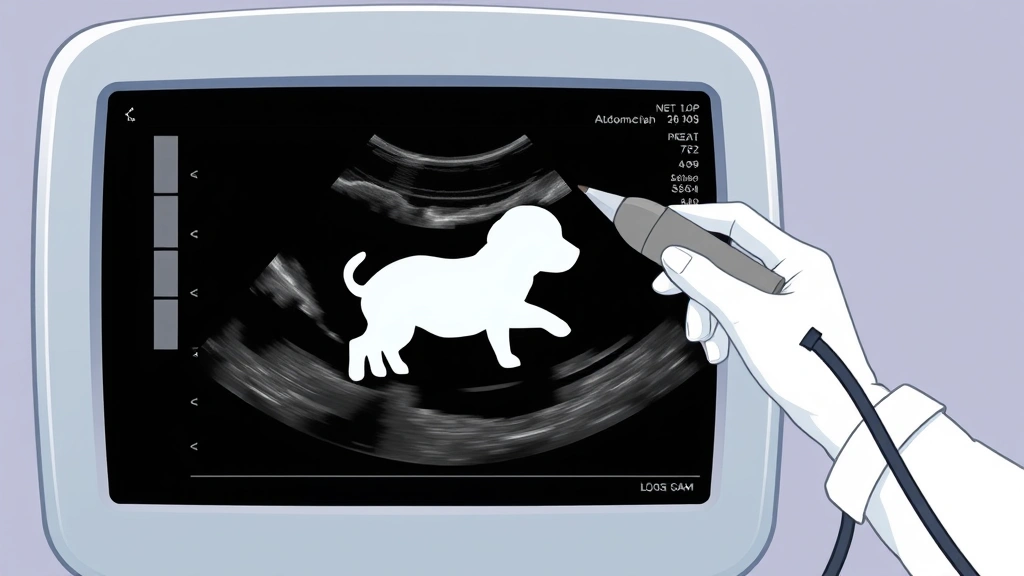
If you want absolute certainty and you’re past day 20-25, ultrasound is your answer. A vet uses a small ultrasound probe on your dog’s abdomen and can visualize the gestational sacs—those little black circles where puppies are developing.
The earliest ultrasound can detect pregnancy is around day 20, but it’s clearer at day 25-30. By day 35, you can sometimes count individual puppies and estimate litter size (though this estimate isn’t always perfect).
Cost: $200-$500, depending on your vet and whether you need additional imaging. It’s more expensive than a blood test, but it gives you visual confirmation and litter size estimate.
Here’s the practical part: if you’re breeding intentionally, many breeders do both a relaxin test (for early confirmation) and then an ultrasound at day 30-35 to count puppies and plan for labor. If it’s an accidental breeding, one ultrasound around day 28-30 tells you everything you need to know.
Ultrasound is also safer than X-rays during pregnancy. X-rays expose puppies to radiation, so vets avoid them until late pregnancy (around day 55-60) when you need to check puppy positions before labor.
Pro Tip: If your dog is anxious at the vet, ask if you can do a relaxin test first. It’s just a blood draw—quick and less stressful than an ultrasound exam. Then, if it’s positive, schedule the ultrasound for later to count puppies.
Home Signs of Dog Pregnancy: Early Detection
Before you hit the vet clinic, you might notice changes at home. These aren’t diagnostic on their own, but they’re good clues that pregnancy is possible.
Early Signs (Days 7-21)
- Behavior changes: Some dogs get clingy or withdrawn. Others become pickier about food.
- Appetite fluctuation: She might eat less for a few days, then suddenly be starving. Dogs’ hunger patterns can shift dramatically, especially during hormonal changes.
- Nipple changes: Her nipples might swell or become darker. This is one of the earliest physical signs.
- Nausea: Some pregnant dogs experience mild nausea, similar to morning sickness in humans. She might refuse breakfast but eat dinner fine.
Mid-Pregnancy Signs (Days 21-45)
- Belly enlargement: This is obvious once it happens, but timing varies. Some dogs show at week 4, others not until week 5-6.
- Weight gain: She’ll gain 20-50% of her body weight depending on litter size.
- Lethargy: Pregnant dogs tire easily. She might nap more than usual.
- Increased urination: The growing uterus puts pressure on the bladder. More bathroom breaks are normal.
- Vomiting or reduced appetite: Some dogs have mild nausea throughout pregnancy. This is usually normal, but if it’s severe or prolonged, call your vet.
Late Pregnancy Signs (Days 45-63)
- Obvious belly: No hiding it now. She looks like she swallowed a watermelon.
- Restlessness: As labor approaches (around day 60+), she might pace, pant, or dig at her bed.
- Mammary gland development: Teats swell and may leak a small amount of fluid.
- Temperature drop: 12-24 hours before labor, her rectal temperature drops from 101-102°F to 98-99°F. This is a strong sign labor is imminent.
- Hind leg weakness: The weight and hormonal changes can cause temporary weakness in the back legs. This usually resolves after delivery.
Keep in mind: not every dog shows every sign. Some dogs hide pregnancy well until the last few weeks. Others show obvious signs early. If you suspect pregnancy based on behavior or physical changes, get a vet confirmation. Don’t assume.
Timeline: When to Test and What to Expect
Dog pregnancy lasts 63-65 days from ovulation (not from the first breeding). This matters because it affects when you should test.
Days 0-20: The Guessing Phase
Nothing shows up on tests yet. If you know the exact breeding date, mark it on your calendar. If it was accidental, you might not know the exact date—that’s okay, we’ll talk about that.
Days 21-25: Early Testing Possible
Relaxin blood test becomes detectable around day 25. If you test at day 21-24 and get a negative, don’t freak out. It might just be too early. Retest 3-5 days later.
Days 25-35: Optimal Testing Window
This is when you get the clearest results. Relaxin blood test is highly reliable. Ultrasound is clear and can estimate litter size. If you’re going to test, this is your sweet spot.
Days 35-50: Late Confirmation
Relaxin is still detectable. Ultrasound shows advanced development. X-rays can start showing puppy skeletons (though vets usually wait until day 55+ to minimize radiation exposure).
Days 50-63: Pre-Labor Phase
Belly is huge. Labor is coming. Focus on monitoring temperature and behavior rather than testing. Make sure you have a vet on speed dial for labor complications.
If you don’t know the exact breeding date (accidental breeding), here’s the strategy: get an ultrasound around day 28-35. The vet can estimate how far along she is based on puppy size, which helps you plan for labor timing.
Cost, Logistics, and What Vets Recommend
Real talk: confirming dog pregnancy costs money. Here’s what you’re looking at:
- Relaxin blood test: $50-$200
- Ultrasound: $200-$500
- X-rays (late pregnancy): $150-$300
- Emergency vet visit for labor complications: $500-$2,000+
If this is an accidental breeding and you’re considering spaying or terminating pregnancy, talk to your vet ASAP. Some options are only available early in pregnancy (before day 40 typically). Waiting costs more money and carries more risk.
If she’s definitely staying pregnant, here’s what most vets recommend:
- First visit (days 25-30): Relaxin test for confirmation OR ultrasound if you want litter count.
- Second visit (days 55-60): X-rays to check puppy positions and prepare for labor. This helps your vet know if a C-section might be needed.
- Third visit: Only if labor doesn’t start by day 65 or if complications arise during labor.
Some breeders skip the X-ray if they have an experienced vet and no red flags. Some do X-rays routinely. Talk to your vet about your specific situation.
Safety Warning: If your dog is a toy breed (under 5 lbs), brachycephalic (flat-faced like a Pug), or has a history of health issues, she needs closer monitoring. These breeds have higher C-section rates. Don’t skip prenatal care.
Nutrition and Care for Your Pregnant Dog
Once you’ve confirmed pregnancy, your dog needs different care. This isn’t just about feeding her more—it’s about feeding her right.
Nutrition Changes
During the first 4-5 weeks, her caloric needs stay roughly the same. Then they ramp up. By week 6-9, she needs 25-50% more calories than normal, depending on litter size.
- Feed high-quality protein: Puppies are made of protein. Your dog needs 25-30% protein (check your food label).
- Increase meal frequency: Instead of one meal a day, feed two smaller meals. Her stomach is getting crowded by puppies, so smaller portions are easier to digest.
- Avoid sudden diet changes: Stick with her current food unless your vet recommends switching to a pregnancy-formula food. If you do switch, do it gradually over 7-10 days.
- Fresh water always: She’ll drink more. Keep water available 24/7.
- Calcium and phosphorus: These are critical for puppy development. If you’re feeding commercial dog food, it should have proper ratios. Don’t add supplements without vet approval—too much calcium can actually cause problems.
Some owners ask about adding pumpkin or other supplements to help with digestion during pregnancy. This is fine in moderation, but ask your vet first. Pregnancy already stresses her digestive system.
Activity and Exercise
Keep her active but not exhausted. Short walks are fine throughout pregnancy. Avoid jumping, rough play, or strenuous exercise. Think of it like this: she’s carrying 20-30% of her body weight in puppies. That’s like you carrying a toddler around all day—you can do normal activities, but you’re going to get tired faster.
Nesting Preparation
Around week 8, she’ll start nesting—looking for a safe place to have puppies. Set up a whelping box in a quiet, low-traffic area. Let her explore it, sleep in it, and get comfortable. This reduces stress during labor.
Vet Monitoring
Schedule a vet check at week 6 and again at week 8-9 (just before labor). Your vet will check her weight, listen to puppy heartbeats with a stethoscope, and assess her overall health. This catches problems early.
If she shows signs of distress—severe vomiting, lethargy, vaginal discharge before day 60, or refusing to eat for more than 24 hours—call your vet immediately. These can indicate complications like uterine infection.
Frequently Asked Questions
Can I do a dog pregnancy test at home without a vet?
– No. There are no reliable at-home dog pregnancy tests. You need either a blood test (relaxin) or ultrasound from a vet. Some people claim urine tests exist, but they don’t work reliably. Save your money and go to the vet.
How early can you detect dog pregnancy?
– Relaxin blood test is reliable starting day 25-30 after ovulation. Ultrasound can show pregnancy around day 20, but it’s clearer at day 25-30. Before day 20, even vets can’t confirm it reliably. If you don’t know the breeding date, your vet can estimate based on puppy size during ultrasound.
What if the dog pregnancy test is negative but she still looks pregnant?
– First, check the timing. If it’s been less than 25 days since breeding, retest in a few days. Second, false negatives are rare but possible if the test was done too early. Third, a swollen belly can be caused by other things—obesity, bloat, tumors, or fluid buildup. Get an ultrasound to be sure. Don’t assume a negative test means no pregnancy if you have other signs.
Can dogs have phantom pregnancies and test positive?
– Phantom pregnancy (pseudopregnancy) is real—some dogs show all the signs of pregnancy without actually being pregnant. But here’s the key: a relaxin blood test will be negative because relaxin only comes from the placenta. Ultrasound will show no puppies. So if she tests positive on relaxin or shows puppies on ultrasound, it’s real. Phantom pregnancies are a behavioral/hormonal thing, not a test-positive thing.
How much does it cost to confirm dog pregnancy?
– Relaxin test: $50-$200. Ultrasound: $200-$500. X-rays: $150-$300. If you need all three (which some breeders do), you’re looking at $400-$1,000 total for prenatal care. Emergency labor complications cost way more, so investing in good prenatal care saves money long-term.
What should I do if my dog was accidentally bred and I don’t want puppies?
– Talk to your vet immediately. If caught early (before day 40), there are medical options to terminate pregnancy. After day 40, the only option is spaying (surgical removal of the uterus with puppies inside), which is more invasive and expensive. Early intervention is cheaper and safer. Don’t wait.
Can I spay a pregnant dog?
– Yes, but it’s more complicated and expensive than spaying a non-pregnant dog. The surgery is longer, bleeding risk is higher, and recovery is harder on her body. If you decide to spay rather than let her carry to term, do it as early as possible (before day 40 ideally). Discuss all options with your vet.
How do I know when my pregnant dog is going into labor?
– Temperature drop is the most reliable sign. Check her rectal temperature starting around day 58-60. When it drops below 99°F (usually to 98-98.5°F), labor starts within 12-24 hours. Other signs: nesting behavior, panting, restlessness, and loss of appetite. If she goes past day 65 without labor starting, call your vet—she might need a C-section.
Do I need to be present during labor?
– You should be nearby but not hovering. Most dogs prefer to labor quietly with minimal interference. Stay close enough to monitor for problems (straining for more than 30 minutes without producing a puppy, heavy bleeding, extreme distress) but give her space. Have your vet’s emergency number ready. If anything seems wrong, don’t wait—get her to the vet immediately.
What’s the difference between a dog pregnancy test and a human pregnancy test?
– Human tests detect hCG (human chorionic gonadotropin) in urine. Dogs don’t produce hCG. Instead, vets measure relaxin (a placental hormone) in blood, or they use ultrasound to visualize puppies. Dog pregnancy tests are actually more specific because relaxin only appears during pregnancy—you can’t get a false positive from other conditions the way you might with human tests.

Is it normal for a pregnant dog to have morning sickness?
– Yes, some dogs experience nausea early in pregnancy. It usually passes after the first few weeks. If it persists or she refuses to eat for more than 24 hours, call your vet. Severe vomiting isn’t normal and could indicate a problem.
Can I use breed information to predict litter size?
– Breed averages give you a rough idea, but individual litter size varies wildly. Genetics, age, nutrition, and random chance all play a role. The only way to know for sure is ultrasound around day 30-35. Even then, vets can miss a puppy or two, especially if they’re hiding behind a larger littermate.





