
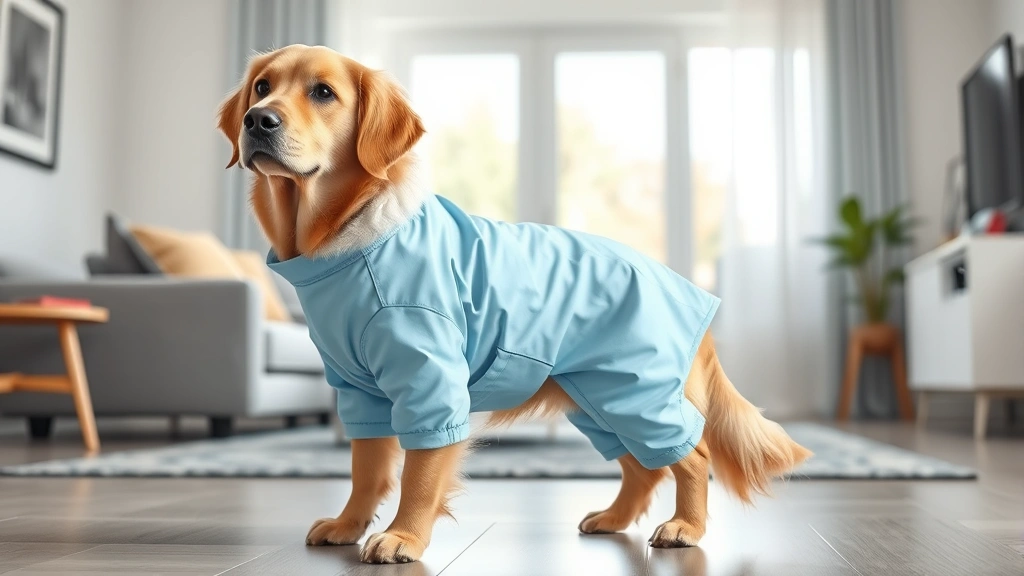
A dog recovery suit is one of the smartest investments you can make for your furry friend’s post-surgery or post-injury healing journey. If your pup just had surgery, got spayed or neutered, or suffered an injury, a recovery suit keeps them protected while they heal—without the dreaded cone of shame.
Table of Contents
- What Exactly Is a Dog Recovery Suit?
- Why Your Dog Needs a Recovery Suit After Surgery
- The 5 Best Dog Recovery Suit Options
- How to Choose the Right Dog Recovery Suit for Your Pup
- Proper Fit and Sizing Guide
- Caring for Your Dog While Wearing a Recovery Suit
- Common Mistakes to Avoid
- Recovery Timeline and When to Remove the Suit
- Cost Comparison: Recovery Suits vs. Other Options
- Real-Life Success Stories
- Frequently Asked Questions
- Frequently Asked Questions
- Final Thoughts on Dog Recovery Suits
What Exactly Is a Dog Recovery Suit?
Think of a dog recovery suit as a full-body hug that prevents your dog from licking, biting, or scratching their wounds. Unlike traditional Elizabethan collars (those plastic cones that make dogs look like they’re perpetually confused), recovery suits cover the entire body or specific problem areas. They’re made from soft, breathable fabric that lets your dog move comfortably while keeping surgical sites protected.
These suits come in various styles—some cover just the torso, while others extend down the legs. The best part? Your dog can actually see where they’re going, eat normally, and maintain their dignity.
Why Your Dog Needs a Recovery Suit After Surgery
Post-operative care is crucial for your dog’s healing. When dogs lick or bite at surgical sites, they risk infection, dehiscence (the wound reopening), and complications that could land you back at the emergency vet. A quality dog recovery suit acts as a barrier between your pup’s natural urge to groom and their vulnerable healing wounds.
Beyond surgery, recovery suits help with hot spots, dermatitis, allergies, and injuries. They’re especially valuable for anxious dogs who compulsively lick when stressed. According to the American Kennel Club, preventing self-trauma is one of the most important aspects of post-operative care.
The 5 Best Dog Recovery Suit Options
1. Full-Body Surgical Recovery Suit
Full-body dog recovery suit options like the EMUST or Lovelonglong brands cover your dog from neck to tail. These are ideal for dogs recovering from abdominal surgery, spaying, or neutering. The stretchy fabric accommodates movement without restricting breathing, and most feature snap closures for easy bathroom breaks.
Pros: Complete coverage, easy to put on, machine washable options available. Cons: Can be pricey ($40-$80), may feel restrictive in hot weather.
2. Surgical Onesie with Back Flap
These clever designs feature a back flap that opens for bathroom access—a game-changer for post-operative care. Brands like Suitical and Kong offer versions that stay secure without constant adjustment. They’re perfect for dogs who need to wear their suit 24/7 during recovery.
Pros: Convenient bathroom access, secure fit, stylish designs. Cons: Higher price point ($60-$100), sizing can be tricky.
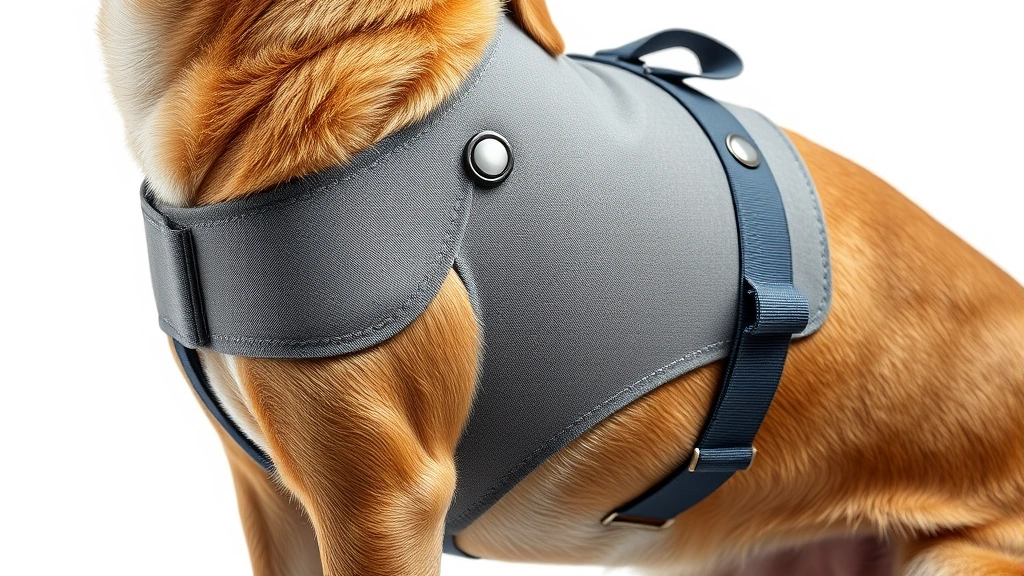
3. Abdominal Wrap Recovery Suit
For targeted protection, abdominal wraps focus coverage on the belly area without full-body restriction. These work great for dogs recovering from spay/neuter procedures or belly-specific injuries. They’re lighter and cooler than full-body options, making them ideal for summer recovery.
Pros: Lightweight, affordable ($25-$45), excellent breathability. Cons: Less coverage, may shift during active movement.
4. Leg Protection Recovery Suit
Dogs recovering from leg injuries, cruciate ligament surgery, or hip dysplasia treatment benefit from leg-specific recovery suits. These typically cover one or multiple legs while leaving the torso free. Brands like Kong and Hurtta offer durable options that withstand active dogs.
Pros: Targeted protection, great mobility, easy to clean. Cons: Dog may still reach other areas, requires proper sizing.
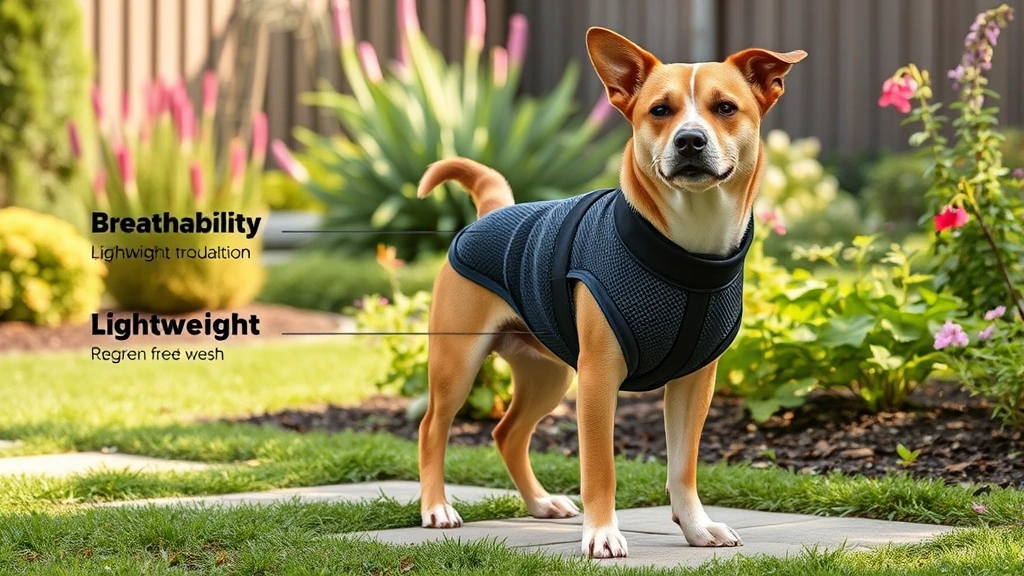
5. Lightweight Mesh Recovery Suit
Perfect for warm climates or dogs prone to overheating, mesh recovery suits provide protection while maximizing airflow. These are ideal for dogs with anxiety around constricting clothing, as they feel less restrictive than traditional fabric suits.
Pros: Breathable, lightweight, affordable ($20-$40). Cons: Less durable, may not provide adequate protection for aggressive lickers.
How to Choose the Right Dog Recovery Suit for Your Pup
Selecting the perfect dog recovery suit depends on several factors. First, consider the surgery or injury type. Abdominal procedures need belly coverage, while leg injuries require leg protection. Second, measure your dog accurately—most brands provide detailed sizing charts, and an ill-fitting suit defeats its purpose.
Third, think about your dog’s personality. Anxious dogs might prefer lightweight mesh options, while energetic pups need durable, secure-fitting suits. Finally, consider the climate. During hot months, breathable mesh works better than heavy fabric.
Your veterinarian can provide recommendations based on your dog’s specific needs. Don’t hesitate to ask about their preferred brands during your post-op consultation.
Proper Fit and Sizing Guide
A poorly fitting recovery suit is useless—or worse, dangerous. Measure your dog’s chest, waist, and length from neck to tail base using a soft measuring tape. Most manufacturers provide size charts; when in doubt, go up a size. The suit should be snug enough to prevent your dog from reaching wounds but loose enough to allow comfortable movement and breathing.
Check the fit regularly, especially as your dog heals and potentially loses weight. Adjust straps and closures as needed, and inspect daily for any rubbing or irritation.
Caring for Your Dog While Wearing a Recovery Suit
While your dog wears their recovery suit, maintain proper post-operative care. Ensure they have access to fresh water at all times—some suits can restrict drinking if not positioned correctly. Monitor their bathroom habits; some dogs need assistance going outside while wearing suits.
Keep the suit clean by following manufacturer instructions. Most are machine washable, which is essential since your dog will wear it for weeks. Have at least two suits so one can be washed while the other is worn.
For nutrition support during recovery, consider incorporating bone broth recipes for pets to boost healing. Always consult your vet before making dietary changes, especially if your dog is on pain medication or antibiotics.
Common Mistakes to Avoid
Don’t assume one size fits all—dogs vary dramatically in shape and size. A suit that works for a Corgi won’t fit a Greyhound. Don’t leave the suit on 24/7 without breaks; your dog needs supervised time to move freely and air out their skin.
Avoid getting the suit wet during outdoor bathroom breaks, as moisture can irritate healing skin. Don’t ignore signs of discomfort like excessive panting, whining, or attempting to remove the suit. And never use a recovery suit as a substitute for proper veterinary care—it’s a complement, not a replacement.
If you’re unsure about post-operative recovery protocols, schedule a telehealth vet appointment for guidance.
Recovery Timeline and When to Remove the Suit
Most dogs wear recovery suits for 10-14 days following surgery, though this varies based on the procedure. Your veterinarian will provide specific instructions. Never remove the suit early, even if your dog seems healed on the surface—internal healing takes longer.
During the recovery period, limit activity strictly. No running, jumping, or rough play. Keep your dog calm with indoor activities, puzzle toys, and short, controlled walks. This might sound boring, but it’s crucial for preventing complications.
Once your vet clears your dog, gradually increase activity. Don’t go from couch potato to marathon runner overnight—build up exercise tolerance over several weeks.
Cost Comparison: Recovery Suits vs. Other Options
A quality dog recovery suit typically costs $25-$100 depending on quality and brand. Compare this to veterinary complications from improper wound care, which can cost hundreds or thousands. An emergency vet visit for an infected surgical site? That’s $500-$1,500 easily.
Elizabethan collars are cheaper ($10-$30) but cause stress and restrict eating and drinking. Donut cones are an option but don’t prevent all licking. Recovery suits offer the best value for comprehensive protection and comfort.
Real-Life Success Stories
Pet owners consistently report that recovery suits transformed their dogs’ healing experiences. One owner shared that their Golden Retriever recovered from spay surgery without any complications thanks to her recovery suit—something that hadn’t been possible with her previous dog who wore a cone. Another mentioned their anxious Poodle actually relaxed while wearing a recovery suit, since the gentle pressure reduced stress.
These aren’t just comfort items; they’re medical aids that genuinely improve outcomes. Your dog’s faster, complication-free recovery is worth the investment.
Frequently Asked Questions
Frequently Asked Questions
Can my dog sleep in a recovery suit?
Yes, most dogs can sleep in recovery suits. In fact, supervised sleeping while wearing the suit is recommended to prevent nighttime licking. However, ensure the suit isn’t too tight and allow bathroom breaks before bedtime.
How do I get my dog used to wearing a recovery suit?
Start by letting your dog wear the suit for short periods before surgery, so they’re acclimated. Use positive reinforcement with treats and praise. Keep initial wear sessions brief (5-10 minutes) and gradually increase duration. Most dogs adapt within a few days.
What if my dog refuses to wear the recovery suit?
Persistence is key. Ensure proper fit first—discomfort causes refusal. Try putting the suit on during calm times, reward wearing it, and avoid making it a stressful situation. If your dog continues refusing, consult your vet about alternatives or try a different style.
Can recovery suits cause skin irritation?
Rarely, if the suit is too tight or worn without breaks. Prevent this by ensuring proper fit, cleaning the suit regularly, allowing air-out time, and inspecting your dog’s skin daily. Contact your vet if you notice redness or irritation.
Are recovery suits waterproof?
Most aren’t fully waterproof, though some have water-resistant fabrics. Keep the suit dry during outdoor bathroom breaks. If it gets wet, remove it and allow it to air dry completely before putting it back on.
How many recovery suits should I have?
Having two is ideal—one to wear while the other is being washed. Since recovery periods last 10-14 days and suits need frequent cleaning, backup coverage ensures your dog always has a clean suit available.
Final Thoughts on Dog Recovery Suits
Investing in a quality dog recovery suit is one of the smartest decisions you can make for your dog’s post-operative or post-injury care. These suits provide superior protection compared to traditional cones, maintain your dog’s dignity, and significantly reduce complications.
Choose based on your dog’s specific needs, ensure proper fit, and follow your veterinarian’s guidance throughout the recovery period. Your dog will thank you—even if they can’t say it directly, their faster healing and reduced stress speak volumes.
Remember, recovery suits are just one part of comprehensive post-operative care. Maintain proper nutrition (consult about pet diet transition advice if needed), follow activity restrictions, and keep all follow-up vet appointments. When combined with proper care, a recovery suit helps ensure your pup bounces back stronger than ever.
Your dog’s health and comfort during recovery matter. Choose wisely, fit properly, and watch your furry friend heal beautifully.





