
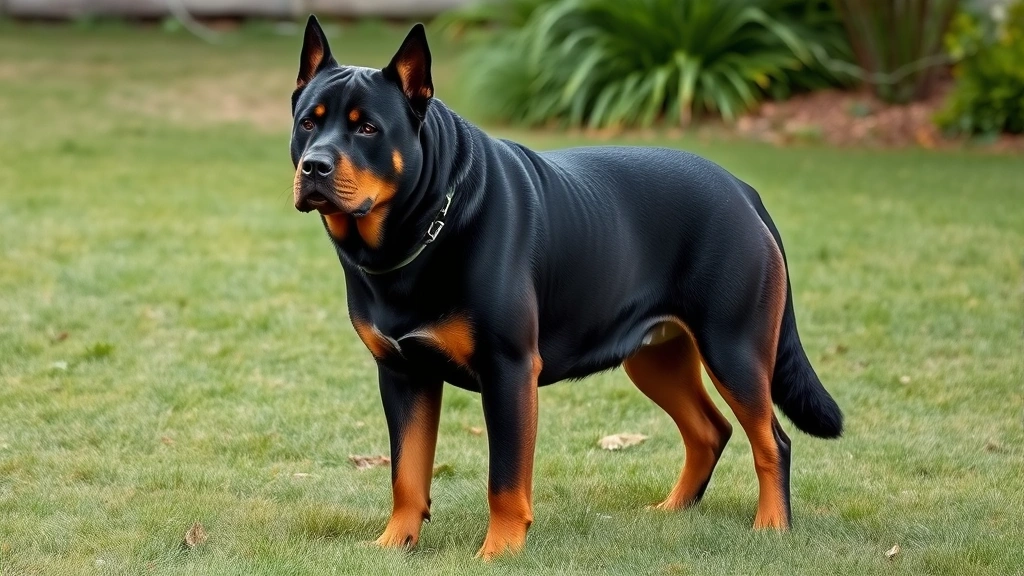
A dog rottweiler german shepherd mix is basically nature’s way of saying, “Let’s combine two of the most impressive working breeds and see what happens.” Spoiler alert: you get an absolutely magnificent, loyal, and occasionally stubborn companion that will turn heads wherever you go. Whether you’re considering bringing one of these magnificent hybrids into your home or you already own one, this comprehensive guide will walk you through everything you need to know about raising, training, and caring for this unique breed blend.
Table of Contents
- What Exactly Is a Rottweiler German Shepherd Mix?
- Physical Characteristics and Size Expectations
- Temperament: The Personality Profile of Your Shepweiler
- Training Requirements for Large Breed Success
- Exercise Needs: These Dogs Need to Move
- Health Considerations for Mixed Breed Dogs
- Nutrition and Feeding Guidelines
- Grooming and Coat Care
- Socialization: Making Your Shepweiler a Good Canine Citizen
- Living Situation and Space Requirements
- Lifespan and Long-Term Commitment
- Frequently Asked Questions
- Conclusion: Is a Rottweiler German Shepherd Mix Right for You?
What Exactly Is a Rottweiler German Shepherd Mix?
Let’s start with the basics. A dog rottweiler german shepherd mix, often called a “Shepweiler” or “Rottie Shepherd,” is the offspring of a purebred Rottweiler and a purebred German Shepherd. These aren’t designer dogs in the typical sense—they’re often the result of accidental breeding or intentional crosses by people who want to combine the best traits of both breeds. You’re looking at a dog that inherits the protective instincts of both parent breeds, the intelligence of a German Shepherd, and the steady confidence of a Rottweiler.
Physical Characteristics and Size Expectations
When it comes to appearance, a Rottweiler German Shepherd mix is nothing short of impressive. These dogs are large, muscular, and commanding in presence. Most adults will weigh between 80 to 135 pounds, with males typically on the heavier end of that spectrum. Height usually ranges from 22 to 28 inches at the shoulder. Their coat can vary—you might get the Rottweiler’s shorter, denser coat or the German Shepherd’s longer, double-layered fur. Color-wise, expect combinations of black, tan, red, and brown, often with the distinctive markings of one or both parent breeds. These dogs are built for work, and their physique reflects that heritage.
Temperament: The Personality Profile of Your Shepweiler
Here’s where things get really interesting. The temperament of a dog rottweiler german shepherd mix is a fascinating blend of loyalty, intelligence, and protective instinct. German Shepherds are known for their eager-to-please attitude and trainability, while Rottweilers are confident, calm, and deeply devoted to their families. Mix these together, and you get a dog that’s incredibly loyal, intelligent, and naturally protective without being unnecessarily aggressive. These dogs form strong bonds with their families and are generally excellent with children when properly socialized. However, they’re not the type to be friendly with every stranger they meet—they’re discerning, which is actually a desirable trait in a protection dog.
Training Requirements for Large Breed Success
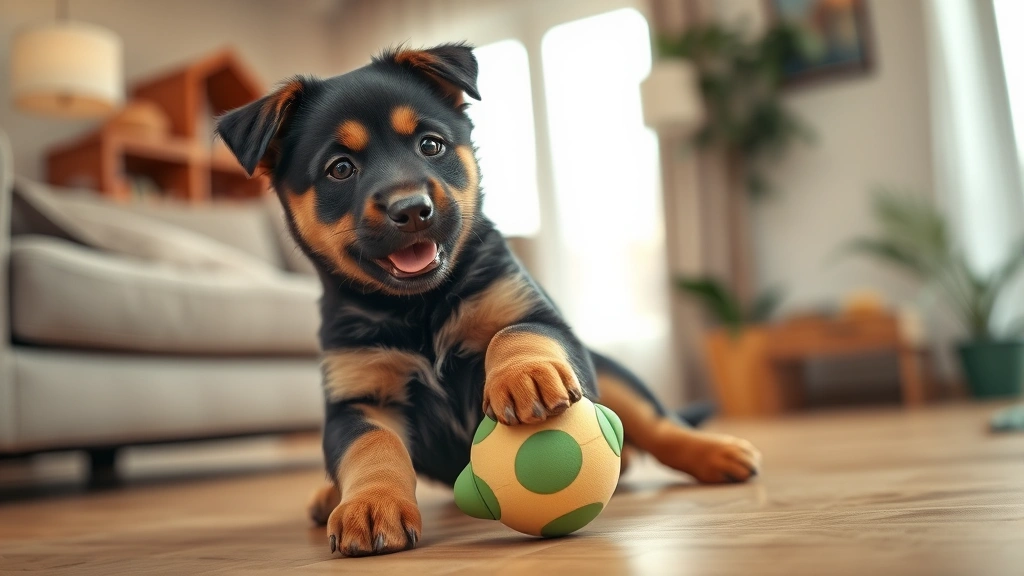
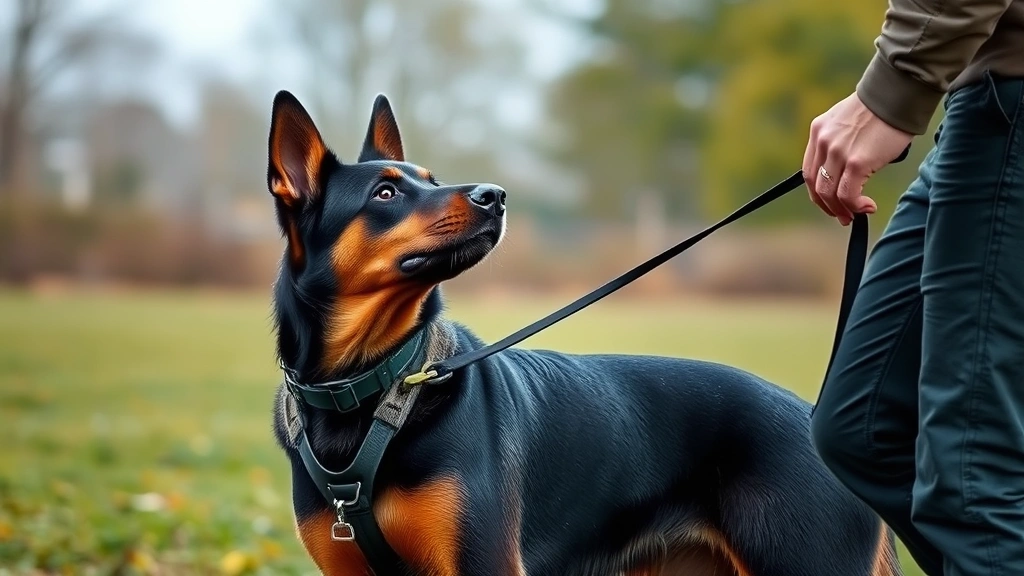
Training a Rottweiler German Shepherd mix is essential, and honestly, it’s one of the most rewarding aspects of dog ownership. These dogs are highly intelligent and eager to have a job to do. Start early with socialization—expose your puppy to different people, environments, and situations. Obedience training should begin as soon as you bring your dog home. These dogs respond exceptionally well to positive reinforcement methods. Use treats, praise, and play as rewards. Because of their size and strength, teaching commands like “sit,” “stay,” and “come” isn’t just nice to have—it’s crucial for safety. Many owners find that enrolling in professional training classes, especially during the first year, pays dividends in having a well-behaved adult dog. Check out our Pet Nutrition Advice section for guidance on reward-based training treats.
Exercise Needs: These Dogs Need to Move
Don’t even think about getting a Rottweiler German Shepherd mix if you’re looking for a couch potato. These are working dogs with working-dog energy levels. Plan for at least 60 to 90 minutes of exercise daily—and that’s not a casual stroll around the block. We’re talking brisk walks, running, playing fetch, or engaging in dog sports like agility or obedience competitions. Without adequate exercise, these intelligent dogs can become destructive or develop behavioral issues. They need mental stimulation too, so puzzle toys, training sessions, and interactive games are your friends. Many owners find that their Shepweiler thrives with a job—whether that’s actual protection work, therapy dog certification, or competitive dog sports.
Health Considerations for Mixed Breed Dogs
One of the advantages of mixed breeds is often what’s called “hybrid vigor,” where the genetic diversity can reduce the likelihood of certain breed-specific health issues. However, a dog rottweiler german shepherd mix can still inherit health concerns from either parent breed. Common issues to watch for include hip dysplasia, elbow dysplasia, and bloat (gastric dilatation-volvulus). German Shepherds are prone to degenerative myelopathy, while Rottweilers can develop heart conditions. Regular veterinary check-ups are absolutely essential. According to the American Kennel Club, large breed dogs should have orthopedic evaluations, and your Shepweiler should have hip and elbow scores taken. Maintain a healthy weight, provide quality nutrition, and stay current on vaccinations and preventative care.
Nutrition and Feeding Guidelines
Feeding a large, active dog properly is crucial for long-term health. Your Rottweiler German Shepherd mix needs high-quality dog food with adequate protein (at least 25-30%) to support muscle maintenance. Look for foods with real meat as the primary ingredient. Portion control matters—obesity can exacerbate joint problems in large breeds. Most adult Shepweilers do well with two meals per day rather than one large meal, which also helps reduce bloat risk. Our guide on Energy Boosting Foods for Active Pets provides excellent recommendations for keeping your high-energy dog properly fueled. According to PetMD, large breed puppies require special growth formulas to prevent developmental orthopedic disease. Consult with your veterinarian about the best feeding plan for your individual dog’s age, activity level, and health status.
Grooming and Coat Care
Grooming needs depend largely on which parent breed’s coat your dog inherited. If your Shepweiler has the German Shepherd’s longer coat, expect regular brushing—at least three to four times weekly—with daily brushing during shedding seasons. Even if they inherit the Rottweiler’s shorter coat, these dogs shed considerably. Invest in a good de-shedding tool; your vacuum will thank you. Bathe your dog every 6-8 weeks or as needed. Don’t forget nail trimming every 3-4 weeks, ear cleaning weekly, and dental care daily if possible. These grooming sessions are also great bonding opportunities and allow you to check for any skin issues or abnormalities.
Socialization: Making Your Shepweiler a Good Canine Citizen
Early and ongoing socialization is non-negotiable for a dog rottweiler german shepherd mix. These dogs have protective instincts, and without proper socialization, they can become overly wary or aggressive toward unfamiliar people or dogs. Expose your puppy to various environments, people of different ages and appearances, and other animals during the critical socialization window (8-16 weeks). Continue socialization throughout adulthood. Enroll in puppy kindergarten classes, visit dog parks, and arrange playdates with friendly dogs. This doesn’t mean your Shepweiler will become best friends with every dog they meet—they’re selective by nature—but they’ll learn appropriate behavior and confidence.
Living Situation and Space Requirements
These large, active dogs need adequate space. While they can adapt to apartment living if exercised sufficiently, they truly thrive with a securely fenced yard where they can move around freely. A Rottweiler German Shepherd mix in a tiny apartment with minimal exercise is a recipe for behavioral problems. If you do live in an apartment, commit to extensive daily exercise and mental stimulation. The dog will need a comfortable place to rest—a large dog bed or crate for crate training. These dogs are people-oriented and shouldn’t be left alone for extended periods. They’re not yard dogs meant to live outside; they’re family members who want to be near you.
Lifespan and Long-Term Commitment
A healthy Rottweiler German Shepherd mix typically lives 10-13 years. That’s a significant commitment. Before bringing one home, honestly assess whether you can provide consistent care, training, exercise, and companionship for over a decade. These aren’t dogs you can neglect or ignore. They require engaged, responsible owners who understand the breed and are committed to proper care. Consider your life circumstances—job stability, family plans, financial ability to provide veterinary care. This is a long-term relationship, not a temporary pet situation.
Frequently Asked Questions
Are Rottweiler German Shepherd mixes good family dogs?
Yes, when properly trained and socialized, a dog rottweiler german shepherd mix makes an excellent family dog. They’re loyal, protective, and intelligent. They’re generally great with children they’ve been raised with, though their size means supervision with small children is important. They thrive in families that can provide structure, training, exercise, and companionship.
How much does a Rottweiler German Shepherd mix cost?
Prices vary widely depending on the breeder and location, ranging from $300-$800 for rescue dogs to $1,500-$3,000+ from breeders. However, cost should never be the primary consideration. Focus on finding a responsible source and ensuring you can afford quality food, veterinary care, and training.
Do they get along with other pets?
With proper socialization, they can coexist peacefully with other dogs and pets. However, their prey drive and protective instincts mean supervision is necessary. Early socialization with other animals is key. Some individuals are more dog-friendly than others depending on their temperament and upbringing.
What’s the difference between a Rottweiler German Shepherd mix and a purebred German Shepherd?
The main differences are the Shepweiler’s typically larger size, the added Rottweiler confidence and protective instinct, and potentially different coat characteristics. German Shepherds are often more eager to please, while Shepweilers have a more independent streak. Both are intelligent and trainable.
Do they require special dietary considerations?
Large breed dogs benefit from specially formulated food to support joint health and prevent developmental issues. Our article on Pet Dietary Restrictions covers important dietary considerations. Avoid foods with excessive fillers and ensure adequate protein and balanced calcium-phosphorus ratios, especially during growth phases.
Are they good protection dogs?
Absolutely. Their natural protective instincts, intelligence, and loyalty make them excellent protection dogs. Many are trained for personal protection, property protection, or police work. However, this requires professional training and a responsible owner who understands the implications of owning a protection dog.
Conclusion: Is a Rottweiler German Shepherd Mix Right for You?
A dog rottweiler german shepherd mix is an incredible companion for the right owner. These dogs are intelligent, loyal, protective, and deeply bonded to their families. They’re not for everyone—they require experienced dog owners, significant daily exercise, consistent training, and genuine commitment. They’re not dogs to leave alone for 12 hours while you work, and they’re not suitable for owners who can’t provide structure and leadership. But for someone willing to invest the time, effort, and resources, a Shepweiler offers unparalleled companionship and loyalty. They’ll protect your family, participate in your activities, and love you unconditionally. If you’re ready for the responsibility and have the lifestyle to support one of these magnificent dogs, you’re in for an incredibly rewarding experience. Consider adoption from rescue organizations first, as many wonderful Shepweilers need loving homes. Whatever you decide, make sure it’s the right choice for both you and the dog.





