
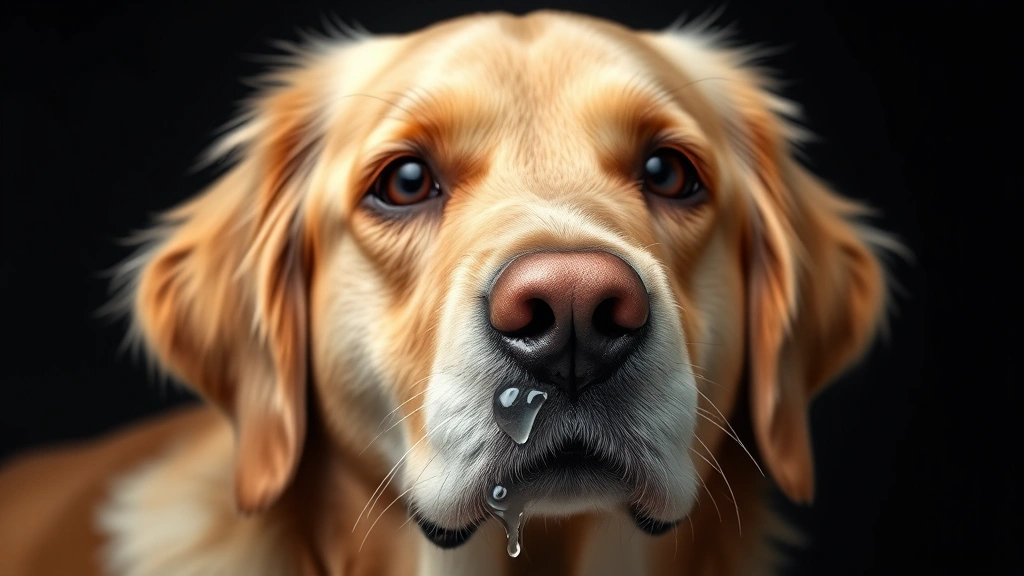
A dog runny nose can turn your furry best friend into a snot-dispensing machine faster than you can say “achoo.” One minute your pup is happily napping on the couch, and the next they’re leaving a trail of nasal discharge like they’re marking their territory with mucus. While it might seem gross (okay, it definitely is), understanding what’s causing your dog’s runny nose is the first step toward getting them back to their normal, adorable selves.
Table of Contents
- What Causes a Dog Runny Nose?
- Solution #1: Identify and Eliminate Allergies
- Solution #2: Rule Out Infections (Viral and Bacterial)
- Solution #3: Check for Foreign Objects
- Solution #4: Manage Environmental Irritants
- Solution #5: Support Your Dog’s Immune System with Nutrition
- When Should You Call the Vet?
- Home Remedies That Actually Work
- Prevention: Stop the Runny Nose Before It Starts
- When It’s More Than Just a Runny Nose
- Frequently Asked Questions
- Summary: Getting Your Dog’s Nose Back to Normal
The good news? Most cases of canine nasal discharge are totally manageable, and many resolve on their own. But some warrant a trip to the vet. Let’s dive into what causes this snotty situation and how to fix it.
What Causes a Dog Runny Nose?
Before we jump into solutions, let’s talk about why your dog’s nose is running like a faucet. A dog runny nose isn’t just one thing—it’s a symptom with multiple potential culprits lurking behind it.
The most common causes include allergies, infections (bacterial or viral), foreign objects stuck in the nasal passages, and environmental irritants. Think of it like your own nose when you have a cold, except dogs can’t blow their nose into a tissue. Lucky them, right?
Solution #1: Identify and Eliminate Allergies
Just like humans, dogs can suffer from allergies that trigger excessive nasal discharge. Seasonal allergies from pollen, dust mites, or mold are frequent offenders. If your dog’s runny nose flares up during spring or fall, allergies are probably your culprit.
Food allergies can also cause nasal discharge. If you suspect food allergies in pets, consider switching to a limited-ingredient diet or consulting your vet about an elimination diet. Some dogs react to chicken, beef, wheat, or dairy, and removing the offender can work wonders.
Environmental allergies might require air purifiers, more frequent vacuuming, or keeping your pup indoors during high pollen counts. It’s not glamorous, but it works.
Solution #2: Rule Out Infections (Viral and Bacterial)
Viral infections like kennel cough or canine distemper can cause a runny nose that’s often accompanied by coughing, sneezing, or lethargy. Bacterial infections are equally annoying and typically require antibiotics prescribed by your veterinarian.
The tricky part? You can’t tell the difference between viral and bacterial infections just by looking at the discharge. This is where professional help comes in. A virtual pet checkup can help you determine if antibiotics are necessary or if it’s just a waiting game.
If your dog seems otherwise healthy and playful, it’s likely viral and will resolve within 7-10 days. But if they’re lethargic, running a fever, or the discharge worsens, get them to a vet immediately.
Solution #3: Check for Foreign Objects
Dogs are curious creatures, and sometimes that curiosity lands a grass blade, seed, or toy piece right up their nose. A foreign object lodged in the nasal passage will cause persistent, often one-sided discharge and sneezing.
If you suspect a foreign object, don’t go poking around with tweezers like you’re performing nasal surgery. Instead, contact your vet. They have the proper tools and expertise to safely remove whatever your pup has snuffled up. Attempting removal yourself could push it deeper or cause injury.
Solution #4: Manage Environmental Irritants
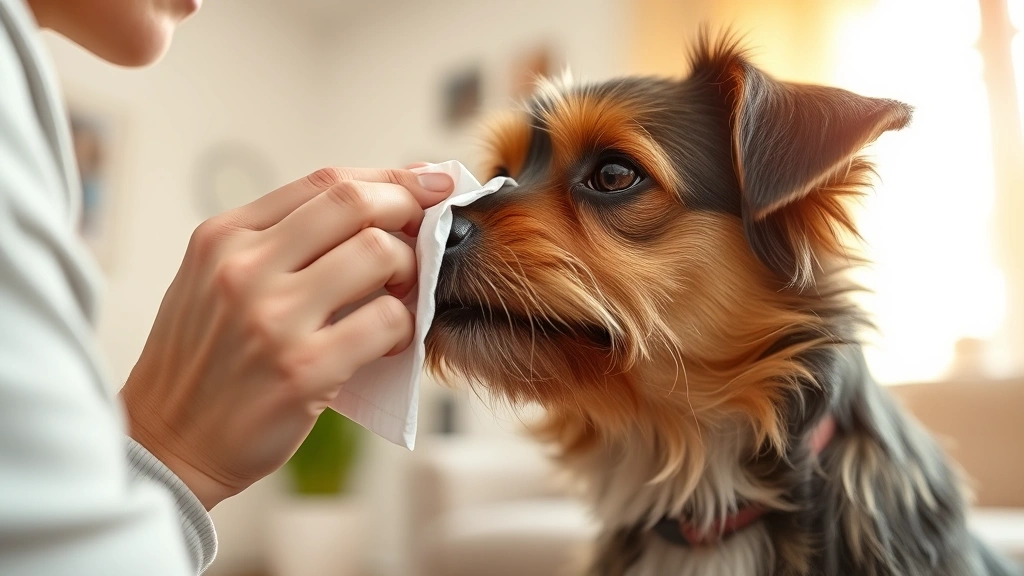
Smoke, strong perfumes, cleaning chemicals, and air pollution can irritate your dog’s nasal passages and trigger discharge. If you smoke, vape, or use strong aerosol products, your dog’s runny nose might be their way of saying “please stop.”
Improving air quality in your home is simple: open windows for fresh air, use pet-safe cleaning products, and avoid smoking indoors. Your dog’s nose will thank you, and honestly, so will your lungs.
Solution #5: Support Your Dog’s Immune System with Nutrition
A healthy immune system is your dog’s best defense against infections and allergies. Proper nutrition plays a crucial role here. High-quality proteins, omega-3 fatty acids, and antioxidants support immune function and reduce inflammation.
Check out superfoods for pets to learn which foods can boost your pup’s health. Adding supplements like fish oil or probiotics can also help, but always consult your vet before introducing new supplements.
Additionally, if your dog is anxious or stressed, that can suppress immune function. Calming foods for anxious pets might help reduce stress-related nasal discharge.
When Should You Call the Vet?
Not every runny nose requires emergency intervention, but certain signs definitely warrant a professional opinion. Contact your vet if your dog’s discharge is thick, yellow, or green (indicating bacterial infection), if it’s bloody, if only one nostril is affected, or if the discharge lasts more than two weeks.
Also seek help if your pup is sneezing excessively, has facial swelling, is running a fever, or seems lethargic. These could indicate more serious conditions like nasal polyps, tumors, or severe infections. Telehealth advice for pet poisoning can also help if you suspect your dog ingested something toxic that’s causing nasal discharge.
Home Remedies That Actually Work
While you’re waiting for a vet appointment or managing a mild case, a few home remedies can provide relief. A humidifier adds moisture to the air, which can soothe irritated nasal passages. Saline nasal drops (made for dogs, not humans) can help clear congestion naturally.
Make sure your pup stays hydrated—water helps thin mucus secretions. Some owners swear by bone broth (unsalted) as a soothing, nutritious treat that supports respiratory health. Avoid essential oils and strong aromatherapy products, as these can irritate your dog’s nose further.
Prevention: Stop the Runny Nose Before It Starts
The best cure is prevention. Keep your dog’s vaccinations current to prevent viral infections. Minimize exposure to known allergens if possible. Maintain good indoor air quality and avoid smoking around your pup.
Regular grooming and ear cleaning can also help, as ear infections sometimes accompany nasal issues. A clean, healthy dog is a happy dog with a dry nose.
When It’s More Than Just a Runny Nose
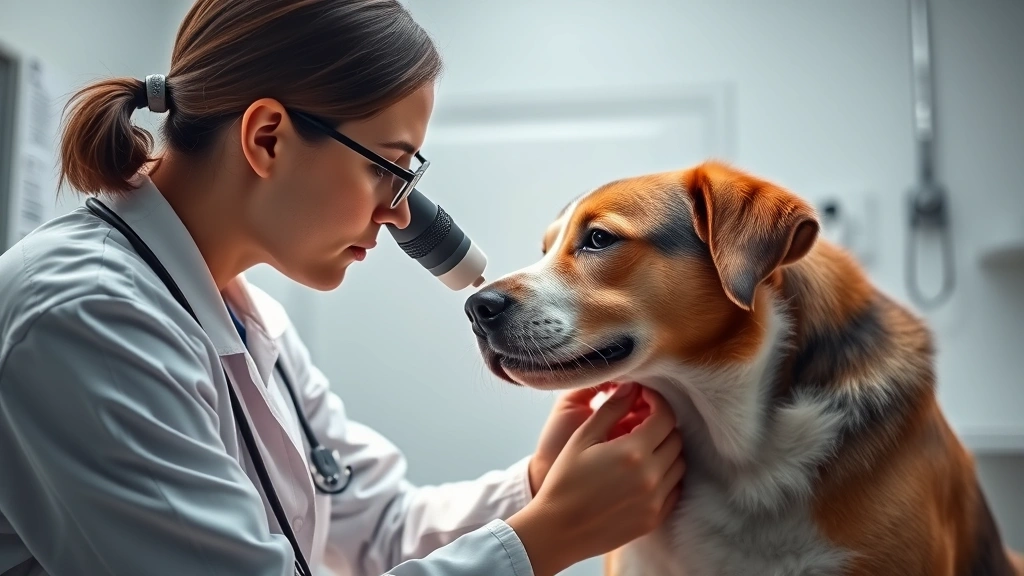
Sometimes a runny nose is just the beginning. If your dog’s nasal discharge is accompanied by other symptoms, it could indicate a more serious condition. Nasal tumors, polyps, or chronic rhinitis require specialized veterinary care.
Don’t panic if your vet mentions these possibilities—many are manageable with proper treatment. The key is catching them early and getting professional help. If you’re ever unsure about whether to seek veterinary care, err on the side of caution. Your peace of mind is worth it.
Frequently Asked Questions
Is a dog runny nose always a sign of illness?
Not necessarily. Dogs naturally have some nasal discharge, especially when they’re excited, playing, or in cold weather. However, excessive discharge, especially if it’s thick, colored, or accompanied by other symptoms, warrants investigation. When in doubt, consult your veterinarian.
Can I use human nasal saline on my dog?
While human saline is generally safe, it’s best to use products specifically formulated for dogs. Dog-specific saline drops are designed with their nasal physiology in mind. Always check with your vet before using any product in your dog’s nose.
How long should a dog runny nose last?
A mild, viral runny nose typically resolves within 7-10 days. If it persists beyond two weeks or worsens, seek veterinary attention. Bacterial infections may require antibiotics and could last longer if untreated.
Can allergies cause a permanent runny nose in dogs?
Chronic allergies can cause ongoing nasal discharge, but it’s not permanent in the sense that it can be managed. Identifying and eliminating allergens, along with medication if needed, can significantly reduce or eliminate symptoms.
What does abnormal nasal discharge look like?
Normal discharge is clear and minimal. Abnormal discharge is thick, colored (yellow, green, or blood-tinged), foul-smelling, or one-sided. These signs suggest infection, foreign objects, or other serious conditions requiring veterinary evaluation.
Summary: Getting Your Dog’s Nose Back to Normal
A dog runny nose is frustrating, but it’s usually manageable with the right approach. Start by identifying the cause—whether it’s allergies, infection, environmental irritants, or something else. Most cases resolve with simple home care, but don’t hesitate to involve your vet if symptoms persist or worsen.
Remember, your dog can’t tell you what’s wrong, so you’re their advocate. Pay attention to other symptoms, maintain good hygiene and nutrition, and seek professional help when needed. Before you know it, your pup will be back to their normal, adorable self—with a nice, dry nose.





