
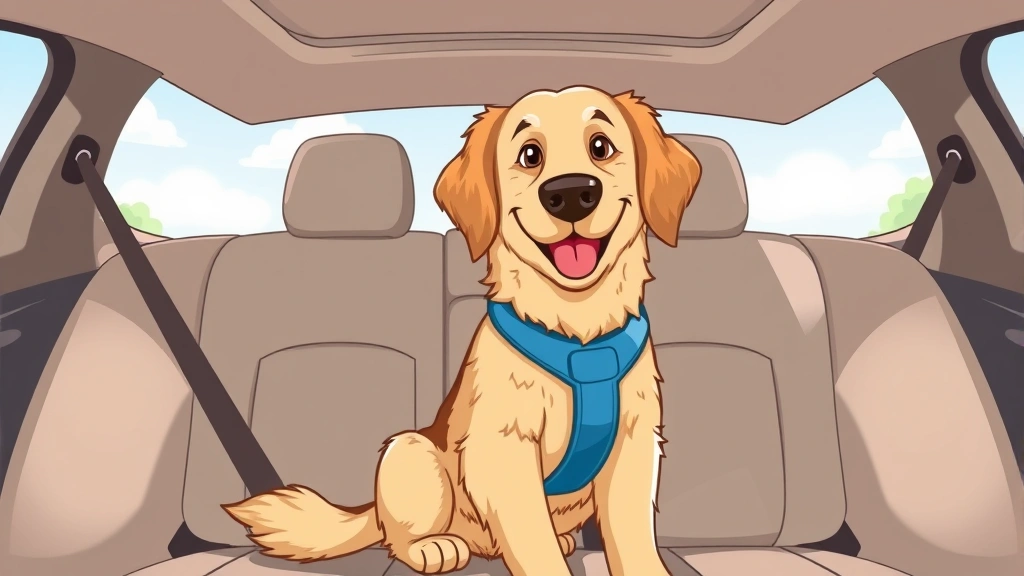
A dog seat belt is one of the most critical safety devices you can invest in for your pet’s protection during vehicle travel. Just as human passengers rely on seat belts to prevent injury during accidents, dogs need proper restraint systems to stay safe on the road. Whether you’re taking a short trip to the veterinarian or embarking on a cross-country adventure, understanding how to properly use a dog seat belt can mean the difference between a safe journey and a potentially life-threatening situation.
In this comprehensive guide, we’ll explore everything you need to know about dog seat belts, including selection tips, installation methods, and best practices for keeping your canine companion secure while traveling. Let’s dive into the essential information that every responsible dog owner should understand.
Why Your Dog Needs a Seat Belt During Car Travel
Many pet owners underestimate the importance of restraining their dogs while driving. However, vehicle accidents happen unexpectedly, and unrestrained pets can become dangerous projectiles. During a sudden stop or collision, an unrestrained dog can suffer severe injuries or even become fatal casualties. A properly fitted dog seat belt keeps your pet in place, reducing the risk of injury to both your dog and other vehicle occupants.
Beyond accident prevention, a restrained dog is also less likely to distract you while driving. Dogs that roam freely in the car may jump into your lap, block your vision, or cause you to lose focus on the road. This distraction significantly increases the likelihood of accidents. Additionally, using a dog seat belt demonstrates responsible pet ownership and compliance with pet safety laws in many jurisdictions.
Studies have shown that unrestrained pets are involved in a higher percentage of vehicle accidents than restrained ones. The American Veterinary Medical Association recommends securing all pets during vehicle transport, making a dog seat belt an essential safety tool rather than an optional luxury.
Types of Dog Seat Belts and Restraint Systems
Understanding the different types of dog seat belt options available will help you choose the best solution for your pet’s size, temperament, and travel needs. Each type offers distinct advantages and disadvantages depending on your specific situation.
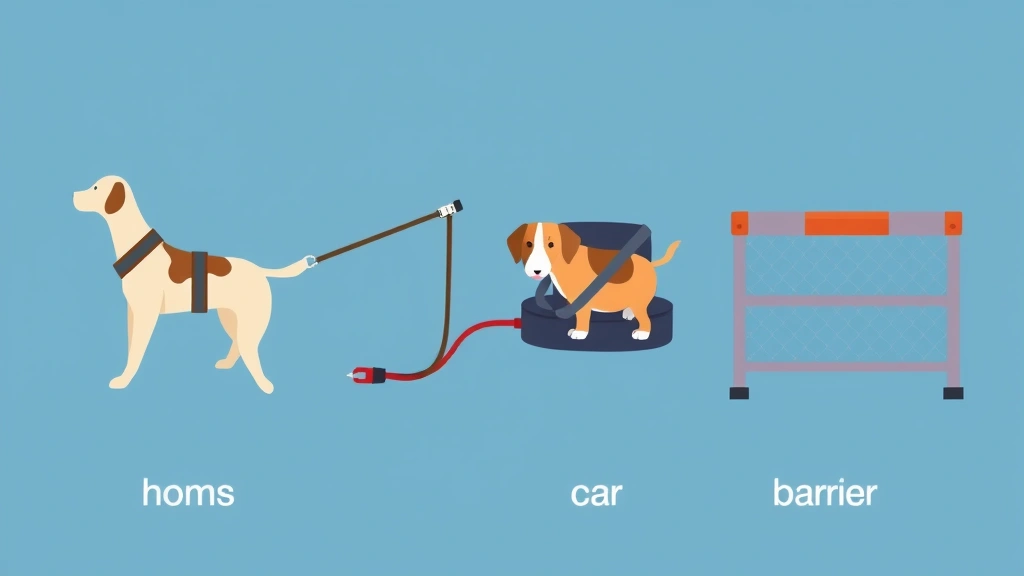
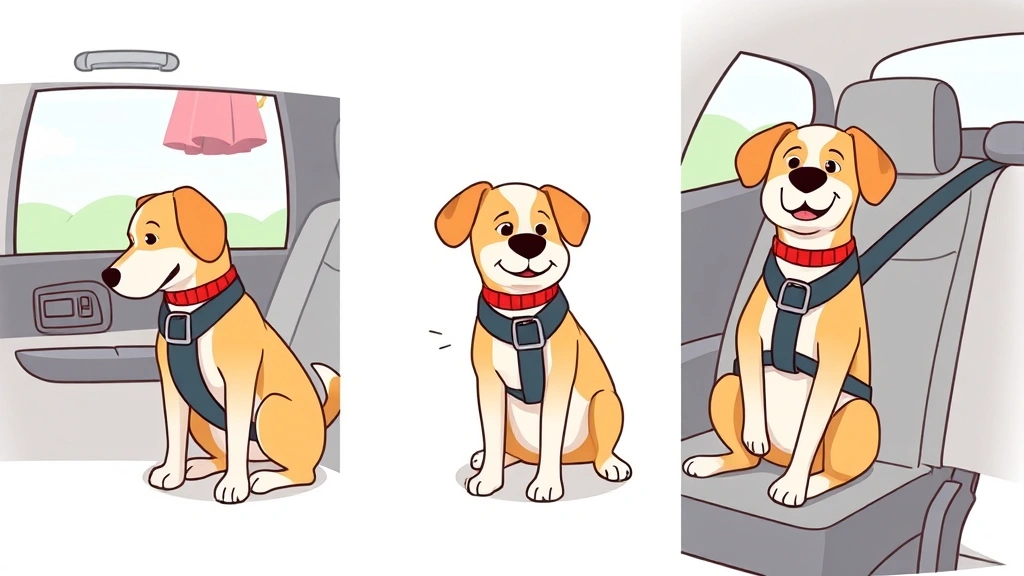
Harness-Style Seat Belts: These are among the most popular options, featuring a full-body harness that connects to your vehicle’s seat belt system. Harness-style restraints distribute pressure evenly across your dog’s body, reducing the risk of neck or spine injuries during sudden stops. They work well for dogs of various sizes and are particularly effective for anxious travelers.
Tether Systems: Also known as car seat belt tethers, these simpler devices attach to your dog’s collar or harness and connect to the seat belt anchor point. While more affordable than full harness systems, tethers provide less comprehensive protection and may not be suitable for larger, more powerful dogs.
Car Seats and Carriers: Similar to infant car seats, dog-specific car seats provide maximum protection by containing your pet in a secure compartment. These are ideal for small breeds and puppies, offering both safety and comfort during travel.
Barrier Systems: Vehicle barriers create a physical separation between the front and rear seating areas, containing your dog in the cargo area. This option works best for SUVs and larger vehicles and prevents dogs from accessing the front seat.
Choosing the Right Dog Seat Belt for Your Pet
Selecting an appropriate dog seat belt requires careful consideration of several factors. Your dog’s size, weight, age, temperament, and health status all play important roles in determining the best restraint system for your vehicle.
Size and Weight Considerations: Measure your dog carefully and check the weight specifications provided by manufacturers. A seat belt that’s too large won’t provide adequate restraint, while one that’s too small may cause discomfort or restrict movement. Most quality dog seat belt options come in multiple sizes to accommodate different breeds.
Breed-Specific Needs: Large breed dogs like German Shepherds and Labrador Retrievers require heavy-duty harnesses designed to handle their strength. Smaller breeds may be more comfortable in lighter-weight systems. Brachycephalic breeds (flat-faced dogs) may benefit from harnesses that don’t put pressure on their airways.
Comfort and Fit: Your dog should be able to sit, lie down, and turn around comfortably while restrained. Test the fit before your first trip, ensuring that the harness doesn’t chafe or cause irritation. Check that you can fit two fingers between the harness and your dog’s body for proper fit.
Material Quality: Look for durable, high-quality materials that can withstand regular use. Nylon webbing with reinforced stitching offers excellent durability. Padding in key areas reduces discomfort during longer trips. Weather-resistant materials are beneficial if your dog travels frequently.
Proper Installation and Fitting of Dog Seat Belts
Correct installation of your dog seat belt is crucial for ensuring maximum safety and effectiveness. A poorly installed restraint system may fail during an accident or cause discomfort to your pet.
Step-by-Step Installation Guide: Begin by reading the manufacturer’s instructions thoroughly. Most harness-style dog seat belt systems connect directly to your vehicle’s existing seat belt system. Thread the seat belt through the appropriate attachment points on the harness, then fasten the seat belt as you normally would.
For tether systems, attach the tether to your dog’s collar or harness first, ensuring it’s snug but not too tight. Then connect the other end to the seat belt anchor point or a designated tether attachment in your vehicle. Adjust the length so your dog can’t reach the front seat or fall into the floor area.
Testing the Installation: Before taking your dog on a trip, test the installation by gently pulling on the harness to ensure it’s secure. The restraint should not move or shift when you apply moderate pressure. If your vehicle has LATCH (Lower Anchors and Tethers for Children) attachment points, these can provide additional security for certain dog seat belt systems.
Regular Maintenance: Inspect your dog seat belt regularly for signs of wear, fraying, or damage. Replace any worn components immediately. Check that attachment points remain secure and that no parts have become loose over time. Proper maintenance ensures your restraint system continues to function effectively.
Training Your Dog to Accept a Seat Belt
Many dogs require time and patience to adjust to wearing a dog seat belt. Introducing the restraint gradually and positively will help your pet feel comfortable and secure during vehicle travel.
Introduction Phase: Start by allowing your dog to inspect the harness or seat belt system while parked. Let them sniff and explore the equipment without any pressure. Reward curiosity with treats and praise to create positive associations.
Gradual Acclimation: Place the harness on your dog for short periods while at home, gradually increasing the duration. Practice fastening and unfastening the restraint several times daily. Reward calm behavior with treats and affection.
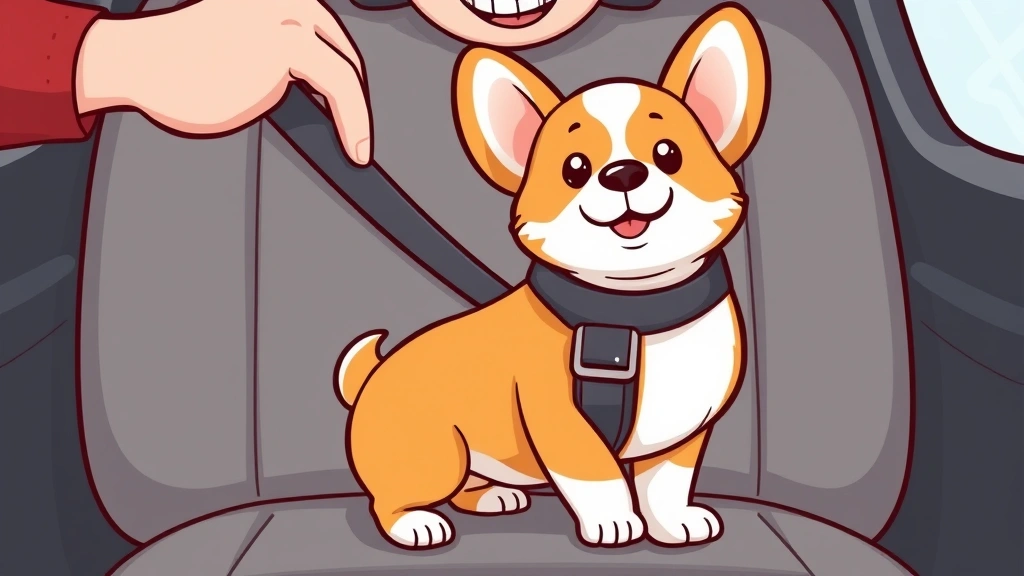
Vehicle Familiarization: Once your dog is comfortable wearing the harness, place them in the vehicle while parked. Secure the dog seat belt and reward calm behavior. Gradually progress to short driving sessions in quiet areas before attempting longer trips.
Positive Reinforcement: Always associate the seat belt with positive experiences. Offer high-value treats, praise, and affection when your dog cooperates. Never force your dog into the harness or use punishment, as this creates negative associations that may persist.
Some dogs may experience anxiety during vehicle travel regardless of restraint type. If your dog shows signs of distress, consult with your veterinarian or a certified animal behaviorist for additional strategies. Can dogs get bored during car rides? Yes, and proper enrichment during travel can help reduce anxiety and improve comfort.
Safety Best Practices for Dog Seat Belt Use
Beyond simply installing a dog seat belt, several additional practices enhance overall vehicle safety for you and your pet.
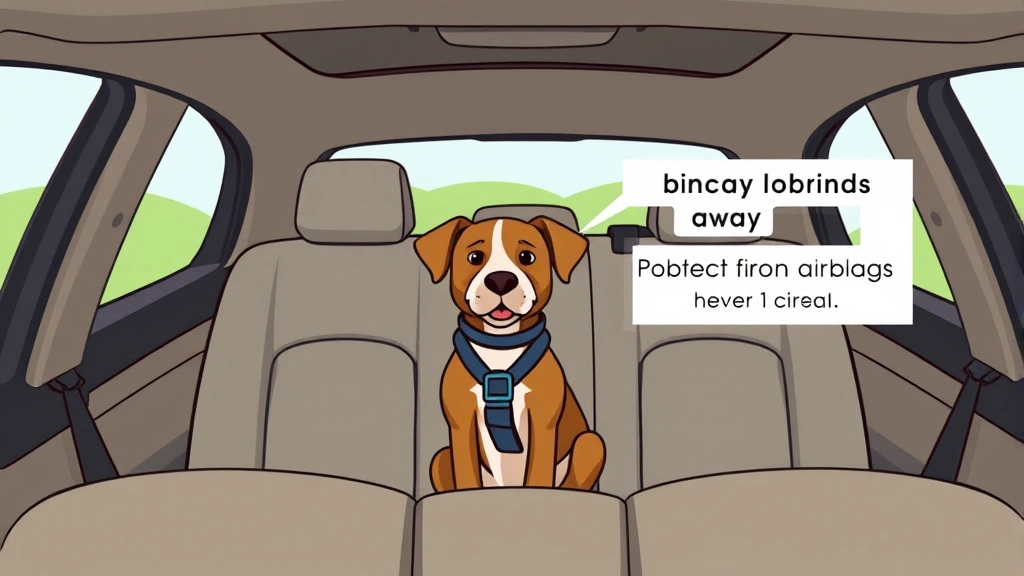
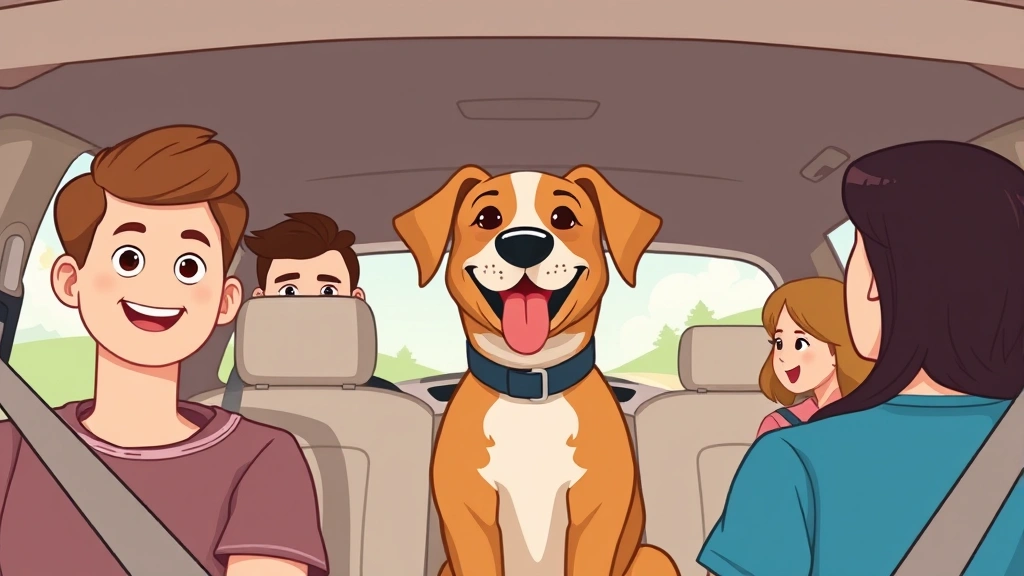
Positioning in the Vehicle: The safest location for a restrained dog is typically the rear seat. Front-seat airbags can injure or kill dogs during deployment, making the back seat the optimal choice. If your vehicle has a center rear seat position, this is often the safest spot as it provides maximum distance from side-impact collision zones.
Temperature Control: Never leave a restrained dog alone in a parked vehicle, especially in warm weather. Even with windows cracked, vehicle interiors can reach dangerous temperatures within minutes. If you must leave your dog in the car, ensure the engine is running with air conditioning active, or better yet, leave your pet at home.
Avoiding Distractions: Keep your dog calm and quiet during driving to minimize distractions. Ensure the dog seat belt is secure before starting the engine. If your dog becomes restless, pull over safely before attempting to adjust their position or comfort.
Emergency Preparedness: Keep emergency supplies in your vehicle, including water, a bowl, first aid supplies, and your dog’s medical records. In case of an accident, having these items readily available can be lifesaving. Consider keeping a pet emergency contact card in your vehicle.
For additional safety information, consult resources from the American Veterinary Medical Association, which provides comprehensive guidelines on pet vehicle safety.
Common Mistakes to Avoid When Using Dog Seat Belts
Even well-intentioned pet owners sometimes make mistakes that compromise the effectiveness of their dog seat belt systems. Being aware of these common errors can help you avoid them.
Incorrect Sizing: One of the most frequent mistakes is choosing the wrong size dog seat belt. Oversized harnesses slip off easily, while undersized ones restrict breathing and movement. Always measure your dog carefully and verify weight specifications before purchasing.
Poor Installation: Many owners fail to properly secure their dog’s restraint system. Taking shortcuts during installation may save time initially but compromises safety. Always follow manufacturer instructions precisely and double-check all connections before driving.
Neglecting Regular Inspections: Worn or damaged seat belts lose their protective capabilities. Some owners install a dog seat belt and never inspect it again. Regular maintenance checks ensure your restraint system remains functional and safe.
Using Collars Instead of Harnesses: Attaching a seat belt to your dog’s collar alone is dangerous. During sudden stops or accidents, the force concentrated on the neck can cause serious injury. Always use a properly fitted harness in conjunction with your seat belt system.
Allowing Too Much Freedom: Some owners use overly long tethers that allow their dogs to roam throughout the vehicle. This defeats the purpose of the restraint system. Your dog should be able to lie down comfortably but not reach the front seat or fall into the floor area.
Dog Seat Belts and Legal Requirements
Understanding the legal landscape surrounding dog seat belt use is important for responsible pet ownership. While federal regulations don’t mandate pet restraint in all states, many jurisdictions have implemented their own laws.
State and Local Laws: Several states, including California, Connecticut, and Rhode Island, have enacted laws requiring pets to be properly restrained while driving. Violations can result in fines ranging from $50 to $500. Even in states without specific pet restraint laws, you may be cited for distracted driving if an unrestrained dog causes an accident.
Insurance Implications: Some insurance companies offer discounts for pet owners who use proper restraint systems. Conversely, if an accident occurs with an unrestrained pet and you’re found liable, your insurance may deny coverage or increase your premiums. Using a dog seat belt protects your financial interests as well as your pet’s safety.
Liability Concerns: If your unrestrained dog causes an accident or injures another person, you could face significant legal liability. Proper restraint using a dog seat belt demonstrates reasonable care and may help protect you in liability situations.
For more information on pet safety regulations, consult your local animal control office or visit the websites of major veterinary organizations.
Top-Rated Dog Seat Belt Products and Recommendations
Numerous quality dog seat belt products are available on the market today. While individual needs vary, certain brands consistently receive high ratings from veterinarians and pet owners.
Premium Harness Systems: Full-body harness systems from reputable manufacturers offer comprehensive protection and durability. Look for products with crash-test certifications and positive veterinary endorsements. Mid-range harnesses typically cost between $50-$150 and offer excellent value.
Budget-Friendly Options: Affordable dog seat belt tethers are available for $20-$50, making them accessible to all pet owners. While less comprehensive than full harness systems, quality tethers from established brands provide adequate protection for smaller dogs and shorter trips.
Luxury and Comfort-Focused Products: Premium options featuring memory foam padding, adjustable designs, and advanced safety features are available for $150-$300+. These products combine maximum protection with enhanced comfort for dogs on frequent or long-distance trips.
When selecting a dog seat belt, prioritize safety certifications and crash-test results over price alone. The few extra dollars spent on a quality restraint system can save your dog’s life. Check customer reviews and veterinary recommendations before making your final decision.
Travel Tips for Dogs Using Seat Belts
Maximizing comfort and safety during vehicle travel requires more than just a quality dog seat belt. Several additional strategies can enhance your dog’s experience and reduce travel-related stress.
Pre-Trip Preparation: Exercise your dog before traveling to help them remain calm during the journey. A tired dog is more likely to rest quietly while restrained. Avoid feeding your dog immediately before travel to prevent motion sickness.
Gradual Distance Increases: Start with short trips and gradually increase driving duration as your dog becomes more comfortable. This approach helps prevent motion sickness and anxiety while allowing your pet to acclimate to vehicle travel.
Entertainment and Comfort: Provide safe toys or chew items to keep your dog mentally stimulated during longer trips. A comfortable blanket or bed in the rear seat area can enhance comfort while maintaining proper restraint with the dog seat belt.
Hydration and Breaks: Stop every 2-3 hours on long trips to allow your dog to stretch, eliminate, and drink water. Even with a dog seat belt providing safety, movement breaks are essential for comfort and health during extended travel.
Motion Sickness Management: Some dogs experience motion sickness during vehicle travel. If your dog suffers from this issue, consult your veterinarian about appropriate medications or remedies before your trip. Ginger supplements and specialized treats are available to help manage motion sickness naturally.
Frequently Asked Questions
Is a dog seat belt required by law?
Legal requirements vary by location. Several states including California, Connecticut, and Rhode Island mandate pet restraint while driving. Even in states without specific laws, you may face distracted driving citations if an unrestrained dog causes an accident. Regardless of legal requirements, using a dog seat belt is a responsible safety practice.
Can I use a regular collar with a dog seat belt?
No, using a regular collar with a seat belt is dangerous and not recommended. During sudden stops or accidents, the force concentrates on your dog’s neck, potentially causing serious injury or death. Always use a properly fitted harness designed to distribute force evenly across your dog’s body.
How do I know if my dog’s seat belt fits correctly?
A properly fitted dog seat belt harness should allow you to fit two fingers comfortably between the harness and your dog’s body. Your dog should be able to sit, lie down, and turn around without excessive restriction. The harness should not chafe or cause irritation, even during longer trips.
What’s the best position for a dog seat belt in a vehicle?
The rear seat is the safest location for a restrained dog. Front-seat airbags can cause serious injury during deployment, making the back seat significantly safer. If your vehicle has a center rear seat position, this is often optimal as it maximizes distance from side-impact zones.
Can puppies use dog seat belts?
Puppies can use appropriately sized seat belts once they’re large enough for the smallest available size. However, very young puppies may be more comfortable in specialized puppy car seats. Consult with your veterinarian about the appropriate age and size for introducing your puppy to a standard dog seat belt.
How often should I replace my dog’s seat belt?
Inspect your dog seat belt regularly for signs of wear, fraying, or damage. Most quality harnesses last 3-5 years with proper care and maintenance. Replace your seat belt immediately if you notice any damage or if it no longer fits your growing dog properly.
Will a dog seat belt work in my vehicle?
Most dog seat belt systems are designed to work with standard vehicle seat belt systems. However, some specialty vehicles may require adapter attachments. Check compatibility before purchasing, and contact the manufacturer if you have questions about your specific vehicle model.
Conclusion: Prioritizing Your Dog’s Safety on the Road
A quality dog seat belt is an essential investment in your pet’s safety and wellbeing during vehicle travel. From preventing injuries during accidents to reducing driver distractions, the benefits of proper pet restraint are undeniable. By selecting the right system for your dog’s size and needs, installing it correctly, and maintaining it regularly, you can ensure that every journey is as safe as possible.
Remember that introducing your dog to a seat belt requires patience and positive reinforcement. Take time to acclimate your pet gradually, and always prioritize their comfort alongside safety. Whether you’re taking a short trip to the veterinary clinic or embarking on a cross-country adventure, a properly secured dog provides peace of mind for both you and your furry companion.
For additional information on pet safety during vehicle travel, consult resources from the PetMD veterinary community and your local veterinarian. You might also be interested in learning about whether service dogs have to wear a vest, as similar safety and identification principles apply. Additionally, understanding signs that your dog may need emergency care can help you respond quickly to accidents or health crises that occur during travel.
By implementing the essential tips and best practices outlined in this comprehensive guide, you’re taking an important step toward responsible pet ownership and ensuring that your beloved dog stays safe and comfortable during every vehicle journey.





