

If your pup looks like they’re auditioning for a vibrating phone commercial, we need to talk about dog shivering. That involuntary trembling might seem cute at first, but it’s actually your furry friend’s way of communicating something important. Whether it’s a simple case of the chills or a sign of something more serious, understanding why your dog is shaking is crucial for keeping them healthy and happy.
Table of Contents
- Why Do Dogs Shiver? Understanding the Basics
- Cause #1: Cold Temperature and Breed Sensitivity
- Cause #2: Fear, Anxiety, and Stress-Induced Trembling
- Cause #3: Pain, Illness, and Fever
- Cause #4: Toxin Exposure and Poisoning
- Cause #5: Generalized Tremor Syndrome and Neurological Issues
- Quick Solutions: What You Can Do Right Now
- When to Call the Vet Immediately
- Supporting Your Dog’s Health Long-Term
- Frequently Asked Questions
- Summary: Understanding Your Dog’s Shivering
Why Do Dogs Shiver? Understanding the Basics
Dogs shiver for many of the same reasons humans do. Their bodies use rapid muscle contractions to generate heat—it’s basically nature’s built-in space heater. But unlike your chattering teeth on a winter morning, dog shivering can indicate everything from a chilly living room to anxiety, pain, or even a medical emergency. The key is figuring out which scenario applies to your specific pup.
Think of shivering as your dog’s universal “something’s not quite right” signal. Sometimes it’s harmless, sometimes it needs immediate attention. That’s why we’re breaking down the most common culprits so you can play detective with your own four-legged friend.
Cause #1: Cold Temperature and Breed Sensitivity
The most obvious reason for dog shivering is simply being cold. But here’s the thing—not all dogs handle winter the same way. A Chihuahua in a snowstorm is basically a shaking raisin, while a Husky might barely notice. Smaller breeds, short-haired dogs, and puppies are particularly susceptible to feeling chilly.
If your dog shivers during cold weather, it’s their body’s way of maintaining core temperature. You’ll notice they might also seek out warm spots, huddle against you, or refuse to go outside. The solution? A cozy dog sweater, limiting outdoor time during freezing temperatures, and ensuring they have a warm bed inside. Some owners swear by heated dog beds for senior pups who feel the cold more intensely.
Check out our Pet Nutrition Advice to learn how proper nutrition supports temperature regulation in dogs.
Cause #2: Fear, Anxiety, and Stress-Induced Trembling
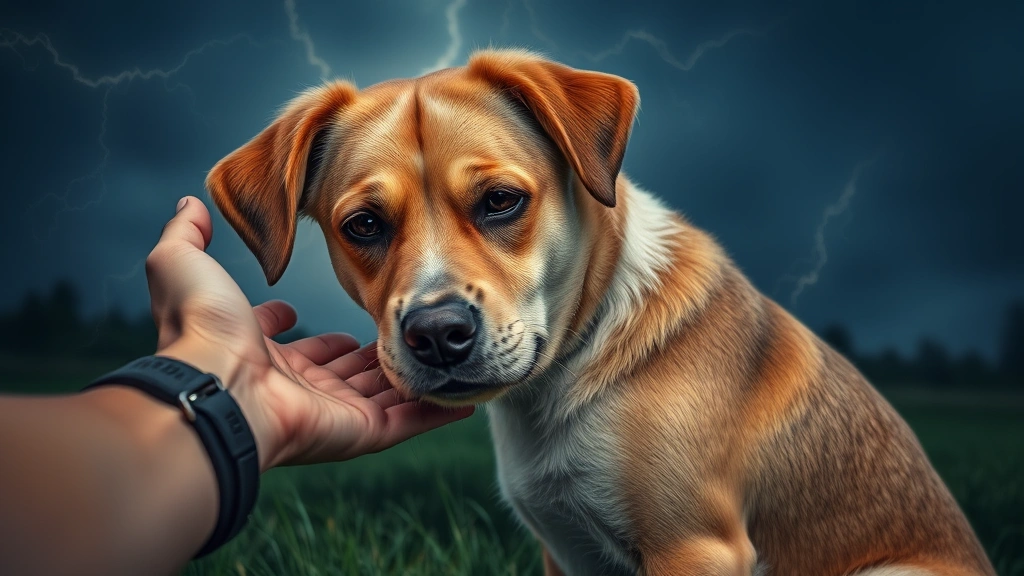
Your dog’s shaking might have nothing to do with temperature and everything to do with their emotional state. Thunderstorms, fireworks, vet visits, or even a new environment can trigger anxiety-related dog shivering. This is the pup equivalent of nervously tapping your foot before a big presentation.
Anxiety tremors often come with other telltale signs: panting, whining, pacing, or tucking their tail between their legs. Some dogs literally vibrate with nervous energy. The good news? There are plenty of ways to help. Create a safe space, use calming supplements, or talk to your vet about anxiety medications if it’s severe.
For stress management, consistent routines and positive reinforcement go a long way. And yes, sometimes your dog just needs a hug and reassurance that everything’s okay.
Cause #3: Pain, Illness, and Fever
This is where dog shivering gets serious. Shivering combined with lethargy, loss of appetite, vomiting, or diarrhea could indicate illness or infection. Dogs often shiver when they’re running a fever—their body is trying to reach a higher temperature set point, similar to how humans get chills when fighting a cold.
Conditions like arthritis, injury, or chronic pain can also cause trembling, especially in senior dogs. If your pup is limping, reluctant to move, or showing signs of discomfort, pain-related shivering might be the culprit. According to PetMD, persistent shivering accompanied by other symptoms warrants a veterinary visit.
Trust your gut here. If something feels off beyond just the shivering, schedule a vet appointment. Early detection of illness can make a huge difference in outcomes.
Cause #4: Toxin Exposure and Poisoning
One of the scarier causes of dog shivering is exposure to toxic substances. Certain foods, plants, medications, or chemicals can trigger tremors and shaking. Chocolate, xylitol, antifreeze, and some medications are common culprits that can cause serious reactions.
If your dog suddenly starts shivering after getting into something questionable, this is a veterinary emergency. Call your vet or poison control immediately. Other signs of toxin exposure include drooling, dilated pupils, muscle rigidity, or seizures.
Prevention is your best friend here. Keep dangerous substances out of reach, be cautious about Food Allergies in Pets, and know what plants in your home might be toxic to dogs.
Cause #5: Generalized Tremor Syndrome and Neurological Issues
Some dogs experience shivering without an obvious external cause. Generalized Tremor Syndrome (GTS) is a neurological condition that causes involuntary shaking, often in small breeds. It’s not life-threatening but does require veterinary diagnosis and management.
Other neurological issues like seizure disorders, vestibular disease, or neurological infections can also cause trembling. These conditions need professional evaluation and ongoing treatment. The American Kennel Club provides resources on breed-specific health conditions that might include tremor-related issues.
If your dog’s shivering seems random and unrelated to temperature or stress, a vet visit is essential to rule out neurological problems.
Quick Solutions: What You Can Do Right Now
So your dog is shivering—what’s your game plan? First, assess the situation. Is it cold outside? Is there a thunderstorm? Is your pup acting sick? The answers guide your response.
For cold-related shivering: Bring them inside, wrap them in a blanket, and offer warm (not hot) water. A dog sweater or coat helps prevent future episodes, especially for breeds prone to feeling chilly.
For anxiety-related trembling: Create a calm environment, use soothing tones, and consider calming supplements. Some dogs benefit from Can You Give Dogs Melatonin for stress-related shaking, but always check with your vet first.
For illness-related shivering: Monitor their temperature if possible, offer comfort, and schedule a vet visit. Don’t wait if they’re showing multiple symptoms.
For pain-related tremors: Limit activity, provide comfortable bedding, and discuss pain management options with your vet. Anti-inflammatory supplements and proper nutrition support recovery. Check out our guide on Anti-Inflammatory Foods for Pets for dietary support.
When to Call the Vet Immediately
Not all dog shivering requires emergency care, but some situations absolutely do. Call your vet right away if your dog is shivering AND showing any of these signs:
- Fever or abnormal temperature
- Vomiting or diarrhea
- Loss of appetite lasting more than a few hours
- Lethargy or inability to move
- Seizures or loss of consciousness
- Difficulty breathing
- Signs of poisoning (drooling, dilated pupils)
- Shivering that won’t stop despite warming
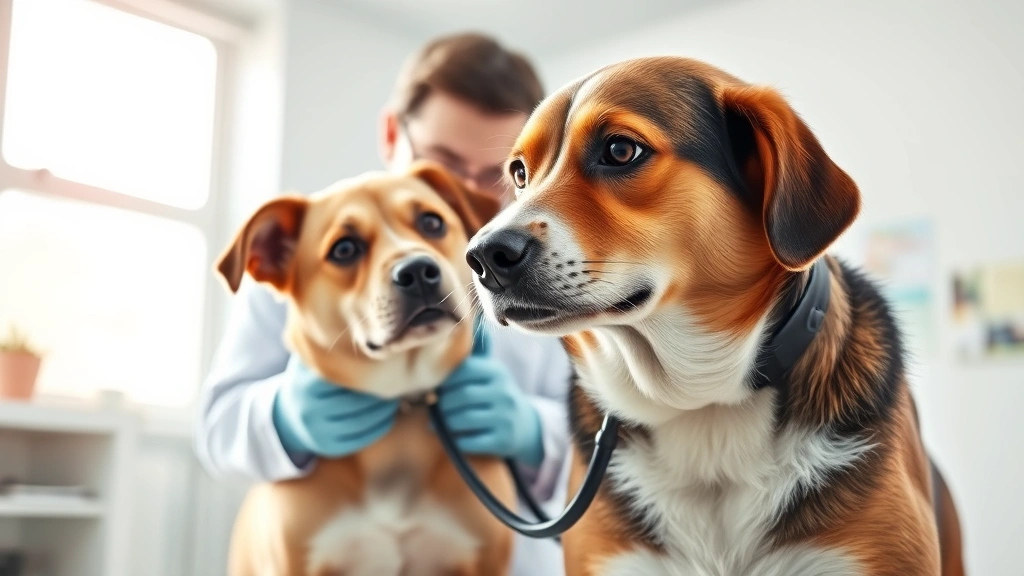
Your veterinarian can run tests, take a history, and determine the underlying cause. Better safe than sorry when it comes to your furry family member.
Supporting Your Dog’s Health Long-Term
Beyond addressing immediate shivering, supporting your dog’s overall health reduces the likelihood of tremor-related issues. Proper nutrition plays a huge role—a balanced diet supports immune function, joint health, and neurological function. Consider Immune Boosting Foods for Pets to keep their system strong.
Regular exercise, mental stimulation, and stress management all contribute to a healthier, less anxious pup. Senior dogs benefit from joint supplements and pain management strategies. Keep up with vet checkups so issues are caught early.
And yes, sometimes a cozy sweater and extra cuddles go a long way in preventing cold-related shivering and keeping your dog comfortable year-round.
Frequently Asked Questions
Is it normal for dogs to shiver?
Yes, shivering is normal in certain situations like cold weather or anxiety. However, persistent or unexplained shivering warrants a vet visit to rule out underlying health issues.
Can allergies cause dog shivering?
Allergies themselves don’t typically cause shivering, but the itching and discomfort from allergic reactions might lead to trembling. Severe allergic reactions can cause more serious symptoms including shaking.
How do I know if my dog’s shivering is serious?
Look for accompanying symptoms like fever, lethargy, vomiting, or behavioral changes. Shivering alone in a cold environment is usually harmless, but combined symptoms suggest a vet visit is needed.
Can stress cause my dog to shiver?
Absolutely. Anxiety and stress trigger trembling in dogs just like in humans. Identifying and reducing stressors, along with calming techniques, can help manage stress-related shivering.
What’s the difference between shivering and seizures?
Shivering is usually rhythmic muscle contractions that the dog can control. Seizures involve loss of consciousness, rigid muscles, and involuntary movements. If you suspect seizures, seek veterinary care immediately.
Summary: Understanding Your Dog’s Shivering
Dog shivering might seem like a small issue, but it’s your pup’s way of communicating something important. Whether it’s a simple response to cold weather, anxiety about a thunderstorm, or a sign of underlying illness, understanding the cause is the first step to helping your furry friend feel better.
The five main causes we covered—cold temperature, anxiety, illness, toxin exposure, and neurological issues—cover most scenarios you’ll encounter. By staying observant, knowing when to seek veterinary care, and supporting your dog’s overall health, you’ll be well-equipped to handle whatever makes your pup shake.
Remember, when in doubt, call your vet. They’re your best resource for diagnosing and treating your individual dog’s needs. And in the meantime, a warm blanket, some reassurance, and quality cuddle time never hurt anyone—furry or otherwise.





