
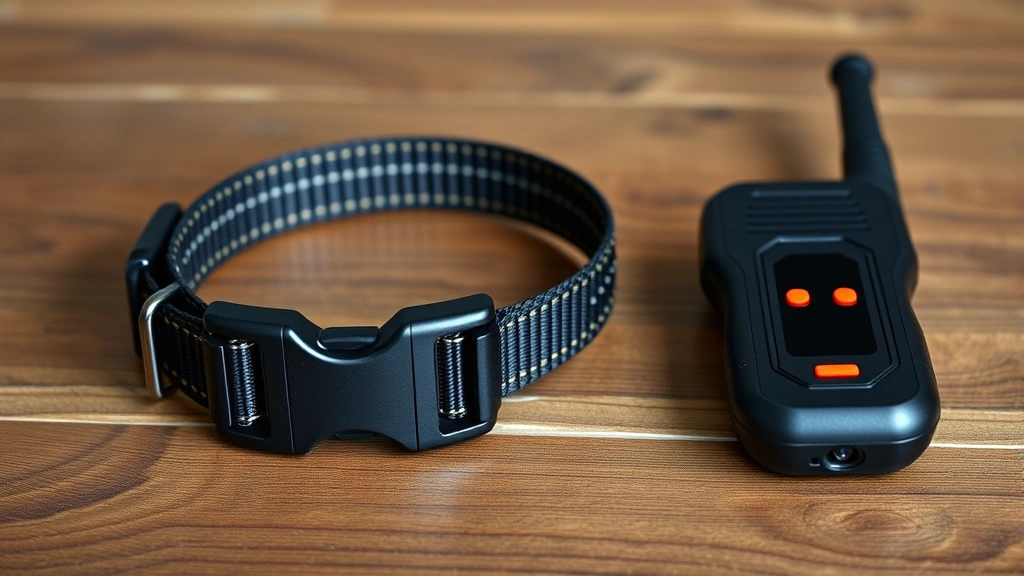
A dog shock collar with remote is one of the most debated training tools in the pet world, and honestly? That debate is totally justified. Whether you’re dealing with a stubborn escape artist, a reactive pup, or just need some distance training control, remote training collars have become a go-to solution for many dog owners. But here’s the thing—not all shock collars are created equal, and choosing the right one can make all the difference between effective training and a frustrated pup (and owner).
Table of Contents
- What Exactly Is a Remote Dog Training Collar?
- Understanding E-Collar Stimulation Levels
- Top 5 Dog Shock Collar with Remote Options for 2024
- Safety Considerations Before You Buy
- How to Choose the Right Collar for Your Dog
- Proper Training Technique with Remote Collars
- Common Mistakes Dog Owners Make
- Legal and Ethical Considerations
- Maintenance and Care of Your Remote Training Collar
- Alternatives to Consider
- Frequently Asked Questions
- Final Thoughts: Making the Right Choice
What Exactly Is a Remote Dog Training Collar?
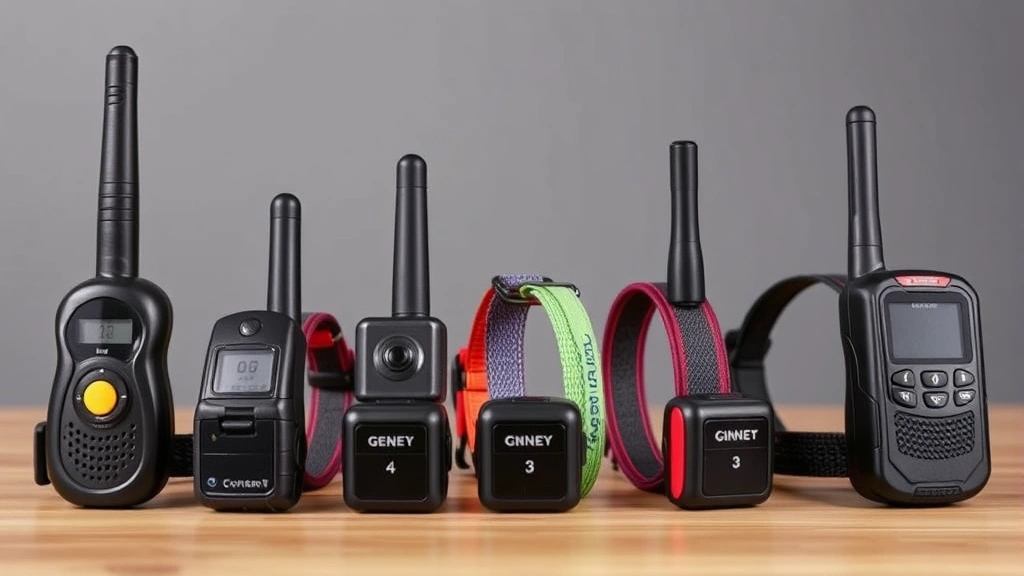
Let’s cut through the confusion right away. A dog shock collar with remote is a training device that delivers stimulation to your dog from a distance using a handheld transmitter. Modern versions offer multiple stimulation levels, vibration modes, and even sound-only options. Think of it as having a training tool that works whether your dog is 100 feet away or right next to you. The remote aspect is what makes these collars practical for real-world training scenarios where a leash just won’t cut it.
The stimulation itself ranges from mild (barely noticeable) to intense, and responsible training emphasizes starting at the lowest levels. It’s like the difference between a light tap and a firm nudge—context and intensity matter enormously.
Understanding E-Collar Stimulation Levels
Here’s where things get technical but important. Quality remote dog training collars offer adjustable stimulation levels, typically ranging from 1 to 100. Most reputable trainers recommend starting at level 1 and finding the lowest level where your dog actually notices the stimulation. This is called the “threshold level,” and it’s the sweet spot for effective training without unnecessary discomfort.
The best collars give you this granular control. Cheap knock-offs? They often come with just three settings, which is like trying to cook with only high heat. Not ideal. You’ll want a collar that lets you fine-tune the experience for your specific dog’s sensitivity level.
Top 5 Dog Shock Collar with Remote Options for 2024
1. SportDOG Brand FieldTrainer 425X
This is the heavy hitter in the remote training collar world. The FieldTrainer 425X offers 100 stimulation levels, a half-mile range, and waterproof construction that can handle whatever your pup throws at it. The collar is comfortable, the remote is intuitive, and it’s backed by SportDOG’s solid reputation. Price point is higher, but you’re paying for reliability and proven performance.
2. Garmin Alpha 100
If you’ve got a hunting dog or need serious range, the Garmin Alpha 100 is the Cadillac of remote training collars. GPS tracking combined with training capabilities means you know exactly where your dog is while you’re training. It’s pricey and honestly overkill for neighborhood training, but for serious off-leash work, it’s phenomenal.
3. PetSafe Yard & Park Remote Trainer
Looking for something more budget-friendly? The PetSafe option delivers solid functionality without breaking the bank. It offers 5 stimulation levels, 300-yard range, and is waterproof. It won’t give you the granular control of premium models, but it gets the job done for basic obedience reinforcement.
4. Educator ET 300 Remote Dog Trainer
The Educator is beloved by professional trainers for its dual-stim capability and 3/4-mile range. It’s durable, reliable, and offers 100 levels of stimulation. The build quality is exceptional, and many trainers swear by it for serious behavioral work.
5. Dogtra iQ Remote Training Collar
Dogtra’s iQ model combines ease of use with solid performance. The remote is smaller and more ergonomic than competitors, the collar is lightweight, and it offers 127 levels of stimulation. It’s particularly good for owners who find other remotes confusing or uncomfortable to hold during extended training sessions.
Safety Considerations Before You Buy
Before you invest in any remote dog training device, understand that these tools require knowledge and responsibility. A dog shock collar with remote is not a magic fix—it’s a training aid that amplifies your communication with your dog. Using it incorrectly can create anxiety, fear, or worse, behavioral problems.
The American Veterinary Society of Animal Behavior has stated that aversive training methods should only be used when positive reinforcement has been insufficient. This means you should genuinely exhaust positive training methods first. Also, consider consulting with a certified professional trainer before using any aversive device. Many trainers offer telehealth vet appointments where you can discuss training approaches with veterinary behaviorists.
How to Choose the Right Collar for Your Dog
Not every collar suits every dog. Consider these factors:
Size and Breed: Your dog’s neck size matters. A collar designed for a Golden Retriever won’t fit a Chihuahua properly. Check the sizing specifications carefully.
Sensitivity: Some dogs are naturally more sensitive to stimulation than others. Breeds with nervous temperaments may need collars with finer level control (100+ levels beats 5 levels).
Training Goals: Are you preventing your dog from running away? Stopping excessive barking? Reinforcing off-leash obedience? Different goals might benefit from different features. For instance, hunting dogs benefit from longer range, while neighborhood training needs shorter range.
Budget: Quality matters, but you don’t necessarily need the most expensive option. Mid-range collars from reputable brands often provide the best value.
You might also want to explore complementary training approaches. Many owners find that combining remote training with pet nutrition advice creates a more balanced training environment—a well-fed, healthy dog is generally more responsive to training.
Proper Training Technique with Remote Collars
Owning a dog shock collar with remote is one thing; using it correctly is another entirely. Here’s the general approach:
Step 1: Establish Baseline Understanding
Before introducing stimulation, teach your dog the command you want to reinforce using positive methods. Your dog should already understand “sit,” “come,” or whatever behavior you’re targeting.
Step 2: Find the Threshold Level
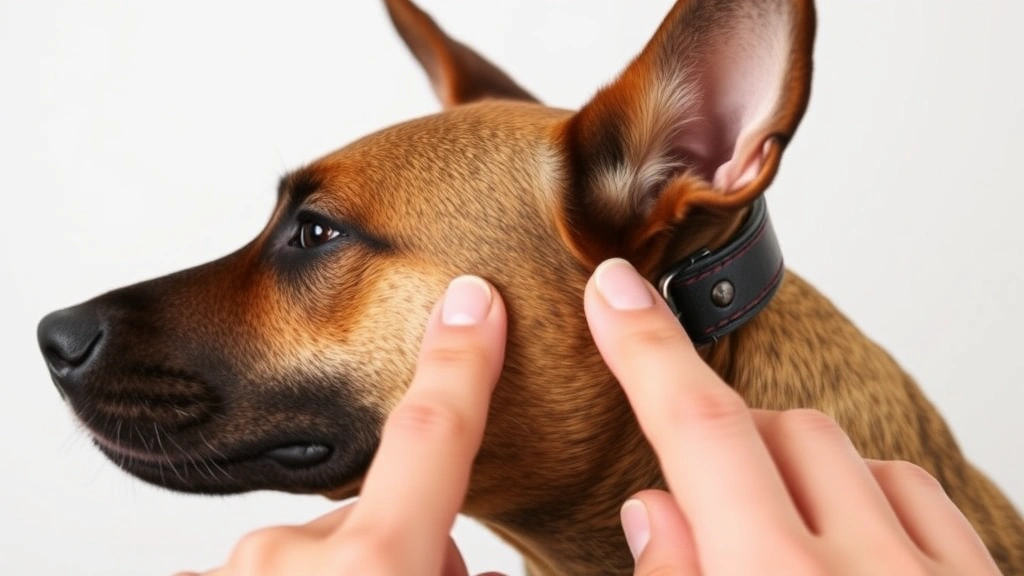
Start at level 1 and gradually increase until you see a noticeable response (ear twitch, slight head turn). That’s your baseline. You’ll use this level or slightly below for training.
Step 3: Pair Stimulation with Command
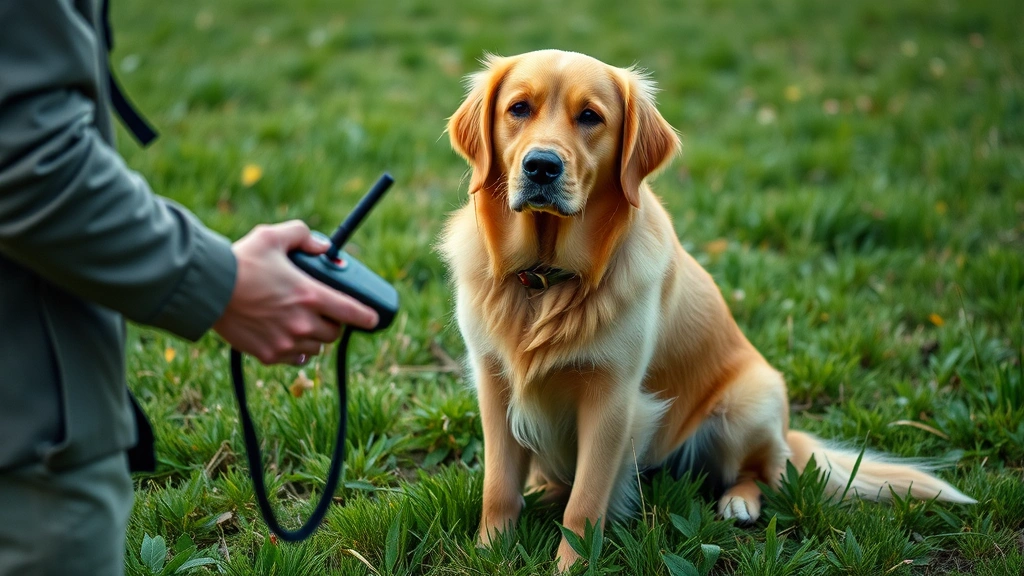
Give your command, then immediately deliver the stimulation at threshold level. The moment your dog responds correctly, stop the stimulation and reward heavily with treats, praise, or play.
Step 4: Gradually Reduce Dependence
Over time, your dog should respond to the command without needing stimulation. This is the goal—the collar becomes a backup, not the primary motivator.
Common Mistakes Dog Owners Make
Let’s be real about what NOT to do:
Using It as Punishment: Zapping your dog after the fact (“He ran away 10 minutes ago, now I’ll correct him”) creates confusion and fear, not learning.
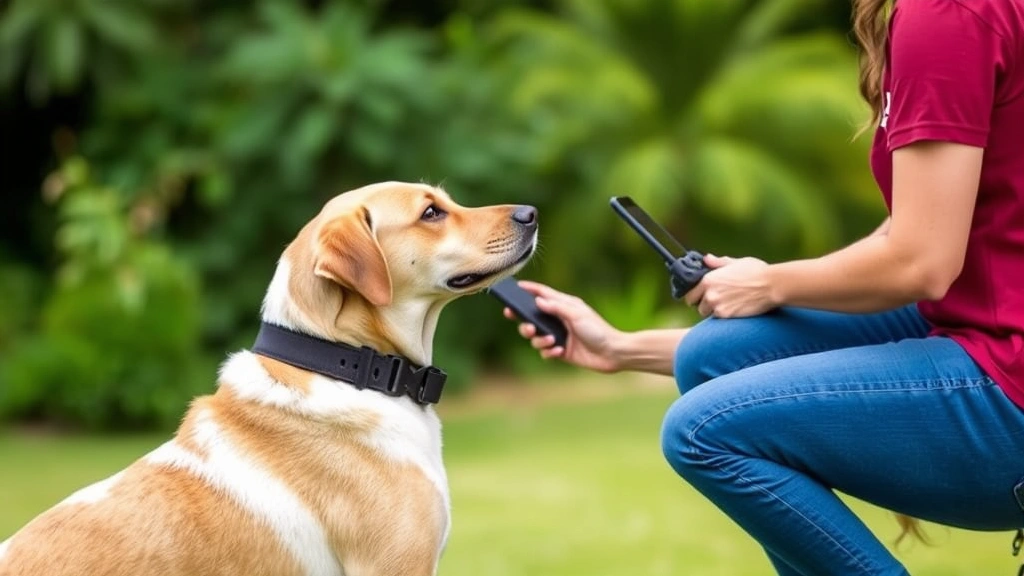
Cranking the Intensity: Just because your collar goes to 100 doesn’t mean your dog needs level 50. Most dogs respond to surprisingly low stimulation levels.
Skipping Professional Guidance: Consider working with a certified professional trainer, especially for behavioral issues. A virtual vet consultation for diet questions can also help if you suspect your dog’s behavior stems from nutritional or health issues.
Neglecting Positive Reinforcement: The best training combines remote collars with treats, praise, and play. It’s not either/or; it’s both/and.
Legal and Ethical Considerations
Here’s something crucial: some countries and states have restrictions on shock collars. The UK, for instance, has largely banned them. Before purchasing, check your local regulations. Additionally, some veterinary organizations recommend against aversive training methods, so understand the ethical landscape you’re operating in.
The consensus among modern animal behaviorists is that positive reinforcement should be your first tool, aversive tools your last resort. A dog shock collar with remote can be effective, but it should never be your only strategy.
Maintenance and Care of Your Remote Training Collar
Once you’ve invested in a quality collar, keep it in good shape:
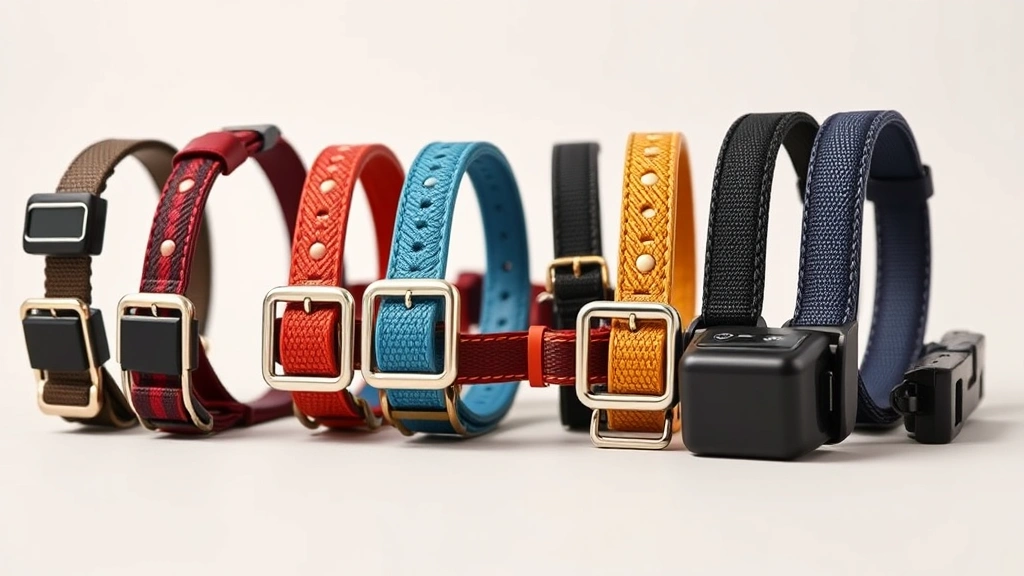
– Clean the collar regularly, especially the contact points that touch your dog’s skin
– Check the battery regularly and replace as needed (most collars use standard batteries)
– Store the remote in a safe place away from moisture and extreme temperatures
– Inspect the collar for wear and tear monthly
– Follow the manufacturer’s guidelines for charging (if applicable)
Proper maintenance extends the life of your equipment and ensures consistent performance during training.
Alternatives to Consider
Before committing to a remote training collar, explore these alternatives:
Positive Reinforcement Training: Treats, toys, and praise can solve most behavioral issues with patience and consistency.
Harnesses and Long Lines: For dogs prone to running, a properly fitted harness and 30-foot long line offers control without stimulation.
Professional Training Classes: Group classes or one-on-one training with certified trainers can be transformative.
Behavioral Medication: For anxious or reactive dogs, working with a veterinary behaviorist might involve medication alongside training.
Frequently Asked Questions
Are dog shock collars humane?
This is hotly debated. Modern e-collars with low stimulation levels are less harmful than older versions, but they’re still aversive tools. Many veterinary behaviorists consider them a last resort rather than a first choice. The key is using the lowest effective stimulation level and never using them as punishment. If you’re uncomfortable with any aversive tool, stick with positive reinforcement exclusively.
How far does a remote dog training collar work?
Range varies significantly. Budget models typically work 300-500 yards. Mid-range collars reach 1-3 miles. GPS-enabled collars like the Garmin Alpha 100 work at much greater distances. For most residential training, 300-500 yards is more than sufficient.
Can you use a shock collar on any dog breed?
Most dogs can wear a properly fitted collar, but some breeds are more sensitive than others. Toy breeds, sight hounds, and naturally anxious dogs may find even low stimulation distressing. Giant breeds might not notice low levels at all. Consult with a trainer familiar with your breed before purchasing.
Will a shock collar damage my dog’s neck or health?
When used correctly with proper fit and appropriate stimulation levels, modern collars shouldn’t cause physical damage. However, improper fit can cause irritation, and excessive stimulation can cause burns. Always follow manufacturer guidelines and monitor your dog’s skin regularly. If you notice redness or hair loss, stop using the collar immediately.
What’s the difference between a shock collar and a vibration collar?
Shock collars deliver electrical stimulation. Vibration collars use vibration to get your dog’s attention. Many modern collars offer both options plus sound-only modes. Some dogs respond better to vibration than stimulation, making these collars a gentler alternative worth trying first.
How long does training take with a remote collar?
Training timeline depends on your dog, the behavior you’re addressing, and your consistency. Some dogs show improvement in days; others take weeks or months. Remote collars don’t speed up learning so much as they extend your training range. You still need patience, consistency, and proper technique.
Final Thoughts: Making the Right Choice
A dog shock collar with remote can be an effective training tool when used responsibly by informed owners. The best models offer granular stimulation control, reliable range, and durable construction. SportDOG, Garmin, Educator, and Dogtra all produce quality options at various price points.
However—and this is important—these collars aren’t magic. They’re tools that require knowledge, responsibility, and ideally, professional guidance. Before buying, exhaust positive reinforcement options, understand your local laws, and honestly assess whether this tool aligns with your training philosophy.
If you do proceed, start with the lowest stimulation levels, pair them with positive reinforcement, and monitor your dog’s behavior for any signs of anxiety or fear. And remember, the goal isn’t to rely on the collar forever—it’s to teach your dog to respond to your commands reliably, with or without it.
Your dog depends on you to make informed, ethical choices about training methods. Take that responsibility seriously, and you’ll build a stronger, more trusting relationship with your pup regardless of which training tools you choose.





