
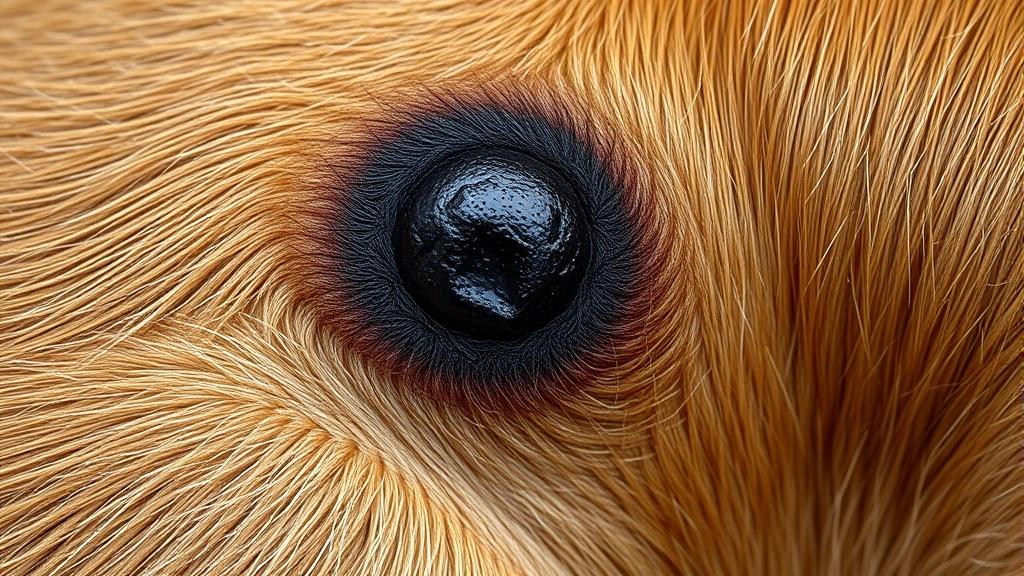
Dog skin cancer is one of the most common malignancies affecting our beloved canine companions, yet many pet owners don’t recognize the warning signs until the disease has progressed significantly. Early detection can dramatically improve treatment outcomes and quality of life for your dog. This comprehensive guide will help you understand what to look for and how to protect your furry friend from this serious health threat.
Understanding Dog Skin Cancer: Types and Risk Factors
Dog skin cancer encompasses several different types, with melanoma, mast cell tumors, and squamous cell carcinoma being the most prevalent. Melanoma in dogs is particularly aggressive and can spread rapidly to other organs if left untreated. Mast cell tumors vary widely in their behavior, ranging from benign to highly malignant depending on their grade.
Certain breeds are predisposed to developing skin cancer, including Schnauzers, Scottish Terriers, and Boxers. Additionally, dogs with lighter-colored coats, those with excessive sun exposure, and senior dogs face increased risk. Understanding these risk factors helps you stay vigilant about your pet’s skin health.
Sign #1: Unusual Lumps and Bumps on Your Dog’s Skin
The most obvious indicator of potential dog skin cancer is the appearance of new lumps, bumps, or nodules on your dog’s body. These growths may appear suddenly or develop gradually over weeks or months. Unlike benign fatty tumors (lipomas) that are typically soft and moveable, cancerous tumors often feel firm or fixed to the underlying tissue.
Perform monthly skin checks on your dog, running your hands over their entire body while they’re relaxed. Pay special attention to areas with less hair coverage, such as the belly, inner thighs, and between the toes. If you notice any new growths, schedule a veterinary appointment immediately. Early intervention can be lifesaving.
Sign #2: Changes in Existing Moles or Pigmented Areas
Dogs can develop moles and pigmented spots naturally, but changes to these existing markings warrant professional evaluation. Watch for alterations in size, shape, color, or texture of any dark spots on your dog’s skin. The ABCDE rule, commonly used for human melanoma detection, can be adapted for dogs:

- Asymmetry: One half doesn’t match the other
- Border: Irregular or poorly defined edges
- Color: Multiple colors or uneven pigmentation
- Diameter: Larger than a pencil eraser
- Evolving: Changes over time in any characteristic
These warning signs don’t guarantee cancer, but they do warrant professional assessment by your veterinarian.
Sign #3: Persistent Sores, Scabs, or Non-Healing Wounds
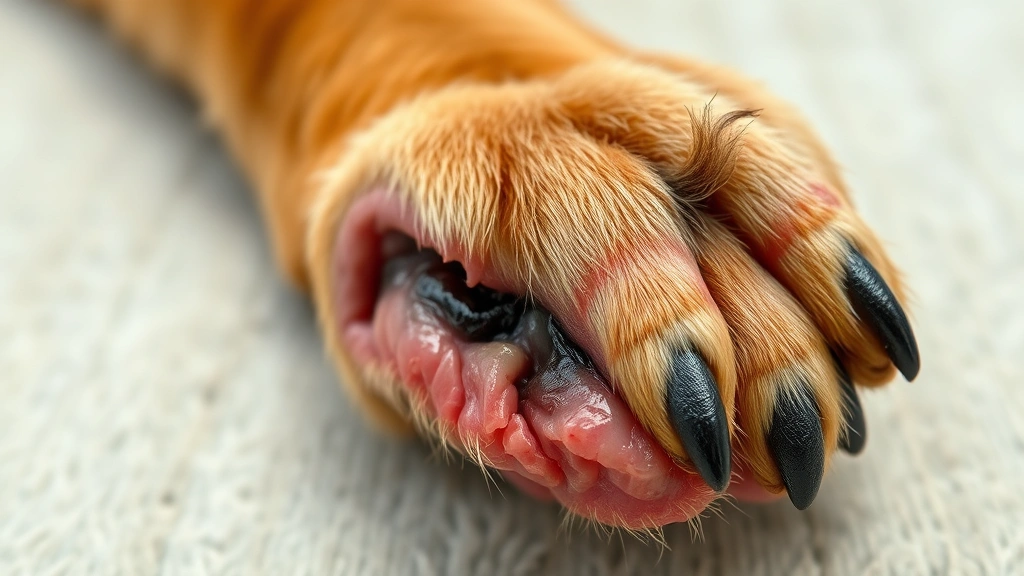
A sore or wound that doesn’t heal within two to three weeks may indicate underlying malignancy. Cancerous lesions often appear as open sores, bleeding areas, or crusty patches that resist normal healing. Unlike typical hot spots on dogs, which respond to topical treatment, cancerous sores typically worsen or persist despite home care.
Some malignant skin lesions ulcerate and may emit an unpleasant odor due to secondary bacterial infection. If your dog has a persistent wound or sore, avoid assuming it’s a minor injury. Veterinary examination can determine whether the lesion requires biopsy or other diagnostic testing.
Sign #4: Bleeding, Discharge, or Unusual Odor from Skin Lesions
Cancerous skin tumors are often fragile and prone to bleeding or oozing. You might notice blood stains on your dog’s bedding, fur, or clothing, particularly around areas where they’ve licked or scratched. Discharge from a skin lesion, especially if it’s bloody, purulent, or has an offensive odor, suggests a serious condition requiring immediate veterinary attention.
The foul smell sometimes associated with skin cancer results from tissue necrosis and secondary bacterial infection. Don’t delay seeking professional help if you notice these signs, as they often indicate advanced disease that needs prompt treatment.
Sign #5: Behavioral Changes Related to Skin Irritation
Sometimes behavioral changes are your first clue that something’s wrong with your dog’s skin. Excessive licking, scratching, or biting at a particular area can indicate pain or irritation from an underlying tumor. Dogs may become restless, anxious, or show signs of discomfort when affected areas are touched.
If your dog suddenly develops obsessive grooming habits focused on one location, investigate thoroughly. This behavior differs from typical itching associated with ringworm on dogs or canine eczema, as it’s usually localized to a specific lesion rather than generalized across multiple areas.
Diagnostic Methods: How Vets Confirm Dog Skin Cancer
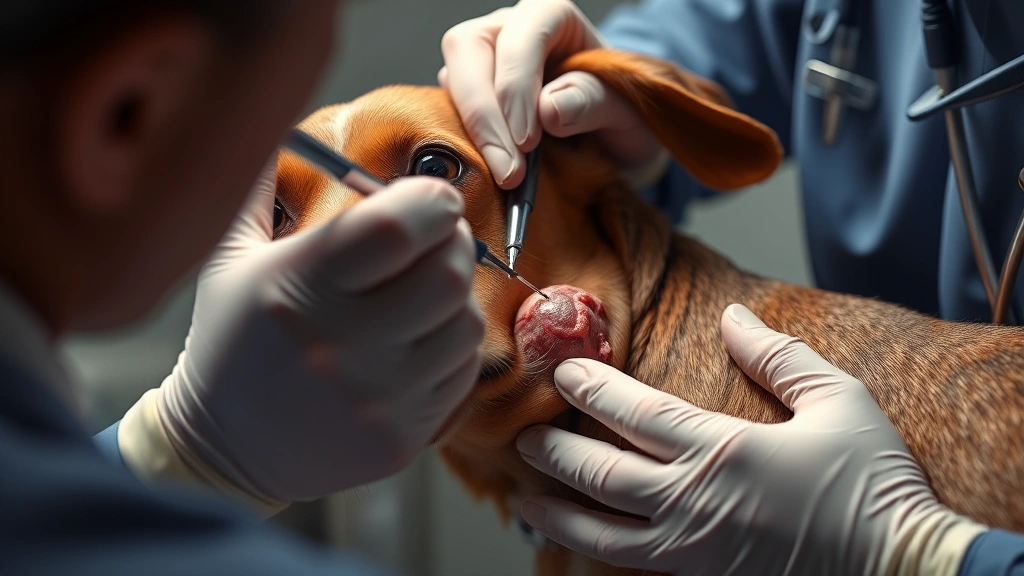
When you bring your dog to the veterinarian with suspected skin cancer, they’ll perform a thorough physical examination and may recommend diagnostic testing. The gold standard for diagnosis is a biopsy, where a small tissue sample is removed and examined under a microscope by a pathologist.
Your vet might also recommend fine needle aspiration, where cells are collected using a thin needle and analyzed. Imaging studies such as ultrasound or X-rays may be necessary to determine whether cancer has spread to other organs. Blood work can provide additional information about your dog’s overall health and organ function before treatment begins.
Early Detection Benefits and Treatment Options
The importance of early detection cannot be overstated. Dogs diagnosed with skin cancer in early stages have significantly better prognosis and more treatment options available. Early-stage tumors may be completely removed through surgical excision alone, potentially curing the cancer without requiring chemotherapy or radiation.

Treatment options vary depending on cancer type, stage, and location. Surgical removal remains the most common and often most effective treatment for localized skin cancers. Some cases benefit from chemotherapy, radiation therapy, or immunotherapy. Your veterinary oncologist will recommend the best approach based on your individual dog’s situation.
Prevention Strategies to Reduce Dog Skin Cancer Risk
While you cannot completely prevent dog skin cancer, several measures can reduce your pet’s risk. Limiting sun exposure, particularly during peak hours (10 AM to 4 PM), helps protect against UV-related skin damage. Consider using dog-safe sunscreen on exposed areas, particularly for light-colored dogs or those with thin coats.
Maintain a healthy diet rich in antioxidants, as nutrition plays an important role in immune function and cancer prevention. Regular exercise promotes overall health and helps maintain ideal body weight, which is associated with better health outcomes. Schedule annual veterinary check-ups, and discuss any skin concerns with your vet promptly.
When to Seek Immediate Veterinary Care
Contact your veterinarian immediately if you notice any of the five signs discussed in this article. Additionally, seek urgent care if your dog shows signs of systemic illness accompanying skin lesions, such as lethargy, loss of appetite, or difficulty moving. Don’t wait for symptoms to resolve on their own or assume a skin problem is minor.
Your veterinarian can distinguish between benign skin conditions and potentially serious diseases. Many skin issues respond well to treatment when caught early, making prompt evaluation essential for your dog’s health and longevity.
Frequently Asked Questions
What does dog skin cancer look like?
Dog skin cancer can appear as a new lump or bump, a change in an existing mole, a non-healing sore, or a bleeding or oozing lesion. Appearance varies depending on cancer type, but any unusual skin growth or persistent wound warrants veterinary evaluation.
How common is skin cancer in dogs?
Skin cancer is one of the most common cancers in dogs, accounting for approximately 20% of all canine malignancies. The incidence increases with age, making senior dogs particularly susceptible to developing skin tumors.
Can dog skin cancer be cured?
Many cases of dog skin cancer can be cured, especially when detected early and treated promptly. The prognosis depends on cancer type, stage at diagnosis, and treatment response. Early surgical removal often results in complete cure for localized tumors.
How often should I check my dog’s skin?
Perform a thorough skin check on your dog at least monthly, running your hands over their entire body to feel for lumps or bumps. During grooming and bathing are ideal times to visually inspect the skin. Senior dogs and those with risk factors should be checked more frequently.
Are certain dog breeds more prone to skin cancer?
Yes, some breeds have higher predisposition to skin cancer. Schnauzers, Scottish Terriers, Boxers, and Poodles are among the breeds with increased risk. Light-colored breeds and those with thin coats also face higher risk due to sun sensitivity.

What should I do if I find a suspicious skin growth on my dog?
Schedule a veterinary appointment as soon as possible. Avoid attempting to diagnose or treat the growth yourself. Your vet can perform appropriate diagnostic testing to determine whether the lesion is benign or malignant and recommend treatment if necessary.
Conclusion: Taking Action for Your Dog’s Health
Dog skin cancer is a serious condition that requires vigilance and prompt medical attention. By understanding the five proven ways to detect early signs—unusual lumps, changes in existing moles, persistent sores, bleeding or discharge, and behavioral changes—you empower yourself to protect your beloved companion. Monthly skin checks, awareness of risk factors, and immediate veterinary consultation when concerns arise can make the difference between early treatment and advanced disease.
Remember that many skin conditions are treatable when caught early, but delayed diagnosis often results in more aggressive treatment requirements and poorer outcomes. Trust your instincts as a pet owner; if something seems wrong with your dog’s skin, seek professional evaluation. Your veterinarian is your partner in keeping your dog healthy and cancer-free for years to come.
For additional information about skin health in dogs, explore our articles on proper ear cleaning and pain management options. Additionally, learn about safe products by reading our guide on eucalyptus oil safety for dogs.
External resources for further learning include the American Kennel Club, PetMD’s veterinary resources, and the Cornell University College of Veterinary Medicine.





