
If your dog sneezing a lot has become the soundtrack to your daily life, you’re not alone—and honestly, it’s probably not just your pup being dramatic. While the occasional achoo is totally normal (dogs sneeze just like we do), excessive sneezing can signal anything from seasonal allergies to something more serious lurking in those adorable nostrils.
Table of Contents
- 1. Allergies: The Sneeze Culprit Nobody Wants to Deal With
- 2. Nasal Mites and Parasites: The Unwelcome Guests
- 3. Foreign Objects: When Your Dog’s Nose Becomes a Storage Unit
- 4. Respiratory Infections: The Unwanted Viral or Bacterial Visitor
- 5. Dental Disease: Yes, Your Dog’s Teeth Can Make Them Sneeze
- When Sneezing Becomes an Emergency
- Seasonal vs. Year-Round Sneezing: What’s the Difference?
- Home Remedies and Prevention Strategies
- When to Call Your Vet vs. When to Panic
- The Bottom Line on Dog Sneezing
- Frequently Asked Questions
The good news? Most cases of dog sneezing are manageable once you figure out what’s triggering it. Let’s dive into the five most common culprits and what you can actually do about them.
1. Allergies: The Sneeze Culprit Nobody Wants to Deal With
Just like humans, dogs get allergies—and they’re one of the top reasons your pup won’t stop sneezing. Environmental allergies (pollen, dust, mold) are usually seasonal, while food allergies can happen year-round. If your dog sneezing a lot coincides with spring or fall, you’re probably dealing with environmental triggers.
The sneeze-and-itch combo is your biggest clue. Dogs with allergies often have itchy paws, red ears, and yes, constant sneezing. Food allergies in pets are trickier to diagnose because they can cause sneeze fits alongside skin issues and digestive problems.
Quick fix: Try an elimination diet if you suspect food allergies, keep your home dust-free, and talk to your vet about antihistamines or allergy medications designed for dogs.
2. Nasal Mites and Parasites: The Unwelcome Guests
Nasal mites sound like something from a horror movie, but they’re actually more common than you’d think—especially in dogs who spend time outdoors. These microscopic parasites set up shop in your dog’s nasal passages and cause constant sneezing, nasal discharge, and sometimes even reverse sneezing (that weird honking sound).
Unlike seasonal sneezing, mite-related sneezing is usually year-round and often accompanied by a thick nasal discharge that might be clear, white, or even bloody. If your dog’s sneezing fits are intense and unprovoked, mites could be the villain here.
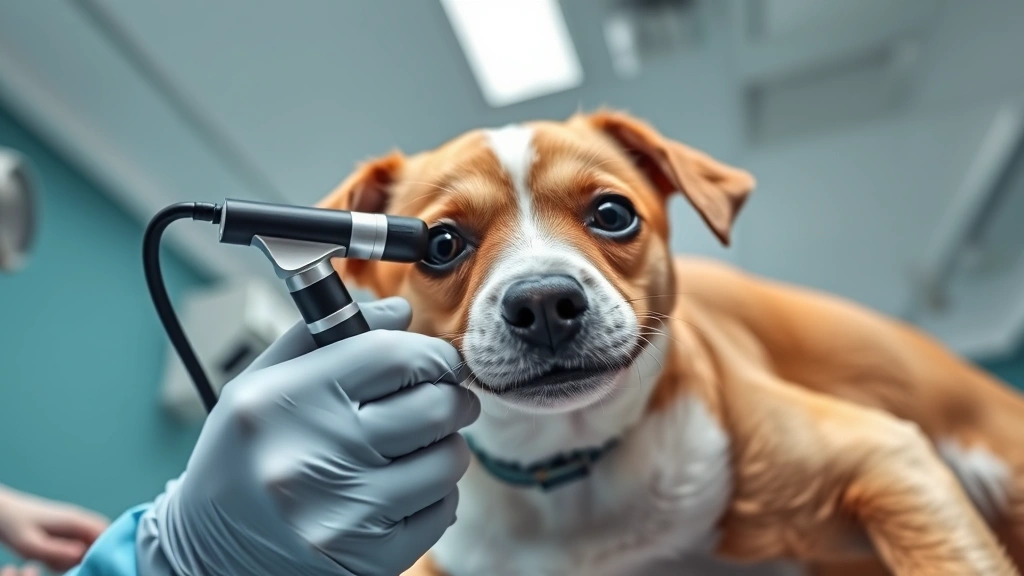
Quick fix: Your vet can diagnose this with a nasal swab or scope. Treatment typically involves antiparasitic medications, and the good news is they work quickly—usually within a few weeks.
3. Foreign Objects: When Your Dog’s Nose Becomes a Storage Unit
Dogs are curious creatures, and sometimes that curiosity lands them in trouble. A blade of grass, a foxtail, or even a small toy piece can get stuck in your dog’s nasal passage and trigger intense sneezing as their body tries to dislodge it. This usually happens suddenly and is often accompanied by pawing at the nose or head shaking.
If the sneezing started abruptly and is only on one side of the nose, a foreign object is your prime suspect. This is actually a legitimate emergency because if it goes deeper into the nasal passage, it can cause infection or breathing problems.
Quick fix: Don’t try to remove it yourself—call your vet immediately. They have the right tools and can safely extract whatever’s causing the problem.
4. Respiratory Infections: The Unwanted Viral or Bacterial Visitor
Kennel cough, canine influenza, and other respiratory infections are basically the dog version of the common cold, and they come with sneezing as a main event. If your pup has been around other dogs recently (dog park, groomer, boarding facility), a respiratory infection is worth considering.
Look for additional symptoms like coughing, lethargy, loss of appetite, or nasal discharge. Unlike allergies, these infections usually come on suddenly and your dog might seem generally unwell, not just sneezy.
Quick fix: Most respiratory infections are self-limiting and resolve on their own within 1-2 weeks with rest and supportive care. However, your vet might recommend antibiotics if it’s bacterial or antiviral treatments for severe cases. Pet telehealth services can help you get a quick diagnosis without leaving home.
5. Dental Disease: Yes, Your Dog’s Teeth Can Make Them Sneeze
Here’s a sneaky one that catches people off guard: dental disease. When a dog’s upper teeth (especially the molars) become infected or diseased, the infection can spread to the nasal passages above, causing sneeze fits. This is particularly common in small breeds with crowded teeth.
If the sneezing is paired with bad breath, drooling, or difficulty eating, dental disease is on the menu. Some dogs will also paw at their face or show signs of pain.
Quick fix: Regular dental checkups are your best defense. If your vet suspects dental disease, they might recommend a professional cleaning under anesthesia. It’s not fun, but it’s often the permanent solution to sneezing caused by tooth problems.
When Sneezing Becomes an Emergency
Most dog sneezing situations are manageable, but some warrant immediate veterinary attention. If your dog is sneezing blood, has severe nasal discharge, is struggling to breathe, or the sneezing is accompanied by fever and lethargy, don’t wait—get to a vet. Emergency vet for food poisoning clinics can also handle respiratory emergencies.
Seasonal vs. Year-Round Sneezing: What’s the Difference?
Seasonal sneezing that flares up in spring or fall usually points to environmental allergies. Your dog sneezing a lot during specific times of year is your body’s (and their body’s) way of saying pollen levels are high. Year-round sneezing, on the other hand, suggests food allergies, parasites, dental disease, or a chronic condition.
Keep a sneezing diary if you’re unsure—note when it happens, what your dog was doing, and any other symptoms. This info is gold for your vet.
Home Remedies and Prevention Strategies
While you’re figuring out the cause, there are some things you can do to ease your dog’s discomfort. Humidifiers help with dry nasal passages, and keeping your home clean reduces dust and mold. Some vets recommend saline nasal drops (dog-safe ones, obviously) to flush out irritants.

Anti-inflammatory foods for pets can also help if allergies are the culprit. Foods rich in omega-3s like fish and flaxseed have natural anti-inflammatory properties that might reduce sneezing episodes.
Regular grooming, keeping your dog away from smoke and strong perfumes, and maintaining a healthy immune system through good nutrition all help prevent sneezing triggers. Online vet advice for food reactions can provide personalized dietary recommendations.
When to Call Your Vet vs. When to Panic
A few sneezes here and there? Normal. Sneezing fits that last hours, sneezing with discharge, or sneezing that comes with other symptoms? Time to call. Your vet can run simple tests like nasal swabs, imaging, or allergy panels to pinpoint the problem. Don’t feel like you’re overreacting—sneezing that bothers you enough to research it is worth a professional opinion.
The Bottom Line on Dog Sneezing
Your dog sneezing a lot is frustrating, but it’s rarely a sign of something catastrophic. In most cases, it’s allergies, a minor infection, or something equally manageable. The key is paying attention to patterns, noting other symptoms, and getting your vet involved when the sneezing seems excessive or unusual.
Keep your pup’s environment clean, their teeth healthy, their diet balanced, and their immune system strong. Most sneezing issues resolve with proper diagnosis and treatment. And if nothing else, at least you’ve got some adorable video material of those tiny sneezes for the group chat.
Frequently Asked Questions
Is it normal for dogs to sneeze a lot?
An occasional sneeze or two is totally normal—dogs sneeze for the same reasons we do. However, if your dog is sneezing multiple times in a row or doing it frequently throughout the day, that’s worth investigating. It usually indicates allergies, irritation, or an underlying issue that needs attention.
How do I know if my dog’s sneezing is serious?
Watch for red flags like sneezing with blood or pus, difficulty breathing, fever, lethargy, or sneezing that’s gotten progressively worse. If your dog seems unwell beyond just sneezing, or if the sneezing is interfering with their eating or sleep, contact your vet. Pet Poison Hotline resources can also help if you suspect toxic exposure is causing sneezing.
Can I treat my dog’s sneezing at home?
For mild cases, yes—humidifiers, keeping your home clean, and avoiding irritants can help. However, if sneezing persists beyond a few days or is accompanied by other symptoms, professional diagnosis is necessary. Home remedies are great for comfort but not a substitute for vet care when something’s actually wrong.
Why is my dog sneezing but acting normal?
If your dog is sneezing but otherwise acting like their normal self, it’s usually mild allergies or environmental irritation. These cases are generally low-risk and often resolve on their own. Still, if it continues for more than a week, mention it at your next vet visit.
Can dog sneezing be a sign of COVID-19?
Dogs can contract SARS-CoV-2 (the virus behind COVID-19), but sneezing is not a typical symptom in dogs. They’re more likely to show respiratory symptoms like coughing or nasal discharge. If you’re concerned about viral transmission, focus on general hygiene practices rather than sneezing specifically.





