
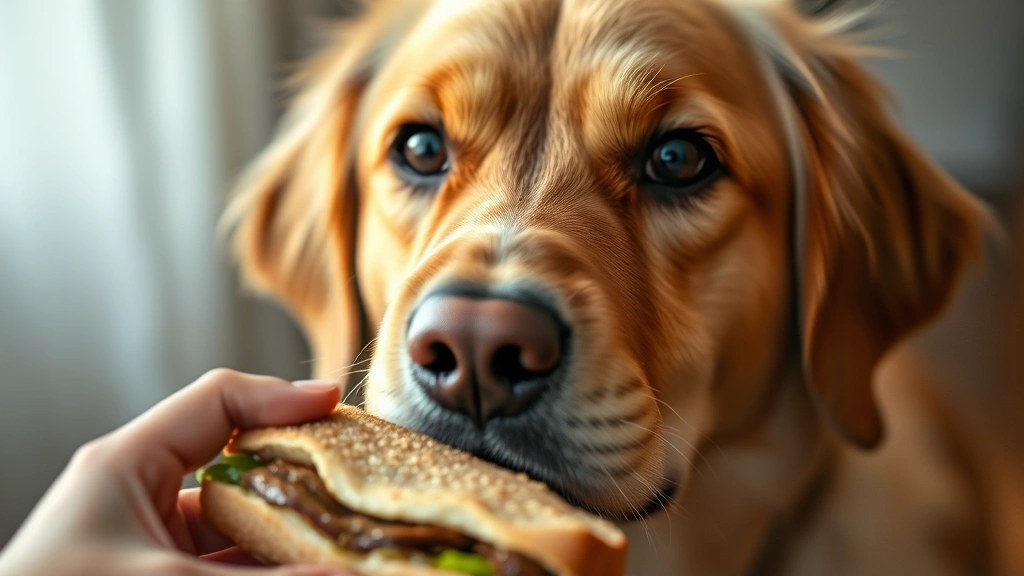
The dog stare meme has taken over the internet, and honestly, if you own a dog, you’ve probably experienced this hilarious phenomenon firsthand. You know the look—that intense, unwavering stare your pup gives you when you’re eating a sandwich, working at your desk, or just existing in general. But here’s the thing: that goofy expression isn’t just for social media gold. There’s actually real science and psychology behind why your furry friend won’t stop boring holes into your soul with their eyes.
Table of Contents
- The Anatomy of the Dog Stare: Understanding Canine Eye Contact
- Reason #1: They Want Your Food (The Classic Stare)
- Reason #2: Seeking Attention and Affection
- Reason #3: Confusion or Trying to Understand Commands
- Reason #4: Medical or Behavioral Concerns Worth Noting
- Reason #5: Asserting Dominance or Showing Aggression
- The Science Behind Those Puppy Dog Eyes
- How to Respond to Your Dog’s Stare
- Why the Dog Stare Meme Went Viral
- Different Dog Breeds and Their Staring Styles
- Frequently Asked Questions
- Conclusion: Understanding Your Dog’s Stare
The Anatomy of the Dog Stare: Understanding Canine Eye Contact
Before we dive into why dogs stare, let’s talk about what’s actually happening. Dogs use their eyes to communicate in ways that would make any meme creator jealous. When your pup locks eyes with you, they’re not just being creepy (though it definitely feels that way sometimes). They’re engaging in a complex form of nonverbal communication that goes back thousands of years to their wolf ancestors. The intensity of the stare can vary—sometimes it’s a soft, loving gaze, and other times it’s the kind of laser-focused attention that makes you wonder if they’re plotting something.
Reason #1: They Want Your Food (The Classic Stare)
Let’s be honest—this is probably the most common reason for the dog stare meme phenomenon. Your dog sits there, completely motionless except for their eyes, which never leave your plate. This is what behaviorists call “food-motivated staring,” and it’s absolutely intentional. Dogs have learned that intense eye contact sometimes results in dropped food or sympathetic humans breaking down and sharing their meal. It’s manipulation at its finest, wrapped up in an adorable package with floppy ears.
This behavior is so prevalent that it’s spawned countless memes of dogs with the most pathetic, guilt-inducing expressions imaginable. The truth is, your dog has figured out that staring works. If it worked even once, they’ll keep trying. It’s basic operant conditioning, and your pup is a master at it.
Reason #2: Seeking Attention and Affection
Sometimes your dog’s stare isn’t about food—it’s about you. Dogs are pack animals, and they crave interaction with their humans. When your dog stares at you with soft, relaxed eyes (not the intense food-begging stare), they’re often trying to tell you they want attention. They might want to go for a walk, play fetch, or just hang out together on the couch. It’s their way of saying, “Hey, remember me? I exist, and I’d really like some quality time.”
Research from the American Kennel Club shows that dogs actually experience a release of oxytocin (the “love hormone”) when they gaze at their owners, the same chemical that bonds mothers and babies. So when your dog stares at you with those puppy dog eyes, they’re literally experiencing a flood of love chemicals. That’s not manipulation—that’s genuine affection.
Reason #3: Confusion or Trying to Understand Commands
Have you ever given your dog a command and they just… stare? Like they’re trying to decode what you’re saying? That’s another classic dog stare meme moment. Dogs are intelligent creatures, but they don’t always understand human language. When they’re confused or concentrating hard on figuring out what you want, they’ll often fix you with an intense stare as they process the information.
This is especially common when you’re teaching a new command or when you speak in a tone they don’t recognize. The stare is their way of saying, “I’m listening, but I have absolutely no idea what you’re talking about.” It’s endearing and hilarious in equal measure, which is why it makes for such perfect meme material.
Reason #4: Medical or Behavioral Concerns Worth Noting
While most dog staring is harmless and hilarious, sometimes excessive staring can indicate a problem. If your dog is staring at walls, into space, or exhibiting repetitive staring behavior without any obvious trigger, it might be worth a vet visit. Conditions like canine cognitive dysfunction, neurological issues, or even seizure disorders can manifest as unusual staring patterns.
Additionally, some dogs develop compulsive staring behaviors due to anxiety or obsessive-compulsive tendencies. According to PetMD, if your dog’s staring is accompanied by other behavioral changes, excessive drooling, or seems obsessive, you should consult with your veterinarian. It’s always better to rule out health issues before assuming your pup is just being a goofball.
Reason #5: Asserting Dominance or Showing Aggression
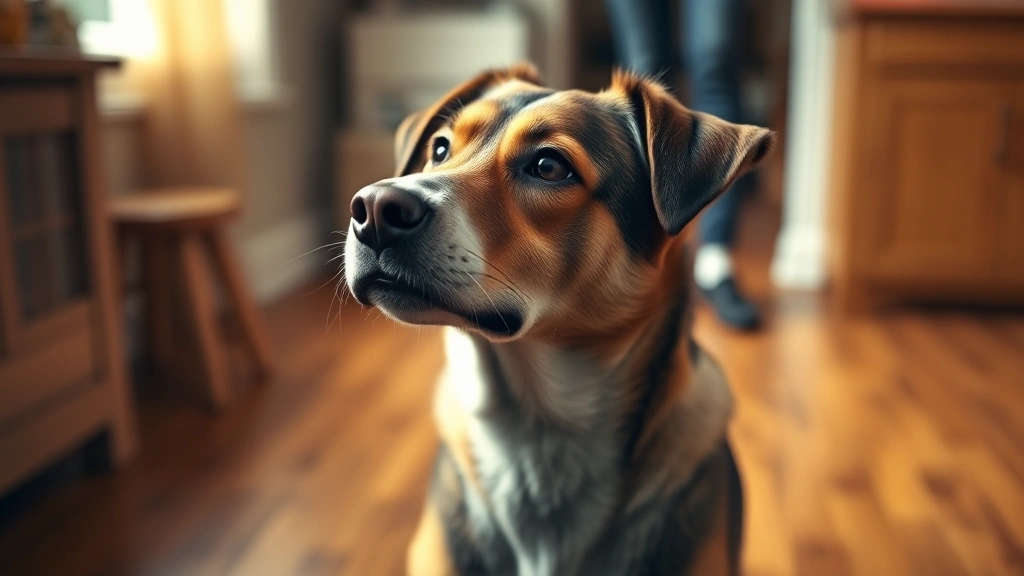
Here’s where the dog stare meme takes a serious turn. While most dog stares are innocent or even affectionate, a hard, unwavering stare with stiff body language can sometimes indicate dominance or aggression. This is different from the soft, loving gaze or the silly food-begging stare. A dominant stare is intense, unblinking, and often accompanied by raised hackles, a stiff posture, or a tense face.
If your dog is giving this type of stare, especially to other dogs or unfamiliar people, it’s important to address it immediately. This behavior can escalate and lead to conflict. Training and proper socialization can help redirect this behavior. If you’re unsure whether your dog’s stare is friendly or aggressive, consult with a certified dog trainer or behaviorist.
The Science Behind Those Puppy Dog Eyes
Scientists have actually studied the dog stare phenomenon extensively. Research shows that dogs have evolved to use eye contact as a communication tool, and they’re remarkably good at it. Studies published in peer-reviewed journals have found that prolonged eye contact between dogs and humans increases oxytocin levels in both species, strengthening the bond between them.
Interestingly, wolves (the ancestors of dogs) actually avoid direct eye contact, viewing it as a threat. But through domestication, dogs learned that staring at humans often results in positive outcomes—food, attention, affection. This is an example of how thousands of years of living alongside humans has shaped dog behavior at a fundamental level.
How to Respond to Your Dog’s Stare
So what should you do when your dog is giving you that intense stare? It depends on the context. If it’s the food-begging stare, you can either give in (though trainers don’t recommend it) or redirect their attention with a toy or command. If it’s an attention-seeking stare, engage with your pup—go for a walk, play, or cuddle. If it’s a confused stare during training, break down your command into simpler steps and try again.
The key is understanding what your dog is trying to communicate. Most of the time, the dog stare meme is just your pup trying to connect with you in the most effective way they’ve learned. It’s actually kind of sweet when you think about it, even if it does look ridiculous.
Why the Dog Stare Meme Went Viral
The reason the dog stare meme exploded on the internet is simple: it’s universally relatable. Every dog owner has experienced that moment where their pup stares at them with an expression that seems almost human. Whether it’s the guilt-inducing food stare, the confused “what are you saying” look, or the creepy “I’m judging you” expression, these moments are comedy gold.
Memes featuring dogs with various staring expressions have become a staple of internet culture. They’re used to express everything from hunger to judgment to unconditional love. The fact that dogs naturally make these expressions makes them perfect for meme formats, and the humor resonates across cultures and dog breeds.
Different Dog Breeds and Their Staring Styles
Interestingly, different dog breeds have different staring tendencies. Some breeds, like certain breeds known by cool dog names, are naturally more intense starers than others. Herding breeds, for example, often have a more intense, focused stare because they were bred to maintain eye contact with livestock. Toy breeds might have a softer, more pleading stare because they’ve been bred as companion animals.
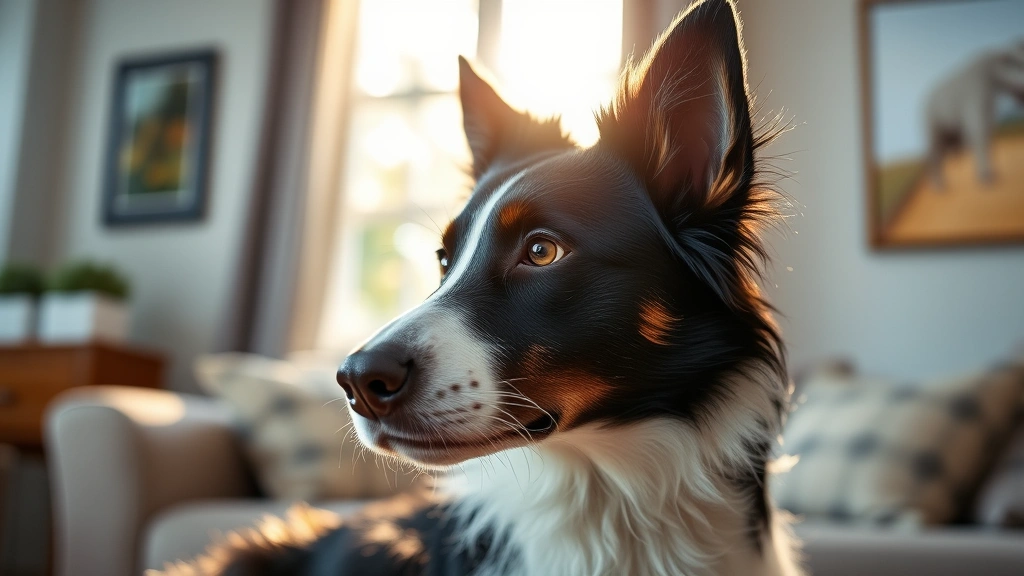
Understanding your specific breed’s natural staring tendencies can help you better interpret what your dog is trying to communicate. It’s one more layer to the fascinating world of canine behavior and communication.
Frequently Asked Questions
Why does my dog stare at me constantly?
Constant staring usually indicates one of several things: your dog wants something (food, attention, a walk), they’re trying to understand you, or they’re bonding with you through oxytocin release. If the staring is obsessive or accompanied by other behavioral changes, consult your vet to rule out medical issues.
Is it bad if my dog stares at me?
Not at all! Most dog staring is harmless and even indicates affection. The only time staring becomes concerning is if it’s accompanied by aggressive body language (stiff posture, raised hackles, bared teeth) or if it’s obsessive and repetitive without any clear trigger.
How do I stop my dog from staring at me while I eat?
The best approach is to ignore the stare and not reward it with food or attention. You can also redirect their attention with a toy, a puzzle feeder, or by having them stay in another room during meals. Consistency is key—if you give in even occasionally, you’re reinforcing the behavior.
Do all dogs stare, or is it breed-specific?
Most dogs stare to some degree, but the intensity and frequency vary by breed and individual personality. Herding breeds tend to be more intense starers due to their breeding history, while some breeds are naturally more aloof. However, every dog has their own unique staring style.
What does it mean when a dog stares without blinking?
Dogs don’t blink as frequently as humans, so an unblinking stare isn’t necessarily unusual. However, if it’s combined with other behavioral changes or seems obsessive, it could indicate a health issue or behavioral concern worth investigating with a veterinarian.
Conclusion: Understanding Your Dog’s Stare
The dog stare meme phenomenon is more than just internet humor—it’s a window into how dogs communicate with us. Whether your pup is begging for food, seeking attention, trying to understand a command, or expressing love, that intense stare is their way of connecting with you. Most of the time, it’s harmless, adorable, and absolutely hilarious.
Understanding the reasons behind your dog’s stare can help you respond appropriately and strengthen your bond with your furry friend. Just remember that while most dog stares are innocent and sweet, it’s always important to pay attention to body language and context. If something seems off or concerning, don’t hesitate to consult with a veterinarian or professional dog trainer.
So the next time your dog locks eyes with you from across the room, remember: they’re not trying to be creepy. They’re just being a dog, and honestly, that’s what makes them so perfect. Now if you’ll excuse me, my dog is giving me that food stare, and I think I’m about to lose another piece of my sandwich.





