
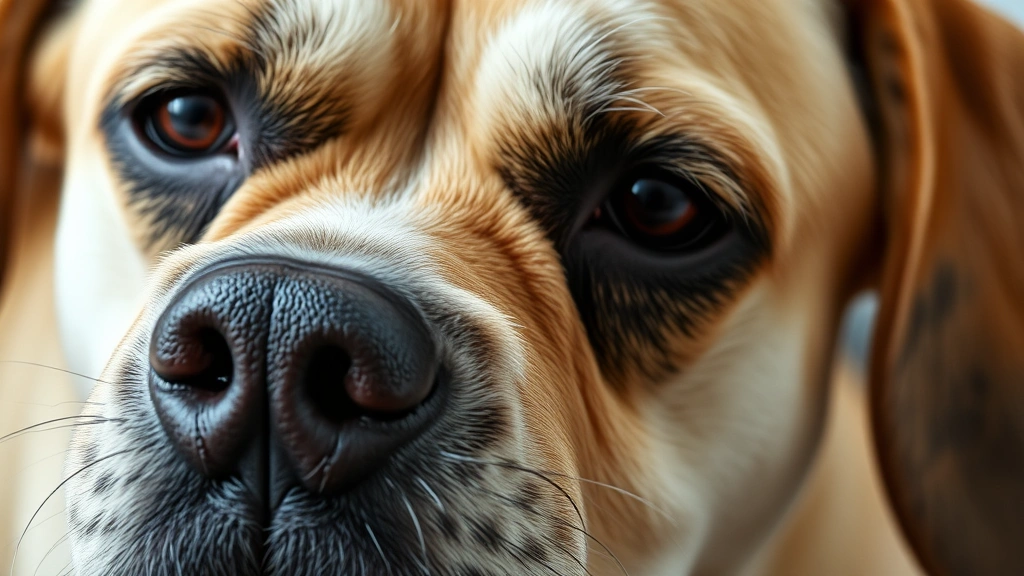
If your dog suddenly starts acting weird—like tilting their head at an odd angle, stumbling around like they’ve had one too many treats, or losing control of their face—you might be witnessing dog stroke symptoms. Yeah, dogs can have strokes just like humans, and knowing what to look for could literally save your furry best friend’s life. Let’s talk about what a canine stroke actually is, why it happens, and most importantly, what warning signs should send you sprinting to the vet.
Table of Contents
- What Exactly Is a Dog Stroke?
- Warning Sign #1: Sudden Loss of Balance and Coordination
- Warning Sign #2: Facial Drooping and Mouth Deviation
- Warning Sign #3: Behavioral Changes and Confusion
- Warning Sign #4: Seizures and Involuntary Movements
- Warning Sign #5: Inability to Move or Partial Paralysis
- Risk Factors: Which Dogs Are Most Vulnerable?
- Immediate Actions: What to Do If You Suspect a Stroke
- Diagnosis and What Vets Look For
- Recovery and Long-Term Management
- Prevention: Lowering Your Dog’s Stroke Risk
- When to Call Your Vet: The Bottom Line
- Frequently Asked Questions
- Summary: Know the Signs, Act Fast
What Exactly Is a Dog Stroke?
A stroke happens when blood flow to the brain gets cut off or severely reduced. Think of it like a traffic jam in your dog’s brain—the cells aren’t getting the oxygen they need, and things start going haywire pretty fast. There are two types: ischemic strokes (blocked blood vessels) and hemorrhagic strokes (bleeding in the brain). Both are serious, and both can cause sudden neurological problems. The scary part? Sometimes you won’t see it coming, but other times there are warning signs if you know what to watch for.
Warning Sign #1: Sudden Loss of Balance and Coordination
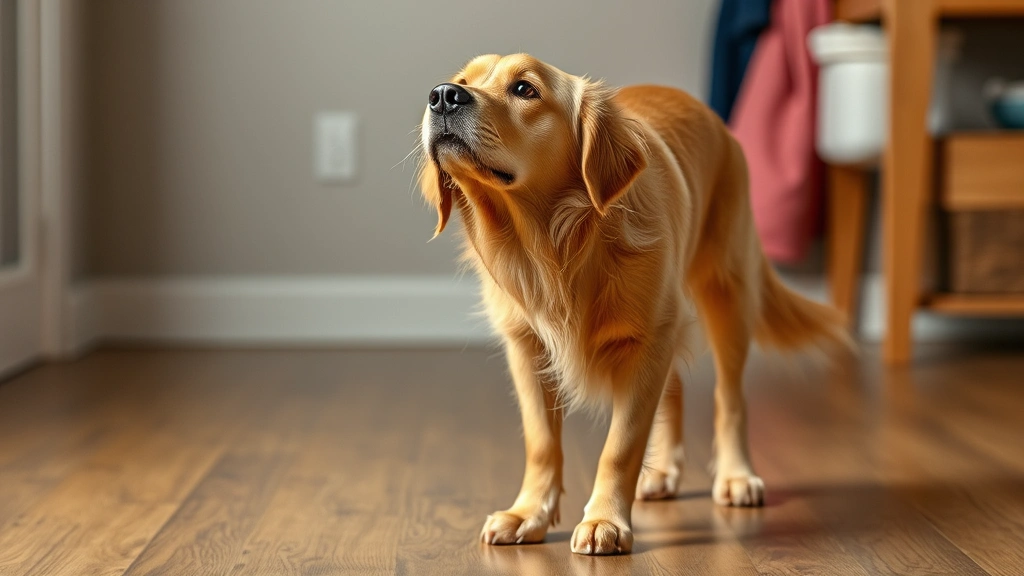
One of the most obvious dog stroke symptoms is when your pup suddenly can’t walk straight. You know how your dog normally prances around like they own the place? Well, after a stroke, they might look like they’re trying to navigate a fun house mirror. They could be leaning to one side, circling in one direction repeatedly, or just plain stumbling over their own feet. This happens because the stroke affects the parts of the brain responsible for balance and movement. If your dog is acting like they’re drunk but you know they haven’t gotten into anything they shouldn’t have, get them to a vet immediately. Time is literally brain tissue in stroke situations.
Warning Sign #2: Facial Drooping and Mouth Deviation
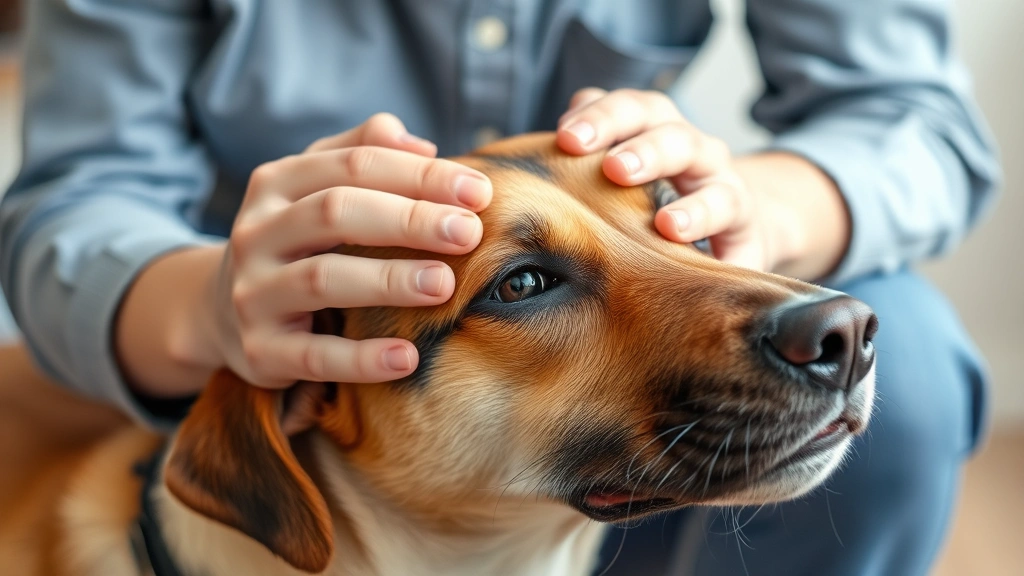
Here’s something that catches a lot of owners off guard: facial drooping. After a stroke, one side of your dog’s face might droop or sag, kind of like they’re perpetually mid-yawn on one side. Their mouth might hang open unevenly, or they might have trouble eating or drinking. Some dogs will have their tongue hanging out at a weird angle. This happens because the stroke damages the nerves controlling facial muscles. It’s one of those signs that’s hard to miss once you know about it, but easy to overlook if you’re not expecting it. Pay close attention to your dog’s face—it’s one of the clearest windows into what’s happening in their brain.
Warning Sign #3: Behavioral Changes and Confusion
Dogs having strokes often act genuinely confused or disoriented. Your normally sharp pup might stare blankly at walls, seem not to recognize you, or act anxious and agitated. Some dogs will pace back and forth or seem unable to settle down. Others might become unusually aggressive or withdrawn. These behavioral changes happen because the stroke is affecting the parts of the brain that control consciousness, awareness, and emotional responses. If your dog suddenly seems “off” mentally—like they’re not quite themselves—that’s worth investigating. This is especially important if these changes happen suddenly rather than gradually over weeks or months.

Warning Sign #4: Seizures and Involuntary Movements
Some dogs experience seizures after a stroke, which is absolutely terrifying to watch. You might see your dog’s body convulsing, paddling their legs, or losing consciousness. Even if it’s not a full-blown seizure, you might notice twitching, jerking movements, or tremors that weren’t there before. These involuntary movements happen because the stroke has disrupted normal electrical activity in the brain. If your dog has a seizure, time how long it lasts and note what happened—this information will be gold for your vet. And obviously, get them medical attention ASAP.
Warning Sign #5: Inability to Move or Partial Paralysis
In some cases, a stroke will cause partial or complete paralysis on one side of your dog’s body. You might notice they can’t move their back legs, or that one side of their body seems completely unresponsive. Some dogs will drag their back legs or be unable to stand up at all. This is one of the more severe presentations of a canine stroke, but it’s also one of the clearest signals that something neurological is seriously wrong. If your dog suddenly can’t move normally, don’t wait around—this is a medical emergency.
Risk Factors: Which Dogs Are Most Vulnerable?
Certain dogs are at higher risk for strokes. Senior dogs (over 7-8 years old) are more susceptible, as are dogs with underlying health conditions like high blood pressure, heart disease, kidney disease, or Cushing’s syndrome. Obese dogs have increased stroke risk, which is why maintaining a healthy weight matters so much. Dogs with certain breeds predispositions (like Cavalier King Charles Spaniels with heart issues) need extra monitoring. If your dog falls into any of these categories, it’s worth discussing stroke prevention with your vet. You might consider anti-inflammatory foods for pets as part of a preventative health strategy.
Immediate Actions: What to Do If You Suspect a Stroke
If you think your dog is having a stroke, here’s your action plan: First, stay calm (easier said than done, I know). Second, get your dog to a veterinary emergency clinic immediately—don’t wait for a regular appointment. Call ahead if you can so they’re expecting you. During transport, keep your dog as still and comfortable as possible. Don’t try to give them food or water in case they have trouble swallowing. The vet will likely do a CT or MRI scan to confirm the stroke and rule out other conditions. Early treatment can make a huge difference in recovery outcomes, so speed matters here.

Diagnosis and What Vets Look For
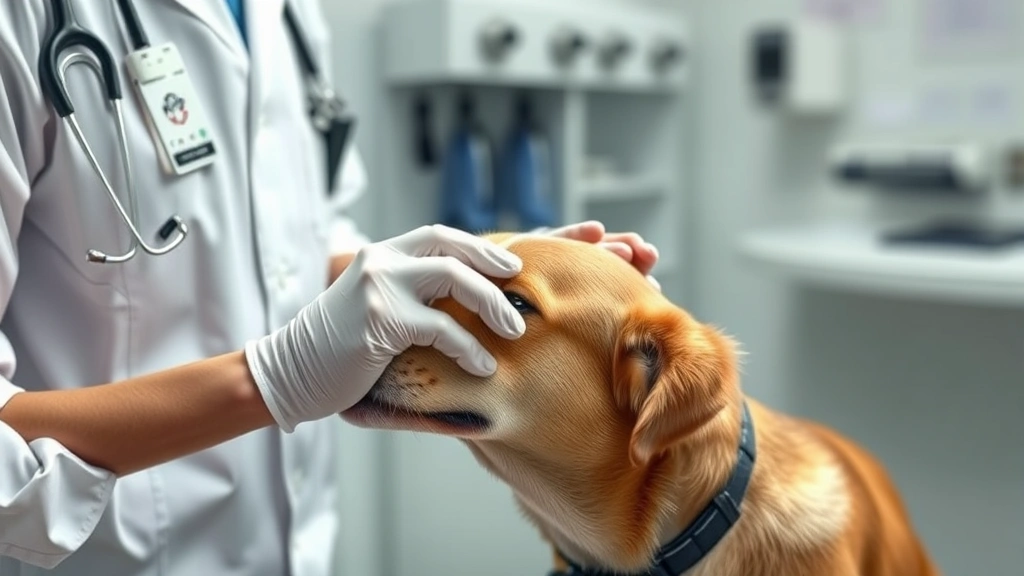
Your vet will perform a neurological exam to check your dog’s reflexes, balance, and mental status. They’ll likely recommend imaging (CT or MRI) to see what’s happening in the brain. Blood work might reveal underlying conditions that contributed to the stroke. Some vets will suggest online pet diagnostics for follow-up monitoring. The goal is to figure out exactly what happened and whether there are other health issues that need addressing. This is also a good time to ask about pet telehealth options for follow-up care and monitoring.
Recovery and Long-Term Management
Here’s the somewhat good news: many dogs recover remarkably well from strokes, especially with prompt treatment. Recovery varies wildly depending on the severity of the stroke, the dog’s age, and overall health. Some dogs bounce back within days or weeks, while others need months of rehabilitation. Physical therapy, a calm environment, and consistent care all help. Your vet might recommend medications to prevent future strokes, manage underlying conditions, or support brain function. Some dogs will have lasting effects like permanent head tilt or mild coordination issues, but they can still live happy, fulfilling lives. It’s all about adapting and supporting your pup through recovery. Don’t forget about when to call the vet about food during recovery—diet changes might be necessary depending on the underlying cause.

Prevention: Lowering Your Dog’s Stroke Risk
While you can’t prevent all strokes, you can reduce your dog’s risk by maintaining a healthy weight, ensuring regular exercise, managing any underlying health conditions, and keeping blood pressure in check. Regular vet visits are crucial for catching problems early. Consider incorporating immune boosting foods for pets into their diet to support overall health. Managing stress and providing mental stimulation also helps. If your dog has risk factors like heart disease or high blood pressure, work closely with your vet on a management plan. Prevention isn’t foolproof, but these steps definitely help stack the odds in your favor.
When to Call Your Vet: The Bottom Line
Call your vet immediately if your dog shows any sudden neurological changes: loss of balance, facial drooping, behavioral changes, seizures, or paralysis. Don’t assume it’ll go away on its own or that it’s just a weird phase. Strokes are time-sensitive emergencies where every minute counts. If it’s after hours, head to an emergency clinic. Better to be wrong and have your dog checked out than to wait and watch their condition deteriorate. Your vet would rather you call with a false alarm than miss a genuine emergency.
Frequently Asked Questions
Can dogs fully recover from a stroke?
Many dogs do recover well, especially with prompt treatment. Recovery depends on stroke severity, location, and your dog’s age and health. Some recover within weeks, others need months. Some may have permanent mild effects but still enjoy a great quality of life.
How long do dog strokes last?
The acute stroke event itself happens suddenly, but symptoms can persist for varying lengths of time. Some dogs show improvement within hours or days, while others take weeks or months. This is why immediate veterinary care is so important.
What causes strokes in dogs?
Causes include high blood pressure, heart disease, kidney disease, Cushing’s syndrome, obesity, blood clots, and bleeding in the brain. Sometimes the cause remains unknown even after investigation.
Are certain dog breeds more prone to strokes?
Older dogs and those with underlying health conditions are at higher risk. Cavalier King Charles Spaniels, due to heart issues, and other breeds with genetic predispositions may have elevated risk.

Is a dog stroke fatal?
Not necessarily. While some strokes are severe or fatal, many dogs survive and recover well with proper treatment. Prompt veterinary care significantly improves survival and recovery outcomes.
Can I prevent my dog from having a stroke?
You can’t guarantee prevention, but you can reduce risk by maintaining healthy weight, regular exercise, managing underlying conditions, regular vet checkups, and monitoring blood pressure. Consider foods for joint health in pets and overall wellness foods as part of preventative care.
Summary: Know the Signs, Act Fast
Dog stroke symptoms include sudden loss of balance, facial drooping, behavioral changes, seizures, and paralysis. These signs demand immediate veterinary attention—strokes are emergencies where time literally saves brain tissue. While strokes are scary, many dogs recover well with prompt care. Know your dog’s normal behavior so you can spot changes quickly. Keep your vet’s number handy, and don’t hesitate to call if something seems off. Your quick action could mean the difference between a full recovery and serious complications. Stay alert, stay informed, and keep your furry friend safe.





