

Your dog just yelped. You look down and see a swollen muzzle or paw. A bee sting. Your heart rate spikes. Is this an emergency? Will your dog be okay? Here’s the real talk: most bee stings are uncomfortable but manageable at home. However, knowing what to do—and when to call the vet—can make the difference between a minor incident and a serious problem.
When your dog gets stung by a bee, the immediate response matters. A dog stung by bee situations range from mild local reactions to severe allergic emergencies. This guide walks you through exactly what to do, what to watch for, and how to prevent future stings.
Immediate Steps After a Bee Sting
The first few minutes after a dog stung by bee incident are crucial. Stay calm—your dog will pick up on your anxiety. Here’s what to do right now:
- Get your dog away from bees. Move indoors or away from the area immediately. If there’s an active hive nearby, don’t swat at bees; just leave the space.
- Examine the sting site. Look for the stinger (a small black dot), swelling, or redness. Gently feel the area to locate the exact spot.
- Check for multiple stings. Dogs can get stung more than once. Look around the face, paws, and mouth—common targets.
- Keep your dog calm and still. Movement increases blood flow and can spread venom. Sit with your dog for a few minutes.
- Apply cold. An ice pack wrapped in a towel can reduce swelling and numb the area. Apply for 10-15 minutes.
Don’t panic if your dog is limping, whining, or licking the sting. This is normal. The sting hurts, and dogs react the way humans do.
How to Remove the Stinger Safely
Here’s a detail many people get wrong: not all stings leave a stinger behind. Honeybees leave their barbed stinger embedded in skin. Other bees (wasps, hornets, bumblebees) don’t. If you see a stinger, remove it—but do it correctly.
Pro Tip: Use a flat-edged object like a credit card or butter knife. Scrape it against the skin at a shallow angle to dislodge the stinger. Avoid pinching or squeezing, which can push more venom into your dog’s tissue.
The old myth about tweezers? Skip it. Pinching the stinger sac releases more venom. Scraping is faster and more effective. If you can’t see a stinger clearly, don’t spend time hunting for it. Move on to pain management.
After removal, clean the area gently with mild soap and water. You can apply triple antibiotic ointment on dogs to prevent infection, though it’s not always necessary for a simple sting.
Home Treatment and Pain Relief
Once the stinger is out, your goal is comfort and preventing infection. Here’s what actually works:
- Baking soda paste: Mix baking soda with a little water to form a thick paste. Apply directly to the sting. It’s alkaline and can neutralize venom. Reapply as it dries (every 15-20 minutes for the first hour).
- Ice packs: Wrap ice in a thin towel and hold it on the sting for 10-15 minutes, three to four times daily for the first 24 hours. This reduces inflammation and provides pain relief.
- Oatmeal soak: If the sting is on a paw, soak it in lukewarm water mixed with colloidal oatmeal. This soothes irritation and reduces itching.
- Over-the-counter pain relief: Consult your vet before giving any medication. Ibuprofen is toxic to dogs. Acetaminophen (Tylenol) can be used in some cases, but dosing depends on your dog’s weight. Your vet might recommend a dog-safe alternative.
- Prevent licking: This is critical. A dog licking a bee sting can worsen swelling and introduce bacteria. Use an Elizabethan collar (cone) if necessary, especially at night.
The swelling and discomfort usually peak within 24 hours, then gradually improve over 2-3 days. If your dog isn’t better by day three, or if swelling worsens, call your vet.
When to Worry: Allergic Reactions and Complications
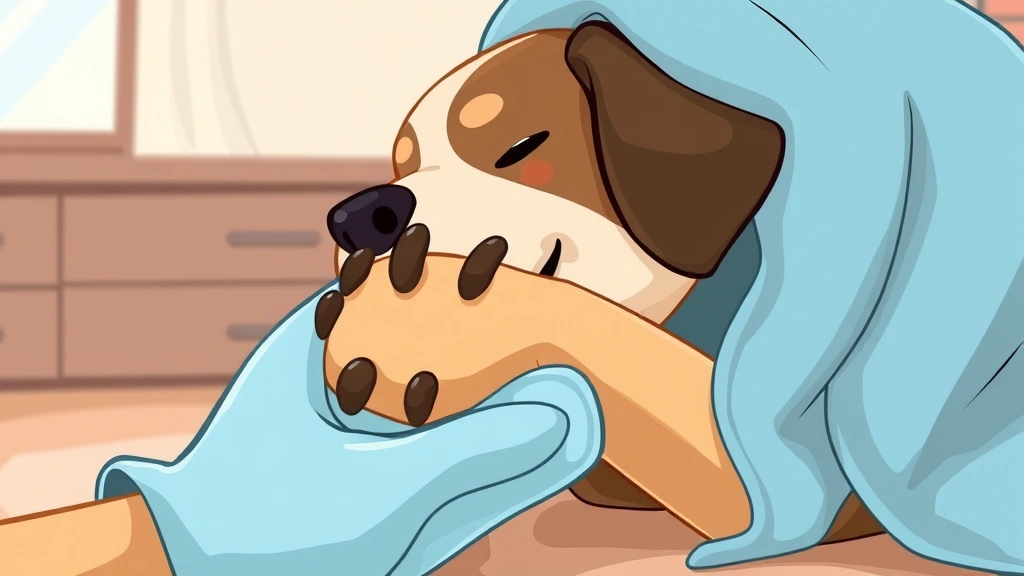
Most dogs handle a single bee sting fine. But some don’t. Allergic reactions range from mild to life-threatening. Know the signs:
- Mild reaction: Localized swelling around the sting site, mild itching, slight redness. This resolves in a few hours to a day.
- Moderate reaction: Swelling spreading beyond the sting area. Your dog’s face might swell significantly. Mild difficulty breathing or swallowing. Vomiting or diarrhea.
- Severe reaction (anaphylaxis): Rapid, severe swelling of the face, throat, or tongue. Difficulty breathing. Drooling. Collapse. Pale gums. This is a medical emergency.
If you notice any of the following, get to a vet immediately:
- Swelling around the eyes, nose, or throat
- Difficulty breathing or wheezing
- Excessive drooling or difficulty swallowing
- Vomiting or severe diarrhea
- Lethargy or collapse
- Pale or blue gums
Anaphylaxis can develop within minutes. Don’t wait. Call your vet or emergency clinic right away. If it’s after hours, head to the nearest emergency vet clinic. Severe reactions require immediate treatment with epinephrine and other medications.
Dogs with a history of severe reactions to stings should carry an epinephrine auto-injector (similar to an EpiPen). Your vet can prescribe one and train you on its use. This is especially important if your dog has had a previous severe reaction.
Managing Swelling and Discomfort
Swelling is the most common complication of a dog stung by bee incident. It’s uncomfortable but usually not dangerous. Here’s how to manage it:
Safety Warning: If swelling affects the throat, mouth, or face in a way that impacts breathing or eating, this is an emergency. Don’t try home treatment.
For typical localized swelling:
- Continue ice therapy. Cold reduces inflammation. Apply for 15 minutes, rest for 15 minutes. Repeat throughout the day for the first 24-48 hours.
- Elevate the affected area if possible. If the sting is on a front paw, encourage your dog to rest with that limb elevated. This reduces fluid accumulation.
- Restrict activity. Keep your dog calm and quiet. Running, jumping, and excitement increase blood flow and worsen swelling. A quiet day indoors is ideal.
- Monitor closely. Swelling should peak within 24 hours, then gradually decrease. If it’s still getting worse after 24 hours, call your vet.
- Don’t apply heat initially. Heat increases inflammation. After 48 hours, warm compresses can help, but stick with cold for the first two days.
Most dogs bounce back completely within 3-5 days. Swelling that persists longer or worsens despite home care needs veterinary evaluation.
Preventing Future Bee Stings
The best treatment is prevention. Here’s how to reduce your dog’s risk:
- Avoid peak bee activity times. Bees are most active during warm, sunny days, especially mid-morning through early evening. Avoid outdoor activities during these windows, particularly near flowers or water sources.
- Keep your dog away from flowers, gardens, and hives. If you have a garden or beehives nearby, fence off the area or supervise your dog closely outdoors.
- Don’t let your dog chase flying insects. Train a solid “leave it” command. Chasing bees often results in stings inside the mouth or throat—the worst-case scenario. Teach your dog to ignore buzzing insects.
- Check outdoor areas before play. Look for ground-nesting bees or wasp nests before letting your dog play in tall grass or near structures.
- Use insect repellent cautiously. Some dog-safe insect repellents can help, but always check with your vet first. Never use human insect repellent on your dog.
- Keep water bowls covered. Bees drink from standing water. If your dog drinks from a bowl where bees are present, a sting in the mouth is possible. Use covered bowls outdoors or bring water inside.
- Monitor your dog at dog parks. Ensure the park is bee-free or that bees aren’t actively foraging. Talk to park staff about any known hives or wasp nests.
Dogs that have had a previous severe reaction should be kept indoors during peak bee season or in areas with many bees. It’s not ideal, but it’s safer than risking anaphylaxis.
When to Call Your Vet
Not every dog stung by bee situation requires a vet visit. Here’s when to reach out:
Call immediately (or go to emergency clinic if after hours):
- Signs of anaphylaxis (severe swelling, difficulty breathing, collapse)
- Multiple stings (especially more than 5-10)
- Sting inside the mouth or throat
- Severe swelling that worsens after 24 hours
- Signs of infection (pus, increasing redness, warmth, or odor)
- Your dog isn’t eating or drinking after 24 hours
- Vomiting, diarrhea, or lethargy that persists beyond a few hours
Call during business hours:
- Swelling that doesn’t improve after 48 hours
- Your dog is very uncomfortable and home care isn’t helping
- You’re unsure if a reaction is normal or concerning
- Your dog has a history of allergies or previous severe reactions
Home care is fine if:
- Single sting with mild to moderate localized swelling
- No signs of allergic reaction
- Your dog is eating, drinking, and acting relatively normal
- Swelling is improving by day two
Your vet can provide pain medication, anti-inflammatory injections, or antihistamines if needed. They can also check for complications like infection or secondary issues.
If your dog has had a severe reaction before, talk to your vet about preventive measures. Some vets recommend keeping antihistamines or corticosteroids on hand for dogs with known allergies. Your vet might also suggest keeping how to keep flies off dogs strategies in mind, as similar insects pose the same risks.
Frequently Asked Questions
Can a bee sting kill a dog?
– Yes, but it’s rare. A single sting rarely causes death. However, multiple stings (especially 10 or more) or a severe allergic reaction can be fatal. Stings inside the mouth or throat are particularly dangerous because swelling can block the airway. If your dog has a history of severe allergic reactions, take any sting seriously and seek immediate veterinary care.
How long does swelling last after a bee sting?
– Most swelling peaks within 24 hours and gradually improves over 2-5 days. Some mild swelling might persist for a week, but it should be noticeably better by day three. If swelling worsens after 24 hours or doesn’t improve by day five, contact your vet.
Is it safe to give my dog Benadryl for a bee sting?
– Possibly, but only with vet approval. Diphenhydramine (Benadryl) can help with mild allergic reactions and itching. However, dosing depends on your dog’s weight, and some dogs shouldn’t take it. Always call your vet before giving any medication. They might recommend an alternative antihistamine that’s safer for your dog.
What if my dog got stung inside the mouth?
– This is serious. Swelling inside the mouth or throat can block the airway. If you see a sting inside the mouth, inside the throat, or on the tongue, go to the vet or emergency clinic immediately. Don’t wait to see if swelling develops. Offer ice chips to chew (which can help reduce swelling), but get professional help right away.
Can I use hydrocortisone cream on my dog’s bee sting?
– Yes, hydrocortisone cream is generally safe for dogs and can reduce itching and inflammation. Apply a thin layer directly to the sting two to three times daily. Make sure your dog doesn’t lick it off. If your dog licks it repeatedly, use an Elizabethan collar to prevent ingestion. Avoid using it on large areas or for extended periods without vet approval.
Should I use vinegar or ammonia on a bee sting?
– The old remedies (vinegar, ammonia, mud) don’t have strong scientific backing. Baking soda paste and ice are more effective. Vinegar is unlikely to hurt, but it won’t help much either. Stick with proven methods: remove the stinger, apply ice, and use baking soda paste.
What’s the difference between a bee sting and a wasp sting?
– Honeybees leave their barbed stinger behind (and die after stinging). Wasps, hornets, and yellow jackets keep their smooth stinger and can sting multiple times. Wasp venom is slightly different and some dogs react more severely to wasps than bees. The treatment is the same regardless of the insect type.
Can my dog get stung again by the same bee?
– Honeybees can’t—they die after stinging. Other bees and wasps can sting multiple times. If you see the same bee or wasp near your dog, remove your dog from the area immediately.
Is it normal for my dog to have a fever after a bee sting?
– A mild temperature increase can happen with inflammation, but a true fever (over 103°F or 39.4°C) isn’t typical. If your dog has a fever along with a bee sting, contact your vet. This could indicate infection or a more serious reaction.
What if my dog is allergic to bees?
– Dogs with bee allergies need extra precautions. Keep antihistamines on hand as recommended by your vet. Limit outdoor time during peak bee season. Consider keeping an epinephrine auto-injector if your dog has had severe reactions. Work with your vet to develop a prevention and emergency plan.
A dog stung by bee is stressful, but most situations are manageable with quick thinking and basic first aid. Remove the stinger, apply ice, and watch for signs of allergic reaction. Most dogs recover completely within a few days. However, don’t ignore warning signs. Severe swelling, difficulty breathing, or any sign of anaphylaxis requires immediate veterinary care. When in doubt, call your vet. They’d rather answer a question than deal with a preventable emergency.
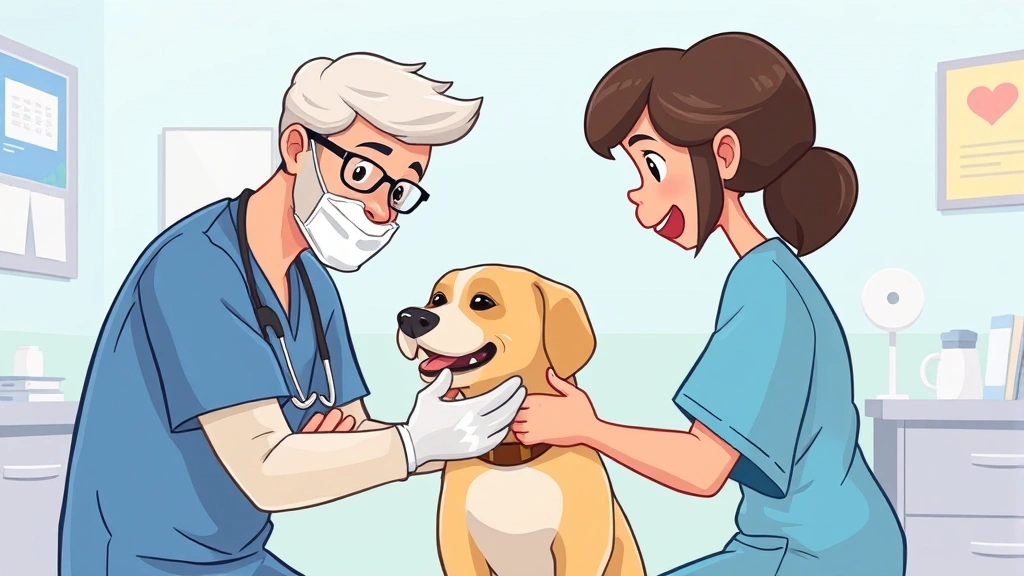
For additional information on recognizing when your dog needs immediate care, check out resources from the American Kennel Club and PetMD, which offer comprehensive guides on common dog injuries and emergencies. The ASPCA Animal Poison Control Center is also a valuable resource if you’re unsure about toxins or reactions. For veterinary guidance specific to your dog, consult your local veterinarian or contact the American Veterinary Medical Association for referrals to emergency clinics in your area.
Keep your dog safe, stay vigilant during bee season, and remember: most stings are minor inconveniences, not emergencies. You’ve got this.





