
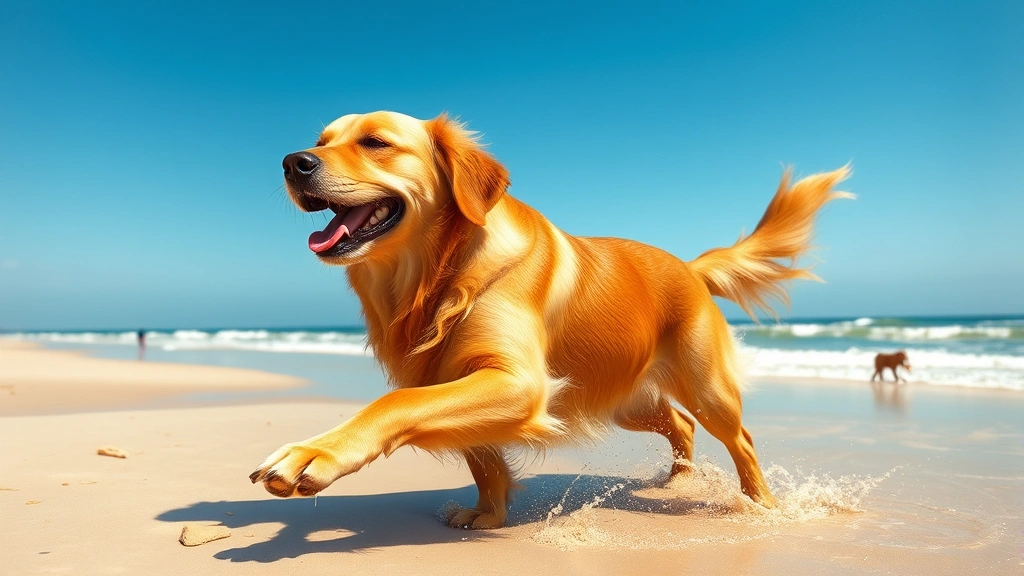
Your furry best friend loves soaking up the sun just as much as you do, but dog sunscreen is actually a critical part of keeping them safe during outdoor adventures. Yes, dogs need sunscreen too—and no, we’re not talking about slathering SPF 50 all over Fido like he’s heading to the beach in Miami. Let’s dive into why this often-overlooked product matters and which options will keep your pup’s skin healthy and protected.
Table of Contents
- Why Does Your Dog Actually Need Sunscreen?
- Understanding Canine UV Protection Needs
- Top 5 Dog Sunscreen Products That Actually Work
- How to Apply Dog Sunscreen Safely
- Red Flags: What NOT to Use on Your Dog
- Additional Sun Safety Tips for Active Dogs
- Signs Your Dog Has Sun Damage
- Combining Sunscreen With Overall Pet Wellness
- Budget-Friendly Sun Protection Alternatives
- Frequently Asked Questions
- Final Thoughts on Protecting Your Pup
Why Does Your Dog Actually Need Sunscreen?
Dogs aren’t immune to UV damage just because they have fur. In fact, certain breeds and individual dogs are especially vulnerable to sunburn and skin cancer. Areas like the nose, ears, belly, and any spots with thin or light-colored fur are prime targets for sun damage. If your dog spends significant time outdoors—whether hiking, playing fetch, or lounging in the yard—dog sunscreen acts as a protective barrier against harmful UVA and UVB rays. Think of it as sunscreen for canine skin protection that can prevent long-term damage.
Understanding Canine UV Protection Needs
Not all dogs are created equal when it comes to sun sensitivity. Breeds with shorter coats, white or light-colored fur, and hairless varieties like Chinese Cresteds are at higher risk for sunburn. Even dogs with thick coats can experience sun damage, especially on exposed areas. The American Kennel Club (AKC) recommends checking with your veterinarian about your specific dog’s sun exposure needs. Your vet can assess your individual pet’s risk factors and recommend appropriate UV protection strategies.
Top 5 Dog Sunscreen Products That Actually Work
When shopping for dog sunscreen products, you’ll want formulas specifically designed for pets—never use human sunscreen on your dog. Here are five standout options:
1. Epi-Pet Sun Protector Spray
This SPF 30 spray is water-resistant and designed specifically for dogs. It’s easy to apply, doesn’t leave a greasy residue, and covers large areas quickly. The spray format makes it ideal for dogs who aren’t fans of lotions.
2. Warren-Triton Pet Sunscreen Lotion
A veterinarian-approved formula with SPF 15, this lotion provides broad-spectrum protection. It’s fragrance-free and gentle on sensitive skin, making it perfect for pups with dermatological concerns.
3. Sojos Natural Sunscreen Stick
Perfect for spot applications on the nose and ears, this stick format prevents accidental ingestion better than lotions. It’s made with natural ingredients and offers SPF 30 protection.
4. Burt’s Bees Dog Sunscreen
This natural option uses zinc oxide and titanium dioxide as active ingredients. It’s fragrance-free, hypoallergenic, and safe even if your pup licks it off (though you should still try to prevent that).
5. Vetericyn Plus Antimicrobial Hydrogel with Sunscreen
Beyond sun protection, this formula includes antimicrobial properties to prevent infections from sun-damaged skin. It’s particularly useful for dogs prone to skin issues.
How to Apply Dog Sunscreen Safely
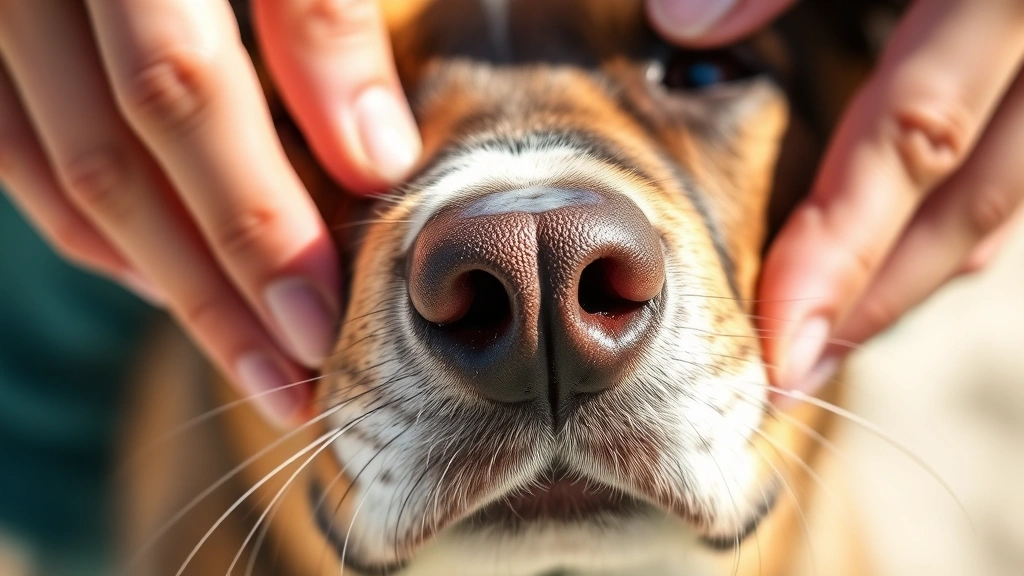
Applying dog sunscreen requires a slightly different approach than applying it to humans. First, choose a product formulated for pets—this is non-negotiable. Apply sunscreen 15 minutes before outdoor exposure to allow it to set properly. Focus on vulnerable areas: the nose, ears, belly, and any thin-furred or hairless patches. Use a small amount and rub it in gently. Reapply every two hours or immediately after your dog swims. If your dog is prone to licking, use the stick format on the nose and ears to minimize ingestion.
Red Flags: What NOT to Use on Your Dog
Never apply human sunscreen to your dog. Many contain zinc oxide or oxybenzone in concentrations that are toxic to pets. Additionally, avoid sunscreens with added insect repellent, fragrance, or salicylates if your dog has sensitive skin. If you’re unsure about a product’s safety, consult your veterinarian before applying. This is especially important if your dog has existing skin conditions or takes medications that increase photosensitivity. Just like you’d check the toxic fruits for dogs list before sharing snacks, verify sunscreen ingredients before application.
Additional Sun Safety Tips for Active Dogs
While dog sunscreen is essential, it’s just one part of comprehensive sun protection. Schedule outdoor activities during early morning or late evening hours when UV rays are weakest. Provide plenty of shade and fresh water during outdoor time. Consider protective clothing like UV-blocking shirts or bandanas for extra-sensitive pups. Limit time on reflective surfaces like sand or water, which intensify UV exposure. Dogs engaging in water activities need reapplication after swimming, so pack sunscreen in your beach or pool bag.
Signs Your Dog Has Sun Damage
Watch for redness, peeling, or crusting on exposed skin areas. Some dogs develop solar dermatitis, characterized by itching and inflammation. In severe cases, repeated sun exposure can lead to squamous cell carcinoma or melanoma. If you notice any unusual skin changes, consult your veterinarian promptly. Early detection and treatment can prevent serious complications. Keep a close eye on your dog’s skin health, especially during summer months when sun exposure is highest.
Combining Sunscreen With Overall Pet Wellness
Sun protection is part of a broader pet health strategy. Just as you’d avoid chocolate toxicity in pets by keeping harmful foods away, you should actively protect your dog from sun damage. Ensure your dog maintains a healthy diet rich in antioxidants, which support skin health from the inside out. Regular veterinary check-ups should include skin examinations. For active dogs, energy-boosting foods for active pets help maintain overall wellness while they enjoy outdoor activities.
Budget-Friendly Sun Protection Alternatives
If commercial dog sunscreen feels pricey, consider these alternatives. Lightweight UV-blocking clothing is often affordable and eliminates the need for frequent reapplication. Wide-brimmed dog hats protect the face and ears. Creating shaded outdoor spaces with umbrellas or canopies reduces direct sun exposure. Some dog owners use coconut oil, though this isn’t a substitute for true sunscreen—it offers minimal UV protection. The most cost-effective approach combines multiple strategies: limit peak-sun exposure, provide shade, and use sunscreen on vulnerable areas.
Frequently Asked Questions
Can I use human sunscreen on my dog?
No, absolutely not. Human sunscreen often contains zinc oxide or oxybenzone in concentrations toxic to dogs. Always use pet-specific formulations designed with canine safety in mind.
How often should I reapply dog sunscreen?
Reapply every two hours during outdoor exposure, or immediately after swimming or water activities. If your dog rolls in dirt or grass, reapplication may be necessary sooner.

What’s the best SPF for dogs?
SPF 15-30 is generally recommended for dogs. Higher SPF ratings offer marginal additional protection and may contain ingredients that increase toxicity risk. SPF 30 strikes a good balance for most dogs.
Is sunscreen safe if my dog licks it?
Pet-specific sunscreens are formulated to be safe if ingested in small amounts, but excessive ingestion can cause gastrointestinal upset. Use stick formats on the nose and ears to minimize licking opportunities.
Which dog breeds need sunscreen most?
Breeds with light or white coats, short hair, or hairless varieties need it most. Examples include Dalmatians, Pit Bulls, Boxers, and Chinese Cresteds. However, any dog spending significant time outdoors benefits from sun protection.
Can puppies use dog sunscreen?
Yes, but consult your veterinarian first. Puppies have more sensitive skin, and your vet can recommend age-appropriate products and application guidelines.
What if my dog has sensitive skin?
Look for hypoallergenic, fragrance-free formulations. Test the product on a small area first to check for adverse reactions. Natural options with zinc oxide or titanium dioxide are often gentler than chemical sunscreens.
Final Thoughts on Protecting Your Pup
Your dog’s skin health deserves the same attention you give your own. Dog sunscreen isn’t a luxury item—it’s preventative medicine that can save your pet from painful sunburns, chronic skin conditions, and potentially serious skin cancers. By combining sunscreen application with shade, protective clothing, and smart timing of outdoor activities, you’re giving your furry friend the best chance at a healthy, comfortable life. Remember to consult your veterinarian about the best sun protection strategy for your individual dog, especially if they have existing skin conditions or spend extensive time outdoors. Your pup will thank you with countless happy beach days and sunny adventures to come.





