
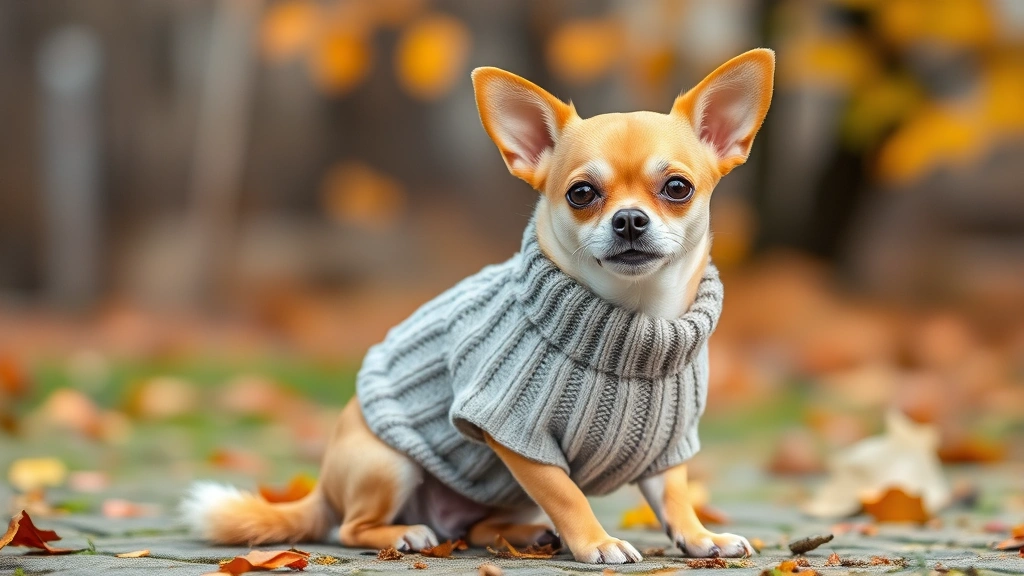
Your dog is shivering on the porch. It’s 45 degrees, and you’re wondering if a dog sweater is actually necessary or just Instagram fluff. Real talk: some dogs genuinely need them. Others? Not so much. But when your pup does need one, finding the right dog sweater—one that fits properly, looks good, and doesn’t make your dog feel like a stuffed sausage—can feel impossible. This guide breaks down everything you need to know about choosing, fitting, and styling a dog sweater for your furry friend, whether you’ve got a tiny Chihuahua or a lanky GSP.
Does Your Dog Actually Need a Dog Sweater?
Not every dog needs a dog sweater. That’s the honest truth. A thick-coated Golden Retriever in Minnesota? Probably fine without one. A hairless Chihuahua in San Diego? Different story entirely. The question isn’t whether dog sweaters are cute (they are), but whether your specific dog needs one for comfort or health.
Here’s what matters: age, breed, health status, and climate. Puppies and senior dogs have a harder time regulating body temperature. Dogs with thin or short coats get cold faster. Sick or recovering dogs benefit from extra warmth. And if your region dips below 45°F regularly, most small breeds will appreciate the extra layer.
Watch for signs your dog is cold: shivering, reluctance to go outside, seeking warm spots constantly, or lifting paws off the ground frequently. If you see these behaviors, a dog sweater isn’t optional—it’s kind.
Pro Tip: Not sure if your dog needs one? Start with a thin, breathable dog sweater for mild weather. You can always layer up or upgrade to a thicker option as temperatures drop.
Breed & Coat Type Matter
Double-coated breeds like German Shepherds, Cavaliers, and Labs have built-in insulation. Their undercoat traps warm air like a down jacket. These dogs rarely need a dog sweater unless you live somewhere brutally cold or they’re freshly groomed.
Single-coated or thin-coated breeds—think Greyhounds, Whippets, Boxers, and Chihuahuas—lose heat fast. They’re the ones who’ll genuinely appreciate a dog sweater when temperatures drop. Hairless breeds like Chinese Crested dogs? They basically always need one outdoors in cooler weather.
If you own a GSP or other sporting breed, check their coat type. Some have thicker coats than others, even within the same breed. Individual variation matters.
Age also affects cold tolerance. Puppies under 6 months and senior dogs (especially those over 10 years) struggle more with temperature regulation. A dog sweater becomes less of an accessory and more of a necessity.
- High-need breeds: Chihuahua, Italian Greyhound, Whippet, Greyhound, Boxer, Pit Bull, Weimaraner
- Moderate-need breeds: Dachshund, Pug, Boston Terrier, French Bulldog
- Low-need breeds: German Shepherd, Golden Retriever, Husky, Bernese Mountain Dog, Newfoundland
Health status matters too. Dogs recovering from surgery, dealing with arthritis, or managing certain medical conditions benefit from the warmth and gentle support a dog sweater provides.
How to Size & Fit a Dog Sweater Properly
This is where most people mess up. A poorly fitted dog sweater is uncomfortable, restrictive, and your dog will hate it. A well-fitted one? Your pup won’t even notice they’re wearing it.
Start by measuring your dog correctly. You’ll need:
- Neck circumference: Measure loosely around the base of the neck where a collar sits. You should fit one finger between the tape and the neck.
- Chest circumference: Measure at the widest part of the rib cage, just behind the front legs. Again, one-finger rule.
- Back length: Measure from the base of the neck (where it meets the shoulders) to the base of the tail. This is critical for getting proper coverage.
- Belly length: Measure from the chest to the back legs. This determines how much of the underside is covered.
Write these measurements down. Seriously. You’ll reference them constantly when shopping. Different brands size differently, so measurements beat guessing every time.
When your dog sweater arrives, do the fit test:
- Can you fit one finger under the neck opening? Good.
- Does it sit snugly but not tight on the chest? Perfect.
- Can your dog move their front legs freely without restriction? Essential.
- Does it cover the back without bunching at the tail? Ideal.
- Is the belly covered but not so tight it restricts breathing? Yes.
If your dog has an unusual body shape—long back, short legs, barrel chest—consider a custom-fitted option or brands that specialize in tricky fits. Some companies offer extended sizing or adjustable closures specifically for this.
Safety Warning: A dog sweater that’s too tight can restrict movement, cause skin irritation, and stress your dog. When in doubt, size up. A slightly loose sweater is infinitely better than one that’s too snug.
Materials & Styles: What Works Best
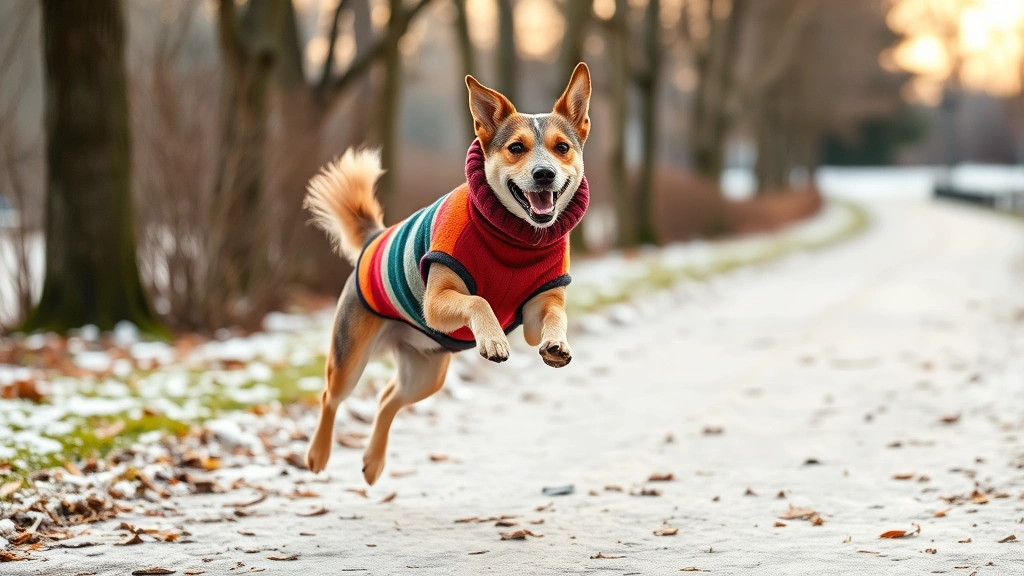
The material of your dog sweater determines warmth, durability, and comfort. Here’s what you’re actually choosing between:
Knit (Cotton, Acrylic, Wool Blends): Lightweight, breathable, and great for mild weather. Cotton dog sweaters work well for dogs who get cold but don’t need heavy insulation. Acrylic is budget-friendly and machine-washable. Wool blends offer warmth but can be itchy for sensitive skin—test first.
Fleece: Soft, warm, and quick-drying. Fleece dog sweaters are excellent for active dogs or those who spend time outdoors in moderate cold. They’re also usually machine-washable, which is a huge plus.
Waterproof/Water-Resistant: If your dog spends time outside in wet conditions, a water-resistant dog sweater prevents moisture from trapping cold against the skin. These often have outer shells with inner fleece or thermal linings.
Thermal or Insulated: For serious cold climates, thermal dog sweaters with specialized insulation materials keep heat in. These are thicker, heavier, and designed for temperatures well below freezing.
Style options range from simple pullover dog sweaters to zip-up jackets, hoodies, and even full-body coverage suits. Pullover sweaters are easiest to put on (usually). Zip-ups are great if your dog hates having things pulled over their head. Hoodies add extra neck warmth. Full-body suits cover everything but can feel restrictive to some dogs.
Think about your dog’s lifestyle. Does your pup play hard and get muddy? Machine-washable fleece dog sweaters are your friend. Does your dog have sensitive skin? Soft, high-quality knits or fleece without harsh dyes matter. Does your pup spend hours outdoors? Waterproof insulation becomes essential.
- Best for style: Knit dog sweaters in fun patterns or colors
- Best for durability: Fleece or acrylic blends
- Best for active dogs: Water-resistant fleece or nylon blends
- Best for sensitive skin: Soft cotton or hypoallergenic blends
- Best for extreme cold: Insulated jackets with waterproof shells
Seasonal Considerations & Weather
Temperature isn’t the only factor. Humidity, wind, and precipitation all affect whether your dog needs a dog sweater and what type.
Fall (45-60°F): A lightweight knit or thin fleece dog sweater works. Morning and evening walks might need coverage, but afternoons are fine.
Winter (Below 45°F): Heavier dog sweaters become necessary for most thin-coated breeds. Waterproof options matter if you get snow or sleet. Paw protection (booties) might be needed too.
Spring (50-65°F): Lightweight layers again. Many dogs are transitioning, so a dog sweater that’s easy to remove is helpful.
Summer: Most dogs don’t need dog sweaters. Exceptions: dogs with health issues, very young puppies, or senior dogs in air-conditioned environments who go outside briefly.
Wind chill matters more than people realize. A 40°F day with 20 mph winds feels much colder. Wet dogs lose heat 25 times faster than dry dogs, so a water-resistant dog sweater becomes essential if rain or snow is involved.
According to the American Kennel Club, most dogs are comfortable in temperatures above 45°F without extra protection, but individual tolerance varies widely. Factors like age, health, coat type, and acclimatization all play a role.
Pro Tip: Keep a dog sweater in your car year-round. You never know when an unexpected cold snap or your dog’s unexpected swim will require one.
Getting Your Dog Comfortable in a Sweater
Some dogs slip on a dog sweater and act like nothing happened. Others act like you’ve wrapped them in a straitjacket. The difference? Introduction and positive association.
Start early and go slow. Let your dog sniff the dog sweater before putting it on. Make it a game, not a battle. Offer treats while you’re holding it. Let them wear it for 30 seconds indoors while you praise them. Gradually increase the time.
Put the dog sweater on right before something good happens—a walk, playtime, treats, or cuddles. Your dog will start associating the sweater with positive events instead of feeling trapped.
If your dog is really resistant, try a different style. Some dogs hate pullover dog sweaters but accept zip-ups. Others prefer hoodies because they feel more natural. It’s trial and error.
Watch your dog’s body language. Stiff posture, tucked tail, or reluctance to move means the sweater is either uncomfortable or your dog is anxious. Adjust the fit or try a different approach.
Never force it. A stressed dog won’t wear the sweater properly anyway, and you’re creating negative associations. Patience pays off.
- Start indoors for short periods
- Pair the sweater with positive experiences
- Use high-value treats as rewards
- Gradually increase wearing time
- Try different styles if one doesn’t work
- Never punish or force your dog
Some dogs take days to adjust. Others take weeks. That’s normal. You’re essentially teaching your dog that a dog sweater is safe and good, and that takes time.
Care & Maintenance Tips
A dog sweater that’s falling apart isn’t doing anyone any good. Proper care extends the life of your investment and keeps your dog safe.
Washing: Check the care label first. Most fleece and acrylic dog sweaters are machine-washable in cold water on a gentle cycle. Use mild detergent—avoid anything with harsh chemicals or strong perfumes. Wash with similar colors to prevent dye bleeding.
Drying: Air-dry whenever possible. High heat damages elastic and can shrink certain materials. Lay the dog sweater flat or hang it to dry. If you must use a dryer, use low heat and remove it promptly.
Storage: Keep dog sweaters in a clean, dry place. Fold them neatly or hang them to prevent wrinkles. Keep them away from direct sunlight, which fades colors over time. A cedar block or lavender sachet keeps moths away without harsh chemicals.
Inspection: Before each use, check for loose threads, holes, or damaged seams. Small issues are easy to repair with basic sewing. Bigger damage might mean it’s time for a replacement.
Between washes: Spot-clean visible dirt with a damp cloth. This reduces how often you need to wash and extends the sweater’s lifespan.
If your dog has dietary sensitivities or skin conditions, make sure the dog sweater material won’t irritate their skin. Some dogs do better with hypoallergenic materials or specific fabric blends.
Pro Tip: Invest in 2-3 dog sweaters in rotation. This lets you wash one while your dog wears another, and extends the lifespan of each sweater by reducing wear.
Frequently Asked Questions
At what temperature does a dog need a sweater?
– Most dogs are comfortable without a sweater above 45°F. Below that, thin-coated or small breeds start needing one. Below 32°F, almost all dogs except thick-coated breeds benefit from a dog sweater. However, individual tolerance varies based on breed, age, health, and acclimatization. Watch your dog for signs of cold like shivering or reluctance to go outside.
Can a dog wear a sweater all day?
– Yes, but with caveats. A well-fitted dog sweater can be worn for extended periods if your dog is comfortable. However, check for irritation or chafing, especially around the neck and legs. Remove it indoors if your home is warm, and always supervise your dog to ensure they’re not overheating. Never leave a sweater on an unattended dog for extended periods.
What’s the difference between a dog sweater and a dog jacket?
– Dog sweaters are typically knit or fleece and focus on warmth through insulation. Dog jackets usually have outer shells (often waterproof) with insulation underneath, offering protection from both cold and moisture. Sweaters are lighter and more flexible; jackets are heavier and more protective. Choose based on your climate and your dog’s needs.
Do all dog breeds need sweaters?
– No. Thick-coated breeds like German Shepherds, Huskies, and Golden Retrievers rarely need sweaters except in extreme cold or after grooming. Thin-coated breeds like Greyhounds, Chihuahuas, and Whippets almost always need one in cold weather. Age, health, and individual tolerance matter too. When in doubt, watch your dog’s behavior.
How do I know if my dog’s sweater is too tight?
– If you can’t fit one finger under the neckline, it’s too tight. If your dog has difficulty moving, sits awkwardly, or shows signs of stress, the sweater is restricting them. Look for hair loss, red marks, or irritation after wearing. A properly fitted dog sweater should feel snug but allow full range of motion.
Can puppies wear dog sweaters?
– Yes, and many puppies benefit from them. Young puppies struggle with temperature regulation, especially thin-coated breeds. However, puppies grow quickly, so frequent size changes are necessary. Measure regularly and upgrade as your puppy grows. Make sure the dog sweater doesn’t restrict movement or development.
Is it bad to put a dog sweater over a harness?
– It depends. A thin dog sweater over a harness works fine if it doesn’t bunch or create pressure points. A thick dog sweater might make the harness uncomfortable or restrict movement. If you need both, consider a dog sweater with a harness opening, or put the harness over a thin sweater instead. Test the combination to ensure your dog is comfortable.
How often should I wash my dog’s sweater?
– Wash when visibly dirty or every 2-4 weeks with regular use. If your dog spends time outdoors or gets muddy, wash more frequently. Spot-clean minor dirt between washes to reduce frequency. Check the care label for specific recommendations, as different materials have different washing requirements.

Can dogs with skin allergies wear sweaters?
– Yes, but choose carefully. Dogs with allergies or sensitive skin do best with hypoallergenic materials like soft cotton, bamboo blends, or high-quality fleece without harsh dyes. Wash new sweaters before the first wear to remove chemicals. Monitor for irritation, redness, or excessive itching. If your dog reacts, try a different material or brand.
What if my dog refuses to wear a sweater?
– Start with short indoor sessions paired with treats and praise. Try different styles—some dogs prefer zip-ups over pullovers. Ensure proper fit; discomfort is the main reason dogs refuse sweaters. If your dog is truly resistant after weeks of training, consider alternatives like booties for paw protection or limiting outdoor time in cold weather. Some dogs just won’t accept them, and that’s okay.





