

If you’re looking for a dog the Bordeaux breed is one of the most impressive and lovable giants you’ll ever meet. This French mastiff, often called the “Bordeaux dog” or simply a Dogue, is a massive bundle of wrinkles, loyalty, and surprisingly gentle manners that’ll make you wonder how something so big can be so sweet. Let’s dive into everything you need to know about these magnificent creatures.
Table of Contents
- What Exactly Is a Dogue de Bordeaux?
- Distinctive Physical Characteristics of the Bordeaux Dog Breed
- Temperament: The Gentle Giant Myth Is Actually True
- Health Considerations for Your Bordeaux Companion
- Training Your Bordeaux Dog: Patience Is Key
- Exercise Needs: Less Than You’d Think
- Grooming and Care: Managing Those Magnificent Wrinkles
- Is a Bordeaux Dog Right for Your Family?
- Finding a Reputable Breeder
- Fun Facts About Your Bordeaux Dog
- Frequently Asked Questions
- Conclusion: Why Bordeaux Dogs Are Worth the Commitment
What Exactly Is a Dogue de Bordeaux?
The Dogue de Bordeaux is a large French mastiff breed that dates back centuries. These dogs are instantly recognizable by their massive heads, powerful builds, and loose, wrinkled skin. When people talk about a dog the Bordeaux type represents pure muscle wrapped in folds of soft skin. They typically weigh between 110-145 pounds and stand about 23-26 inches tall at the shoulder. Despite their intimidating appearance, these dogs are actually gentle souls with hearts as big as their bodies.
The breed originated in the Bordeaux region of France, where they were used as working dogs on estates and farms. Their history includes roles as guard dogs, hunting companions, and even participants in dog fighting (a dark chapter we’d rather forget). Thankfully, modern Bordeaux dogs are bred primarily for companionship and make exceptional family pets.
Distinctive Physical Characteristics of the Bordeaux Dog Breed
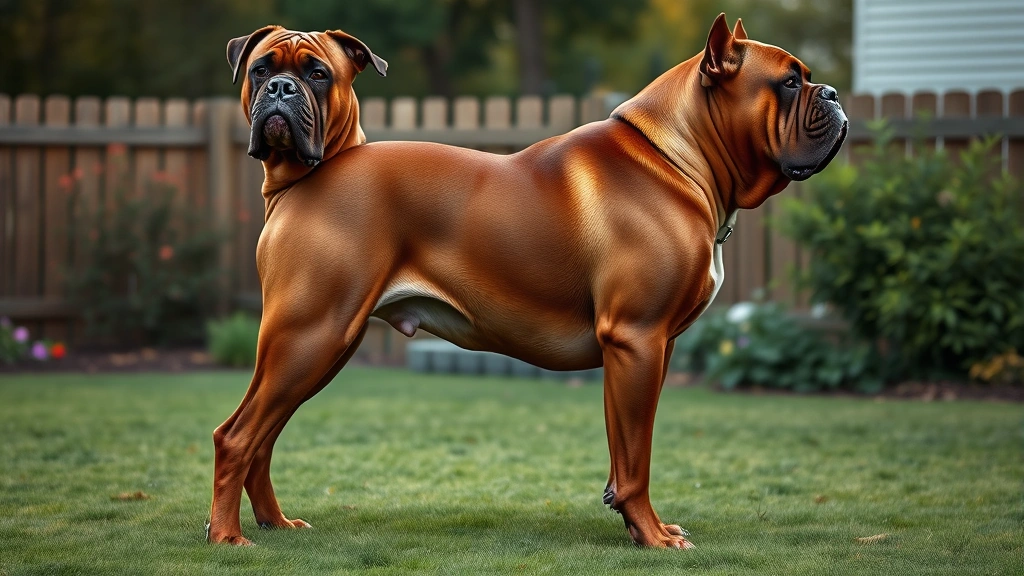
One look at a Dogue de Bordeaux and you’ll understand why they turn heads everywhere. Their most striking feature is that massive, wrinkled head—it’s almost comically large compared to their body. The skin hangs in folds around their face, neck, and body, giving them a perpetually worried expression that’s absolutely endearing.
Their coat is short and fine, typically coming in shades of mahogany, fawn, or red. The coloring is uniform, though they often have a darker “mask” on their face. Those droopy lips and loose jowls give them a permanent smile, even when they’re just sitting around looking majestic. Their eyes are dark and soulful, often expressing more emotion than some humans manage.
The body structure is powerful and muscular, built for strength rather than speed. Their legs are thick and sturdy, supporting their considerable weight with the grace of a small elephant. Many owners joke that their Bordeaux dog seems to be perpetually confused about just how large they actually are.
Temperament: The Gentle Giant Myth Is Actually True
Here’s the beautiful truth about the Bordeaux dog temperament: they’re absolute sweethearts. Despite their intimidating size and powerful appearance, these dogs are known for being calm, affectionate, and surprisingly patient. They’re loyal to their families and make excellent companions for households with children.
These dogs aren’t aggressive by nature—they’re actually quite the opposite. They’re more likely to greet an intruder with a friendly tail wag than any aggressive behavior. That said, their sheer size and protective instinct mean they’ll naturally alert you to anything unusual. Think of them as the friendly security guard who’d rather chat than confront.
Bordeaux dogs do have a stubborn streak, which is typical of mastiff breeds. They were bred to think independently, so they won’t always obey commands without question. Training requires patience, consistency, and a good sense of humor. These dogs respond best to positive reinforcement and will absolutely ignore you if they think your command is unreasonable.
Health Considerations for Your Bordeaux Companion
Like all large breeds, Dogue de Bordeaux dogs are prone to certain health issues. Hip dysplasia is common in the breed, as is elbow dysplasia. Their size puts extra stress on their joints, so proper exercise and weight management are crucial. According to the American Kennel Club, responsible breeders screen for these conditions before breeding.
Heart problems, particularly dilated cardiomyopathy, can affect Bordeaux dogs. Their loose skin also makes them prone to skin infections if not kept clean and dry. Regular ear cleaning is essential since their floppy ears trap moisture and bacteria.
The average lifespan for a Dogue de Bordeaux is relatively short compared to smaller breeds—typically 5-8 years, though some live into their early teens. This shorter lifespan is common in giant breeds and is something potential owners should seriously consider before committing to one of these dogs.
Training Your Bordeaux Dog: Patience Is Key
Training a Dogue de Bordeaux requires understanding their independent nature. These aren’t dogs who live to please—they’re thinkers who need to understand the “why” behind commands. Start training early, while they’re still manageable in size, and use positive reinforcement exclusively.
Socialization is absolutely critical. Introduce your Bordeaux dog puppy to different people, environments, and other animals early on. This helps prevent any protective aggression and ensures they grow into well-adjusted adults. These dogs can be sensitive to their environment, so a calm, structured training approach works best.
Consistency matters more than anything else. If your Bordeaux dog learns that ignoring a command sometimes works, they’ll keep trying. They’re smart enough to figure out your patterns, so you need to be smarter and more consistent than they are.
Exercise Needs: Less Than You’d Think
Here’s where Bordeaux dogs surprise people—despite their massive size, they don’t need excessive exercise. These are relatively low-energy dogs who’d happily spend most of their day lounging on the couch. Daily walks and some playtime are sufficient to keep them healthy and happy.
Overexercising, particularly in puppies and young dogs, can damage their developing joints. This is especially true for high-impact activities like jumping or running on hard surfaces. Moderate, consistent exercise on soft surfaces like grass is ideal. Many Bordeaux dogs are perfectly content being couch potatoes, which is fine as long as they maintain a healthy weight.
Grooming and Care: Managing Those Magnificent Wrinkles
Those adorable wrinkles require regular attention. The folds in their skin can trap moisture and bacteria, leading to infections if not properly maintained. Weekly cleaning of the facial wrinkles with a damp cloth followed by thorough drying is essential. Some owners use special wrinkle balms to prevent issues.
Their short coat requires minimal grooming—a weekly brush to remove loose hair is usually sufficient. They do shed, so expect some hair around the house. Nail trimming, ear cleaning, and dental care are standard maintenance items. Their droopy ears need special attention since they’re prone to ear infections.
Bathing should be done monthly or as needed, using a gentle dog shampoo. Their loose skin can trap water, so thorough drying is crucial. Many owners find that professional grooming is worth the investment, particularly for nail trimming on such large dogs.
Is a Bordeaux Dog Right for Your Family?
Before bringing home a Dogue de Bordeaux, consider your living situation, budget, and lifestyle. These dogs do well in apartments as long as they get regular walks, but they’re not ideal for extremely active families. They’re great with children and other pets when properly socialized, though their size means supervision with small children is necessary.
The financial commitment is significant. Large breed dog food, veterinary care, and potential health issues can be expensive. You might also want to consider pet insurance given the breed’s health predispositions. Check out our guide on the costliest breed of dog to understand the full financial picture.
If you’re looking for a dog the Bordeaux breed offers unparalleled companionship and loyalty. They’re perfect for families who want a large, gentle presence and are prepared for the responsibilities that come with giant breed ownership.
Finding a Reputable Breeder
If you decide a Bordeaux dog is right for you, finding a responsible breeder is crucial. Reputable breeders health-test their dogs, provide health guarantees, and are genuinely interested in where their puppies end up. They’ll ask you plenty of questions and might even refuse to sell if they don’t think you’re a good match.
Avoid breeders who can’t provide health clearances or who breed frequently. Visit the breeder’s facility if possible and meet the parents of the puppies. A good breeder will have documentation of hip and elbow evaluations and cardiac screening.

Alternatively, consider adoption. Rescue organizations dedicated to Bordeaux dogs exist in many areas, and adult dogs often make wonderful companions. They’re past the destructive puppy phase and their personalities are already established.
Fun Facts About Your Bordeaux Dog
Here are some entertaining tidbits about these magnificent dogs. The Dogue de Bordeaux was featured in the movie “Turner & Hooch,” which introduced many people to the breed. They’re one of the oldest French dog breeds, with documentation dating back to the 14th century. These dogs were historically used in bull-baiting and dog fighting, but modern breeding has selected for gentler temperaments.
Bordeaux dogs are known for their distinctive vocalizations—they snore, snort, and wheeze in ways that are absolutely hilarious to their owners. Many owners say their Bordeaux dog has more personality in their little wrinkled face than some people have in their entire bodies.
Frequently Asked Questions
How much does a Dogue de Bordeaux cost?
A puppy from a reputable breeder typically costs $1,500-$4,000, with some premium bloodlines exceeding that. Adult dogs from rescues are significantly cheaper, usually $200-$500. Remember that initial purchase price is just the beginning—food, veterinary care, and potential health issues add up quickly.
Do Bordeaux dogs get along with other pets?
When properly socialized, Bordeaux dogs generally do well with other pets. They have a low prey drive compared to other large breeds. However, early socialization is essential, and individual personalities vary. Some are more social than others.
Are Bordeaux dogs good apartment dogs?
Yes, surprisingly! Despite their size, Bordeaux dogs are relatively low-energy and adapt well to apartment living. They don’t require extensive exercise and are generally quiet. The main consideration is having enough space for their large frame.
How often should I groom my Bordeaux dog?
Weekly brushing and facial wrinkle cleaning are recommended. Monthly baths, regular nail trimming, and ear cleaning are essential. Professional grooming every 6-8 weeks can help maintain their appearance and health.
What’s the best diet for a Bordeaux dog?
Large breed formulas specifically designed for giant dogs are ideal. Look for high-quality proteins and appropriate calcium-phosphorus ratios to support bone development. Consult your veterinarian for specific recommendations based on your individual dog’s needs and health status.
Conclusion: Why Bordeaux Dogs Are Worth the Commitment
A Dogue de Bordeaux is more than just a dog—they’re a lifestyle choice. If you’re considering bringing one into your home, you’re signing up for a loyal, loving companion who’ll enrich your life in countless ways. Yes, they have health challenges, shorter lifespans, and require specific care. But the unconditional love and gentle nature of these magnificent creatures make every challenge worthwhile.
Whether you’re drawn to their impressive appearance, their gentle temperament, or their unique personality, a Bordeaux dog has the potential to become your most cherished family member. Just make sure you’re ready for the responsibility and prepared for the wrinkles, snores, and endless love that comes with these gentle giants.





