

When your dog throwing up and diarrhea at the same time, it’s enough to make any pet parent panic. One minute your pup is their happy self, the next they’re making a mess and looking absolutely miserable. But here’s the good news: most cases of simultaneous vomiting and diarrhea in dogs are manageable at home, and we’re going to walk you through exactly how to handle it.
Table of Contents
- Why Is My Dog Throwing Up and Having Diarrhea?
- Solution 1: The Fasting and Bland Diet Approach
- Solution 2: Hydration Is Your Secret Weapon
- Solution 3: Probiotics and Digestive Supplements
- Solution 4: Identify and Eliminate Trigger Foods
- Solution 5: Know When to Call the Vet
- Puppy Vomiting and Diarrhea: Special Considerations
- Prevention: Stop the Cycle Before It Starts
- What Recovery Looks Like
- Frequently Asked Questions
- Summary: Getting Your Pup Back to Normal
Why Is My Dog Throwing Up and Having Diarrhea?
Dogs get upset stomachs for tons of reasons, and when both vomiting and diarrhea show up together, it usually means something’s irritating their entire digestive tract. Think of it like your dog’s GI system throwing a tantrum. The most common culprits include dietary indiscretions (fancy term for “ate something they shouldn’t have”), food sensitivities, parasites, viral infections, or bacterial issues. Sometimes it’s as simple as your pup raiding the trash can or getting into harmful foods for dogs. Other times, it’s something more serious that needs veterinary attention.
Solution 1: The Fasting and Bland Diet Approach
When your dog is experiencing vomiting and diarrhea simultaneously, the first thing you’ll want to do is give their digestive system a break. Start by fasting your dog for 12-24 hours (skip the food, but water is absolutely essential). This gives their stomach and intestines time to settle down instead of constantly processing food.
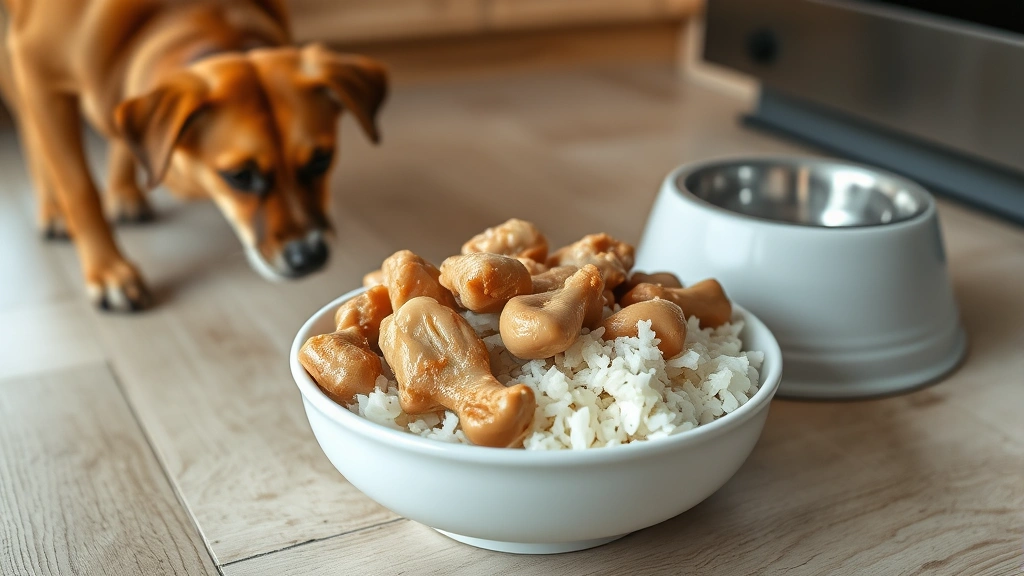
After the fasting period, introduce a bland diet. We’re talking plain boiled chicken, plain white rice, or plain ground turkey mixed together in a 1:1 ratio. Feed small portions—about a quarter of their normal meal size—every 2-3 hours. Gradually increase portions over 3-5 days while slowly mixing in their regular food. This gentle reintroduction helps prevent another round of upset stomach.
Solution 2: Hydration Is Your Secret Weapon
When dogs are vomiting and experiencing diarrhea, they’re losing fluids fast. Dehydration can sneak up on you and make everything worse. Make sure your pup has constant access to fresh water. If they’re reluctant to drink, try offering water in smaller amounts more frequently, or use an ice cube approach—some dogs prefer licking ice cubes to drinking from a bowl.
If your dog seems severely dehydrated (dry gums, lethargy, sunken eyes), contact your vet immediately. They might need IV fluids, which is nothing to mess around with. You can also ask your vet about electrolyte solutions made specifically for dogs—they’re like Pedialyte for your furry friend.
Solution 3: Probiotics and Digestive Supplements
Probiotics are basically the good bacteria that keep your dog’s gut happy and balanced. When your dog is throwing up and experiencing diarrhea, the bad bacteria and viruses can wipe out the good guys. Adding a dog-specific probiotic can help restore balance and speed up recovery.
Look for probiotics specifically formulated for dogs—not human probiotics, which might have ingredients that aren’t safe for pets. You can also consider canned pumpkin for dogs, which is packed with fiber and can help firm up stool while also being gentle on the stomach. Plain pumpkin puree (not pie filling) is a game-changer for many pet parents dealing with digestive upset.
Solution 4: Identify and Eliminate Trigger Foods
Here’s where detective work comes in. Think about what your dog ate in the 24-48 hours before the vomiting and diarrhea started. Did they get into the trash? Eat something at the dog park? Get a new treat? What not to feed your dog is a comprehensive guide to common culprits.
Once you identify the trigger, eliminate it completely. If you’re unsure whether your dog ate something toxic or dangerous, check out telehealth advice for pet poisoning for immediate guidance. Some foods that seem harmless to us—like grapes, chocolate, or xylitol-containing products—can be seriously dangerous for dogs. If your pup is a chronic food scavenger, consider using a muzzle during walks or keeping a closer eye on them at home.
Solution 5: Know When to Call the Vet
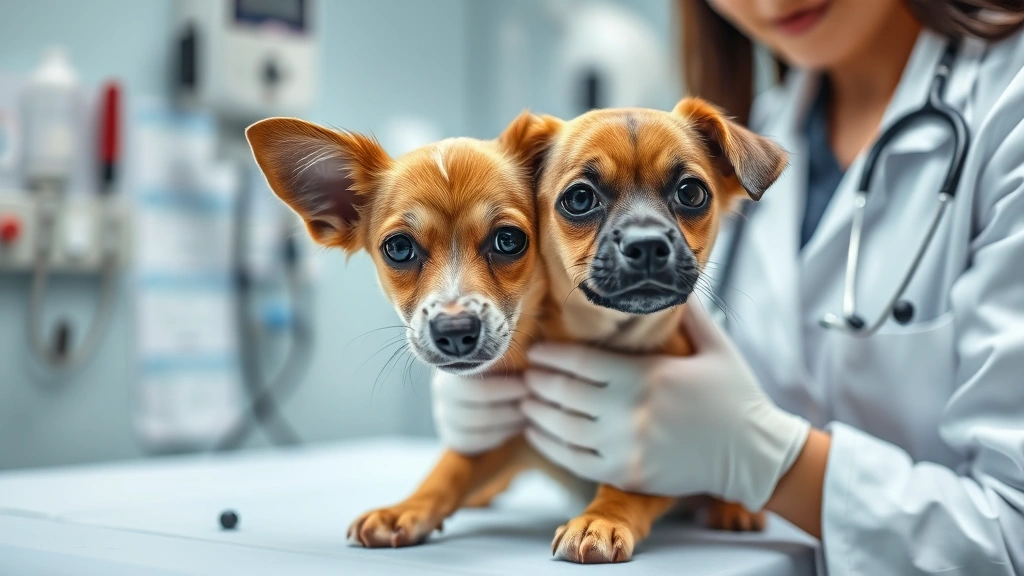
Not all cases of dog throwing up and diarrhea are DIY problems. You need to call the vet about food issues if certain red flags appear. Contact your veterinarian immediately if:
- Vomiting or diarrhea lasts longer than 24 hours
- Your dog is lethargic or won’t eat
- You see blood in vomit or stool
- Your dog shows signs of severe dehydration
- They’re a puppy, senior, or have pre-existing health conditions
- You suspect they ate something toxic
Your vet might recommend bloodwork, fecal tests, or imaging to rule out parasites, infections, or other serious conditions. Sometimes what looks like a simple stomach upset is actually something that needs professional treatment.
Puppy Vomiting and Diarrhea: Special Considerations
Puppies are basically tiny garbage disposals with zero impulse control. When a puppy is throwing up and having diarrhea, it’s often because they ate something they shouldn’t have. However, puppies are also more vulnerable to parasites and infections, so don’t wait around if symptoms persist. Puppies can dehydrate quickly, which makes this situation more urgent than it would be for an adult dog. Always err on the side of caution with young pups and contact your vet sooner rather than later.
Prevention: Stop the Cycle Before It Starts
The best medicine is prevention. Feed your dog high-quality food that agrees with their system, keep human food and trash out of reach, and maintain a consistent feeding schedule. Some dogs do better with vet approved human foods for pets added to their diet, while others need to stick to their regular kibble. Regular vet checkups, parasite prevention, and vaccinations all play a role in keeping your dog’s digestive system healthy.
What Recovery Looks Like
Most dogs bounce back from vomiting and diarrhea within 3-5 days with proper care. You’ll notice their energy returning, they’ll start asking for food again, and their stool will firm up. During recovery, stick with the bland diet for a full week even if they seem better, then gradually transition back to their regular food over another week. Patience during this phase prevents a relapse that can be even more frustrating than the original episode.
Frequently Asked Questions
How long should I fast my dog if they’re vomiting and have diarrhea?
Fast your dog for 12-24 hours depending on their age and overall health. Puppies and senior dogs might need a shorter fast (8-12 hours). Always consult your vet if you’re unsure, especially for dogs with medical conditions.
Is it safe to give my dog regular food right after fasting?
Absolutely not. Jump straight back to regular food and you’ll likely trigger another round of digestive upset. Always transition through bland food first, then gradually mix in their normal diet over several days.
Can I give my dog over-the-counter medications for vomiting and diarrhea?
Don’t give your dog any medications without vet approval. Some human medications are toxic to dogs, and what works for one dog might make another worse. Your vet can recommend safe, dog-appropriate options.
When should I be worried about my dog throwing up and having diarrhea?
Worry when symptoms last more than 24 hours, when you see blood, when your dog won’t eat or drink, or when they seem unusually lethargic. Trust your gut—if something feels wrong, call your vet.
Could my dog have a food allergy if they keep getting sick?
Possibly. If your dog has recurring episodes of vomiting and diarrhea, an elimination diet or allergy testing might be necessary. Your vet can help determine if food allergies are the culprit.
Summary: Getting Your Pup Back to Normal
Dog throwing up and diarrhea is stressful, but it’s usually manageable with patience and the right approach. Start with fasting and bland food, keep them hydrated, consider probiotics, and identify any trigger foods. Most importantly, know when to call your vet—that’s what they’re there for. Your dog will be back to their normal, mischievous self in no time, and you’ll be a pro at handling digestive upset. Just remember: when in doubt, contact your veterinarian. They’re your best resource for keeping your furry friend healthy and happy.





