
If your pup is dog throwing up bile, you’re probably freaking out a little—and rightfully so. That yellowish or greenish vomit isn’t just gross; it’s your dog’s way of saying something’s seriously off. But don’t panic just yet. We’re going to break down exactly what’s happening in your dog’s stomach, why bile keeps making an unwanted appearance, and what you can actually do about it without spending your entire paycheck at the vet.
Table of Contents
- What Is Bile and Why Is Your Dog Vomiting It?
- Cause #1: Empty Stomach and Acid Buildup
- Cause #2: Dietary Indiscretions and Food Issues
- Cause #3: Constipation and Digestive Blockages
- Cause #4: Inflammatory Bowel Disease and Gastritis
- Cause #5: Serious Health Issues Requiring Immediate Attention
- Quick Home Remedies and First Aid
- When to Call the Vet (Because You Probably Should)
- Preventing Future Bile Vomiting Episodes
- Understanding Bilious Vomiting Syndrome in Depth
- Key Takeaways and Action Plan
- Frequently Asked Questions
What Is Bile and Why Is Your Dog Vomiting It?
Let’s start with the basics because understanding what bile is makes this whole situation way less terrifying. Bile is a digestive fluid produced by your dog’s liver and stored in the gallbladder. Its job is to break down fats during digestion. Normally, bile stays put in the small intestine doing its thing. But when your dog is throwing up bile, it means stomach acid is pushing bile backward into the stomach—a condition called bilious vomiting syndrome.
Think of it like a traffic jam in your dog’s digestive highway. The bile’s supposed to flow one direction, but something’s causing a backup. That “something” is what we need to figure out.
Cause #1: Empty Stomach and Acid Buildup
Here’s the sneaky culprit that catches most dog owners off guard: an empty stomach. When your dog hasn’t eaten for a long time—especially overnight—stomach acid builds up with nothing to digest. This acid irritates the stomach lining and can trigger vomiting of bile, often called “empty stomach syndrome” or gastritis.

This is super common in dogs that are fed once a day or have irregular feeding schedules. You’ll typically notice your pup throwing up bile in the early morning or late afternoon, right before mealtime. The fix? Feed your dog smaller, more frequent meals. Many vets recommend splitting meals into two or three portions throughout the day.
If your dog has a sensitive stomach, human foods for pets with sensitive stomachs can help stabilize their digestive system between meals.
Cause #2: Dietary Indiscretions and Food Issues
Let’s be real—dogs are garbage disposals with legs. They’ll eat literally anything, and sometimes that anything doesn’t agree with them. Bile vomiting can happen when your dog consumes something fatty, spoiled, or just plain weird that irritates the digestive tract.

Common culprits include:
- Fatty table scraps and human food
- Garbage or rotting food
- Sudden diet changes without proper transition
- Greasy treats or bones
- Foods that trigger inflammation
The solution starts with prevention. Check out what not to feed your dog to avoid triggering episodes. If you’re switching foods, do it gradually over 7-10 days, mixing increasing amounts of new food with the old. And seriously, secure that trash can.
Cause #3: Constipation and Digestive Blockages
When your dog is constipated, everything backs up—literally. Constipation can cause dog vomiting bile because the backup pressure affects the entire digestive system. Your pup’s intestines get so full that bile gets pushed backward into the stomach.

Signs of constipation in dogs include straining during bowel movements, hard stools, or no stools for several days. Some dogs also show decreased appetite and lethargy. Constipation in dogs is more common than you’d think, especially in older dogs or those eating low-fiber diets.
Increase fiber intake gradually through pumpkin puree, sweet potato, or high fiber human foods for pets. Ensure your dog drinks plenty of water and gets regular exercise. If constipation persists beyond a few days, call your vet.
Cause #4: Inflammatory Bowel Disease and Gastritis
Some dogs develop chronic inflammation in their digestive tract, leading to conditions like inflammatory bowel disease (IBD) or gastritis. These aren’t just one-off issues—they’re ongoing problems that cause repeated bile vomiting.
Dogs with IBD typically show:
- Chronic vomiting (often bile)
- Diarrhea or loose stools
- Weight loss despite eating normally
- Increased appetite or decreased appetite
- Abdominal discomfort
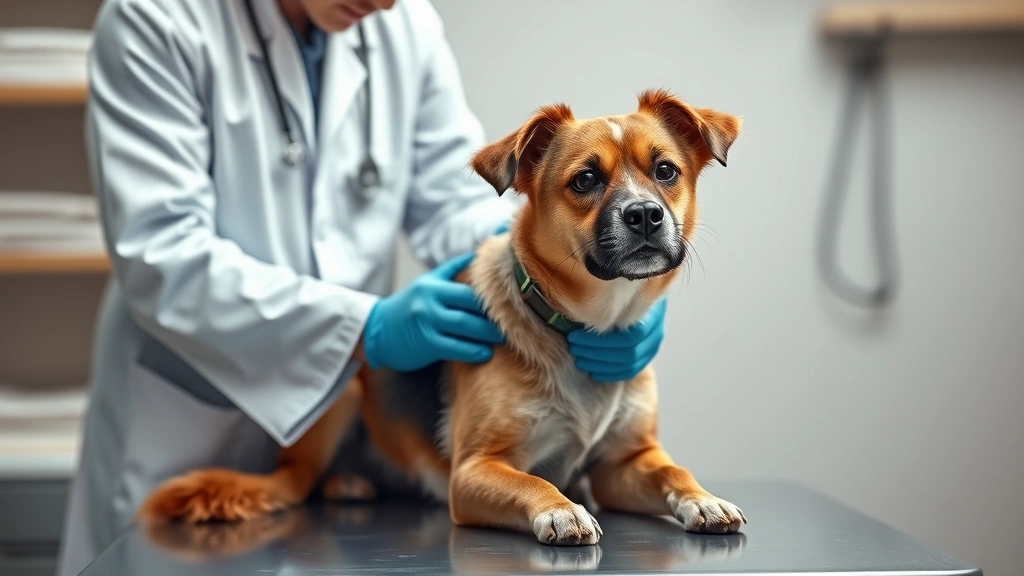
These conditions require veterinary diagnosis through blood work, fecal tests, and sometimes endoscopy. Your vet might recommend prescription diets, probiotics, or medications to reduce inflammation. It’s not a quick fix, but managing IBD significantly improves quality of life.
Cause #5: Serious Health Issues Requiring Immediate Attention
While most cases of dog throwing up bile are manageable, sometimes it signals something serious. Pancreatitis, liver disease, kidney issues, or intestinal blockages can all cause bile vomiting. These aren’t problems you can ignore or treat at home.

Red flags that demand immediate vet attention include:
- Persistent vomiting (more than once or twice)
- Vomiting accompanied by diarrhea
- Lethargy or unusual behavior changes
- Loss of appetite lasting more than a meal or two
- Abdominal pain or distension
- Blood in vomit
When in doubt, call your vet. They can run diagnostics and rule out serious conditions. It’s better to be safe than sorry when your pup’s health is on the line.
Quick Home Remedies and First Aid
So your dog just threw up bile. What do you do right now? Here’s the game plan:

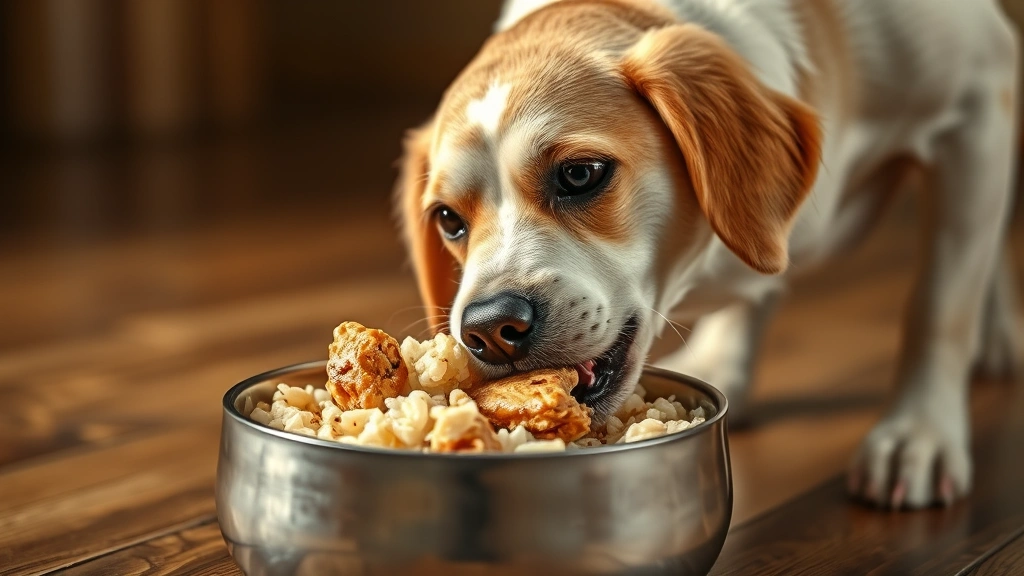
Immediate steps: Remove food for 12-24 hours to let the stomach settle. Offer small amounts of water or ice chips to prevent dehydration. After the fasting period, introduce bland foods like plain boiled chicken and white rice in small portions. Gradually return to normal food over several days.
Helpful supplements: Probiotics support digestive health and can reduce inflammation. Ginger supplements have natural anti-nausea properties. Slippery elm bark soothes the digestive tract. Always consult your vet before adding supplements.
Consider switching to healthy snack alternatives for dogs to prevent future episodes triggered by inappropriate treats.
When to Call the Vet (Because You Probably Should)
Listen, we can give you all the home remedies in the world, but sometimes your dog needs professional help. Call your vet if:
- Your dog vomits bile more than once or twice
- Vomiting continues for more than a few hours
- Your dog shows other symptoms (lethargy, diarrhea, pain)
- Your dog is a puppy, senior, or has pre-existing health conditions
- You’ve tried home remedies and nothing’s working
Your vet can perform blood work, imaging, and physical exams to identify the underlying cause. They might recommend specific diets, medications, or further testing. Trust their expertise—they went to school for this stuff.
Preventing Future Bile Vomiting Episodes
Once you’ve figured out why your dog is throwing up bile, prevention becomes your best friend. Here’s what works:

Feeding strategy: Split meals into two or three smaller portions daily instead of one large meal. This keeps food in the stomach and prevents acid buildup. Feed on a consistent schedule so your dog’s digestive system knows what to expect.
Diet management: Stick with high-quality dog food appropriate for your dog’s age and health status. When making changes, follow pet diet transition advice to avoid digestive upset. Avoid table scraps and fatty foods that trigger inflammation.
Lifestyle factors: Regular exercise aids digestion. Adequate water intake prevents constipation. Stress reduction helps too—anxious dogs sometimes develop digestive issues. Keep your pup’s environment calm and predictable.

Understanding Bilious Vomiting Syndrome in Depth
Bilious vomiting syndrome (BVS) is the fancy term for when your dog repeatedly vomits bile. It’s thought to happen when the pyloric sphincter (the valve between the stomach and small intestine) doesn’t function properly, allowing bile to reflux backward.
Dogs with BVS typically vomit bile in the morning or when hungry. It’s more common in older dogs and certain breeds. The good news? It’s usually manageable with dietary changes and sometimes medication.
Your vet might prescribe medications like maropitant (Cerenia) to reduce nausea or famotidine to decrease stomach acid. Dietary modifications—smaller, more frequent meals with lower fat content—often resolve the issue entirely.
Key Takeaways and Action Plan
Dog throwing up bile is your pup’s way of telling you something needs adjustment. Most cases stem from simple fixes like feeding schedules, dietary changes, or removing trigger foods. Some cases require veterinary intervention and ongoing management.
Start by identifying patterns: When does the vomiting happen? What did your dog eat? Are there other symptoms? Use this information to guide your next steps. Try home remedies first for mild cases, but don’t hesitate to call your vet if things don’t improve or worsen.
Remember, you know your dog best. If something feels off, trust your gut. Your dog’s health is worth a vet visit, and catching issues early prevents serious complications.
Frequently Asked Questions
Is dog vomiting bile always serious?
Not always. Many cases of bile vomiting are caused by simple issues like an empty stomach or dietary indiscretion. However, persistent or severe vomiting can indicate serious conditions requiring veterinary care. When in doubt, contact your vet.
Can I treat bile vomiting at home?
For mild, occasional episodes, yes. Fast your dog for 12-24 hours, then introduce bland food. Adjust feeding schedules to smaller, more frequent meals. However, if vomiting persists or worsens, professional veterinary care is necessary.
What’s the difference between bile vomiting and regular vomiting?
Bile vomit appears yellowish or greenish and has a distinctive bitter smell. Regular vomit might contain undigested food or other material. Bile vomiting specifically indicates stomach acid and bile are being expelled, suggesting a digestive system issue.
How long should I fast my dog after bile vomiting?
Most vets recommend fasting for 12-24 hours. This gives the stomach time to settle and reduces irritation. After fasting, introduce small amounts of bland food like boiled chicken and rice. Gradually return to normal food over several days.
Can diet changes cause bile vomiting?
Absolutely. Sudden diet changes can upset your dog’s digestive system and trigger bile vomiting. Always transition to new food gradually over 7-10 days, mixing increasing amounts of new food with the old.





