
If your dog is throwing up yellow bile, you’ve probably already cleaned up the mess and started googling like crazy. Welcome to the club—this happens to tons of dog owners, and while it’s gross and stressful, there’s usually a straightforward explanation. The yellow stuff your pup is hacking up is bile, a digestive fluid your dog’s liver produces to break down fats. When dogs vomit this bile, it typically means something’s off with their digestive system or feeding schedule.
Table of Contents
- What Is Bile and Why Is Your Dog Vomiting It?
- Cause #1: Bilious Vomiting Syndrome (The Hungry Pup Problem)
- Cause #2: Pancreatitis and Digestive Inflammation
- Cause #3: Intestinal Blockages or Foreign Objects
- Cause #4: Gastritis and Stomach Lining Irritation
- Cause #5: Liver Disease and Metabolic Issues
- Fast Solutions: What to Do Right Now
- When to Call the Vet (Seriously, Don’t Wait)
- Dietary Changes and Prevention Strategies
- When to Consider Telehealth vs. In-Person Visits
- Understanding Your Vet’s Treatment Plan
- Frequently Asked Questions
- The Bottom Line: Your Dog Will Be Fine
What Is Bile and Why Is Your Dog Vomiting It?
Bile is a greenish-yellow fluid stored in your dog’s gallbladder and released into the small intestine to help digest food. When your dog’s stomach is empty for too long, bile can irritate the stomach lining and trigger vomiting. Think of it like your dog’s digestive system hitting the panic button—there’s nothing to digest, so the bile just sits there causing trouble. This is especially common in dogs who skip meals or go too long between feedings.
Cause #1: Bilious Vomiting Syndrome (The Hungry Pup Problem)
Bilious vomiting syndrome is basically what happens when your dog’s stomach throws a tantrum from being empty too long. It’s super common in dogs, especially those on a once-a-day feeding schedule. Your pup wakes up in the morning with an empty stomach, bile builds up, and boom—yellow vomit on your kitchen floor. The fix? Feed your dog more frequently or add a small snack before bedtime. Many vets recommend splitting meals into two or even three smaller portions throughout the day. This keeps the stomach from becoming completely empty and reduces bile buildup.
Cause #2: Pancreatitis and Digestive Inflammation
Pancreatitis is inflammation of the pancreas, and it’s a more serious culprit behind yellow bile vomiting in dogs. High-fat diets are a major trigger, so if your pup got into some fatty table scraps or rich human food, pancreatitis could be the reason for the yellow vomit. Other signs include lethargy, loss of appetite, abdominal pain, and diarrhea. This one needs veterinary attention because pancreatitis can become serious quickly. Your vet might recommend bloodwork and imaging to confirm the diagnosis, followed by a low-fat diet and possibly medication.
Cause #3: Intestinal Blockages or Foreign Objects
Dogs are notorious for eating things they shouldn’t—toys, socks, rocks, you name it. If your dog swallowed something that’s now blocking their intestines, bile vomiting is often one of the first signs. Other red flags include constipation, abdominal pain, loss of appetite, and lethargy. Blockages are a medical emergency because they can cut off blood supply to the intestines. If you suspect your dog ate something foreign, contact your vet immediately or head to an emergency clinic. Imaging like X-rays or ultrasound can confirm a blockage, and surgery might be necessary to remove the object.
Cause #4: Gastritis and Stomach Lining Irritation
Gastritis—inflammation of the stomach lining—can cause dogs to vomit bile. This happens when something irritates the stomach, whether it’s spoiled food, sudden diet changes, stress, or even eating too fast. Dogs with sensitive stomachs or those prone to scavenging are particularly susceptible. The good news? Mild gastritis often resolves on its own with rest and a bland diet. Consider transitioning your dog’s food gradually if you’re switching brands, and avoid sudden dietary changes that shock the system.
Cause #5: Liver Disease and Metabolic Issues
Sometimes yellow bile vomiting signals something more serious like liver disease, kidney problems, or other metabolic conditions. These typically come with additional symptoms like jaundice (yellowing of the eyes and gums), weight loss, increased thirst, and changes in appetite. If your senior dog or a dog with existing health conditions starts vomiting yellow bile regularly, this warrants a thorough vet checkup including blood work and possibly ultrasound. Early detection of liver or kidney disease can make a huge difference in your dog’s prognosis and quality of life.
Fast Solutions: What to Do Right Now
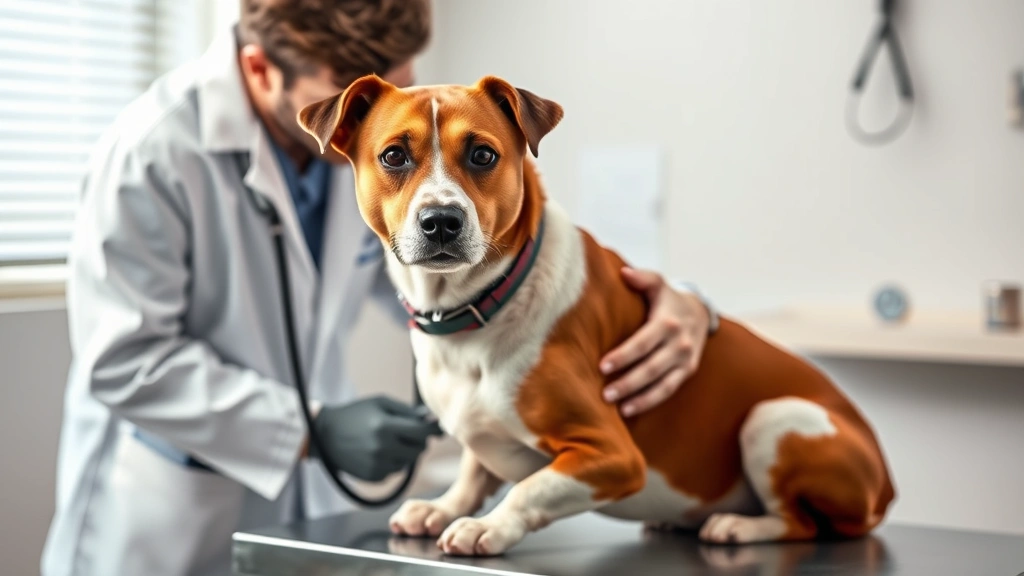
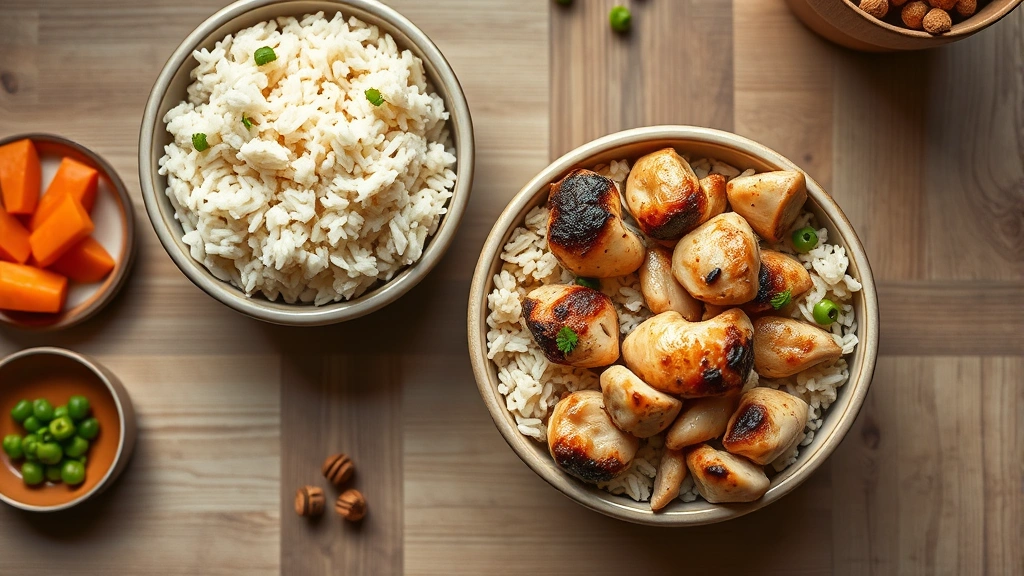
First, don’t panic—most cases of yellow bile vomiting aren’t emergencies, but some are. If your dog is vomiting repeatedly, seems lethargic, or shows signs of abdominal pain, call your vet or emergency clinic immediately. For less severe cases, try these quick fixes: feed your dog smaller, more frequent meals (aim for at least twice daily), add a light snack before bedtime, and avoid fatty or rich foods. You can also try feeding a bland diet of boiled chicken and rice for a few days to give the digestive system a break. Keep your pup hydrated but offer water in small amounts to avoid overwhelming the stomach.
When to Call the Vet (Seriously, Don’t Wait)
Contact your veterinarian if your dog vomits yellow bile more than once, if it’s accompanied by other symptoms like diarrhea or lethargy, or if your dog seems in pain. Schedule a virtual pet checkup if you want professional guidance without leaving home, or book an in-person appointment if your vet recommends physical examination. Red flags that demand immediate emergency care include repeated vomiting, inability to keep anything down, severe abdominal pain, signs of shock (pale gums, weakness), or suspected foreign object ingestion.
Dietary Changes and Prevention Strategies
Prevention is way easier than treatment. Feed your dog at least twice daily—morning and evening—to prevent an empty stomach situation. Consider vet-approved human foods for pets as occasional treats, and avoid high-fat table scraps that can trigger pancreatitis. If your dog has a sensitive stomach, invest in high-quality, easily digestible dog food. Some dogs do better on limited-ingredient or grain-free diets, though this varies by individual. Keep your pup away from garbage, toxic foods, and non-food items. If your dog is a fast eater, use a slow-feeder bowl to prevent gulping air and food too quickly, which can irritate the stomach.
When to Consider Telehealth vs. In-Person Visits
Not every case of yellow bile vomiting requires an emergency vet visit. If your dog had one episode, seems otherwise normal, and you’ve adjusted feeding schedules, telehealth vet appointments can be a convenient first step. You can describe symptoms, get professional advice, and determine if in-person examination is necessary. However, if your dog is acutely ill, in severe pain, or you suspect a blockage, book an in-person appointment or head to an emergency clinic. Your vet might recommend bloodwork, ultrasound, or other diagnostics that require physical presence.
Understanding Your Vet’s Treatment Plan
Once your vet diagnoses the cause, treatment varies widely. For bilious vomiting syndrome, the fix is feeding adjustments. For pancreatitis, expect dietary restrictions and possibly medications. Blockages need surgery. Liver disease might require long-term management with special diet and medications. Gastritis usually responds to rest and bland food. Always ask your vet about the prognosis, timeline for improvement, and any lifestyle changes you need to make. Don’t hesitate to ask questions—understanding the treatment plan helps you support your dog’s recovery.
Frequently Asked Questions
Is yellow bile vomiting in dogs always serious?
Not always. Bilious vomiting syndrome from an empty stomach is common and manageable with feeding adjustments. However, repeated vomiting, especially with other symptoms, warrants veterinary evaluation. Trust your gut—if something feels off, call your vet.
Can I treat yellow bile vomiting at home?
Mild cases can often be managed at home by adjusting feeding schedules, offering bland food, and ensuring hydration. However, if home care doesn’t improve the situation within 24-48 hours, or if your dog shows other symptoms, professional veterinary care is necessary.
What should I feed a dog vomiting yellow bile?
Start with a bland diet: boiled chicken (skinless), rice, and plain pumpkin. Avoid fatty, spicy, or rich foods. Feed small, frequent meals rather than large ones. Once your dog stabilizes, gradually transition back to regular food over 7-10 days.
How can I prevent my dog from vomiting yellow bile?
Feed your dog at least twice daily, avoid high-fat foods, prevent access to garbage and non-food items, and maintain a consistent feeding schedule. If your dog has pancreatitis or other digestive issues, follow your vet’s dietary recommendations closely.
Should I give my dog medication for yellow bile vomiting?
This depends on the underlying cause. Bilious vomiting syndrome typically doesn’t need medication—just feeding adjustments. Pancreatitis, gastritis, or other conditions might require medications prescribed by your vet. Never give your dog medication without veterinary guidance.
The Bottom Line: Your Dog Will Be Fine
Dog throwing up yellow bile is stressful, but it’s usually manageable. The most common cause—bilious vomiting syndrome—is easily fixed by feeding your pup more frequently. For other causes, early veterinary intervention makes a huge difference. Pay attention to patterns, keep your vet in the loop, and don’t ignore persistent symptoms. Your dog depends on you to catch problems early, and the fact that you’re reading this means you’re already a great pet parent. Take a breath, schedule that vet appointment if needed, and remember that most dogs bounce back quickly with proper care.





