
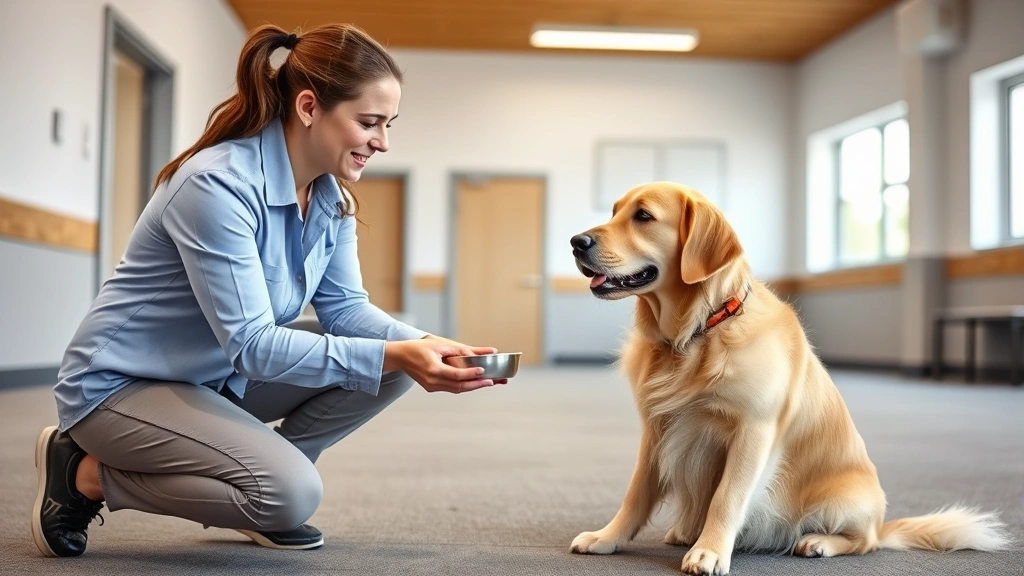
If your dog turns into a furry little dragon whenever you come near their food bowl, you’re not alone—and yes, dog trainers for resource guarding exist specifically to help with this exact problem. Resource guarding is when dogs become possessive over food, toys, or other items, and it’s one of the most common behavioral issues trainers tackle. The good news? It’s fixable. The better news? You don’t have to figure it out solo.
Table of Contents
- What Exactly Is Resource Guarding in Dogs?
- Why Professional Dog Trainers for Resource Guarding Make All the Difference
- Solution #1: Counter-Conditioning and Desensitization Training
- Solution #2: The “Nothing in Life Is Free” Protocol
- Solution #3: High-Value Trade-Up Games
- Solution #4: Environmental Management and Prevention
- Solution #5: Medication Support (When Needed)
- Finding the Right Dog Trainers for Resource Guarding
- Resource Guarding and Diet: A Connected Issue
- Training Timeline: What to Expect
- Frequently Asked Questions
- Summary: Your Action Plan
What Exactly Is Resource Guarding in Dogs?
Resource guarding isn’t just your pup being a jerk—it’s actually a survival instinct gone haywire. Dogs guard resources because, deep down, they’re worried someone (you, another pet, or that squirrel outside) will take away something valuable. This can manifest as stiff body language, growling, snapping, or full-on biting when you approach their food, toys, or even favorite sleeping spots.
The severity ranges from mild (a quick glance that says “back off”) to severe (actual aggression). Either way, it’s a behavior that needs professional attention, especially if you have kids or other pets in the house.
Why Professional Dog Trainers for Resource Guarding Make All the Difference
Here’s the thing: resource guarding is one of those behaviors where DIY training can actually make things worse. A lot of old-school advice (like forcing your dog to share or punishing them) backfires spectacularly. That’s where certified dog trainers specializing in resource guarding come in. They use science-backed methods like counter-conditioning and desensitization to rewire your dog’s anxiety around resources.
Professional trainers assess whether your dog’s guarding is mild, moderate, or severe—and they tailor their approach accordingly. They also teach you the exact techniques to continue at home, which is crucial for long-term success.
Solution #1: Counter-Conditioning and Desensitization Training
This is the gold standard for resource guarding. Counter-conditioning works by changing your dog’s emotional response to people approaching their stuff. Instead of thinking “Oh no, they’re taking my food!” your dog learns “Oh good, a person is coming—treats appear!”
A qualified trainer will start at a distance where your dog doesn’t react, then gradually move closer while rewarding calm behavior. Over weeks, your dog learns that your approach = good things happen. It’s tedious, but it works like magic when done correctly.
Solution #2: The “Nothing in Life Is Free” Protocol
This management strategy flips the script entirely. Instead of your dog controlling when they get resources, you do. Your dog earns everything—food, toys, attention, even walks—by following basic commands first. This re-establishes that you’re the one making decisions about resources, which actually reduces anxiety in many dogs.
Your trainer will help you implement this consistently across your household, which is key. If one family member slips up and just hands over a treat, you’re undermining the whole system.
Solution #3: High-Value Trade-Up Games
Instead of just taking things away (which escalates guarding), trainers teach you to offer something even better in exchange. Your dog has a toy? You offer a piece of chicken. They learn that giving things up actually results in better stuff coming their way.
This requires finding your dog’s true high-value rewards—sometimes it’s not what you think. Your trainer will help identify what actually motivates your specific pup, whether that’s specific treats, play, or even praise.

Solution #4: Environmental Management and Prevention
While training happens, you need to manage the environment to prevent rehearsal of the guarding behavior. This means feeding your dog in a separate room, removing access to toys when multiple pets are present, and avoiding situations that trigger guarding while you’re still working through training.
Think of it like this: every time your dog practices resource guarding, they’re reinforcing the neural pathway. Your job is to prevent that practice while retraining the correct response. Your trainer will create a specific management plan for your home.
Solution #5: Medication Support (When Needed)
For severe cases, especially those involving aggression, your vet and trainer may recommend anti-anxiety medication to help your dog learn. This isn’t a substitute for training—it’s a tool that makes training possible. Some dogs are too anxious to learn without pharmaceutical support, and there’s zero shame in that.
Your veterinarian can discuss options like SSRIs or other medications that reduce the anxiety driving the guarding behavior. Combined with behavioral training, this approach has excellent success rates.
Finding the Right Dog Trainers for Resource Guarding
Not all trainers are created equal, especially for serious behavioral issues. Look for trainers certified by organizations like the Certification Council for Professional Dog Trainers (CCPDT) or those with specific credentials in behavior modification. Ask about their experience with resource guarding specifically—it’s a specialized skill.
Red flags: Anyone who promises a “quick fix,” uses punishment-based methods, or doesn’t involve your vet in the process. Green flags: They ask detailed questions, want to assess your dog in person, recommend management strategies, and provide written protocols for you to follow at home.
Resource Guarding and Diet: A Connected Issue
Here’s something many people don’t realize: a dog’s diet can sometimes amplify guarding behaviors. If your dog is anxious about nutrition or has digestive issues, they may guard food more intensely. Make sure you’re feeding a high-quality diet that keeps your dog feeling secure and healthy. Check out our guide on harmful foods for dogs to ensure you’re not accidentally feeding something that increases anxiety.
Similarly, if your dog has ingested something toxic, the stress and health issues that follow can worsen behavioral problems. If you’re ever unsure about what’s safe, the Pet Poison Hotline is an invaluable resource.
Training Timeline: What to Expect
Mild resource guarding might improve in 4-8 weeks with consistent training. Moderate cases often take 2-3 months. Severe cases? Plan for 3-6 months or longer. The timeline depends on your dog’s age, history, severity, and how consistently you implement the training at home.
Don’t expect perfection. The goal is management and significant improvement, not necessarily a dog who’s totally cool with you grabbing their food bowl. Some dogs will always have a mild guarding tendency—and that’s okay as long as it’s safe and manageable.

Frequently Asked Questions
Is resource guarding dangerous?
It can be, yes. Mild guarding (stiff body, quick glance) is manageable, but if your dog is snapping or biting, that’s a safety concern requiring immediate professional intervention. Never ignore escalating guarding behavior.
Can I train resource guarding myself?
You can manage it with proper guidance, but professional trainers are strongly recommended. Mistakes can escalate the behavior or even get you bitten. Work with a trainer, then maintain their protocols at home.
Will my dog ever be “cured” of resource guarding?
Resource guarding is more about management than cure. With proper training, most dogs improve dramatically. Some may always have a slight tendency, which is fine as long as it stays within safe, manageable limits.
Should I punish my dog for resource guarding?
Absolutely not. Punishment increases anxiety and makes guarding worse. It can also damage your relationship and increase bite risk. Positive reinforcement-based training is the evidence-based approach.
What if I have multiple dogs and one guards resources?
Your trainer will help you manage feeding separately and create protocols for toy access. Multi-dog households with resource guarding require extra careful management and training.
When should I call the vet about resource guarding?
Always start with your vet to rule out medical issues (pain, nutritional deficiencies, parasites). Then get a trainer referral. If your dog has injured anyone or shows severe aggression, consult both your vet and trainer immediately. See when to call the vet about food for more guidance on food-related health concerns.
Summary: Your Action Plan
Resource guarding is fixable, but it requires professional help, consistency, and patience. Start by scheduling a vet check to rule out medical issues, then find a certified trainer experienced with resource guarding. Implement their management strategies immediately while beginning counter-conditioning training. Track progress, stay consistent, and remember that improvement is a marathon, not a sprint.
Your dog isn’t being malicious—they’re anxious. With the right approach, you can help them feel secure and safe, and transform mealtime from a stressful standoff into a calm part of your routine. That’s what dog trainers for resource guarding are really here to do: help your dog feel better while keeping everyone safe.





