
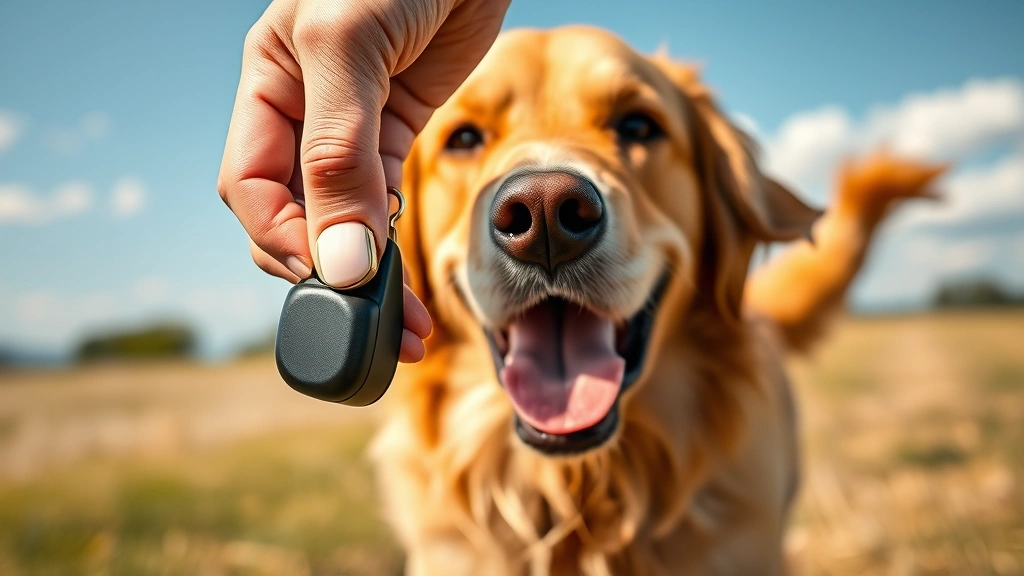
A dog training whistle might just be the secret weapon your training arsenal has been missing. If you’ve ever wondered why some trainers seem to have magical control over their pups while yours ignores your voice commands from five feet away, the answer might be simpler than you think—and it fits in your pocket.
Table of Contents
- What Exactly Is a Dog Training Whistle?
- Why Dog Whistle Training Beats Voice Commands
- Method 1: The Association Phase—Teaching Your Dog the Whistle Means Business
- Method 2: The Recall Command—Getting Your Dog to Come Running
- Method 3: The Sit and Stay Protocol
- Method 4: Distance Training and Off-Leash Work
- Method 5: Troubleshooting and Advanced Applications
- Choosing the Right Dog Training Whistle
- Common Mistakes That Sabotage Whistle Training
- Real-World Success Stories and Applications
- Combining Whistles With Other Training Methods
- Frequently Asked Questions
- Summary: Why Your Dog Training Whistle Deserves a Spot in Your Pocket
What Exactly Is a Dog Training Whistle?
Let’s start with the basics. A dog training whistle, also called an ultrasonic or silent whistle, produces high-frequency sounds that human ears can barely detect but dogs hear loud and clear. Unlike your voice, which gets lost in background noise and carries emotional baggage (“COME HERE, FIDO!” sounds way different when you’re frustrated), a whistle delivers consistent, neutral signals that dogs find easier to understand and respond to.
The beauty here is that dogs have hearing ranges between 40 Hz to 60,000 Hz, while humans max out around 20,000 Hz. That means your pup is picking up frequencies you literally cannot hear. It’s like having a secret communication channel directly to your dog’s brain.
Why Dog Whistle Training Beats Voice Commands
Your voice is emotional. You wake up grumpy, your dog hears it. You’ve had three coffees, your dog hears that too. A whistle? Completely neutral. Every single time you blow it, it sounds identical. No bad day vibes, no excitement leakage, just pure signal.
Dogs also struggle filtering out background noise the same way we do. At a dog park with twenty other pups running around, your “COME” might blend into the chaos. But that sharp whistle cut? That’s cutting through like a laser beam. Professional trainers, search and rescue teams, and hunting dog handlers have known this for decades.
Plus, there’s the distance factor. A whistle carries further than your voice and maintains clarity. Your dog can hear it from across a field without you screaming like a maniac. Your neighbors will actually appreciate this.
Method 1: The Association Phase—Teaching Your Dog the Whistle Means Business
Before your dog will respond to a whistle, they need to understand it means something. This is where the association phase comes in, and it’s the foundation everything else builds on.
Start in a quiet environment—your living room, not the dog park. Give one short, clear whistle blast, then immediately reward your dog with high-value treats (not the sad kibble, we’re talking chicken, cheese, or those homemade dog biscuits your pup goes crazy for). Repeat this 10-15 times per session, keeping sessions short (5-10 minutes max).
Your dog’s brain starts connecting the dots: whistle = treat appears. This is pure Pavlovian conditioning, and it works because you’re not asking for anything yet. You’re just building the association. Do this for 3-5 days before moving to the next phase. Patience here saves frustration later.
Method 2: The Recall Command—Getting Your Dog to Come Running
Once your dog associates the whistle with rewards, it’s time to teach recall. This is where whistle training becomes genuinely life-changing. A reliable recall could literally save your dog’s life if they’re about to chase a squirrel into traffic.
Start with your dog on a long leash in a controlled space. Get their attention, then blow the whistle (use the same pattern every time—consistency is crucial). The moment they turn toward you or start moving in your direction, reward immediately. If they don’t respond, gently reel them in with the leash, then reward anyway. They’re learning the connection between the whistle and coming to you.
Gradually increase distance and distractions over weeks. Practice in different environments. The American Kennel Club emphasizes that consistent recall training requires patience and positive reinforcement, and a whistle accelerates this process significantly because of its clarity and consistency.
Method 3: The Sit and Stay Protocol
Once recall is solid, you can layer in additional commands. Teach “sit” with a whistle by using two distinct patterns—one short blast for sit, one longer blast for stay. The key is making each signal unique enough that your dog can distinguish between them.
Blow the whistle for sit, lure your dog into position with a treat, reward. Repeat dozens of times until the association is automatic. Then introduce the stay whistle pattern before they move. This takes weeks, not days. Dogs learn through repetition, and you’re essentially teaching them a new language.
Many trainers recommend using a coach dog collar or training collar in conjunction with whistle training for added control during off-leash sessions, though positive reinforcement alone can absolutely work.
Method 4: Distance Training and Off-Leash Work
This is where whistle training becomes genuinely magical. Once your dog reliably responds to whistle commands indoors and on-leash, you can start expanding to off-leash scenarios.
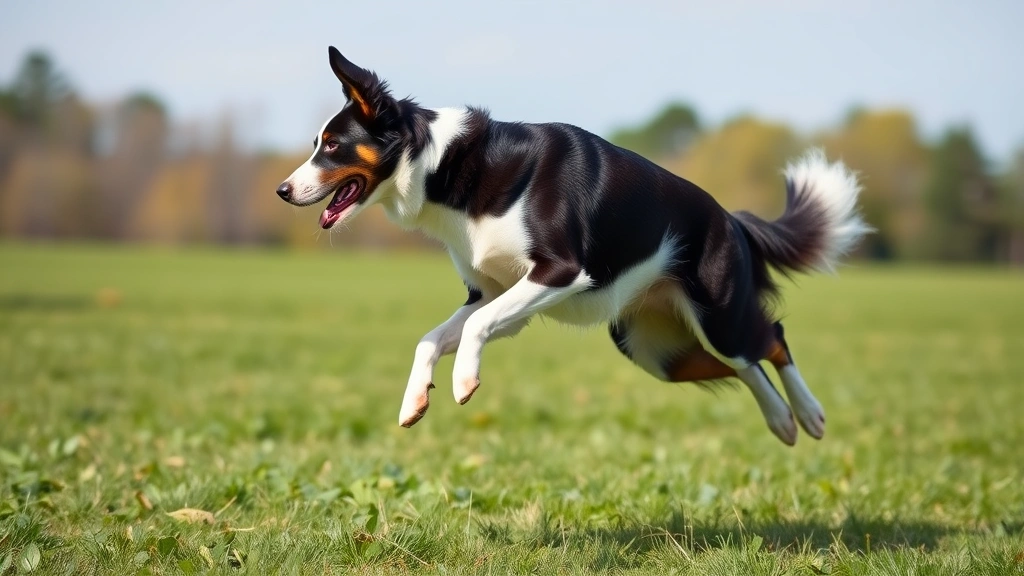
Begin in enclosed areas—a fenced yard, a tennis court, anywhere escape is impossible. Your dog needs to learn they respond to the whistle even when they’re not physically tethered to you. This requires hundreds of repetitions and real-world distractions (other dogs, interesting smells, squirrels, the works).
Blow the whistle, reward when they respond. Blow it when they’re distracted and reward when they snap back to attention. This is where recall becomes a genuine safety tool. Off-leash hiking, beach trips, and dog park adventures become viable because you have reliable communication.
Method 5: Troubleshooting and Advanced Applications
Not every dog responds to whistle training at the same pace. Some dogs have hearing sensitivities or anxiety around sharp sounds. If your dog reacts fearfully to the whistle, start with gentler tones or quieter volumes. You want association with good things, not fear.
Some dogs also get confused if you’re using too many different whistle patterns. Stick to 2-3 maximum (recall, sit, stay). More than that and you’re asking too much cognitive load. Dogs aren’t computers; they’re learning through repetition and association.
Advanced applications include using different whistle patterns for different family members or training multiple dogs with distinct signals. Search and rescue handlers train dogs to respond to specific whistle patterns that mean “find the person” or “return to base.” You can absolutely get that sophisticated if you want.
Choosing the Right Dog Training Whistle
Not all whistles are created equal. There are several types:
Ultrasonic/Silent Whistles: Produce frequencies humans can’t hear. Great for not annoying your neighbors, but you lose auditory feedback about whether you’re blowing it correctly.
Acme Thunderer Whistles: The classic choice used by professional trainers for decades. You can hear them, your dog hears them louder, and they’re durable as hell.
Electronic Whistles: Battery-powered options with adjustable frequency. Useful for dogs with specific hearing ranges or sensitivities.
For most people starting out, a standard Acme whistle costs like five bucks and works brilliantly. Don’t overthink the equipment. The consistency of your training matters infinitely more than having the fanciest whistle on the market.
Common Mistakes That Sabotage Whistle Training
Here’s where people mess up: they blow the whistle inconsistently. Different patterns, different volumes, different timing relative to the reward. Your dog can’t learn if the signal keeps changing. Treat the whistle like a language—use the same “words” every single time.
Another killer mistake is expecting overnight results. Whistle training works faster than voice training, but we’re still talking weeks for solid recall, months for truly reliable off-leash behavior. Anyone promising instant results is selling snake oil.
People also sometimes punish their dog for not responding to the whistle. This completely defeats the purpose. The whistle should always be associated with positive outcomes. If your dog doesn’t respond, that’s on your training progression, not your dog’s willingness.
Real-World Success Stories and Applications
Hunting dog handlers have relied on whistle training for centuries because it works in field conditions where voice commands fail. A bird dog needs to respond instantly to directional signals from hundreds of yards away—impossible with voice, trivial with a whistle.
Search and rescue teams use whistle training because it’s faster and more reliable than voice. When you’re looking for a lost hiker in dense forest, you need your dog responding to consistent signals, not trying to parse emotional nuance from your voice.
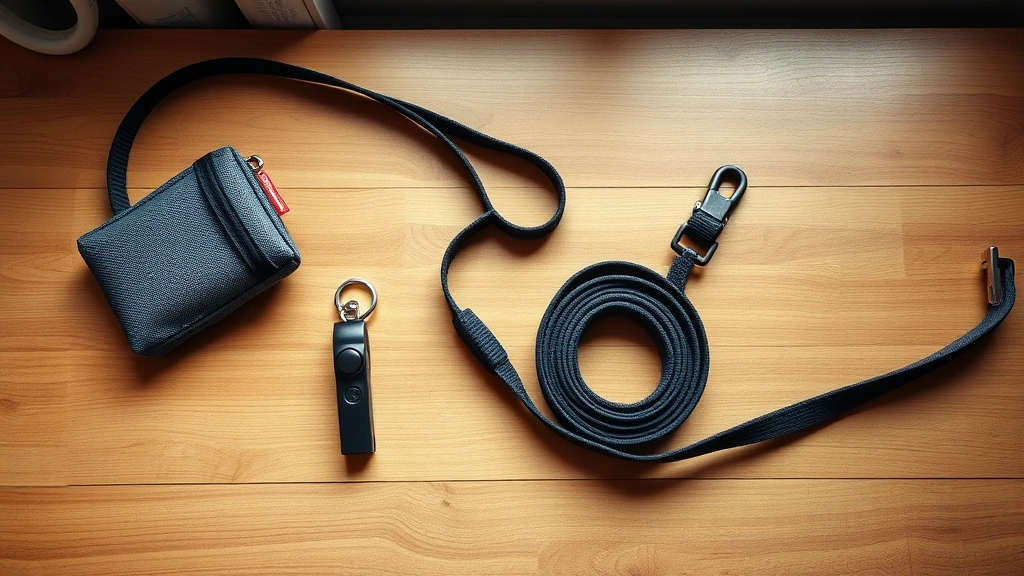
Even regular pet owners report dramatic improvements in their dog’s reliability once they switch to whistle training. One trainer we spoke with said her reactive dog went from lunging at every other dog to walking calmly past them once she switched to whistle-based commands. The consistency apparently helped reduce her own anxiety, which her dog was feeding off.
Proper nutrition also supports training success—a well-fed dog with good energy levels learns faster than a hungry one. Consider incorporating healthy snack alternatives for dogs into your training rewards rotation to keep things interesting while maintaining nutrition.
Combining Whistles With Other Training Methods
Whistle training isn’t an either-or situation. You can absolutely combine it with clicker training, verbal commands, and hand signals. Many professional trainers use all of these in concert. The whistle becomes your long-distance, high-clarity signal, while other methods work in closer quarters or lower-distraction environments.
Some trainers teach dogs to respond to both voice and whistle commands for the same behavior. This gives you flexibility—indoors you might use voice, outdoors you might use the whistle. The dog learns both are valid signals for the same action.
Frequently Asked Questions
Will a dog training whistle work on any breed?
Yes, with caveats. Dogs with hearing loss or deafness won’t respond to auditory signals—they’d need visual signals instead. Some breeds are more food-motivated than others, which affects how quickly they learn. But the fundamental mechanism works across all hearing dogs.
How long does it take to train a dog with a whistle?
Basic association takes 3-5 days. Reliable recall in controlled environments takes 2-4 weeks. Truly solid off-leash reliability takes 2-3 months of consistent practice. This varies wildly based on your dog’s age, temperament, and your consistency.
Can I use a dog training whistle for multiple dogs?
Absolutely. You can teach different patterns to different dogs, or teach the same pattern to multiple dogs. Some people use different whistles for different dogs. The key is consistency within each dog’s training.
Is whistle training cruel or painful for dogs?
No. Dogs hear at higher frequencies than humans, so the whistle isn’t loud or painful to them—it’s just audible. If your dog reacts fearfully, you might be using too high a frequency or too much volume. Start quiet and gentle, then adjust as needed.
What if my dog doesn’t respond to the whistle?
You might be moving too fast through training phases. Go back to the association phase—whistle then treat, no commands. Your dog needs to understand what the whistle means before they can respond to it. Also check that you’re using high-value rewards. Kibble won’t cut it; use chicken, cheese, or those safe human snacks for pets.
Can I teach an old dog whistle training?
Absolutely. The “old dog, new tricks” saying is mostly myth. Dogs of any age can learn whistle training. Older dogs might learn slightly slower, but many actually learn faster because they’re calmer and less distracted than puppies.
Summary: Why Your Dog Training Whistle Deserves a Spot in Your Pocket
A dog training whistle is one of the most underrated tools in modern dog training. It’s cheap, effective, consistent, and works across breeds, ages, and temperaments. Unlike voice commands that carry emotional baggage and get lost in noise, a whistle delivers clear, consistent signals your dog can’t misinterpret.
The five methods outlined here—association, recall, sit/stay, distance training, and troubleshooting—give you a complete framework for implementing whistle training. Start with the association phase in a quiet environment, progress at your dog’s pace, stay consistent with your signals, and you’ll see results faster than you’d believe.
Whether you’re looking to improve your dog’s reliability off-leash, reduce stress during walks, or just have better communication with your pup, whistle training delivers. Your dog’s hearing is wired for it, your patience is the only requirement, and the payoff is a dog who responds reliably regardless of distractions.
Grab a five-dollar whistle, commit to consistent training, and prepare to be amazed at how quickly your dog “gets it.” Your neighbors will appreciate not hearing you screaming commands across the neighborhood, and your dog will appreciate the clear, consistent communication. Everyone wins.





