
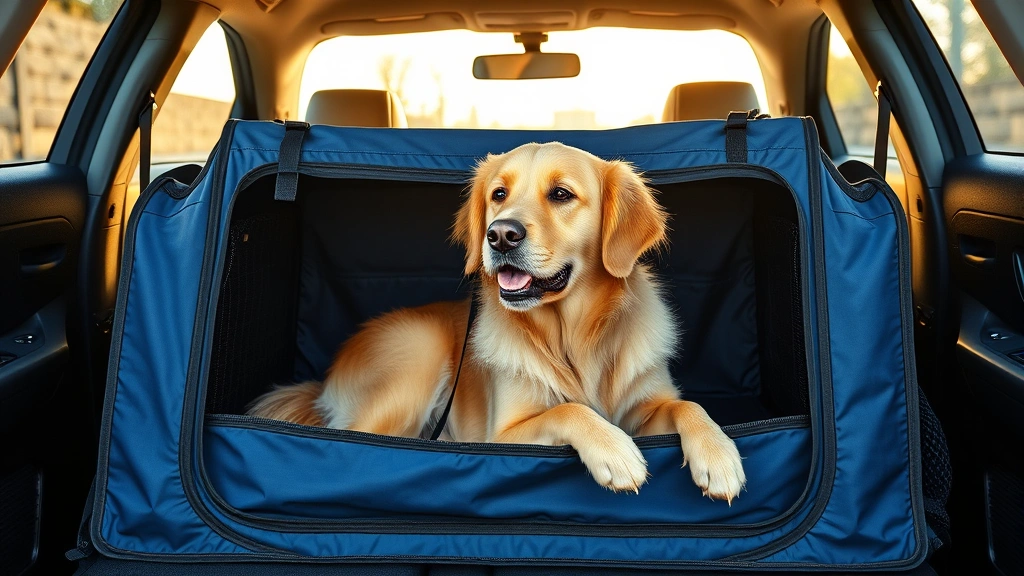
A dog travel crate is your furry friend’s personal fortress on wheels, keeping them secure and stress-free during road trips, flights, and adventures. Whether you’re heading to grandma’s house or embarking on a cross-country road trip, choosing the right travel crate can make the difference between a chaotic nightmare and a smooth journey. Let’s dive into everything you need to know about selecting the perfect portable home for your pup.
Table of Contents
- Why Your Dog Needs a Travel Crate
- Types of Dog Travel Crates Explained
- Size Matters: Getting the Right Fit
- Top 5 Dog Travel Crates for Your Next Adventure
- Preparing Your Dog for Crate Travel
- Safety Features to Look For
- Essential Accessories for Comfortable Travel
- Common Travel Crate Mistakes to Avoid
- Air Travel Considerations
- Budget-Friendly Options Without Sacrificing Quality
- Maintenance and Cleaning Tips
- Frequently Asked Questions
- Final Thoughts: Making Travel Safe and Comfortable
Why Your Dog Needs a Travel Crate
Traveling with dogs isn’t just about throwing them in the backseat and hoping for the best. A proper dog travel crate serves multiple critical purposes. First, it keeps your pet safe during sudden stops or accidents—think of it as a seatbelt for dogs. Second, it reduces anxiety by providing a familiar, enclosed space where dogs feel secure. Third, it prevents destructive behavior and keeps your vehicle clean. According to the American Kennel Club, crate training is one of the most effective ways to manage pet safety during travel.
Dogs are den animals by nature, meaning they instinctively seek enclosed spaces for comfort. A travel crate taps into this natural instinct, making your pup feel protected rather than confined. Plus, it’s a lifesaver when you need to stop at a rest area or visit a pet-friendly restaurant.
Types of Dog Travel Crates Explained
Not all dog travel crates are created equal, and understanding the different styles helps you pick the winner for your specific needs.
Collapsible Crates: These lightweight champions fold down to nothing, making them perfect for car trips and travel. Check out our guide on collapsible dog crates for detailed comparisons. They’re typically made from mesh or fabric and work best for dogs under 50 pounds.
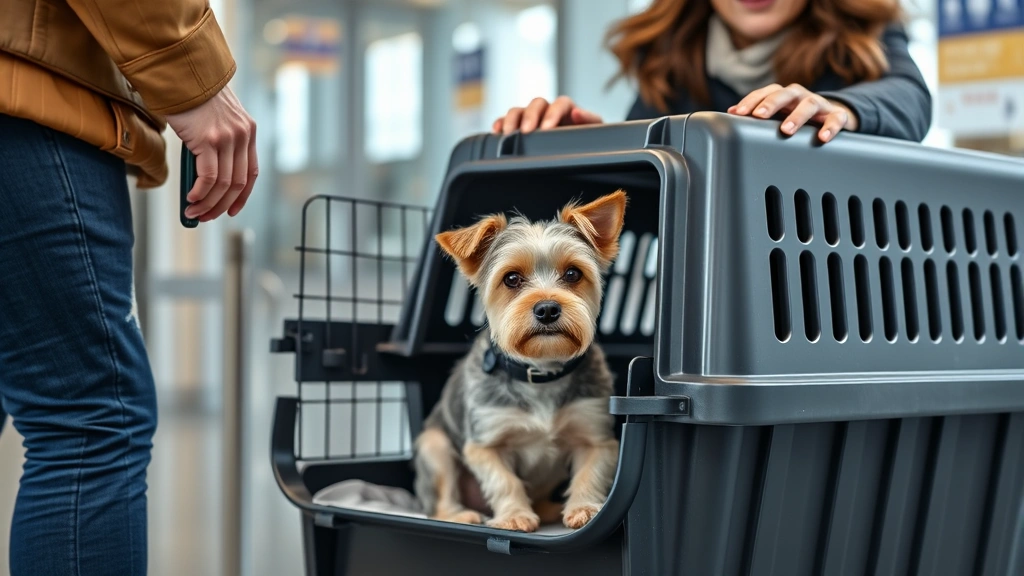
Plastic Airline Crates: If you’re flying with your furry friend, these IATA-approved crates are your golden ticket. They’re durable, secure, and airline-compliant. They’re heavier than collapsible options but offer superior protection.
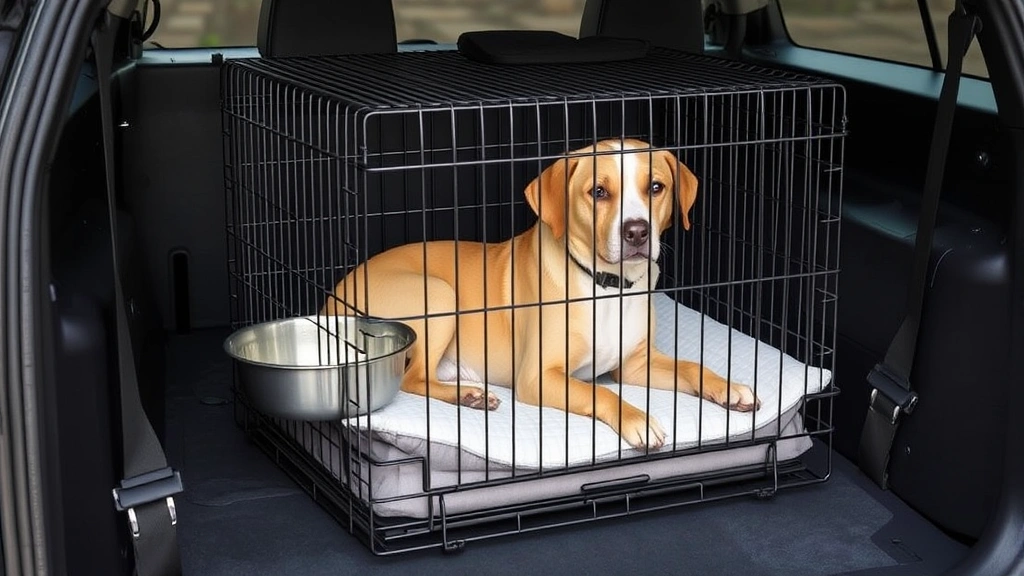
Wire Crates: The traditional choice, wire crates offer excellent ventilation and visibility. They’re sturdy enough for larger dogs and allow your pup to see their surroundings, which some dogs find less anxiety-inducing.
Soft-Sided Carriers: These fabric options are ultra-portable and perfect for small breeds. They’re cozy and comfortable but may not withstand aggressive chewers.
Size Matters: Getting the Right Fit
Choosing the correct size for your dog travel crate is non-negotiable. Your dog should be able to stand up, turn around, and lie down comfortably without touching the walls. Too large, and your pup might use one corner as a bathroom. Too small, and you’re basically torturing your furry friend.
Measure your dog from the tip of their nose to the base of their tail, then add 4-6 inches. Measure their height from the floor to the top of their head, then add 2-3 inches. These measurements ensure your dog has adequate space without excessive room to move around during travel.
Pro tip: If you have a puppy, consider a crate with a divider panel. This allows you to adjust the space as your pup grows, saving you money and reducing waste.
Top 5 Dog Travel Crates for Your Next Adventure
After extensive research and vet consultation, here are the five best dog travel crates currently dominating the market.
1. Petmate Sky Kennel: This IATA-approved plastic crate is the gold standard for air travel. It features a secure latch system, excellent ventilation, and comes in multiple sizes. The dark tinted windows reduce anxiety, and it’s durable enough to last years of travel.
2. Midwest Homes for Pets Ovation: Wire crate enthusiasts swear by this model. It offers superior visibility, folds down for storage, and includes a divider panel for growing puppies. The double-door design provides flexibility for vehicle positioning.
3. EliteField Soft-Sided Carrier: Perfect for small breeds and frequent flyers, this lightweight option weighs under 3 pounds. The mesh panels provide excellent ventilation, and the removable fleece pad makes cleanup simple.
4. Sportpet Designs Rolling Carrier: For the road warrior, this wheeled wonder eliminates the need to carry heavy crates. It’s airline-approved, features a sturdy frame, and includes a retractable handle for easy transport.
5. Precision Pet Products Crate: This eco-conscious option aligns with sustainable pet care practices. Made from recycled materials, it’s sturdy, affordable, and available in various sizes. It’s similar to the bamboo pet products movement toward environmentally responsible pet ownership.
Preparing Your Dog for Crate Travel
Just buying a dog travel crate doesn’t guarantee success. You need to acclimate your pup to it before hitting the road. Start by introducing the crate at home without any pressure. Leave the door open and let your dog explore at their own pace. Reward them with treats and praise when they voluntarily enter.
Gradually increase the time your dog spends inside the crate while you’re home. Start with just a few minutes, then extend to hours. This desensitization process reduces anxiety and prevents panic during actual travel. Some dogs take days to adjust; others need weeks. Patience is key.
Once your dog is comfortable stationary, practice short car rides with the crate secured. Many dogs experience motion sickness or anxiety during their first trips. Keeping these initial journeys brief helps build positive associations.
Safety Features to Look For
When evaluating a dog travel crate, prioritize these safety features:
Secure Latches: Flimsy locks are a disaster waiting to happen. Look for heavy-duty, double-latch systems that prevent accidental opening.
Proper Ventilation: Your dog needs adequate airflow, especially during warm weather. Mesh panels or ventilation holes are essential.
Non-Toxic Materials: Ensure the crate is made from pet-safe materials free from harmful chemicals. This is particularly important for puppies who chew everything.
Crash Testing: Some premium crates undergo crash testing to ensure they protect your dog during vehicle accidents. It’s worth investing in tested models.
Anti-Slip Flooring: A rubber mat or textured floor prevents your dog from sliding around during acceleration and braking.
Essential Accessories for Comfortable Travel
A bare dog travel crate is functional but uncomfortable. These accessories elevate the experience:
Cushioned Pads: Orthopedic foam pads provide comfort and reduce motion-related stress. They’re machine-washable, which is crucial for accidents.
Water Bowls: Spill-proof, clip-on bowls keep your dog hydrated without creating messes. Dehydration during travel is a real concern.
Shade Covers: These fabric covers reduce external stimulation and create a den-like atmosphere. They also provide privacy and temperature regulation.
Travel Food Containers: Check out our pet food safety guide for proper nutrition during travel. Airtight containers prevent spoilage and maintain freshness.
Common Travel Crate Mistakes to Avoid
Even well-intentioned pet parents make crate-related blunders. Here are the biggest offenders:
Introducing the Crate Too Late: Don’t wait until travel day to show your dog the crate. This creates panic and negative associations.
Leaving Your Dog Unsupervised: Never leave your pup unattended in a travel crate, especially during the acclimation phase. They might panic and injure themselves.
Skipping Bathroom Breaks: Dogs need regular potty breaks. Plan stops every 2-3 hours for small dogs and every 4-6 hours for larger breeds.
Ignoring Temperature Control: Parked cars become ovens in minutes. Never leave your dog in a crate inside a vehicle without proper ventilation and climate control.
Using Punishment: If your dog has an accident in the crate, never punish them. This reinforces fear and defeats the purpose of crate training.
Air Travel Considerations
Flying with your dog requires a specific type of dog travel crate. Airlines have strict regulations, and non-compliant crates will prevent boarding. IATA (International Air Transport Association) standards dictate that crates must have:
Adequate ventilation on at least four sides, secure latches that prevent accidental opening, sufficient space for your dog to stand and turn around, and absorbent flooring to handle accidents. Most airlines charge pet fees ranging from $50-$500, so confirm policies before booking.
Pro tip: Book flights during off-peak hours when fewer pets are traveling. This reduces stress on your dog and ensures better handling by airline staff. Consider using PetMD’s travel checklist to ensure you’re fully prepared.
Budget-Friendly Options Without Sacrificing Quality
You don’t need to spend $300+ on a premium dog travel crate. Quality options exist at every price point:
Under $50: Basic collapsible crates and soft-sided carriers offer excellent value for occasional travelers.
$50-$100: Mid-range wire crates and plastic kennels provide durability and features without breaking the bank.
$100-$200: Premium options with advanced safety features and ergonomic designs justify the investment for frequent travelers.
$200+: Rolling carriers, luxury options, and specialized designs cater to specific needs and preferences.
Remember, a crate’s price doesn’t always reflect its quality. Read reviews, check vet recommendations, and prioritize features over brand names.
Maintenance and Cleaning Tips
A dog travel crate requires regular maintenance to remain hygienic and functional. Here’s your cleaning checklist:
After each trip, wipe down plastic crates with pet-safe disinfectant. Wash removable pads and cushions weekly or after accidents. For wire crates, use a vacuum attachment to remove hair and debris. Check latches and hinges monthly to ensure they’re functioning properly. Inspect for cracks, sharp edges, or damage that could harm your dog.
Store collapsible crates in a dry location to prevent mold and mildew. Keep all components organized so you’re ready for travel at a moment’s notice.
Frequently Asked Questions
How long can a dog stay in a travel crate?
Dogs shouldn’t remain crated for more than 4-6 hours without a bathroom break. Puppies need breaks every 2-3 hours. Extended crating can lead to anxiety, muscle atrophy, and behavioral problems. Always prioritize your dog’s comfort and wellbeing.
Can I use a regular dog crate for travel?
Regular home crates aren’t designed for vehicle travel. They lack proper securing mechanisms and may shift during acceleration or braking, injuring your dog. Invest in a crate specifically designed for travel safety.
What’s the best crate for anxious dogs?
Anxious dogs benefit from covered crates that create a den-like atmosphere. Soft-sided carriers with shade covers work wonderfully. Consider adding calming products like pheromone sprays or anxiety supplements recommended by your vet.
Are collapsible crates safe for cars?
Collapsible crates offer convenience but limited crash protection. If safety is your primary concern, invest in a hard plastic or wire crate that can be properly secured with seat belts or cargo straps.
How do I secure a crate in my vehicle?
Use heavy-duty cargo straps or seat belt attachments to secure your crate. It should not shift, tip, or move during normal driving. Test the security before traveling with your dog.
Can dogs travel in crates during hot weather?
Yes, but with precautions. Ensure adequate ventilation, use shade covers, maintain cool temperatures, and provide frequent water breaks. Never leave a crated dog in a parked car, even with windows cracked.
Final Thoughts: Making Travel Safe and Comfortable
Choosing the right dog travel crate is one of the best investments you can make for your pet’s safety and comfort. Whether you’re planning weekend getaways or epic road trips, a quality crate transforms travel from stressful to manageable. Start with proper acclimation, prioritize safety features, and remember that every dog is unique. What works for your neighbor’s golden retriever might not work for your anxious Chihuahua.
Take time to research, read reviews, and consult your veterinarian. Your dog depends on you to make informed decisions about their wellbeing. With the right crate and preparation, your pup will be ready to explore the world safely and comfortably. Happy travels!





