
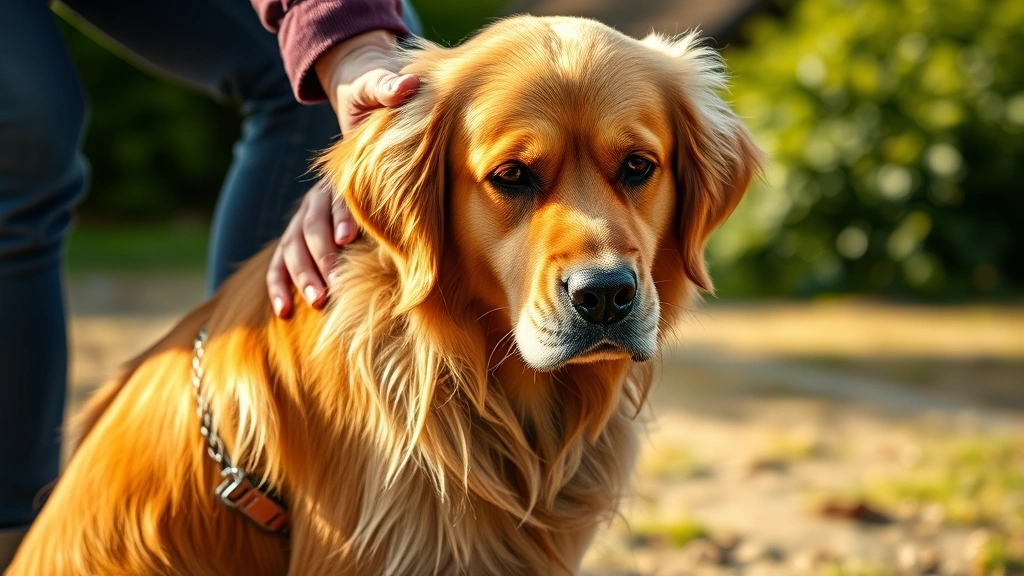
If your furry best friend is suddenly making frequent trips to the bathroom, straining to pee, or leaving little accidents around the house, there’s a good chance they might have a urinary tract infection (UTI). Dog UTI treatment doesn’t have to be complicated, but it does require quick action and the right approach to get your pup feeling better ASAP.
Table of Contents
- What Exactly Is a Dog UTI and Why Should You Care?
- Sign #1: Recognizing the Red Flags of Canine Urinary Tract Infections
- Treatment Method #1: Antibiotics (The Gold Standard)
- Treatment Method #2: Increased Hydration and Frequent Bathroom Breaks
- Treatment Method #3: Dietary Support for Urinary Health
- Treatment Method #4: Cranberry Supplements and Natural Remedies
- Treatment Method #5: Rest and Comfort Care at Home
- Prevention: Keeping UTIs From Coming Back
- When to Seek Emergency Care
- Frequently Asked Questions
- The Bottom Line on Dog UTI Treatment
UTIs in dogs are more common than you’d think, and while they can be uncomfortable (okay, downright miserable), the good news is that most respond really well to treatment. Whether it’s antibiotics from your vet or supportive home care, we’ve got the inside scoop on what actually works.
What Exactly Is a Dog UTI and Why Should You Care?
A urinary tract infection happens when bacteria invade your dog’s bladder and urethra. Think of it like unwanted squatters moving into your pup’s plumbing system. Female dogs get UTIs more often than males because their urethra is shorter, giving bacteria an easier highway to the bladder. But here’s the thing—UTIs aren’t just uncomfortable; if left untreated, they can become serious kidney infections that require hospitalization.
The bacteria most commonly responsible? E. coli. Yep, the same troublemaker that causes UTIs in humans. Your dog doesn’t need to roll in anything gross to get infected; sometimes it just happens because their immune system had an off day.
Sign #1: Recognizing the Red Flags of Canine Urinary Tract Infections
Before diving into dog UTI treatment options, you need to know what you’re looking for. The signs are pretty obvious once you know them:
- Frequent urination: Your dog suddenly needs to go out every 30 minutes instead of every 4 hours
- Straining: They squat for ages but only produce a tiny amount of urine
- Accidents indoors: Even house-trained dogs might have lapses
- Discolored urine: It might look cloudy, dark, or even have blood in it
- Licking their genital area: More than usual grooming down there
- Lethargy: Your normally bouncy pup is acting sluggish
- Strong-smelling urine: That ammonia smell gets even stronger
If you’re seeing any of these signs, don’t wait around. Call your vet and schedule a telehealth vet appointment or in-person visit. The sooner you get treatment started, the sooner your pup feels better.
Treatment Method #1: Antibiotics (The Gold Standard)
Let’s be real—antibiotics are usually the first line of defense for dog UTI treatment, and for good reason. Your vet will typically recommend a course of antibiotics like amoxicillin, cephalexin, or enrofloxacin, depending on what bacteria shows up in the urine culture.
Here’s what you need to know: finish the entire course, even if your dog seems better after a few days. Stopping early is how antibiotic-resistant bacteria develops, and that’s a nightmare nobody wants. Most dogs show improvement within 48-72 hours, but the full treatment usually lasts 7-14 days.
Pro tip: If your dog refuses to take pills, check out appetizing foods for pets on medication to make administration easier. Hiding pills in peanut butter or cream cheese works wonders for most pups.
Treatment Method #2: Increased Hydration and Frequent Bathroom Breaks
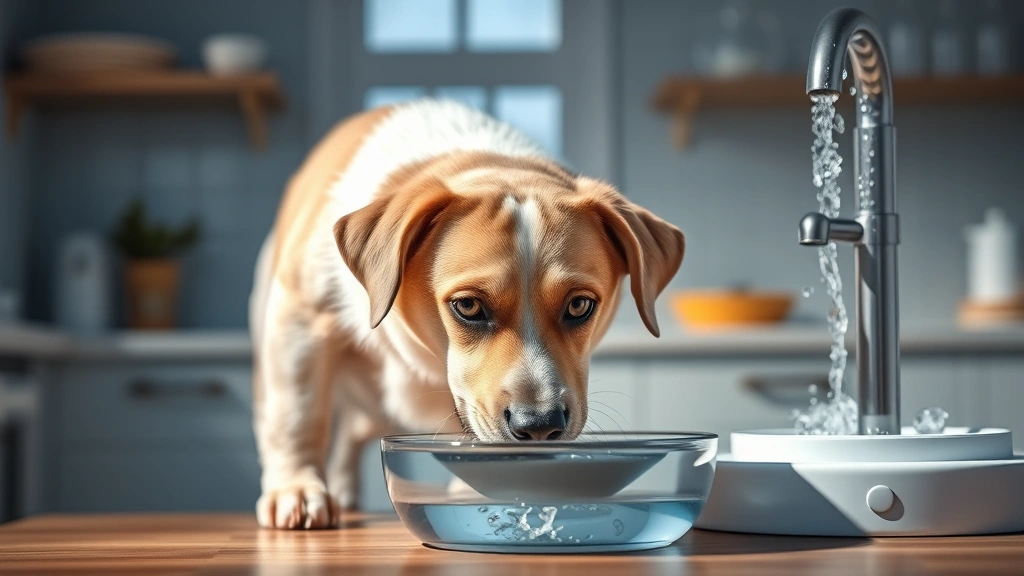
Water is your secret weapon in fighting UTIs. More water means more frequent urination, which flushes out bacteria before it can establish a stronghold in the bladder. It’s basically nature’s antibiotic.
Make sure your dog always has access to fresh, clean water. Some dogs are picky about their water bowl—if yours is one of them, try a water fountain. Many dogs find running water more appealing, and it encourages them to drink more. You want them peeing constantly during recovery; that’s actually a good thing.
Also, let your dog outside more frequently. If they normally go out four times a day, bump it up to six or eight. Give them ample opportunities to empty their bladder completely. A full bladder is a bacteria’s favorite breeding ground.
Treatment Method #3: Dietary Support for Urinary Health
What your dog eats matters when fighting off a UTI. Some dogs benefit from a prescription urinary diet, which your vet can recommend. These diets are specifically formulated to support bladder health and can prevent future infections.
In the meantime, make sure your pup is getting adequate nutrition. Low-fat human food options can supplement their regular diet if they’re not eating well due to discomfort. You can also consider bone broth recipes for pets to add extra hydration and nutrients while making meals more appealing.
Avoid foods high in magnesium, phosphorus, and calcium during treatment, as these can contribute to crystal formation in the urine. Your vet can provide specific dietary guidance based on your dog’s individual needs.
Treatment Method #4: Cranberry Supplements and Natural Remedies
Cranberry supplements have been used for UTI prevention in both humans and dogs, and there’s some solid science behind it. Cranberries contain proanthocyanidins, which prevent bacteria from sticking to the bladder wall.
While cranberry supplements aren’t a replacement for antibiotics, they can be a great complementary treatment. Many vets recommend continuing cranberry supplements even after the infection clears to help prevent recurrence. Look for dog-specific formulations—human-grade supplements might have added sugars or ingredients that aren’t ideal for dogs.
Other natural remedies that show promise include:
- D-mannose: A simple sugar that works similarly to cranberries
- Probiotics: Good bacteria that support urinary health
- Uva ursi: An herbal remedy with antimicrobial properties
Always check with your vet before adding supplements, as some can interact with medications.
Treatment Method #5: Rest and Comfort Care at Home
Sometimes the best medicine is good old-fashioned comfort. Your dog is in pain and discomfort, so create a calm, stress-free environment. Let them rest without the usual chaos of household activity. Keep them away from other pets if possible, especially if they’re being irritable due to pain.
Make sure their bedding is clean and comfortable. If they’re having accidents, don’t scold them—they can’t help it right now. Use enzymatic cleaners to remove urine completely, which prevents them from returning to the same spot.
Monitor their behavior closely and when to call the vet about food concerns or other symptoms. If your dog isn’t improving after 48 hours of antibiotics, or if they develop fever, vomiting, or severe lethargy, contact your vet immediately.
Prevention: Keeping UTIs From Coming Back
Once you’ve dealt with one UTI, you want to make sure it doesn’t happen again. Here’s your prevention playbook:
- Keep water bowls filled: Hydration is prevention
- Frequent potty breaks: Don’t let urine accumulate in the bladder
- Maintain good hygiene: Keep your dog’s rear end clean, especially for long-haired breeds
- Regular vet checkups: Catch issues early
- Monitor diet: Feed high-quality food appropriate for your dog’s age and health status
- Manage stress: Stress can suppress immune function
- Consider supplements: Ongoing cranberry or D-mannose supplements may help prevent recurrence
Female dogs are particularly prone to recurrent UTIs, so extra vigilance is warranted. Some dogs benefit from being on a low-dose antibiotic for extended periods if they have chronic infections, though this should only be done under veterinary supervision.
When to Seek Emergency Care
Most UTIs respond well to treatment, but occasionally things escalate. Seek emergency veterinary care if your dog shows:
- Inability to urinate at all
- Severe abdominal pain
- High fever (over 103°F)
- Vomiting and lethargy
- Blood in the urine with other severe symptoms
These signs could indicate a more serious condition like a blocked urethra or sepsis, which require immediate intervention.
Frequently Asked Questions
How long does it take to treat a dog UTI?
Most UTIs respond to antibiotics within 48-72 hours, but the full treatment course typically lasts 7-14 days. It’s crucial to complete the entire course even if symptoms disappear earlier.
Can I treat my dog’s UTI at home without antibiotics?
While supportive care like increased hydration and supplements can help, antibiotics are usually necessary for treating an active infection. Home remedies alone are unlikely to cure a UTI and could allow the infection to worsen.
Are male dogs less likely to get UTIs?
Yes, male dogs get UTIs less frequently than females because their urethra is longer and narrower, making it harder for bacteria to reach the bladder. However, when males do get UTIs, they’re often more serious.
Can diet cause UTIs in dogs?
Diet doesn’t directly cause UTIs, but certain diets high in minerals can contribute to crystal formation that predisposes dogs to infection. Your vet can recommend an appropriate diet for your dog’s health needs.
Is a dog UTI contagious to other pets?
No, UTIs are not contagious between dogs. However, if one dog in a multi-pet household has a UTI, other dogs might be at increased risk if they share water bowls or living spaces, so maintain good hygiene.
How much does dog UTI treatment cost?
Treatment costs vary but typically range from $200-$500 for a vet visit, urinalysis, and antibiotics. More extensive diagnostics like ultrasounds or cultures can increase costs. Pet insurance can help offset these expenses.
The Bottom Line on Dog UTI Treatment
Your dog’s UTI is uncomfortable but absolutely treatable. The combination of antibiotics, increased hydration, dietary support, and good home care creates a powerhouse treatment plan that gets most dogs back to their happy, healthy selves quickly. The key is recognizing the signs early, getting veterinary care promptly, and following through with the complete treatment protocol. With a little attention and care, your pup will be back to their normal self in no time, and you’ll have the knowledge to prevent future infections. Stay vigilant, keep that water bowl full, and don’t hesitate to reach out to your vet if something seems off.





