
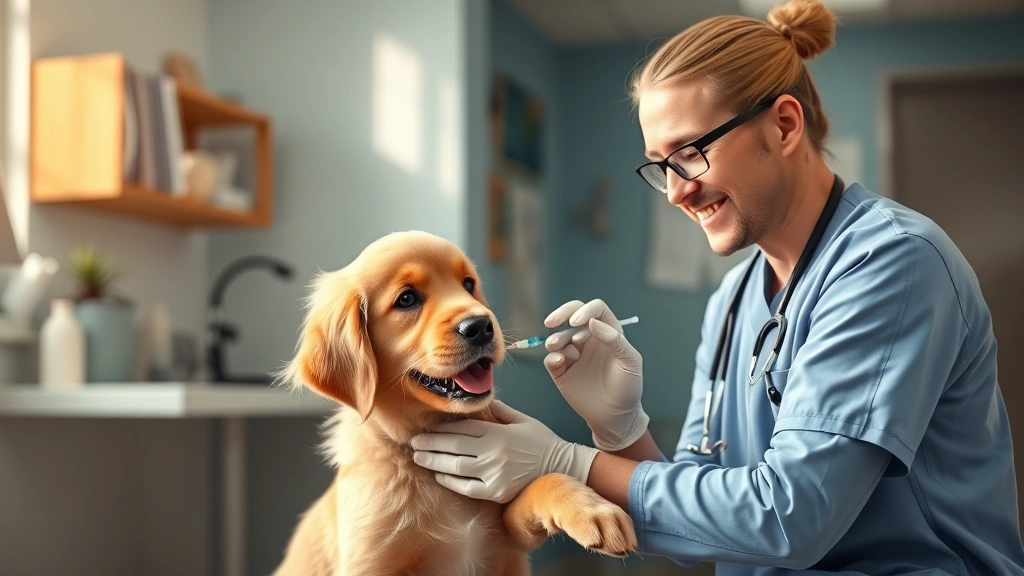
A proper dog vaccination schedule is one of the most important responsibilities you’ll take on as a pet owner, right up there with remembering their birthday and pretending to enjoy their wet-nose greetings at 6 AM. Whether you’re a first-time dog parent or a seasoned veteran, understanding when and why your furry friend needs their shots can feel like navigating a maze designed by a particularly cryptic veterinarian. But don’t worry—we’re here to break it down in a way that actually makes sense.
Table of Contents
- Why Your Dog Needs Vaccinations
- Core Vaccines: The Non-Negotiables
- Non-Core Vaccines: The Lifestyle Choices
- The Puppy Vaccination Schedule Timeline
- Adult Dog Vaccination Schedule and Boosters
- Senior Dog Vaccination Considerations
- Vaccine Side Effects and What to Expect
- Special Circumstances and Modified Schedules
- Keeping Records and Staying Organized
- Cost Considerations and Affordability
- Traveling with Your Vaccinated Dog
- The Bottom Line: Working With Your Veterinarian
- Frequently Asked Questions
Why Your Dog Needs Vaccinations
Let’s start with the obvious: vaccinations save lives. They’re like a personal bodyguard for your dog’s immune system, training it to recognize and fight off dangerous diseases before they become a problem. Without proper vaccination protocols, your pup could fall victim to diseases like rabies, distemper, and parvovirus—all of which are either deadly or incredibly expensive to treat. Think of vaccines as the ultimate insurance policy that costs way less than an emergency vet visit at midnight on a Sunday.
Your dog’s immune system is basically a security team that needs training. Vaccines are the training manual. They introduce a harmless version of a disease (or information about it) so your dog’s body learns to recognize the real threat and mount a defense faster than you can say “good boy.”
Core Vaccines: The Non-Negotiables
Core vaccines are the MVPs of the dog vaccination schedule—they’re recommended for all dogs, regardless of lifestyle or location. These include protection against rabies, distemper, and parvovirus. The American Kennel Club (AKC) strongly endorses these vaccines because they protect against diseases that are either fatal or extremely serious.
Rabies is the heavyweight champion of core vaccines. It’s 99.9% fatal once clinical symptoms appear, which is why most states legally require it. Your dog gets their first rabies shot, then a booster a year later, and then every three years after that (though some vaccines are approved for longer intervals—check with your vet).
The DHPP vaccine (distemper, hepatitis, parainfluenza, and parvovirus) is another core essential. Puppies need this vaccine at 6-8 weeks, again at 10-12 weeks, and once more at 14-16 weeks. Adult dogs need boosters every one to three years depending on your vet’s recommendation and local requirements.
Non-Core Vaccines: The Lifestyle Choices
Non-core vaccines are the “it depends” category of your dog’s vaccination schedule. Whether your dog needs them depends on their lifestyle, geography, and exposure risk. These include vaccines for bordetella (kennel cough), leptospirosis, Lyme disease, and canine influenza.
If your dog is a social butterfly who frequents dog parks, doggy daycare, or boarding facilities, the bordetella vaccine is practically mandatory. Kennel cough spreads faster than gossip at a dog park, and nobody wants their pup hacking away like they’ve taken up smoking. Leptospirosis is worth considering if your dog spends time outdoors, especially near water sources, as it’s transmitted through wildlife urine.
Lyme disease protection matters if you live in tick country. The PetMD resource center notes that this vaccine is particularly important for dogs in northeastern and upper midwestern states where Lyme disease is prevalent. Your vet can assess your specific risk factors and recommend accordingly.
The Puppy Vaccination Schedule Timeline
Puppies are basically tiny, furry bundles of vulnerability when it comes to disease. That’s why the puppy vaccination schedule is more intensive than an adult dog’s. Here’s the typical timeline:
6-8 weeks: First DHPP vaccine and possibly bordetella if the puppy will be in high-risk environments. This is the “meet your new vet” appointment where you’ll get a thousand questions answered and probably leave with a bag of free samples.
10-12 weeks: Second DHPP vaccine. Your puppy’s immune system is still learning, so repetition is key. Think of it like teaching a dog to sit—you don’t do it once and expect perfection.
14-16 weeks: Third DHPP vaccine and first rabies vaccine. This is the final installment of the puppy vaccination series, and your vet will probably declare your pup officially “protected” (though they’ll still need boosters).
12-16 weeks: Rabies booster, one year after the initial rabies vaccine. After this, rabies vaccines are typically given every three years, though some states allow longer intervals with certain vaccines.
Adult Dog Vaccination Schedule and Boosters
Once your dog graduates from puppyhood, the vaccination schedule becomes less frequent—kind of like how you can go longer between haircuts once you’ve found “the one.” Adult dogs need booster vaccines to maintain their immunity, but the exact timing depends on which vaccines they received as puppies and local requirements.
Most vets recommend rabies boosters every three years (check your local laws, as some areas require annual boosters). DHPP boosters are typically given every one to three years, with many vets recommending every three years for adult dogs with established immunity. Non-core vaccines follow their own schedules based on your dog’s lifestyle and risk factors.
Your vet will likely send you a reminder when your dog’s boosters are due. If you’re the forgetful type, you can also set a phone reminder or mark it on your calendar—your dog’s health depends on you being slightly more organized than you probably are.
Senior Dog Vaccination Considerations
As your dog enters their golden years, their immune system might not respond to vaccines as robustly as it did in their youth. This doesn’t mean you skip vaccinations—it means you work closely with your vet to create a senior dog vaccination schedule that balances protection with their overall health status.
Some senior dogs with chronic health conditions might need modified vaccination schedules. Your vet might recommend titer testing (a blood test that measures immunity levels) instead of automatically administering boosters. This approach is particularly useful if your senior pup is dealing with conditions that affect their immune system.
Supporting your senior dog’s health with immune boosting foods for pets can also help their body respond better to vaccinations and maintain overall wellness.
Vaccine Side Effects and What to Expect
Vaccines are generally safe, but like any medical intervention, they can cause side effects. The most common mild side effects include lethargy, mild fever, and decreased appetite—basically, your dog acts like they’ve had a rough day at the office. These typically resolve within 24-48 hours.
Some dogs experience soreness at the injection site or mild swelling. If your dog’s face starts swelling up like they’ve gone a few rounds with a bee, contact your vet immediately—this is a rare allergic reaction that needs attention. Severe side effects are uncommon, but they can happen, which is why your vet asks you to keep your dog under observation for 15 minutes after vaccination.
Serious adverse reactions are extremely rare, affecting fewer than one in 10,000 dogs. The diseases these vaccines prevent are far more dangerous than the vaccines themselves—it’s basic risk-benefit math.
Special Circumstances and Modified Schedules
Not every dog follows the standard vaccination schedule. Rescue dogs, dogs with unknown vaccination histories, and dogs with certain health conditions might need modified approaches. If you adopt an adult dog without vaccination records, your vet will likely recommend starting fresh with the core vaccine series to ensure protection.
Dogs with compromised immune systems, severe allergies, or certain medical conditions might need adjusted schedules. This is where your vet’s expertise becomes invaluable—they know your individual dog’s health status and can recommend the safest approach.
Pregnant dogs and nursing mothers have special considerations too. Generally, modified-live vaccines aren’t recommended during pregnancy, but your vet can discuss safe options to protect both mom and puppies.
Keeping Records and Staying Organized
Your dog’s vaccination records are important documents—almost as important as your dog’s cute puppy photos (okay, maybe not quite). Keep them organized and readily available. You’ll need them for boarding, training classes, dog park memberships, and travel. Many vets now offer digital records, which is great if you’re the type to lose physical documents on a regular basis.
Create a simple calendar or spreadsheet tracking your dog’s vaccination dates and due dates. Or use your phone’s reminder app—set it to alert you a month before boosters are due so you can schedule an appointment without the panic of realizing you’re overdue.
If you use online pet diagnostics services, make sure vaccination records are included in your pet’s digital health profile for easy access.

Cost Considerations and Affordability
Vaccination costs vary depending on your location, your vet, and which vaccines your dog needs. Puppy packages typically range from $100-300, while annual booster visits might cost $50-150. Yes, it’s an expense, but it’s significantly cheaper than treating preventable diseases. A parvovirus case can cost $1,000-5,000 to treat, and that’s assuming your dog survives.
Some animal shelters and low-cost clinics offer discounted vaccination services. If cost is a concern, ask your vet about these options or discuss a payment plan. Your dog’s health is worth protecting, and there are usually ways to make it work.
Traveling with Your Vaccinated Dog
Planning to travel with your pup? Different destinations have different vaccination requirements. If you’re traveling internationally, you might need health certificates, rabies titers, and specific vaccination documentation. Domestic travel typically requires proof of rabies vaccination, especially if you’re staying at hotels or boarding facilities.
Start planning vaccination requirements at least a month before travel. Your vet can provide the necessary documentation and advise on any additional vaccines recommended for your destination. If your dog has specific health concerns, consult about online vet advice for food reactions or other health issues that might be relevant to your travel location.
The Bottom Line: Working With Your Veterinarian
Your veterinarian is your partner in keeping your dog healthy. While this guide provides general information about dog vaccination schedules, your vet’s recommendations should always take precedence because they know your specific dog’s health history, local disease prevalence, and individual risk factors.
Don’t hesitate to ask questions about your dog’s vaccines. A good vet will explain why they’re recommending specific vaccines, discuss potential side effects, and address your concerns. If something doesn’t feel right or you want a second opinion, seek it—your dog’s health is too important to leave to guesswork.
Frequently Asked Questions
When should I start vaccinating my puppy?
Puppies should receive their first DHPP vaccine at 6-8 weeks of age. If the mother’s antibodies are still present (which is common in young puppies), the vaccine might not be fully effective, which is why multiple doses are needed to ensure protection once maternal antibodies fade.
Can I skip vaccines if my dog stays indoors?
Core vaccines like rabies are essential regardless of lifestyle—rabies is legally required in most places, and indoor dogs can still be exposed to diseases through contact with wildlife or even human error (like an open door). Non-core vaccines depend more on lifestyle, but always discuss this with your vet rather than making unilateral decisions.
How long do vaccines last?
Vaccine duration varies. Rabies vaccines typically last three years (some are approved for longer). DHPP vaccines generally last one to three years. Some vaccines provide lifetime immunity after a complete series, while others require regular boosters. Your vet will advise based on the specific vaccines used.
Are dog vaccines safe?
Yes, vaccines are extremely safe. Serious side effects are rare, affecting fewer than one in 10,000 dogs. The diseases they prevent are far more dangerous than the vaccines themselves. Like any medical procedure, minor side effects like lethargy or soreness at the injection site can occur but typically resolve quickly.
What’s the difference between core and non-core vaccines?
Core vaccines protect against diseases that are either fatal or extremely serious and are recommended for all dogs. Non-core vaccines protect against diseases that are less severe or have lower transmission risk and are recommended based on individual dog lifestyle, geography, and exposure risk.
Do I need to vaccinate my senior dog?
Senior dogs still need vaccinations, but your vet might recommend a modified schedule. Titer testing (measuring immunity levels) might replace automatic boosters in some cases. Discuss your senior dog’s specific health status with your vet to determine the best approach.
What should I do if my dog has an allergic reaction to a vaccine?
If you notice facial swelling, difficulty breathing, or severe reactions, contact your vet immediately. For mild reactions like lethargy or decreased appetite, monitor your dog and contact your vet if symptoms persist beyond 48 hours. Always inform your vet about previous vaccine reactions so they can adjust future protocols.
Can vaccines cause autism in dogs?
No. This myth originated from discredited research in humans and has no scientific basis in veterinary medicine. Vaccines do not cause autism or developmental disorders in dogs. Extensive research has consistently shown vaccines are safe and effective.





