
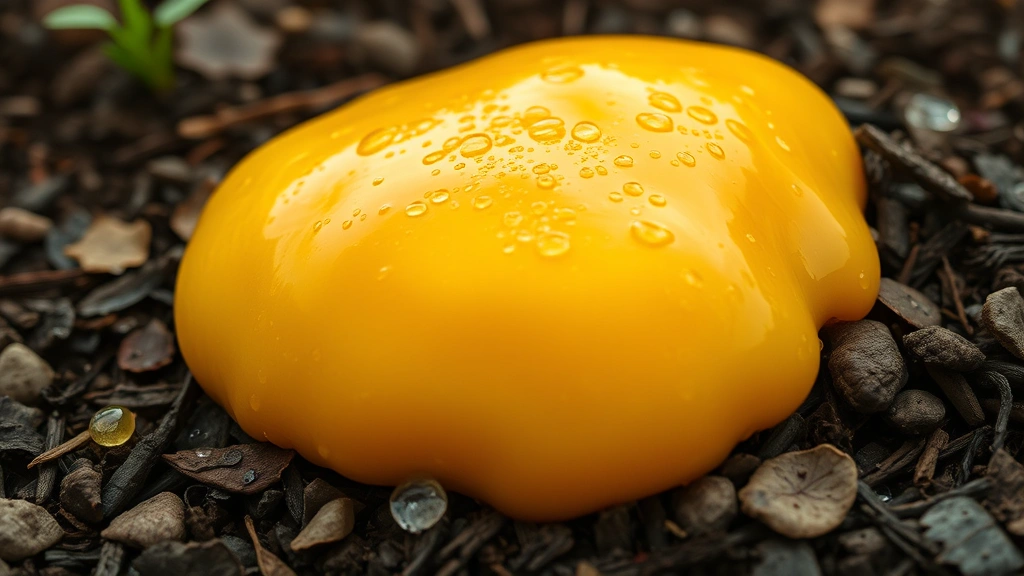
If you’ve ever spotted a bizarre, jelly-like blob in your yard that looks like something from a sci-fi movie, you’ve probably encountered dog vomit fungus—and yes, that’s actually its real name. Despite the gross moniker, this peculiar organism isn’t actually dangerous to your furry friend, but it’s definitely worth understanding. Let’s break down everything pet owners need to know about this strange fungal phenomenon.
Table of Contents
- What Exactly Is Dog Vomit Fungus?
- Where Does Dog Vomit Fungus Grow?
- Is Dog Vomit Fungus Dangerous to Your Pet?
- How to Identify Dog Vomit Fungus vs. Real Problems
- Environmental Conditions That Encourage Growth
- How to Remove Dog Vomit Fungus from Your Yard
- The Life Cycle of Slime Molds
- Can You Prevent Dog Vomit Fungus?
- Other Slime Molds You Might Encounter
- When to Call a Vet vs. When to Relax
- Frequently Asked Questions
- Conclusion: Don’t Panic About Yard Fungi
What Exactly Is Dog Vomit Fungus?
Dog vomit fungus, scientifically known as Fuligo septica, is a slime mold that thrives in moist environments. The name comes from its uncanny resemblance to—you guessed it—regurgitated dog food. This organism isn’t a true fungus in the traditional sense; it’s a plasmodial slime mold that exists somewhere between fungal and protist classifications. The blob typically appears bright yellow, orange, or sometimes white, and can range from a few inches to several feet in diameter. It’s the kind of thing that makes you do a double-take and wonder if your pup actually got sick in the yard.
Where Does Dog Vomit Fungus Grow?
This peculiar slime mold loves moisture and organic matter, making mulch beds, wood chips, and decomposing leaf piles its favorite hangouts. You’ll typically find dog vomit fungus in shaded, damp areas of your yard—basically anywhere that stays consistently moist. Rainy seasons are prime time for these organisms to flourish. Pet owners who maintain immune-boosting foods for pets should also maintain healthy yards, as environmental factors matter. The fungus feeds on bacteria and decaying organic material, so rich soil and compost areas are hotspots. If your yard has poor drainage or you’re an enthusiastic waterer, congratulations—you’ve created the perfect slime mold resort.
Is Dog Vomit Fungus Dangerous to Your Pet?
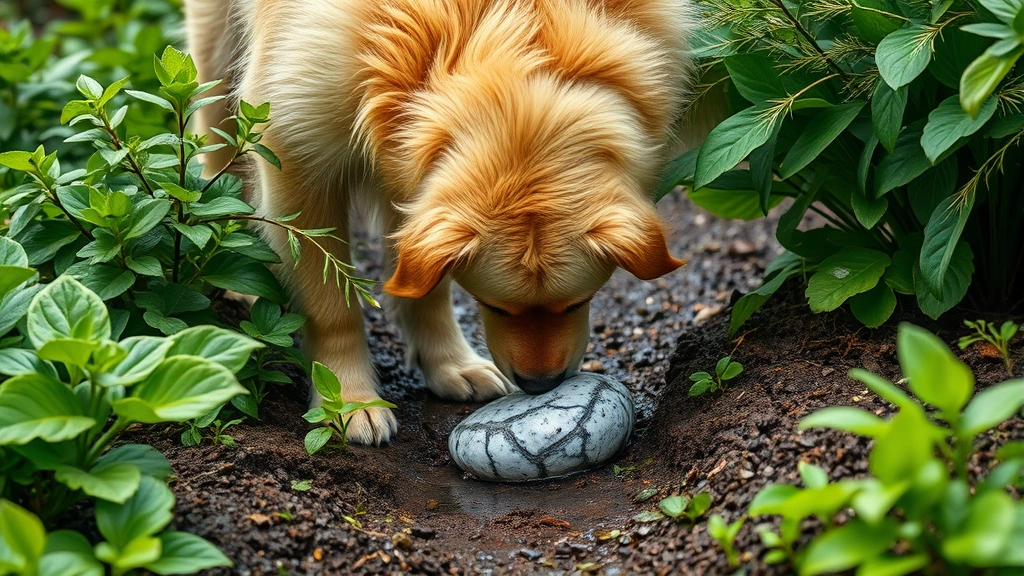
Here’s the good news: dog vomit fungus poses virtually no threat to your dog. Your pup won’t get sick from sniffing, licking, or even accidentally ingesting small amounts of this organism. It’s not toxic, doesn’t produce harmful spores that damage respiratory systems, and won’t cause gastrointestinal issues. However, if your dog is experiencing unexplained vomiting, it’s worth consulting your vet to rule out other causes. Check out our guide on constipation in dogs to understand digestive issues better. Most dogs will simply investigate it out of curiosity and move on. That said, if your dog has a sensitive stomach or existing health conditions, it’s still best to discourage them from playing with or eating unfamiliar substances in the yard.
How to Identify Dog Vomit Fungus vs. Real Problems
The appearance of dog vomit fungus is unmistakable—it’s a gelatinous, blob-like mass that looks eerily organic. Real dog vomit, on the other hand, will have food particles, bile, or gastric contents visible. Slime molds have a uniform, jelly-like consistency and are typically found in garden areas rather than on your kitchen floor or dog’s bed. If your dog is actually vomiting frequently, that’s a different story requiring veterinary attention. Conditions like CHF in dogs can cause chronic vomiting and need professional diagnosis. Dog vomit fungus, by contrast, is stationary, doesn’t smell like stomach contents, and appears only in outdoor garden spaces. Think of it as nature’s harmless prank on unsuspecting homeowners.
Environmental Conditions That Encourage Growth
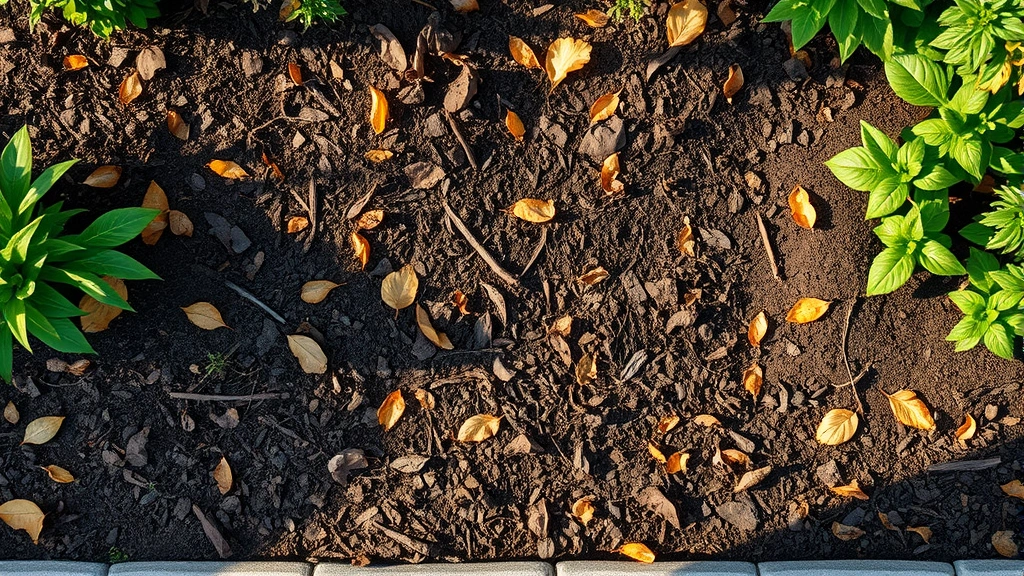
Dog vomit fungus thrives in specific environmental conditions, and understanding these can help you manage its presence. High humidity, consistent moisture, temperatures between 60-80°F, and plenty of organic debris create the perfect storm for slime mold proliferation. Shaded areas that don’t dry out quickly are particularly susceptible. If you’re dealing with persistent dog vomit fungus, consider improving yard drainage, reducing mulch depth in affected areas, or increasing sunlight exposure. Raking and turning over soil can also disrupt the organism’s life cycle. During particularly wet seasons, you might see multiple blooms throughout your yard. The good news is that these organisms are temporary—they’ll eventually dry out and disappear on their own.
How to Remove Dog Vomit Fungus from Your Yard
Removal is straightforward and doesn’t require harsh chemicals. Simply rake up the slime mold and dispose of it in your trash—don’t compost it if you’re concerned about spreading spores. You can also spray it with a hose to break it apart, though it’ll likely return if conditions remain favorable. For a more permanent solution, address the underlying moisture issue. Improve drainage, reduce watering frequency, and increase air circulation in affected areas. Some people prefer to just leave it alone since it’s harmless and will eventually disappear naturally. If appearance really bothers you, a simple water spray followed by raking is the most eco-friendly approach. Avoid fungicides unless absolutely necessary, as they’re unnecessary and can harm beneficial soil organisms.
The Life Cycle of Slime Molds
Understanding the life cycle of dog vomit fungus helps explain why it appears and disappears seemingly at random. These organisms exist as microscopic spores in soil, waiting for the right conditions to activate. When moisture and temperature align perfectly, the spores germinate and merge into a plasmodium—that gelatinous blob you see. This stage lasts anywhere from a few days to several weeks. Eventually, the slime mold enters its fruiting stage, developing sporangia (spore-producing structures) before drying out completely. Once dried, it becomes dormant again, waiting for the next moisture event. This cycle repeats continuously in favorable environments, which is why dog vomit fungus can seem like a recurring problem during wet seasons.
Can You Prevent Dog Vomit Fungus?
Complete prevention is nearly impossible if you live in a humid climate with regular rainfall, but you can certainly reduce the likelihood. The key is managing moisture and organic matter. Here are practical prevention strategies: improve yard drainage by installing French drains or regrading low spots; reduce mulch thickness in garden beds; increase sunlight exposure by pruning trees and shrubs; water plants in early morning rather than evening; and rake leaves and debris regularly. Consider using hardscape materials like gravel or pavers instead of mulch in problem areas. Proper pet telehealth consultations can also help you understand if yard conditions might be affecting your pet’s overall health. Some gardeners use wood chips that dry quickly or switch to bark mulch instead of fine mulch. While these measures won’t guarantee you’ll never see dog vomit fungus again, they’ll significantly reduce how often it appears.
Other Slime Molds You Might Encounter
Dog vomit fungus isn’t the only slime mold lurking in yards. Wolf’s milk slime (Lycogala epidendrum) appears as small, reddish-brown spheres and looks like tiny alien eggs. Chocolate tube slime mold forms dark, tubular structures that resemble miniature licorice. Pretzel slime mold creates twisted, pretzel-like formations. None of these pose any danger to pets, and they’re all equally harmless. Most slime molds play important ecological roles by breaking down dead organic matter and controlling bacterial populations in soil. Some gardeners actually appreciate them as signs of a healthy, biologically active yard. If you’re curious about yard ecology, these organisms are fascinating to observe and photograph.
When to Call a Vet vs. When to Relax
If you see dog vomit fungus in your yard but your dog shows no signs of illness, there’s absolutely no need to panic or call your vet. However, if your dog is actually vomiting, showing lethargy, loss of appetite, or other concerning symptoms, that’s a different story. Real digestive issues require professional evaluation. Your vet can determine whether your dog has a simple dietary sensitivity, an infection, or something more serious. Don’t confuse the fungus in your yard with actual health problems. That said, maintaining regular veterinary checkups ensures your dog stays healthy regardless of what’s growing in your garden.
Frequently Asked Questions
Is dog vomit fungus toxic to dogs?
No, dog vomit fungus is completely non-toxic to dogs. It poses no health risk if your dog sniffs, licks, or ingests small amounts. It’s harmless to cats and other pets as well.
Why is it called dog vomit fungus?
The name comes from its striking resemblance to regurgitated dog food. The yellow or orange gelatinous blob really does look like a dog got sick in your yard, hence the memorable (if unappetizing) common name.
How long does dog vomit fungus last?
The visible stage typically lasts from a few days to several weeks, depending on humidity and temperature. Once it dries out, it disappears but can return if conditions become favorable again.
Can dog vomit fungus spread to other areas?
Spores can theoretically spread through water or soil movement, but the organism won’t actively spread across your yard. It appears wherever moisture and organic matter conditions align.
Should I use fungicide on dog vomit fungus?
Fungicides are unnecessary and not recommended. Simple removal by raking or hosing down is sufficient. Addressing moisture and organic matter is a better long-term approach.
Is dog vomit fungus a sign of a sick yard?
Not at all. It’s actually a sign of healthy soil with plenty of organic matter and beneficial microorganisms. It indicates your yard is biologically active and moist—not necessarily problematic conditions.
Conclusion: Don’t Panic About Yard Fungi
Dog vomit fungus might look absolutely disgusting, but it’s one of those yard phenomena that’s far scarier in appearance than in reality. This harmless slime mold won’t hurt your dog, won’t damage your plants, and will eventually disappear on its own. While it’s perfectly fine to remove it if it bothers you aesthetically, there’s no health emergency here. Focus your pet care energy on things that actually matter—proper nutrition, regular vet visits, exercise, and creating a safe environment. If you’re concerned about your dog’s actual digestive health, consult your veterinarian rather than worrying about fungi in the yard. Understanding what dog vomit fungus actually is removes the mystery and helps you respond appropriately. Now you can confidently tell your friends exactly what that weird blob is and why it’s nothing to fear. Your dog will be just fine.





