
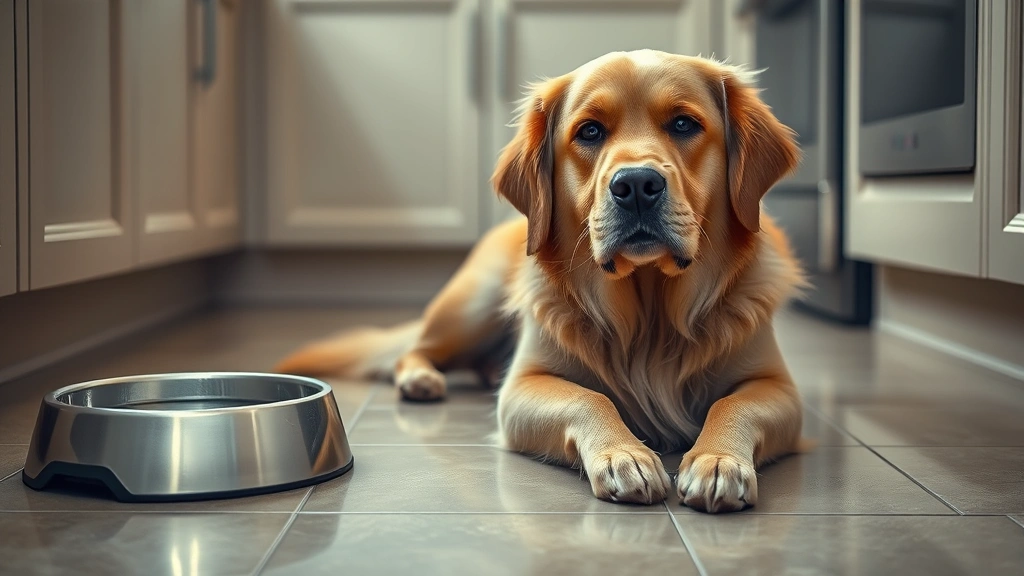
If your pup is dealing with dog vomiting and diarrhea, you’re probably not having the best week. One minute your furry friend is their happy self, the next you’re playing cleanup crew at 3 AM. Don’t panic—most cases of acute gastroenteritis in dogs are manageable at home with the right approach. This guide breaks down exactly what’s happening in your dog’s gut and how to get them back to their tail-wagging best.
Table of Contents
- Why Is Your Dog Vomiting and Having Diarrhea?
- Solution #1: The Bland Diet Reset
- Solution #2: Hydration Is Non-Negotiable
- Solution #3: Probiotics and Digestive Enzymes
- Solution #4: Identify and Eliminate Trigger Foods
- Solution #5: Know When Professional Help Is Essential
- Prevention: Stop the Cycle Before It Starts
- The Recovery Timeline: What to Expect
- When to Consider Virtual Vet Consultation
- Special Considerations for Chronic Cases
- Frequently Asked Questions
- Final Thoughts: Your Dog Will Feel Better
Why Is Your Dog Vomiting and Having Diarrhea?
Before we jump into solutions, let’s talk about why your dog’s digestive system decided to throw a tantrum. Dog vomiting and diarrhea usually stem from a handful of common culprits. Your pup might’ve eaten something they shouldn’t have (yes, that mysterious stick counts), experienced sudden diet changes, or picked up a viral infection from their doggy daycare buddies. Food sensitivities and allergies are also major players in the digestive drama department.
Stress, anxiety, and even overeating can trigger these symptoms too. Sometimes it’s nothing serious—just a 24-48 hour bug that’ll pass on its own. Other times, it’s worth a vet visit. We’ll cover when to call the professionals later.
Solution #1: The Bland Diet Reset
The first line of defense against dog vomiting and diarrhea is the classic bland diet. This isn’t punishment—it’s giving your dog’s digestive system a much-needed break from the heavy lifting.
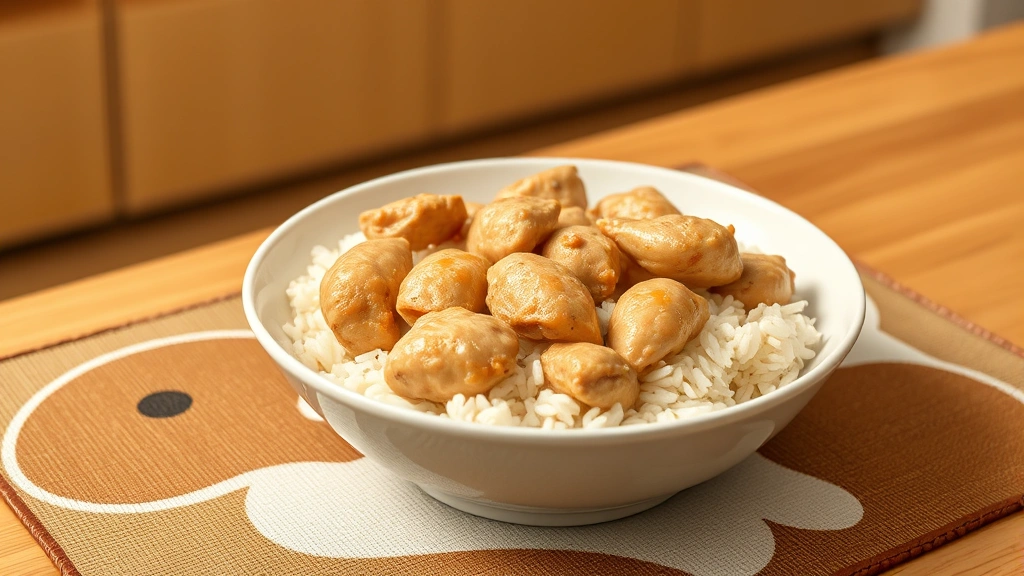
Start by fasting your dog for 12 hours (water is still okay). Then introduce bland, easily digestible foods in small portions. Think boiled chicken breast (no seasoning), plain white rice, or sweet potato. The goal is to feed something that won’t irritate an already inflamed stomach lining.
Our Bland Diet Recipes for Sick Pets guide has specific measurements and combinations that work wonders. Stick with this approach for 3-7 days, gradually mixing in their regular food as they improve.
Solution #2: Hydration Is Non-Negotiable
When your dog is losing fluids through vomiting and diarrhea, dehydration becomes a real concern. Offer water frequently in small amounts—think ice chips or a few licks from a spoon rather than a full bowl. Large gulps can trigger more vomiting.
If your dog refuses water, try low-sodium bone broth or electrolyte solutions designed for pets. Our Bone Broth Recipes for Pets article shows you how to make homemade versions that’ll have your pup actually interested in staying hydrated. Monitor their urine output and skin elasticity—if they’re not improving within 24 hours, it’s vet time.
Solution #3: Probiotics and Digestive Enzymes
Your dog’s gut is home to trillions of bacteria that help with digestion. When dog vomiting and diarrhea strike, these beneficial bacteria take a hit. Probiotics help repopulate the good guys and get things back in balance.
Look for dog-specific probiotic supplements (not human ones—different strains matter). Digestive enzymes can also help break down food more efficiently, reducing stress on an already irritated system. These supplements work best when combined with the bland diet approach, and you’ll typically see improvements within 3-5 days.
Solution #4: Identify and Eliminate Trigger Foods
Once your dog’s acute symptoms settle down, it’s time to play detective. What changed recently? Did you switch brands of kibble? Try new treats? Introduce human food?
Dogs with sensitive stomachs need consistency. Check out our guide on Human Foods for Pets with Sensitive Stomachs to understand which table scraps are actually safe. Common culprits include fatty foods, dairy, and foods with artificial additives.
Keep a food diary for a few weeks. Note what your dog ate, any symptoms that appeared, and when they resolved. This information is gold when talking to your vet about potential allergies or sensitivities.
Solution #5: Know When Professional Help Is Essential
Here’s the truth: sometimes your dog needs a vet. Dog vomiting and diarrhea lasting more than 48 hours, accompanied by lethargy, loss of appetite, or bloody stools, demands professional evaluation. Puppies, senior dogs, and those with pre-existing conditions are higher risk.
Your vet might recommend medications to reduce nausea, antibiotics if infection is suspected, or diagnostic tests to rule out serious conditions. Check our article on When to Call the Vet About Food for specific red flags that shouldn’t wait.
Prevention: Stop the Cycle Before It Starts
The best medicine is prevention. Stick to a consistent, high-quality diet that works for your dog’s system. Avoid sudden food changes—transition new foods over 7-10 days by gradually mixing in the new with the old. Keep human food off-limits and supervise your pup during walks to prevent them from snacking on questionable things.
Regular vet checkups catch underlying issues before they become digestive disasters. And if your dog has a history of sensitive digestion, consider investing in a premium food formulated for digestive health.
The Recovery Timeline: What to Expect
Most cases of acute dog vomiting and diarrhea improve significantly within 24-48 hours of starting treatment. You’ll notice your dog’s energy returning, appetite improving, and stool consistency normalizing. However, don’t rush back to regular food—stick with bland options for at least a week to prevent relapse.
If you’re managing medication alongside dietary changes, our guide on Appetizing Foods for Pets on Medication helps ensure your dog actually eats what they need.
When to Consider Virtual Vet Consultation
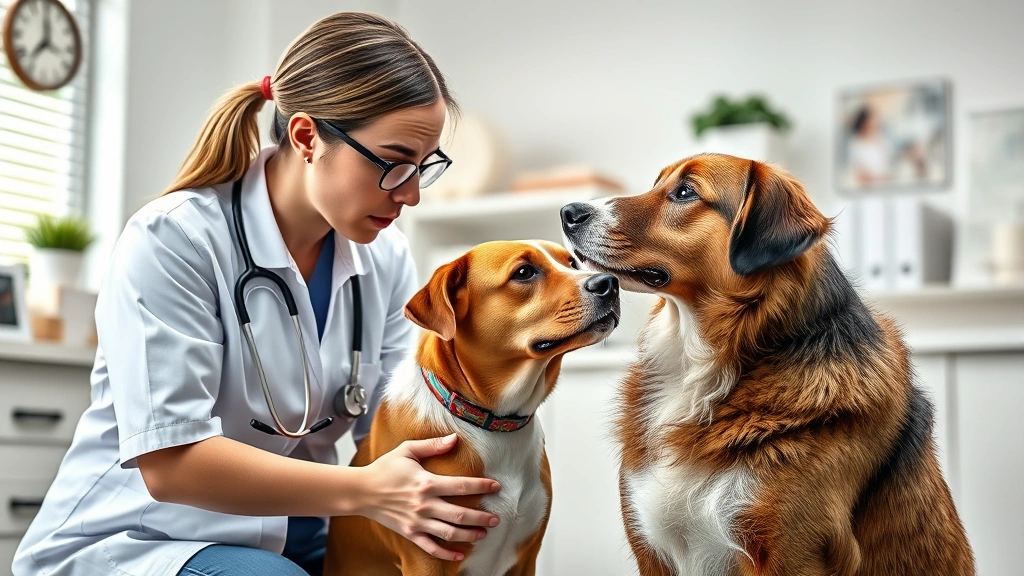
Can’t get in to see your regular vet quickly? Virtual consultations are a legitimate option for initial assessment. A vet can review symptoms, discuss your home care plan, and advise whether in-person examination is necessary. Our Virtual Vet Consultation for Diet Questions resource explains how to prepare for these appointments and what information to have ready.
Special Considerations for Chronic Cases
Some dogs deal with recurring dog vomiting and diarrhea episodes. If your pup is a repeat offender, work with your vet to identify underlying causes like inflammatory bowel disease, food allergies, or pancreatitis. These chronic cases often require prescription diets or long-term medication management.
Keep detailed records of episodes—when they happen, what preceded them, how long they last, and what helps. This pattern recognition is invaluable for your vet in developing a long-term management plan.
Frequently Asked Questions
How long should I wait before calling the vet if my dog has vomiting and diarrhea?
If symptoms persist beyond 48 hours, your dog appears lethargic, or you notice blood in vomit or stool, call immediately. For puppies, seniors, or dogs with health conditions, don’t wait—call within 24 hours. When in doubt, it’s always better to be cautious.
Can I give my dog over-the-counter medications for vomiting and diarrhea?
Some OTC options like plain Pepto-Bismol exist, but dosing for dogs is tricky and not all products are safe. Always consult your vet before giving any medication. What works for humans can be dangerous for dogs.
Is it normal for dogs to vomit and have diarrhea after eating new food?
Yes, but it shouldn’t last long. If symptoms appear within hours of introducing new food and persist beyond 24 hours, revert to their previous diet and transition more slowly. Some dogs genuinely have sensitive systems that need gradual changes.
What’s the difference between occasional vomiting and a serious problem?
Occasional vomiting (once every few weeks) might just be a sensitive stomach. Frequent vomiting (multiple times per week) combined with diarrhea indicates a problem worth investigating. Projectile vomiting, undigested food coming back up, or vomiting immediately after eating all warrant vet attention.
Can stress cause dog vomiting and diarrhea?
Absolutely. Anxious dogs often develop digestive issues during stressful periods like thunderstorms, moving, or schedule changes. If you suspect stress is the culprit, work on creating a calm environment and consider discussing anxiety management with your vet.
Final Thoughts: Your Dog Will Feel Better
Dealing with dog vomiting and diarrhea is unpleasant, but it’s usually manageable with patience and the right approach. Start with bland diet, ensure hydration, and monitor closely. Most dogs bounce back within a week. Trust your instincts—if something feels off beyond the digestive upset, don’t hesitate to involve your veterinarian. Your pup’s health is worth it, and they’ll be back to their normal, adorable selves in no time.





