
If your furry friend has developed dog warts, you’re probably wondering if they’re contagious, dangerous, or just cosmetically annoying. The good news? Most canine warts are harmless and often disappear on their own. But when they don’t, we’ve got five battle-tested treatments that actually deliver results.
Table of Contents
- What Are Dog Warts and Why Do They Happen?
- How to Identify Canine Warts vs. Other Skin Issues
- Treatment #1: The Wait-and-See Approach (Yes, It Works)
- Treatment #2: Topical Medications and Immune Boosters
- Treatment #3: Cryotherapy (Freezing Those Warts Off)
- Treatment #4: Surgical Removal for Stubborn Cases
- Treatment #5: Oral Immunotherapy and Vaccines
- Natural Remedies and Home Care Tips
- When to Worry: Red Flags and Complications
- Prevention: Keeping Your Dog Wart-Free
- Frequently Asked Questions
- Summary: Your Dog Wart Action Plan
What Are Dog Warts and Why Do They Happen?
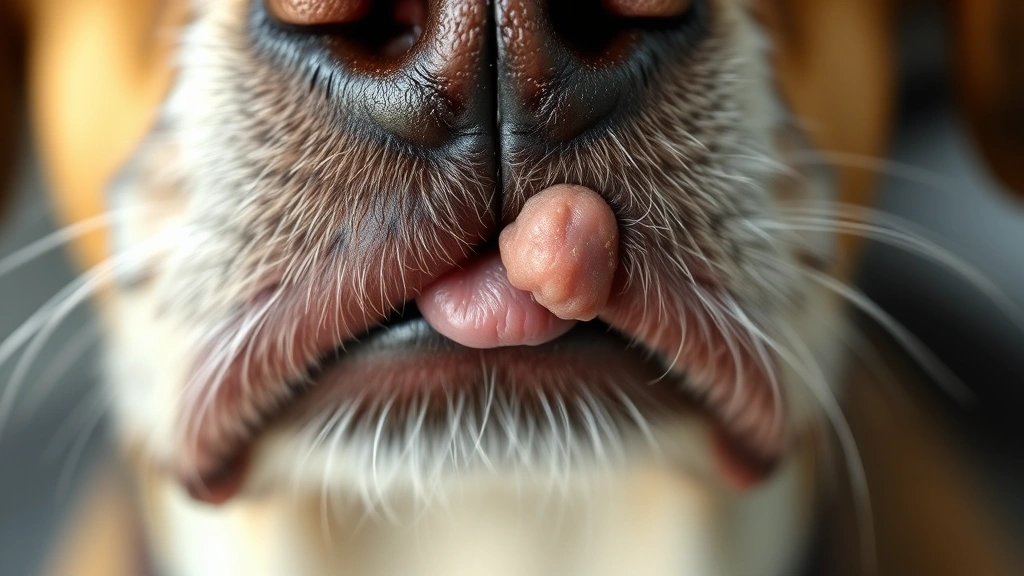
Dog warts are small, benign growths caused by the canine papillomavirus (CPV). Unlike human warts, they’re species-specific, meaning your pup won’t catch them from you, and you won’t catch them from your dog. These pesky bumps typically appear on the lips, mouth, eyelids, or paws and look like tiny cauliflowers or bumps on the skin.
Most commonly, dog warts show up in puppies and young dogs whose immune systems are still developing. Older dogs can get them too, especially if their immunity is compromised. The virus spreads through direct contact with infected dogs, so if your pup has been to the dog park or doggy daycare recently, that’s probably where the invitation came from.
How to Identify Canine Warts vs. Other Skin Issues
Before you panic, let’s make sure you’re actually dealing with warts. Canine warts have distinctive characteristics: they’re usually small (under a quarter-inch), have a bumpy texture, and appear in clusters around the mouth and face. They’re typically skin-colored or slightly pink and don’t usually bleed unless your dog obsessively licks or scratches them.
If the growth is flat, scaly, hairless, or appears elsewhere on the body, it might be something else entirely—like a mole, sebaceous cyst, or (rarely) something more serious. When in doubt, snap a photo and schedule a vet visit. Better safe than sorry when it comes to your pup’s health.
Treatment #1: The Wait-and-See Approach (Yes, It Works)
Here’s the truth that might surprise you: most dog warts disappear without treatment within three to five months. Your dog’s immune system is basically a biological wart-fighting machine. As their body develops antibodies to the papillomavirus, the warts gradually shrink and vanish.
This is the most common outcome, especially in young, healthy dogs. Unless the warts are bothering your pup (causing bleeding, infection, or interfering with eating), your vet might recommend simply monitoring them. Take photos weekly to track changes, keep the area clean, and resist the urge to pick at them. This approach costs nothing and works about 70% of the time.
Treatment #2: Topical Medications and Immune Boosters
When warts stick around longer than expected, topical treatments can help speed up the process. Veterinarians sometimes prescribe topical antivirals or immunostimulants that encourage your dog’s body to fight off the virus more aggressively.
Products containing ingredients like imiquimod (an immune response modifier) can be applied directly to the warts. Some vets also recommend supplements that support immune function—think omega-3 fatty acids, vitamin E, and probiotics. Speaking of nutrition, anti-inflammatory foods for pets can support your dog’s overall immune response while fighting off the wart-causing virus.
The application process requires patience—you’ll typically apply these treatments daily for several weeks. It’s not glamorous, but many dog owners report noticeable improvement within 4-6 weeks.
Treatment #3: Cryotherapy (Freezing Those Warts Off)
Cryotherapy is like the superhero of wart removal. Your vet uses liquid nitrogen to freeze the warts, essentially destroying the infected cells. The process is quick—usually just a few seconds per wart—and most dogs tolerate it well, though some might yelp a little.
After freezing, the wart typically turns dark and crusty, then falls off within 1-2 weeks. The success rate is impressively high, with most warts not returning. However, cryotherapy works best on individual warts rather than large clusters, and it might require multiple sessions depending on how stubborn your pup’s warts are.
The cost ranges from $100-$500 depending on the number of warts and your location. It’s a straightforward procedure with minimal side effects, making it a favorite among vets dealing with persistent dog warts.
Treatment #4: Surgical Removal for Stubborn Cases
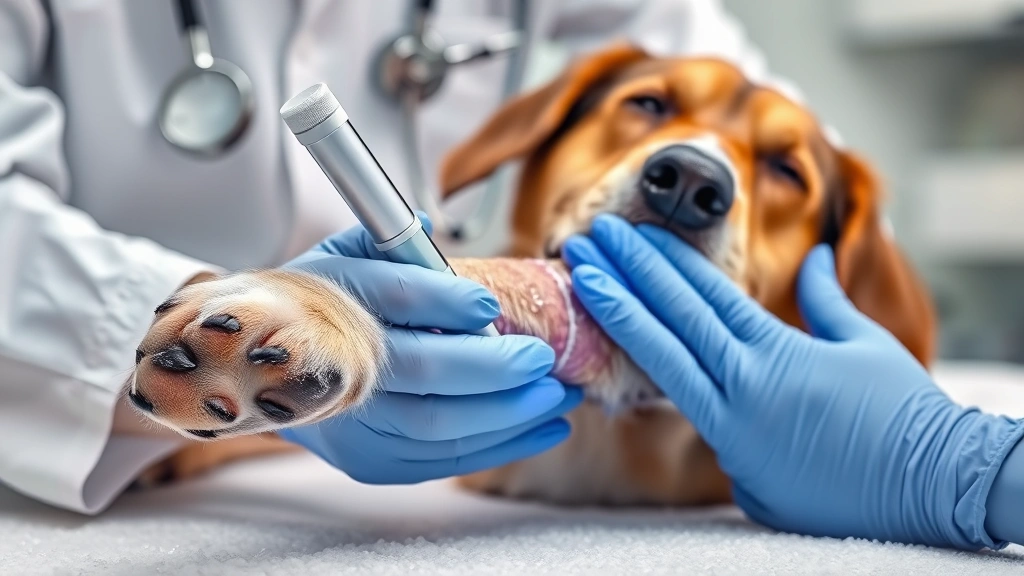
When warts are large, interfering with your dog’s quality of life, or located in problematic areas (like around the eyes or mouth), surgical removal might be necessary. Your vet can surgically excise the warts under local or general anesthesia, depending on the situation.
This approach guarantees removal, but it’s more invasive than other options. Recovery typically takes 7-14 days, and you’ll need to keep the surgical site clean and prevent your dog from licking or scratching. Surgical removal is usually reserved for cases where other treatments haven’t worked or when warts are causing genuine problems.
If your dog requires surgery, ask your vet about virtual vet consultation for diet questions to discuss post-operative nutrition that supports healing and immune function.
Treatment #5: Oral Immunotherapy and Vaccines
Some innovative veterinary clinics are experimenting with oral immunotherapy—essentially giving your dog’s immune system a targeted boost to fight the papillomavirus. This might include autogenous vaccines (vaccines made from your dog’s own wart tissue) or other immune-stimulating protocols.
These treatments are more cutting-edge and less universally available than traditional options. They work by training your dog’s immune system to recognize and destroy the virus more effectively. Results vary, but some dogs experience significant improvement within 8-12 weeks.
While not mainstream yet, this approach shows promise for dogs with extensive wart problems or those who haven’t responded to other treatments. Talk to your vet about whether your practice offers these options.
Natural Remedies and Home Care Tips
Beyond professional treatments, several natural approaches can support your dog’s immune system while fighting warts. Apple cider vinegar, when diluted and applied topically, has antimicrobial properties that some owners swear by. Turmeric, a potent anti-inflammatory, can be added to your dog’s food in small amounts.
Consider incorporating vet-approved human foods for pets that boost immunity—think blueberries, sweet potatoes, and lean proteins. Stress reduction also matters; stressed dogs have weaker immune responses, so extra playtime and cuddles genuinely help.
Keep the affected area clean and dry, discourage licking (a cone might be necessary), and avoid exposing your pup to other dogs until the warts are gone to prevent spreading the virus.
When to Worry: Red Flags and Complications
Most dog warts are harmless, but certain situations warrant immediate veterinary attention. If warts become infected (showing signs of redness, discharge, or swelling), if they’re bleeding excessively, or if they’re growing rapidly, get your dog checked out.
Also be concerned if warts are interfering with eating, breathing, or vision. Some dogs obsessively lick warts, which can lead to secondary infections. If your dog is doing this, intervention is necessary.
Occasionally, what looks like a wart might actually be something else—a mast cell tumor, squamous cell carcinoma, or other concerning growth. This is why professional diagnosis is crucial, especially if the growth doesn’t match typical wart characteristics.
Prevention: Keeping Your Dog Wart-Free
Since papillomavirus spreads through direct contact, limiting exposure to infected dogs is the best prevention. If your pup has warts, keep them away from other dogs until they’re resolved. Similarly, if you know another dog has warts, it’s courteous to avoid playdates temporarily.
A strong immune system is your dog’s best defense. Ensure they’re getting quality nutrition, regular exercise, and adequate sleep. Vaccinations are up-to-date, and stress levels are minimized. Young puppies are more susceptible, so extra care during that vulnerable period pays off.
For dogs prone to immune issues, telehealth pet nutrition consultation can help optimize their diet for maximum immune support.
Frequently Asked Questions
Are dog warts contagious to humans?
No. Canine papillomavirus is species-specific, meaning it only affects dogs. You cannot catch warts from your dog, nor can you give your warts to your dog. This is one of the few times you can breathe easy about cross-species transmission.
How long do dog warts typically last?
Most dog warts disappear within 3-5 months as the dog’s immune system fights off the virus. Some resolve faster, others take longer. If warts persist beyond 6 months or are causing problems, treatment intervention is worth considering.
Can I treat dog warts at home without a vet?
While some home remedies can support immune function, a veterinary diagnosis is essential first. What looks like a wart might be something else. Once confirmed as warts, home care (nutrition support, stress reduction, keeping the area clean) can complement professional treatment, but most persistent warts benefit from professional intervention.
Do dog warts come back after treatment?
Recurrence rates depend on the treatment method. Cryotherapy has low recurrence rates (10-15%), while surgical removal is typically permanent. With immune-based treatments, recurrence depends on your dog’s ongoing immune function. Most dogs don’t develop warts again once their immune system has defeated the virus.
Is it normal for puppies to get warts?
Absolutely. Puppies and young dogs are the most common victims of papillomavirus because their immune systems are still developing. It’s actually a sign their immune system is learning to fight infections. Most puppies naturally overcome warts as they mature.
Summary: Your Dog Wart Action Plan
Dog warts might look alarming, but they’re usually a minor blip in your pup’s health journey. Start with a vet visit to confirm diagnosis, then decide on your approach based on severity and your dog’s comfort level. Most cases resolve naturally, but when they don’t, you have five solid treatment options ranging from budget-friendly to more intensive.
Support your dog’s immune system through quality nutrition, stress reduction, and preventive care. Keep the area clean, discourage licking, and monitor for complications. Within a few months, those pesky warts will likely be nothing but a distant memory.
Remember, patience and professional guidance are your best tools. Your veterinarian can recommend the treatment that best fits your dog’s specific situation. With the right approach, your pup will be back to their wart-free, tail-wagging self in no time.





