
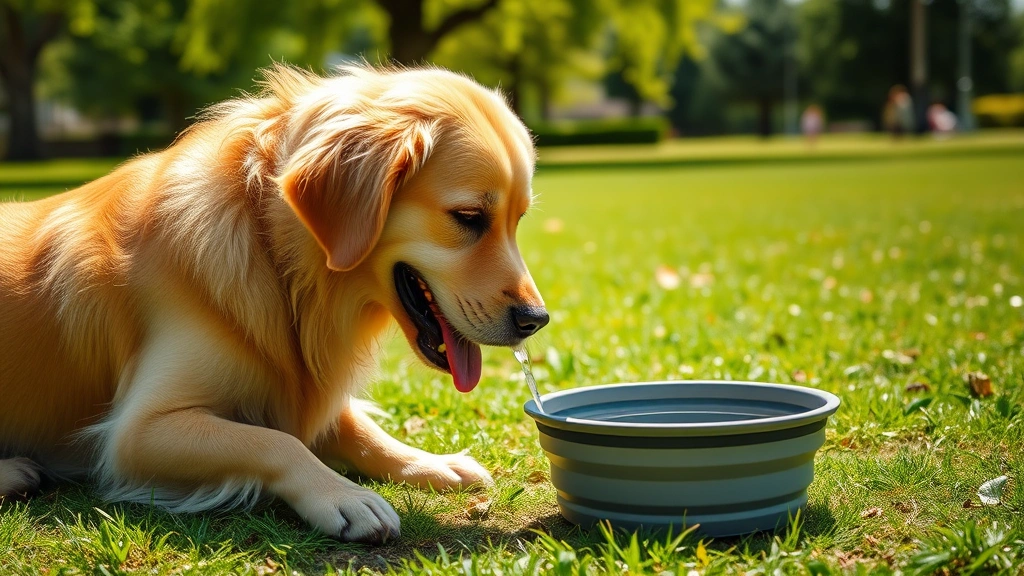
A dog water bottle is one of those genius pet accessories that makes you wonder how you ever survived without it. Whether you’re heading to the dog park, hitting the hiking trails, or just chilling in the backyard, keeping your furry friend hydrated on the go is absolutely essential. Let’s dive into everything you need to know about choosing the perfect portable water solution for your pup.
Table of Contents
- Why Your Dog Needs a Portable Water Bottle
- Portable Hydration Solutions for Active Dogs
- Top Features to Look for in a Dog Water Bottle
- Collapsible Dog Water Bowls vs. Attached Bottle Dispensers
- The Best Dog Water Bottle Options for Different Lifestyles
- Size and Capacity Considerations
- Maintenance and Hygiene Matter
- Temperature Control and Seasonal Adjustments
- Budget-Friendly vs. Premium Options
- Training Your Dog to Use a Water Bottle
- Sustainability and Eco-Conscious Choices
- Frequently Asked Questions
- Conclusion: Keep Your Pup Hydrated and Happy
Why Your Dog Needs a Portable Water Bottle
Listen, dogs can’t exactly ask for a water fountain when they’re out and about. During outdoor activities, especially in warmer months, dehydration sneaks up faster than your dog can say “fetch.” A quality dog water bottle ensures your pooch stays refreshed without relying on questionable water sources like puddles or stagnant ponds (gross, right?).
Vets consistently recommend that dogs drink about one ounce of water per pound of body weight daily. When they’re active or it’s hot outside, that need skyrockets. According to the American Kennel Club, proper hydration is crucial for maintaining healthy kidney function, joint lubrication, and temperature regulation. A portable water bottle makes meeting these needs infinitely easier.
Portable Hydration Solutions for Active Dogs
The market for portable dog hydration has exploded, and honestly, we’re here for it. From collapsible bowls to bottle-attached dispensers, there’s something for every dog parent and every adventure type. The best portable water solutions combine convenience, durability, and ease of cleaning—because let’s face it, nobody wants to deal with mold in their gear.
When shopping for a dog water bottle, consider your lifestyle. Are you a weekend warrior hitting the trails? A city dweller bouncing between cafes? Or maybe you’re just someone who wants backup hydration for yard time? Your answer determines which style works best for your situation.
Top Features to Look for in a Dog Water Bottle
Not all water bottles are created equal, and your pup deserves the best. Here’s what separates the mediocre from the magnificent:
Material Quality: Look for food-grade, BPA-free plastics or stainless steel. Your dog’s health isn’t worth saving a few bucks on cheap materials that leach chemicals. Many eco-conscious pet parents love bamboo pet products for their sustainability factor.
Leak-Proof Design: Nobody wants water everywhere. A truly leak-proof bottle keeps your backpack, car, or dog’s crate dry. Test the seal before committing to a purchase if possible.
Easy Cleaning: Bacteria love damp, hard-to-reach spaces. Bottles with wide mouths and removable parts are your friends here. Check that all components are dishwasher-safe.
Lightweight Construction: You’re carrying this thing, and so might your dog if it’s attached to their collar. Heavy bottles become burdensome on long outings.
Collapsible Dog Water Bowls vs. Attached Bottle Dispensers
This is the great debate in the portable hydration world. Collapsible bowls pair with your own water bottle—they’re lightweight, compact, and ridiculously affordable. They’re perfect for minimalists and budget-conscious pet parents. However, they require you to carry separate water.
Attached dispensers, on the other hand, combine the bottle and bowl into one unit. You get everything you need in a single package. They’re slightly bulkier but eliminate the need for separate items. Some even have built-in filters, which is clutch if you’re using natural water sources.
Your choice depends on your priorities: maximum portability versus all-in-one convenience. Many seasoned dog adventurers actually keep both on hand for different scenarios.
The Best Dog Water Bottle Options for Different Lifestyles
Let’s talk specifics. Here are five standout options that dog parents genuinely love:
1. The Minimalist’s Choice: A simple collapsible silicone bowl paired with your regular water bottle. Cost-effective, weighs almost nothing, and takes up minimal backpack real estate. Perfect for quick neighborhood walks or short park visits.
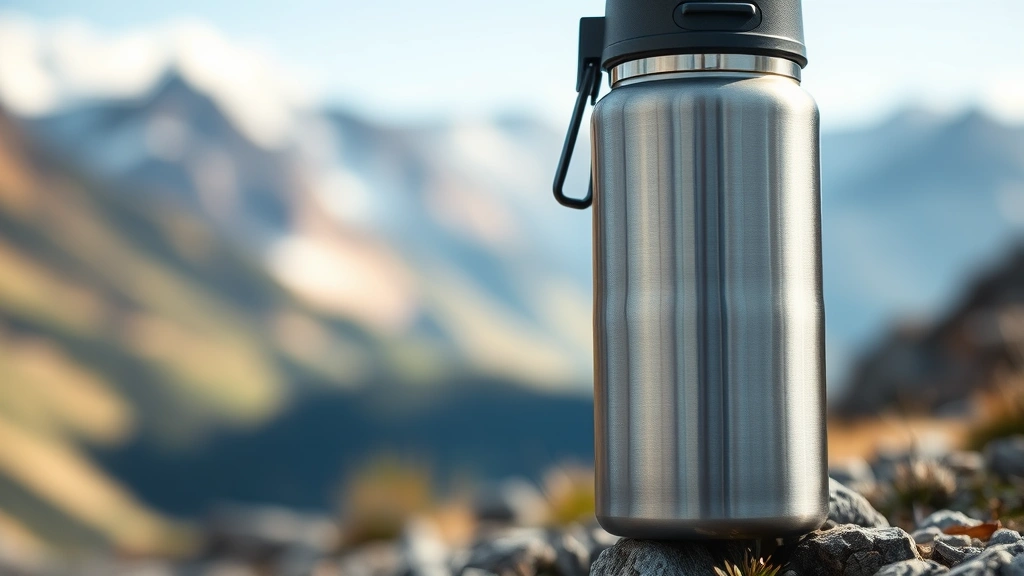
2. The Hiker’s Holy Grail: A durable, leak-proof bottle with an attached bowl mechanism. These usually have rubberized grips for easy handling and capacity for longer adventures. Ideal for trail enthusiasts.
3. The Urban Explorer: Compact, stylish bottles that don’t scream “pet gear.” Some even come in trendy colors and designs. Great for coffee-shop dog dates and city adventures.
4. The Tech-Forward Option: Bottles with built-in filters or insulation technology. These keep water cooler longer—a genuine game-changer during hot weather. Cooling dog beds pair perfectly with these for maximum comfort.
5. The Eco-Warrior’s Pick: Sustainable materials, refillable designs, and minimal packaging. If you’re committed to planet conscious pet care, these align with your values while keeping Fido hydrated.
Size and Capacity Considerations
Your dog’s size matters here. A chihuahua needs different hydration infrastructure than a golden retriever. Smaller dogs typically do fine with 8-16 oz capacity bottles, while larger breeds might need 32 oz or more for extended outings.
Think about your typical adventure duration. A 30-minute walk around the block? You can go smaller. A full-day hiking expedition? Go bigger. Also consider your dog’s drinking habits—some pups are water-guzzling machines, while others are more conservative drinkers.
Maintenance and Hygiene Matter
Here’s where many dog parents drop the ball: cleaning and maintenance. A dog water bottle that isn’t properly maintained becomes a bacteria breeding ground. Rinse thoroughly after each use, especially if you’ve used water from natural sources. Dry completely before storing. Consider running components through the dishwasher weekly.
According to PetMD, contaminated water can lead to gastrointestinal issues and other health problems. Don’t skimp on cleanliness. Replace bottles every 1-2 years or sooner if you notice cracks, discoloration, or persistent odors.
Temperature Control and Seasonal Adjustments
Summer demands different hydration strategies than winter. In hot weather, insulated bottles keep water refreshingly cool, which encourages dogs to drink more. Some pups are picky about warm water (fair enough, honestly). Winter hiking requires different considerations—you might opt for smaller, easier-to-carry bottles since your dog’s hydration needs decrease slightly in cold weather.
Pair your summer hydration strategy with other cooling solutions like cooling dog beds for comprehensive comfort management.
Budget-Friendly vs. Premium Options
You don’t need to spend $50 on a dog water bottle. Honestly, some of the best options run $15-25 and perform just as well as pricier alternatives. That said, premium bottles often feature better insulation, superior leak-proofing, and longer-lasting materials.
Consider your usage frequency. If you’re taking your dog out daily, investing in a quality bottle makes sense. If it’s occasional use, save your money with a budget option. Either way, prioritize food-grade materials and leak-proof design—those aren’t areas to compromise on.
Training Your Dog to Use a Water Bottle
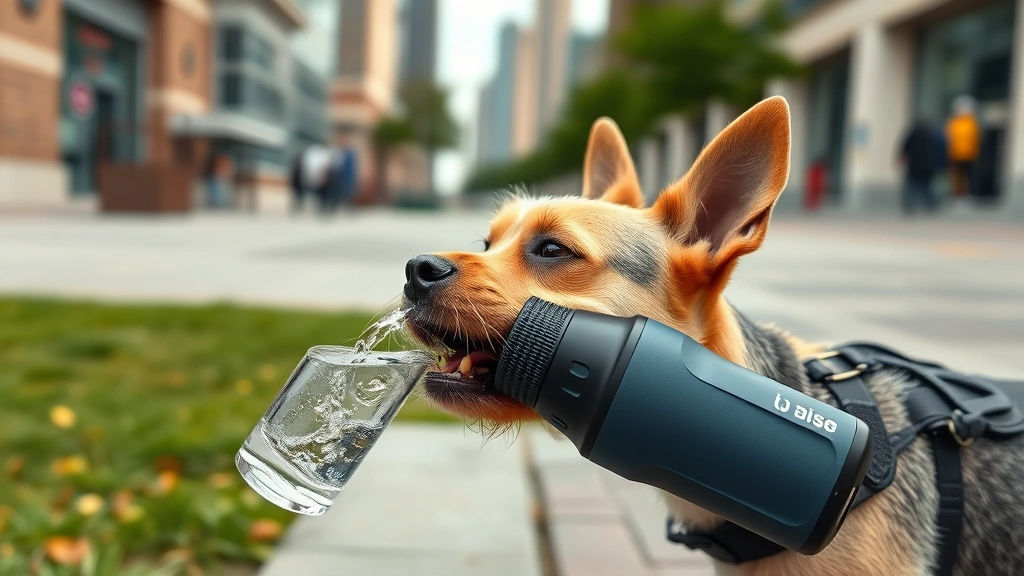
Some dogs immediately understand the concept; others need coaching. Start at home with the bottle on the ground and reward your pup for investigating it. Gradually introduce the drinking mechanism. Most dogs catch on within a few sessions. Patience is key—never force it.
Some dogs prefer bowls to bottle dispensers, and that’s okay. You can always use a collapsible bowl instead. The goal is hydration, not forcing a specific method.
Sustainability and Eco-Conscious Choices
If you’re committed to zero waste pet care, look for bottles made from recycled materials or sustainably sourced resources. Avoid single-use plastics. Refillable bottles eliminate the need for constant replacements. Some companies even offer take-back programs for old bottles.
Eco-friendly hydration solutions align beautifully with other sustainable pet practices like choosing sustainable dog food and natural pet care products.
Frequently Asked Questions
How often should I refill my dog’s water bottle?
This depends on your dog’s size, activity level, and weather. For most outings under 2 hours, one fill-up is sufficient. Longer adventures may require refilling mid-trip. In hot weather, check more frequently. Your dog will show signs of thirst through panting and restlessness.
Can I use any water bottle for my dog?
Technically yes, but dog-specific bottles are designed with your pup’s needs in mind. They feature appropriate bowl sizes, leak-proof mechanisms, and materials safe for repeated dog contact. Using a human water bottle works in a pinch, but a dedicated dog water bottle is worth the investment.
What’s the best water temperature for dogs?
Room temperature or slightly cool water is ideal. Avoid ice-cold water on extremely hot days—it can cause stomach distress. Most dogs prefer water that’s around 50-60°F. Insulated bottles help maintain this temperature range during outdoor activities.
Are portable dog water bottles dishwasher safe?
Most quality bottles are, but always check the manufacturer’s instructions. Hand washing is the safest option for bottles with electronic components or special coatings. Disassemble all parts and clean thoroughly to prevent bacterial growth.
How do I prevent my dog from dehydration during activities?
Offer water frequently—roughly every 15-20 minutes during active play or exercise. Watch for signs of dehydration like excessive panting, dry gums, or lethargy. A reliable dog water bottle makes this preventative care effortless. Always bring more water than you think you’ll need.
What size bottle do I need for my large breed dog?
Large breeds (over 50 lbs) typically benefit from 32 oz or larger bottles for extended outings. For shorter trips, 16-24 oz suffices. Consider your dog’s individual drinking habits—some are thirstier than others. When in doubt, go bigger.
Conclusion: Keep Your Pup Hydrated and Happy
A quality dog water bottle is a non-negotiable investment in your dog’s health and happiness. Whether you’re a casual park-goer or a serious adventurer, having reliable portable hydration transforms your outdoor experiences. Your dog depends on you to keep them safe and healthy, and proper hydration is fundamental to that responsibility.
Start by assessing your lifestyle and choosing a bottle that matches your needs. Prioritize food-grade materials, leak-proof design, and easy maintenance. Your pup will thank you with more tail wags, better energy levels, and fewer health issues related to dehydration. Happy hydrating!





