
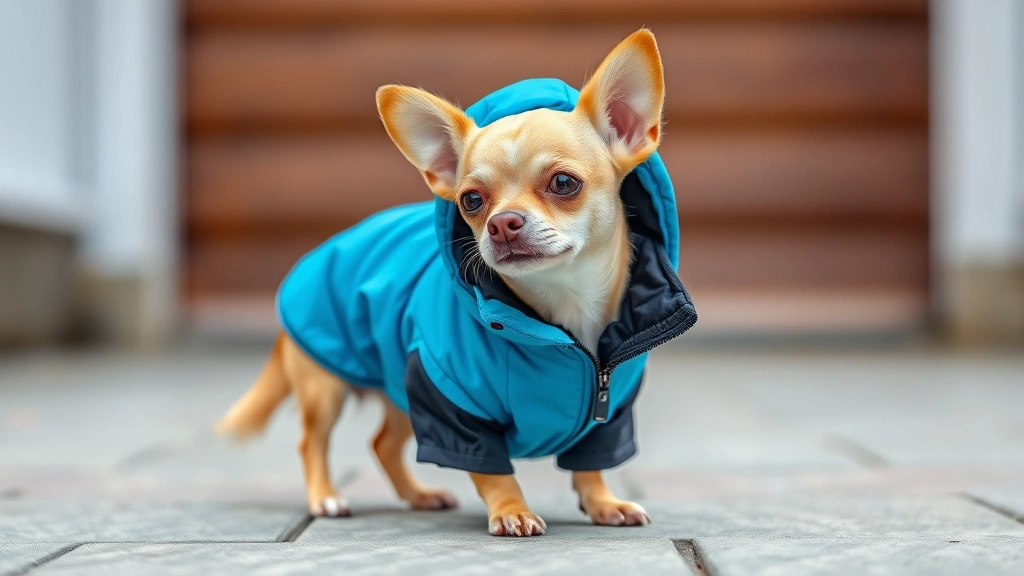
A dog winter jacket isn’t just a fashion statement for your furry friend—it’s a genuine necessity when temperatures drop and snow starts falling. Just like humans bundle up in winter coats, dogs need protection from the cold, especially smaller breeds, senior pups, and those with thin coats who can’t regulate their body temperature effectively. Let’s dive into everything you need to know about keeping your canine companion cozy and warm during the chilly months ahead.
Table of Contents
- Why Your Dog Actually Needs a Winter Jacket
- Signs Your Dog Needs Winter Protection
- Key Features to Look For in a Quality Dog Winter Jacket
- The Top 5 Dog Winter Jackets Worth Your Money
- Sizing and Fitting Your Dog Perfectly
- Winter Jacket Care and Maintenance
- Alternative Winter Protection Options
- Budget-Friendly Tips for Winter Dog Care
- Making Winter Walks Enjoyable for Your Dog
- Winter Nutrition and Hydration
- Travel Considerations for Winter
- Frequently Asked Questions
- Final Thoughts: Keeping Your Best Friend Cozy
Why Your Dog Actually Needs a Winter Jacket
You might think dogs are naturally equipped to handle cold weather with their fur coats, but here’s the reality: most modern dogs aren’t built like their wolf ancestors. Chihuahuas, Italian Greyhounds, and other small breeds have minimal body fat and thin coats that offer virtually zero insulation. Even larger dogs with thick coats can struggle in extreme cold, especially if they’re older, very young, or have health issues.
Cold weather affects dogs more than you’d think. Prolonged exposure to freezing temperatures can lead to hypothermia, frostbite on their paws and ears, and general discomfort that makes them reluctant to exercise. A quality dog winter jacket acts as an extra layer of protection, allowing your pup to enjoy winter walks without suffering. According to the American Kennel Club, certain breeds are more cold-sensitive than others, and environmental factors like wind chill and moisture make a huge difference in how quickly a dog loses body heat.
Signs Your Dog Needs Winter Protection
Not every dog needs a jacket, but knowing the warning signs helps you decide. If your pup shivers constantly, hesitates to go outside, lifts their paws frequently (a sign of cold discomfort), or shows signs of anxiety during winter walks, it’s time to invest in a dog winter jacket. Older dogs with arthritis also benefit from the warmth, as cold weather can exacerbate joint pain and stiffness.

Breeds with short coats like Boxers, Pit Bulls, and Weimaraners are prime candidates for winter wear. Senior dogs, puppies, and dogs with medical conditions are equally vulnerable. Even if your dog has a thick coat, if they’re used to living indoors most of the time, their body hasn’t acclimated to extreme cold.
Key Features to Look For in a Quality Dog Winter Jacket
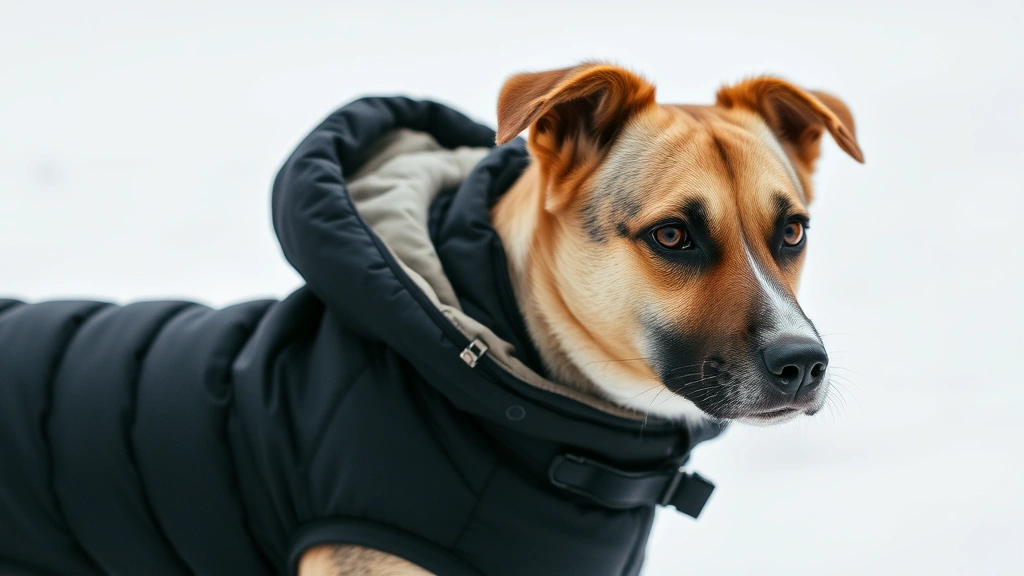
Not all dog winter jackets are created equal. The best ones combine functionality with comfort. Look for water-resistant or waterproof materials—wet dogs lose body heat rapidly, so protecting against slush and snow is crucial. Insulation matters too; fleece, down, or synthetic insulation like polyester all work well.
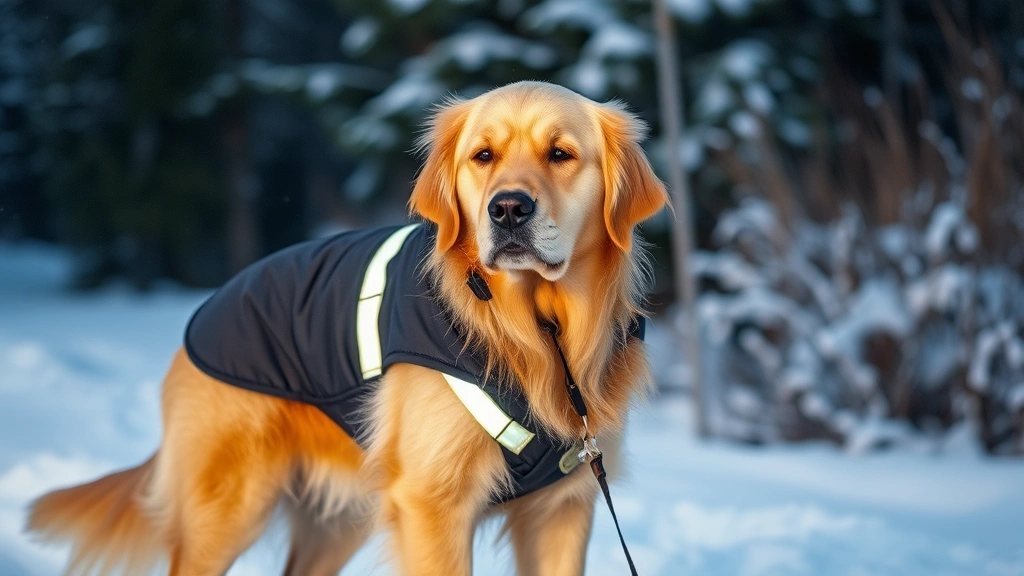
Fit is absolutely critical. A jacket that’s too loose won’t provide adequate warmth, while one that’s too tight restricts movement and causes discomfort. You should be able to fit one finger between the jacket and your dog’s body. Reflective strips are a bonus for visibility during dark winter mornings and evenings. Some jackets include harness holes, which is convenient if your dog wears a harness regularly. Easy-on, easy-off designs make life simpler, especially for dogs who hate getting dressed.

The Top 5 Dog Winter Jackets Worth Your Money
After considering durability, warmth, style, and real customer feedback, here are five standout options that actually deliver.
1. Ruffwear Quinzee Insulated Jacket – This is the gold standard for serious winter protection. It features a waterproof outer shell, insulated lining, and a snug fit that doesn’t compromise mobility. The reflective trim keeps your dog visible in low light, and it’s machine washable. Yes, it’s pricey, but it lasts for years.
2. Hurtta Extreme Warmer – Built for dogs who live in genuinely cold climates, this Finnish-designed jacket offers exceptional insulation and a water-resistant exterior. The anatomical cut fits most body shapes, and the reflective details are genuinely helpful. It’s durable enough to handle rough play and multiple winters.

3. EXPAWLORER Winter Dog Coat – If you want solid quality without breaking the bank, this option delivers. The water-resistant fabric, warm fleece lining, and adjustable straps make it versatile for different body types. It’s also available in multiple sizes and colors, so you can find something that fits your pup perfectly.
4. Gooby Padded Dog Vest – For smaller breeds and those who prefer a vest over a full jacket, this lightweight option provides surprising warmth. The soft, padded exterior is comfortable against the skin, and it’s easy to put on and take off. Great for quick bathroom breaks or short walks.
5. Tooth & Honey Reversible Insulated Puffer Jacket – This stylish option works as both a winter jacket and a water-resistant shell. The reversible design gives you two looks in one, and the insulated puffer technology keeps dogs warm without excessive bulk. It’s particularly good for dogs who overheat easily indoors but need warmth outside.
Sizing and Fitting Your Dog Perfectly
Getting the right size is where most people mess up. Measure your dog’s back length from the base of the neck to the tail base, and measure their chest at the widest point. Compare these measurements to the manufacturer’s size chart—don’t assume your dog is a “medium” just because they’re medium-sized. Some brands run small; others are generous.
When you receive your jacket, put it on your dog and check the fit. Their movement should be unrestricted, and they shouldn’t be able to wiggle out of it. The jacket should cover their back and sides but not extend so far that it interferes with bathroom breaks. If your dog wears a harness, ensure the jacket’s harness holes align properly with your harness attachment points.
Winter Jacket Care and Maintenance
A quality dog winter jacket requires proper care to last multiple seasons. Most modern jackets are machine washable on a gentle cycle, but always check the label first. Use mild detergent and avoid fabric softeners, which can reduce water resistance. Air dry completely before storing, as moisture promotes mold and mildew.
Inspect your jacket regularly for tears, loose seams, or damaged zippers. Catching these issues early prevents them from worsening. Store your jacket in a cool, dry place during warmer months. Keep it away from direct sunlight, which can fade colors and degrade materials over time. Some people use cedar blocks or lavender sachets to keep moths away from natural fabrics.
Alternative Winter Protection Options
If a traditional jacket doesn’t work for your dog, consider alternatives. Dog sweaters made from wool or acrylic blend offer warmth without the bulk. Booties protect paws from ice, salt, and cold surfaces—check out options like PetMD’s recommendations for proper sizing. Some owners use thermal underlayers beneath jackets for extra insulation. Dog blankets in the car or crate provide additional warmth during travel.
For dogs with sensitive skin or those who absolutely hate wearing jackets, increasing indoor time during extreme cold and limiting walks to short, supervised periods works too. Just ensure your pup still gets adequate exercise and mental stimulation.

Budget-Friendly Tips for Winter Dog Care
You don’t need to spend a fortune keeping your dog warm. Shop during off-season sales in spring and summer when retailers discount winter gear. Check out thrift stores and online marketplaces for gently used jackets in good condition. DIY options exist too—some creative owners make jackets from old sweaters or fleece blankets, though this requires sewing skills.
Consider your climate and your dog’s actual needs before splurging on premium options. A dog living in mild winters with occasional cold snaps needs less protection than one in a harsh, snowy climate. Be realistic about your dog’s tolerance for cold based on breed, age, and health status. You can also explore sustainable options like cruelty-free pet supplies that align with your values while keeping your pup warm.
Making Winter Walks Enjoyable for Your Dog
A proper dog winter jacket is just one part of winter wellness. Protect paw pads by wiping them after walks to remove salt and ice. Consider booties for extreme conditions. Limit walk duration during very cold weather—short, frequent walks are better than long ones. Keep your dog on a leash to prevent them from wandering onto frozen ponds or other hazards.

Watch for signs of cold stress like shaking, whining, or reluctance to continue walking. Some dogs are drama queens about cold, while others genuinely need to come inside. Trust your instincts and your dog’s body language. Provide warm water indoors after walks, and consider a cozy spot like a cooling dog bed (ironic, but heated beds are available too) where your pup can warm up and rest.
Winter Nutrition and Hydration
Dogs expend more energy maintaining body temperature in cold weather, so they may need slightly more calories during winter months. Consult your vet about adjusting portions if your dog spends significant time outdoors. Ensure fresh water is always available—dehydration happens in winter too, even though it doesn’t feel as obvious as in summer.
Paw pad care is crucial. Snow and ice can accumulate between toe pads, causing discomfort and potential injury. Trim hair between pads regularly, and consider protective balms designed for winter paw care. Some dogs benefit from booties, which also protect against salt and chemical de-icers used on sidewalks.
Travel Considerations for Winter
If you travel with your dog during winter, a quality jacket is essential. Whether you’re heading to snowy mountains or visiting family in a cold climate, your dog needs the same protection at the destination as at home. Pack extra jackets in case one gets wet or damaged. If you drive, keep your pup comfortable with appropriate car accessories—check out options for a car seat for dogs that provides warmth and security during winter travels.
Never leave your dog in a cold car, even briefly. Cars lose heat rapidly in winter and can become dangerously cold within minutes. Always bring your jacket-wearing companion inside with you.
Frequently Asked Questions
At what temperature does my dog need a winter jacket?
Most dogs need jackets when temperatures drop below 45°F (7°C), especially small breeds, seniors, and those with thin coats. Below 32°F (0°C), nearly all dogs benefit from extra protection. However, individual tolerance varies based on breed, age, health, and acclimation to cold.

Can I leave a jacket on my dog all day?
No, jackets should be removed indoors where it’s warm. Leaving a jacket on continuously can cause skin irritation, restrict movement, and lead to overheating indoors. Remove it when you’re inside and put it back on before going outside.
Are expensive dog winter jackets really worth it?
Premium jackets like Ruffwear and Hurtta last multiple seasons and provide superior warmth and protection. If you live in a cold climate or have a cold-sensitive dog, investing in quality is worthwhile. For occasional winter wear in mild climates, mid-range options work fine.
How do I know if my dog is too cold even with a jacket?
Signs include shivering, reluctance to go outside, lifting paws frequently, seeking warm spots constantly, or showing anxiety. Some dogs also become less playful or refuse to walk. Trust these signals and adjust by bringing your dog inside, reducing walk duration, or using additional protection.

Can all dogs wear winter jackets?
Most dogs can wear jackets, but some—particularly those with thick double coats in very cold climates—may overheat indoors if jackets are worn too long. Dogs with certain skin conditions might find jackets irritating. Consult your vet if your dog has sensitivities or health concerns.
What’s the difference between a dog jacket and a dog sweater?
Jackets typically feature waterproof or water-resistant outer shells with insulation, making them ideal for wet, snowy conditions. Sweaters are usually knitted or fleece without water resistance, better for dry, cold weather or indoor wear. Many dogs benefit from having both options available.
Final Thoughts: Keeping Your Best Friend Cozy
Investing in a quality dog winter jacket shows you care about your dog’s comfort and health during cold months. The right jacket keeps your pup warm, allows them to enjoy outdoor activities safely, and prevents serious cold-related health issues. Whether you choose a premium option or a budget-friendly alternative, the key is finding something that fits well, provides adequate insulation, and suits your dog’s lifestyle and climate.

Remember that a jacket is just one piece of winter care. Combine it with proper paw protection, appropriate exercise duration, good nutrition, and close attention to your dog’s comfort signals. Every dog is unique, so what works perfectly for your neighbor’s Golden Retriever might not be ideal for your Chihuahua. Pay attention to your individual pup’s needs and adjust accordingly. With the right preparation and protection, winter can be just as enjoyable for your dog as any other season.





