
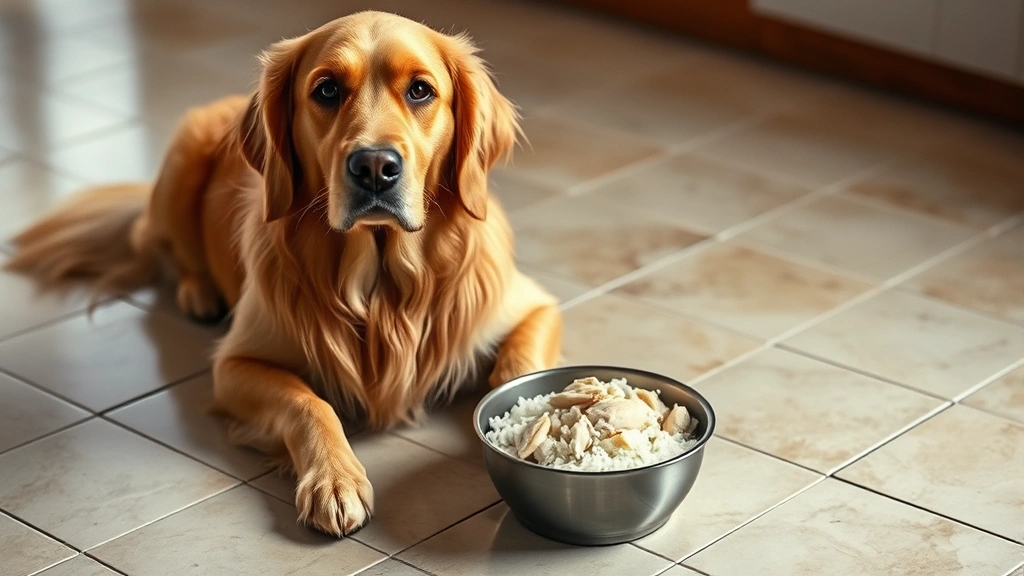
If your dog with diarrhea is leaving you unpleasant surprises around the house, you’re not alone—and frankly, you’re probably ready to pull your hair out. Diarrhea in dogs is one of those annoying health issues that can strike without warning, turning your pup into a bathroom emergency waiting to happen. The good news? Most cases of canine diarrhea are totally manageable with the right approach, and we’re about to walk you through exactly what works.
Table of Contents
- Understanding Why Your Dog Has Diarrhea in the First Place
- Remedy #1: The Bland Diet Reset
- Remedy #2: Probiotics and Digestive Enzymes
- Remedy #3: Proper Hydration and Electrolyte Balance
- Remedy #4: Identifying and Eliminating Problem Foods
- Remedy #5: Pumpkin Puree—The Fiber Miracle Worker
- When to Call Your Vet About Your Dog’s Diarrhea
- Prevention: Keeping Your Dog’s Digestive System Healthy
- The Recovery Timeline: What to Expect
- Common Mistakes Dog Owners Make
- Frequently Asked Questions
- Final Thoughts: Your Dog Will Be Fine
Understanding Why Your Dog Has Diarrhea in the First Place
Before we jump into the remedies, let’s talk about why your furry friend is dealing with loose stools in the first place. A dog with diarrhea could be experiencing issues for dozens of reasons—some minor, some worth a vet visit. The most common culprits include dietary indiscretion (fancy term for eating garbage), sudden food changes, food allergies, parasites, bacterial infections, or stress. Sometimes your pup just ate something sketchy at the park, and sometimes it’s something more serious. The key is knowing when to intervene at home and when to call your veterinarian.

Remedy #1: The Bland Diet Reset
The first line of defense for a dog with diarrhea is often the simplest: switching to a bland diet. This means temporarily ditching the fancy kibble and going old-school with boiled chicken and plain white rice. The combination is gentle on the digestive system and gives your dog’s gut a chance to recover. Cook boneless, skinless chicken breast thoroughly (no seasoning whatsoever), shred it, and mix it with plain white rice in a 1:1 ratio. Feed smaller portions more frequently—think four to six meals a day instead of the usual two. Most dogs respond within 24-48 hours, though some take longer. You can also incorporate sweet potatoes, which are easier on the digestive system than regular potatoes and packed with beneficial fiber.

Remedy #2: Probiotics and Digestive Enzymes
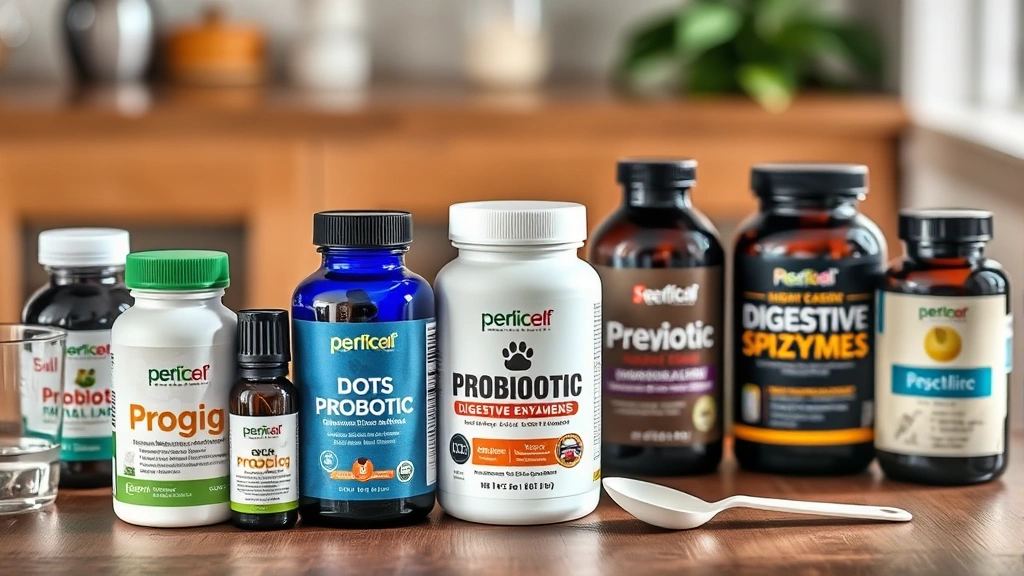
Your dog’s gut is full of bacteria—the good kind that helps digestion. When your pup has diarrhea, those beneficial bacteria get wiped out, making recovery slower. This is where probiotics come in. These live microorganisms help restore the healthy bacterial balance in your dog’s intestines. Look for dog-specific probiotic supplements (not human ones) and follow the dosage on the package. Digestive enzymes can also help break down food more effectively, reducing the strain on an already-upset system. Many veterinarians recommend using both together for maximum effectiveness. The combination can significantly speed up recovery time, especially for dogs with sensitive digestive systems.
Remedy #3: Proper Hydration and Electrolyte Balance
Here’s something people often overlook: when your dog has diarrhea, they’re losing water and essential electrolytes. This can lead to dehydration faster than you’d think, especially in small breeds or puppies. Make sure fresh water is always available, and consider offering bone broth (unsalted, no onions or garlic) as an enticing way to increase fluid intake. Some vets recommend adding a tiny pinch of salt and a small amount of honey to water, but check with your vet first. You can also use pet-specific electrolyte solutions designed for rehydration. Keeping your dog properly hydrated is absolutely critical during the recovery period and helps flush out whatever’s causing the issue.

Remedy #4: Identifying and Eliminating Problem Foods
A dog with diarrhea might be dealing with food allergies or sensitivities that you haven’t identified yet. Common culprits include chicken, beef, dairy, wheat, and corn. If the bland diet works but diarrhea returns when you reintroduce regular food, you might have a food sensitivity on your hands. Keep a food journal and note what your dog eats and any digestive issues that follow. Once you’ve stabilized your pup, try reintroducing foods one at a time, waiting 5-7 days between each new addition. This process takes patience, but it’ll help you pinpoint exactly what your dog’s system can’t handle. Check out our guide on low-fat human food options for safe alternatives to try once your dog recovers.
Remedy #5: Pumpkin Puree—The Fiber Miracle Worker
Pumpkin puree is basically the golden ticket for dogs with digestive issues. It’s packed with soluble fiber, which helps firm up loose stools, and it’s gentle enough that even sensitive stomachs can handle it. Use plain canned pumpkin (not pumpkin pie filling, which has added sugar and spices), and add 1-4 tablespoons depending on your dog’s size to their food once or twice daily. The soluble fiber absorbs water in the digestive tract, which helps create more normal stool consistency. Dogs usually love the taste, so there’s no struggle getting them to eat it. It’s one of the most underrated remedies out there, and honestly, having a can in your pantry is good preventative medicine.
When to Call Your Vet About Your Dog’s Diarrhea
Not every case of dog with diarrhea requires a vet visit, but some absolutely do. If your dog has diarrhea lasting more than 48 hours, shows signs of blood or mucus in the stool, appears lethargic, is vomiting, has a fever, or is a puppy or senior dog, get to your vet ASAP. Also, if your dog seems to be in pain or you suspect they ate something toxic, don’t wait—head to an emergency vet immediately. Your veterinarian can run tests to rule out parasites, bacterial infections, or other serious conditions. For severe cases involving potential food poisoning or toxicity, professional help is non-negotiable.

Prevention: Keeping Your Dog’s Digestive System Healthy
The best remedy is prevention. Keep your dog on a consistent, high-quality diet and avoid sudden food changes. Introduce new foods gradually over 7-10 days, mixing increasing amounts of the new food with the old. Prevent your pup from eating garbage, table scraps, or foods that are toxic to dogs. Make sure your dog stays up-to-date on parasite prevention, since parasites are a common diarrhea culprit. Regular exercise and stress management also support digestive health. And don’t forget about foods you should never feed your dog—knowing what’s off-limits can prevent emergency situations.
The Recovery Timeline: What to Expect
Recovery from diarrhea varies depending on the cause and severity. With the bland diet and remedies above, most dogs improve within 24-72 hours. However, if the underlying cause is parasites or a bacterial infection, recovery might take longer. Once you see improvement, don’t rush back to normal food—gradually reintroduce their regular diet over 7-10 days. Start by mixing 25% new food with 75% bland food, then increase the ratio every couple of days. This slow transition helps prevent a relapse and allows you to identify if a specific food is the problem.
Common Mistakes Dog Owners Make
People often make these mistakes when dealing with a dog with diarrhea: switching foods too quickly (which actually causes more diarrhea), not providing enough hydration, skipping the vet visit when they should go, or using human medications without veterinary approval. Another big one? Feeding high-fat treats or table scraps while your dog’s system is recovering. Stick to the plan, be patient, and resist the urge to give your pup “just one little treat.” Your dog will thank you with normal, healthy poops.
Frequently Asked Questions
How long does diarrhea last in dogs?
Most cases of acute diarrhea resolve within 24-72 hours with proper home care. If it lasts longer than a week or keeps recurring, there’s likely an underlying issue that needs professional attention. Chronic diarrhea requires veterinary investigation to identify the root cause.
Can I give my dog over-the-counter medications for diarrhea?
Some over-the-counter options like Imodium exist, but many vets recommend avoiding them without professional guidance. They can sometimes trap harmful bacteria in the system. Always consult your veterinarian before giving any medication, as the underlying cause matters more than symptom management.
Is rice water good for dogs with diarrhea?
Yes, rice water (the starchy water left after cooking rice) can be helpful. It’s hydrating and provides easily digestible carbohydrates. However, plain boiled rice mixed with chicken is even more nutritious and equally easy to digest.
Should I fast my dog if they have diarrhea?
Short fasts (4-12 hours) can sometimes help, but extended fasting isn’t recommended. It’s better to feed small, frequent meals of bland food rather than withholding food entirely. This keeps their system working gently while providing necessary nutrition.
What’s the difference between diarrhea and loose stools?
Loose stools are slightly softer than normal but still somewhat formed. Diarrhea is completely liquid with no form. Both warrant dietary adjustment, but true diarrhea—especially with blood, mucus, or lasting more than 48 hours—needs veterinary evaluation.
Final Thoughts: Your Dog Will Be Fine
A dog with diarrhea is frustrating, gross, and sometimes worrying, but it’s usually manageable. The five remedies we’ve covered—bland diet, probiotics, hydration, food identification, and pumpkin puree—address most common cases effectively. Stay calm, follow the guidelines, and don’t hesitate to contact your vet if things don’t improve or worsen. Your dog’s digestive system is resilient, and with a little patience and the right approach, they’ll be back to normal poops in no time. Keep those remedies in mind, stock your pantry with pumpkin puree, and remember: this too shall pass (pun absolutely intended).





