

If you’ve ever wondered why your dog keeps scooting across your carpet like they’re auditioning for a skateboard commercial, the answer likely involves dogs anal glands—those mysterious little pouches that most pet owners would rather not think about but absolutely should understand.
Table of Contents
- What Are Anal Glands and Why Do Dogs Have Them?
- Signs Your Dog’s Anal Glands Need Attention
- Common Anal Gland Problems in Dogs
- The Role of Diet in Anal Gland Health
- When to See Your Vet About Anal Gland Issues
- Professional Anal Gland Expression: What to Expect
- Home Care and Prevention Strategies
- Breed-Specific Considerations for Anal Gland Health
- When Anal Gland Problems Become Chronic
- Frequently Asked Questions
- Summary: Keeping Your Dog’s Anal Glands Healthy
Your dog has two small glands located on either side of their rectum, and while they’re not exactly dinner party conversation material, they’re crucial to your pup’s health and comfort. These glands produce a smelly secretion that dogs use to mark territory and communicate with other dogs. When they work properly, you’ll never think about them. When they don’t? Well, that’s when the scooting starts, and your vet’s phone rings off the hook.
What Are Anal Glands and Why Do Dogs Have Them?
Let’s get the basics down: anal glands (also called anal sacs) are small pouches found just inside your dog’s anus. Each gland produces a unique-smelling fluid that’s as individual to your dog as a fingerprint is to you. In the wild, dogs use this scent to mark their territory and communicate with other canines. It’s basically their version of a business card that says, “I was here, and here’s everything you need to know about me.”
When your dog poops normally, these glands naturally empty. The pressure from bowel movements squeezes the sacs, releasing that distinctive odor. This is why healthy poops are important—they’re not just about digestion; they’re about keeping those glands functioning properly. If your dog has loose stools or constipation, the glands might not empty correctly, leading to impaction and discomfort.

Signs Your Dog’s Anal Glands Need Attention
Your dog can’t exactly tell you their anal glands are bothering them, but they’ll definitely show you through their behavior. The most obvious sign is the infamous anal gland scooting—that embarrassing rear-end-dragging behavior on your carpet, grass, or hardwood floors. Your pup isn’t trying to humiliate you; they’re trying to relieve pressure and discomfort.
Other telltale signs include excessive licking or biting at their rear end, a foul odor that’s even worse than normal dog smell, redness or swelling around the anus, and visible discharge. Some dogs become irritable or anxious when their anal glands are impacted. In severe cases, your dog might have difficulty sitting, walking, or defecating.
If you notice any of these symptoms, it’s time to call your vet. Ignoring anal gland problems can lead to infection, abscess formation, or even rupture—situations that are far more serious and expensive to treat than a simple expression.

Common Anal Gland Problems in Dogs
Anal gland issues fall into a few categories. Impaction is the most common problem, where the glands become overly full and can’t empty naturally. This usually happens because of soft stools, which don’t provide enough pressure to empty the sacs. Infection can develop when bacteria colonize the impacted glands, causing inflammation, pain, and that truly awful smell. Abscess formation is the next level up—infected glands that fill with pus and can rupture if left untreated, creating a painful hole in your dog’s skin.
Certain dog breeds are more prone to anal gland problems. Small breeds like Chihuahuas, Toy Poodles, and Cocker Spaniels seem particularly susceptible, though any dog can develop issues. Overweight dogs also experience more problems because excess weight puts pressure on the anal area and can affect bowel function.
The Role of Diet in Anal Gland Health
Here’s where things get practical: what your dog eats directly impacts their anal glands. Dogs with firm, healthy stools are much less likely to develop anal gland problems. This is why vets always talk about fiber and diet when addressing these issues.
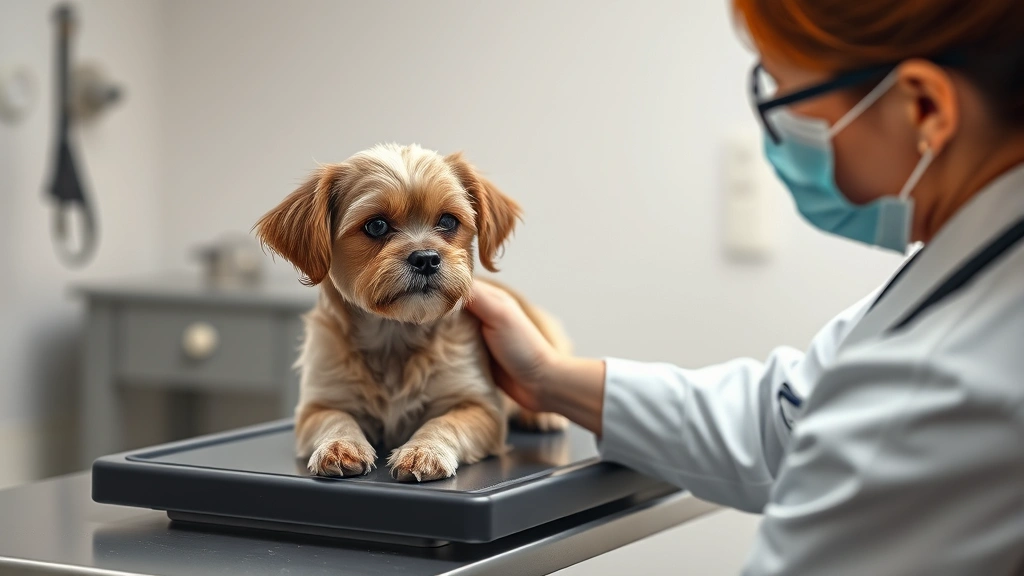
If your dog struggles with anal gland impaction, increasing their dietary fiber is often the first solution. High fiber human foods for pets can help firm up stools and provide the pressure needed for natural gland expression. Many vets recommend canned pumpkin for dogs as an excellent, natural fiber source. Just a tablespoon or two mixed into their regular food can make a significant difference.
Switching to a high-quality dog food with adequate fiber content is also important. Some dogs do better on grain-inclusive diets that provide more fiber, while others thrive on different formulations. This is where working with your vet becomes essential. They can recommend specific dietary adjustments based on your individual dog’s needs and health status.
When to See Your Vet About Anal Gland Issues
Not every scooting incident requires an emergency vet visit, but you should definitely schedule an appointment if the behavior persists for more than a few days or if you notice any of the warning signs mentioned earlier. When to call the vet about food applies here too—dietary changes might be the answer, but your vet needs to rule out infection or other complications first.
If you notice discharge, swelling, or your dog seems to be in significant pain, don’t wait. Seek veterinary care promptly. A vet can examine your dog, determine if the glands are impacted or infected, and provide appropriate treatment. They can also manually express the glands if needed, though this should only be done by a professional to avoid injury.
Professional Anal Gland Expression: What to Expect
If your dog needs professional help, your vet will perform an anal gland expression. This is a quick procedure where the vet applies gentle pressure to empty the glands manually. It’s not painful, though some dogs find it uncomfortable or embarrassing (yes, dogs can be embarrassed). The whole process usually takes just a minute or two.
Some groomers also offer anal gland expression services, but be cautious. While some groomers are trained to do this safely, it’s generally better to have your vet handle it, especially if there’s any sign of infection or complications. Your vet can examine the secretions, check for infection, and address any underlying issues.

Home Care and Prevention Strategies
The best approach to anal gland health is prevention. Maintaining your dog’s digestive health is the foundation of everything else. Ensure your dog gets enough exercise—activity helps promote healthy bowel function. Keep your pup at a healthy weight, as obesity significantly increases anal gland problems.
Monitor your dog’s poop. Yes, really. Healthy dog stools should be firm but not hard. If your dog consistently has loose stools, that’s a red flag. Pet diet transition advice is important here too; sudden diet changes can cause digestive upset. If you’re changing your dog’s food, do it gradually over 7-10 days to prevent loose stools.
Consider adding fiber supplements if your vet recommends them. Some dogs benefit from psyllium husk powder, though always check with your vet before starting any supplement. Staying hydrated is also important for healthy digestion, so ensure your dog always has access to fresh water.
Breed-Specific Considerations for Anal Gland Health
While any dog can develop anal gland problems, some breeds are definitely more susceptible. Small breeds with naturally softer stools or those prone to weight gain need extra vigilance. If you have a Chihuahua, Pug, or Cocker Spaniel, talk to your vet about preventative strategies specific to your breed.
Large breed dogs can also experience issues, particularly if they’re overweight or have digestive sensitivities. The key is understanding your individual dog’s predisposition and working proactively with your vet to prevent problems before they start.
When Anal Gland Problems Become Chronic
Some dogs are chronic offenders—their anal glands seem to need regular expression no matter what you do. If your dog falls into this category, don’t despair. Work closely with your vet to identify underlying causes. Sometimes it’s a food sensitivity, sometimes it’s an anatomical issue, and sometimes it’s just how that particular dog is built.

Chronic anal gland problems might require more frequent vet visits for expression, dietary management, or even supplements. In rare cases where problems are severe and unresponsive to conservative treatment, surgical removal of the anal glands is an option, though this is typically a last resort.
Frequently Asked Questions
Can I express my dog’s anal glands at home?
While it’s technically possible to learn how to express anal glands at home, it’s generally not recommended unless your vet specifically teaches you how. Improper technique can injure the glands, cause infection, or miss signs of serious problems. If your dog needs frequent expressions, ask your vet if home expression is appropriate for your situation.
Why does my dog’s anal gland secretion smell so bad?
That smell is intentional—it’s how dogs communicate. The secretion contains pheromones and other compounds that carry information about your dog’s health, diet, and identity. While it’s unpleasant to humans, other dogs find it fascinating. The worse the smell, the more likely there’s an infection or impaction involved.
Is anal gland impaction an emergency?
Impaction alone isn’t usually an emergency, but it’s uncomfortable and can lead to infection if not addressed. If your dog shows signs of severe pain, fever, or discharge, seek immediate veterinary care. Otherwise, schedule an appointment within a few days.
Can diet alone solve anal gland problems?
For many dogs, especially those with mild impaction, dietary changes alone can solve the problem. Increasing fiber through safe vegetables for dogs or supplements often helps. However, if there’s infection or other complications, you’ll need veterinary intervention in addition to dietary changes.
How often do healthy dogs need anal gland expression?
Healthy dogs shouldn’t need regular anal gland expression. If your vet is expressing your dog’s glands more than a few times per year, there’s likely an underlying issue that needs addressing through diet, weight management, or medical treatment.
Summary: Keeping Your Dog’s Anal Glands Healthy
Dogs anal glands might not be glamorous, but they’re an important part of your dog’s health. The good news is that most anal gland problems are entirely preventable through proper diet, weight management, and regular exercise. Focus on maintaining firm, healthy stools through quality nutrition and adequate fiber. Keep your dog at a healthy weight and ensure they get enough physical activity.
Work with your vet to identify any underlying issues that might predispose your dog to anal gland problems. If your dog does develop impaction or infection, prompt veterinary care prevents complications. And remember, if your dog is scooting, don’t just laugh and move on—that’s their way of telling you something needs attention.
By understanding how anal glands work and what can go wrong, you’re already ahead of the game. Your dog might never need anal gland expression, or they might need it occasionally. Either way, you’ll know exactly what’s happening and how to help. For dogs recovering from digestive issues, convalescence foods from the kitchen can support their recovery while you work on long-term anal gland health.
The bottom line: pay attention to your dog’s rear end, invest in good nutrition, and don’t hesitate to contact your vet when something seems off. Your dog will thank you—even if they can’t tell you directly.





