
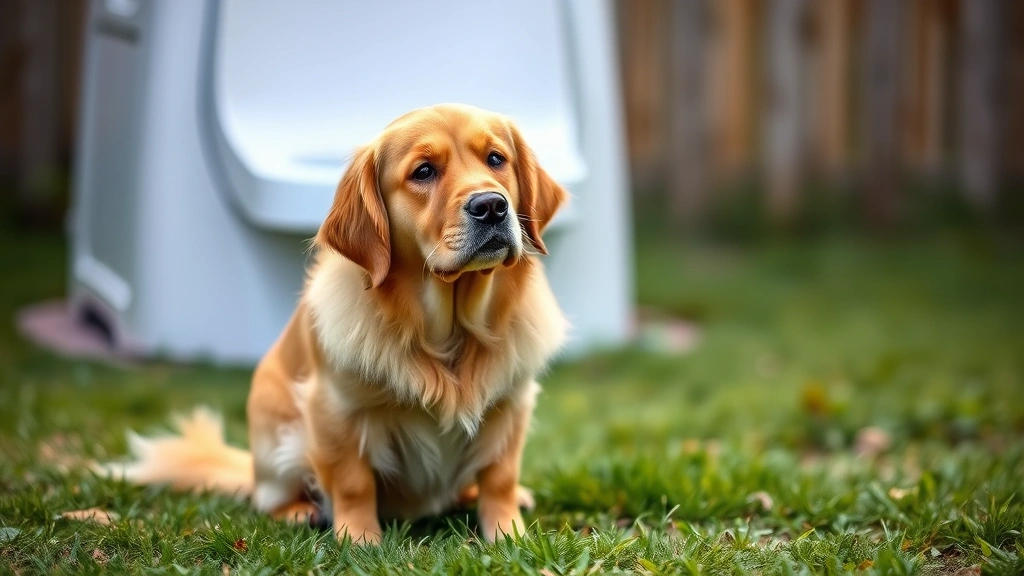
Dogs and bladder infections are more common than most pet parents realize, and catching them early can save your furry friend from serious discomfort and expensive vet bills. If your pup has been making extra bathroom trips or seems uncomfortable during potty time, a urinary tract infection (UTI) might be the culprit. Let’s dive into everything you need to know about preventing and treating these pesky infections.
Table of Contents
- What Are Bladder Infections in Dogs?
- Common Symptoms Your Dog Might Have a UTI
- Risk Factors That Increase Susceptibility to Canine Urinary Tract Infections
- The Critical Role of Hydration in Prevention
- Nutrition and Diet’s Impact on Urinary Health
- Why Regular Bathroom Breaks Are Non-Negotiable
- Supplements and Natural Prevention Methods
- When to Seek Veterinary Care for Bladder Issues
- Preventing Recurring Bladder Infections in Dogs
- The Connection Between Overall Health and Urinary Infections
- Special Considerations for Senior Dogs and Vulnerable Breeds
- Frequently Asked Questions
- Summary: Keeping Your Dog’s Bladder Healthy
What Are Bladder Infections in Dogs?
A bladder infection, medically known as cystitis, occurs when bacteria colonize your dog’s urinary bladder. Unlike humans, dogs can’t exactly tell us when something feels wrong down there, so we have to watch for behavioral clues. These infections happen when bacteria—usually E. coli—make their way up the urethra and settle into the bladder lining, causing inflammation and irritation.
The tricky part? Some dogs show obvious symptoms while others seem totally fine. That’s why understanding the signs of urinary tract infections in dogs is crucial for early detection.
Common Symptoms Your Dog Might Have a UTI
Your dog’s bathroom habits can tell you a lot. If Fido is suddenly asking to go outside more frequently, or worse, having accidents in the house despite being housetrained, that’s a red flag. Other telltale signs include:
- Straining or difficulty urinating
- Bloody or cloudy urine
- Excessive licking of the genital area
- Whimpering or crying during urination
- Lethargy or unusual behavior
- Loss of appetite
Some dogs develop recurring bladder infections, which suggests an underlying issue that needs veterinary attention. Don’t ignore these symptoms—a quick vet visit can confirm whether it’s truly a UTI or something else entirely.
Risk Factors That Increase Susceptibility to Canine Urinary Tract Infections
Certain dogs are more prone to developing bladder infections than others. Female dogs have a higher risk because their urethra is shorter, making it easier for bacteria to travel to the bladder. Senior dogs, dogs with diabetes, and those with compromised immune systems are also vulnerable.
Additionally, dogs that don’t urinate frequently enough—perhaps because they’re not getting enough bathroom breaks—have a higher chance of developing infections. Proper pet nutrition advice can also play a role, as certain dietary factors influence urinary health.
The Critical Role of Hydration in Prevention
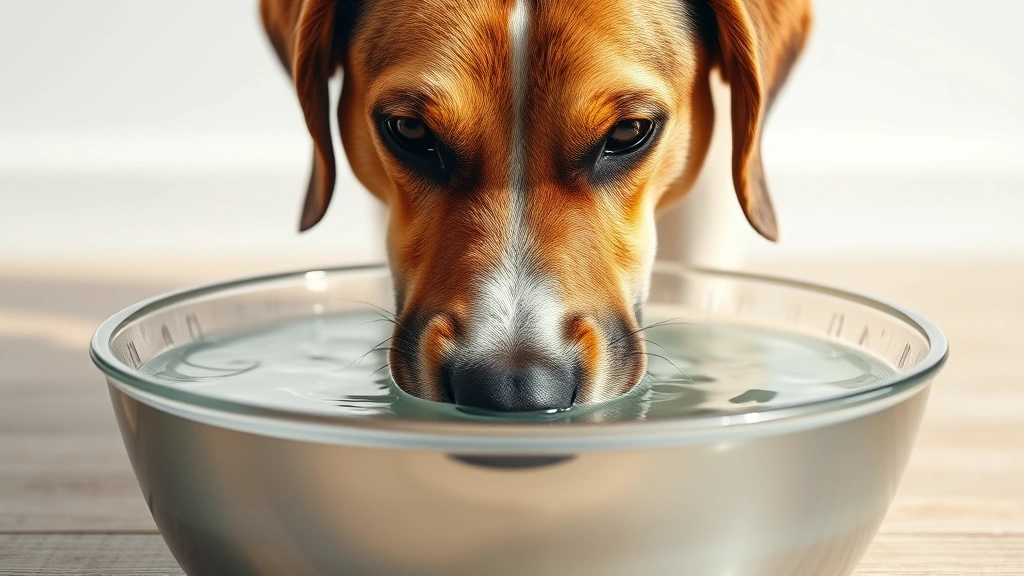
Here’s something many dog owners overlook: keeping your pup properly hydrated is one of the best defenses against bladder infections. When dogs drink enough water, they urinate more frequently, which helps flush bacteria out of the urinary system before it can establish an infection.
Make sure fresh, clean water is available at all times. Some dogs are picky drinkers, so you might need to refresh their water bowl throughout the day or try a water fountain to encourage drinking. Adequate hydration combined with regular bathroom breaks creates an environment where bacteria struggles to survive.
Nutrition and Diet’s Impact on Urinary Health
What your dog eats directly affects their urinary system’s health. Low-quality foods with excessive fillers can contribute to urinary issues. High-quality proteins and balanced minerals—especially magnesium and phosphorus—support bladder function. That’s why consulting pet food safety guidelines matters.
Some dogs benefit from diets specifically formulated to maintain urinary health. Your vet might recommend foods with cranberry or other natural ingredients that promote bladder health. If your dog has food allergies in pets, addressing these issues can sometimes reduce UTI frequency, as allergies can weaken the immune system.
Why Regular Bathroom Breaks Are Non-Negotiable
Dogs shouldn’t have to hold their bladder for extended periods. When urine sits in the bladder too long, bacteria multiply more easily. Ideally, adult dogs should have bathroom breaks every 6-8 hours, though senior dogs and puppies need more frequent opportunities.
If you work long hours, consider hiring a dog walker or using a pet sitting service to ensure your dog gets midday bathroom breaks. This simple step can dramatically reduce bladder infection risk. It’s especially important for dogs prone to urinary issues.
Supplements and Natural Prevention Methods
Beyond diet, certain supplements support urinary health. Cranberry extract, D-mannose, and probiotics are popular natural options that many vets recommend. These work by making it harder for bacteria to stick to the bladder walls, essentially preventing infections before they start.
Always discuss supplements with your veterinarian before starting them, as some may interact with medications or not be appropriate for your dog’s specific health situation. Healthy pet treats formulated with urinary support ingredients can also be beneficial.
When to Seek Veterinary Care for Bladder Issues
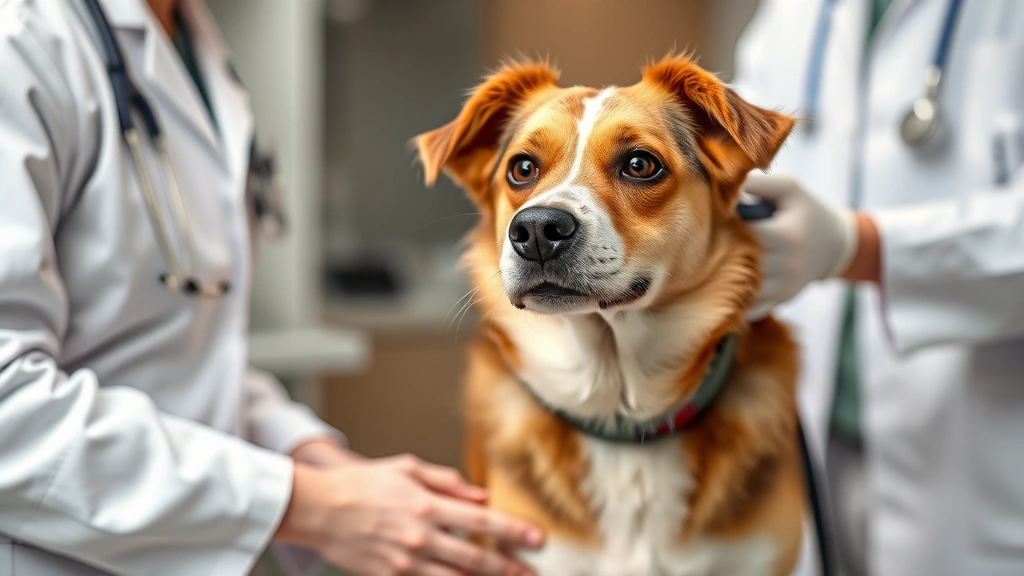
If you notice any symptoms of a UTI, don’t wait around hoping it’ll resolve on its own. Schedule a vet appointment promptly. Your veterinarian will likely perform a urinalysis and possibly a urine culture to confirm the infection and identify the specific bacteria involved.
Treatment typically involves antibiotics prescribed for 7-14 days, depending on severity. Completing the full course of antibiotics is crucial, even if your dog seems better after a few days. Stopping early can lead to antibiotic resistance and recurring infections.
Preventing Recurring Bladder Infections in Dogs
If your dog has had multiple UTIs, your vet might recommend ongoing preventive measures. This could include regular urinalysis tests, prescription diets, or long-term low-dose antibiotics in severe cases. Some dogs benefit from urine acidifiers or alkalinizers, depending on their specific situation.
Keeping detailed records of your dog’s bathroom habits and any symptoms helps your vet identify patterns and adjust prevention strategies accordingly. It’s detective work, but worth it to keep your pup comfortable.
The Connection Between Overall Health and Urinary Infections
Bladder infections don’t happen in a vacuum. Dogs with underlying conditions like diabetes, Cushing’s disease, or kidney problems are more susceptible to UTIs. Additionally, dogs with foods for joint health in pets issues or obesity may have compromised immune function.
Maintaining your dog’s overall health through proper nutrition, exercise, and regular vet checkups creates a strong foundation for preventing infections. A healthy dog is a dog whose immune system can fight off bacteria before it becomes a problem.
Special Considerations for Senior Dogs and Vulnerable Breeds
Older dogs are particularly prone to bladder infections due to weakened immune systems and sometimes compromised kidney function. If your senior pup is showing signs of a UTI, take it seriously. Senior dogs can develop complications from untreated infections more quickly than younger dogs.
Certain breeds, like Dalmatians and Bulldogs, have genetic predispositions to urinary issues. If you own a breed prone to bladder problems, work closely with your vet on a prevention strategy from the start.
Frequently Asked Questions
Can dogs get bladder infections from dirty water?
Yes, contaminated water can introduce bacteria that lead to UTIs. Always provide fresh, clean water and avoid letting your dog drink from stagnant puddles or questionable water sources. If your dog accidentally ingests contaminated water and shows signs of illness, contact your vet or visit an emergency vet for food poisoning situations.
How long does it take for antibiotics to work on a dog’s bladder infection?
Most dogs start feeling better within 48-72 hours of starting antibiotics. However, you should continue the full prescribed course even if your dog seems fine, typically 7-14 days depending on the infection severity.
Are male or female dogs more likely to get UTIs?
Female dogs are significantly more prone to bladder infections because they have a shorter urethra, making it easier for bacteria to reach the bladder. However, male dogs can certainly develop UTIs, especially if they have underlying health issues.
What’s the difference between a UTI and a bladder infection?
A UTI (urinary tract infection) is a general term that can affect any part of the urinary system. A bladder infection specifically affects the bladder. All bladder infections are UTIs, but not all UTIs are bladder infections.
Can stress cause bladder infections in dogs?
While stress doesn’t directly cause infections, it can weaken the immune system, making dogs more susceptible to bacterial infections. Keeping your dog’s stress levels low through proper exercise and routine helps maintain immune function.
Summary: Keeping Your Dog’s Bladder Healthy
Dogs and bladder infections are preventable with proper care and attention. The key strategies include maintaining consistent hydration, providing regular bathroom breaks, feeding high-quality nutrition, and monitoring for early warning signs. Remember that female dogs and seniors need extra vigilance, and recurring infections warrant a deeper investigation into underlying health issues.
Your dog depends on you to notice when something’s off. By staying alert to behavioral changes and maintaining preventive habits, you can keep your furry friend comfortable and infection-free. When in doubt, always consult with your veterinarian—they’re your best resource for keeping your pup’s urinary system healthy.





