
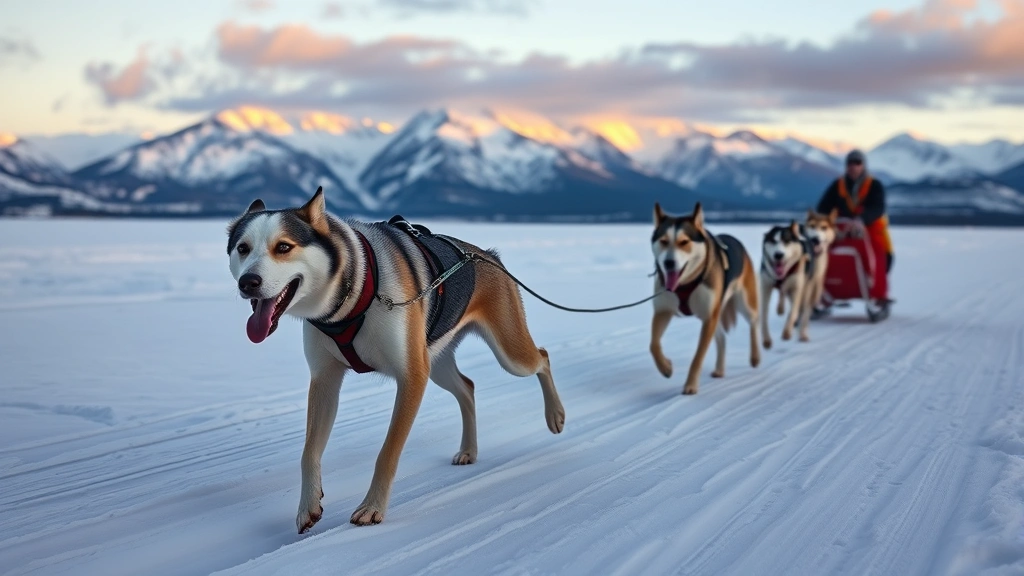
Dogs and sledges have been inseparable partners for thousands of years, creating one of the most thrilling and demanding sports on the planet. Whether you’re watching the Iditarod tear across Alaska or dreaming of mushing your own team through snowy trails, sled dog racing combines athleticism, strategy, and an unbreakable bond between human and canine. Let’s dive into everything you need to know about this incredible world.
Table of Contents
- What Are Sled Dogs and Why They’re Built Different
- The History of Dogs and Sledges: From Survival to Sport
- Understanding Sled Dog Breeds and Their Unique Characteristics
- How Sled Dog Teams Are Trained and Conditioned
- The Major Sled Dog Racing Events and Competitions
- The Bond Between Musher and Team: More Than Just Transportation
- Equipment and Gear: What You Need for Sledging
- Nutrition and Health: Fueling Canine Athletes
- Getting Started: How to Begin Your Sled Dog Journey
- The Modern Controversy: Balancing Sport and Animal Welfare
- Sled Dogs Beyond Racing: Working Dogs and Family Companions
- Frequently Asked Questions
What Are Sled Dogs and Why They’re Built Different
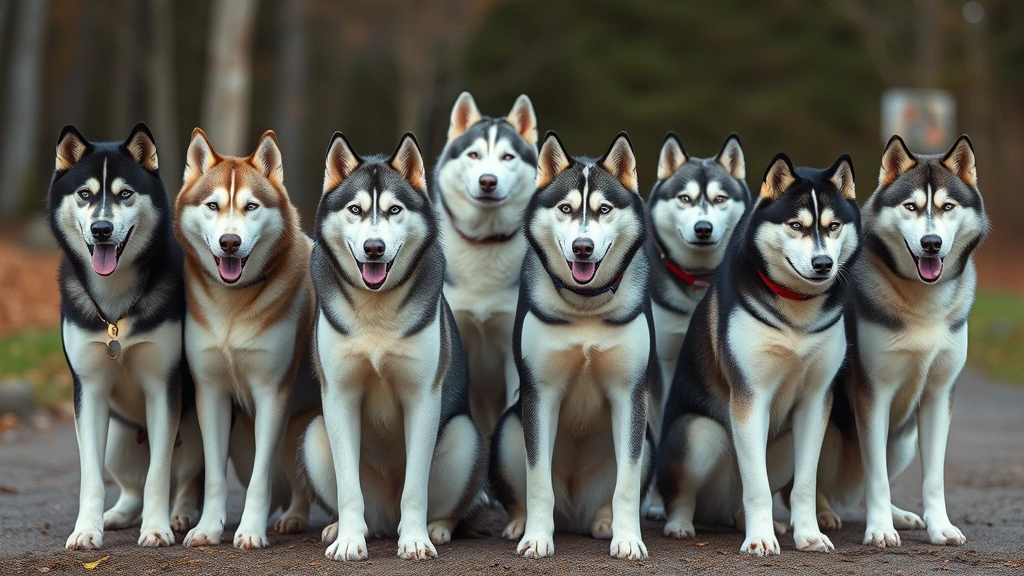
Sled dogs aren’t just any pups—they’re specially bred athletes with genetics fine-tuned over centuries. These remarkable animals possess incredible endurance, powerful leg muscles, and a natural instinct to work as a team. The most common sled dog breeds include Siberian Huskies, Alaskan Malamutes, and Alaskan Huskies, each bringing unique strengths to the harness.
What makes sled dogs truly special is their double-layered coat that repels moisture while trapping warmth, their efficient metabolism that converts food to energy at remarkable rates, and their psychological drive to run. These aren’t couch potatoes—they’re born to pull, and they absolutely love it. A well-trained sled dog team can cover 100 miles in a single day without breaking a sweat (well, they do sweat, but you get the point).
The History of Dogs and Sledges: From Survival to Sport
The relationship between dogs and sledges stretches back approximately 9,500 years to indigenous peoples in Siberia and North America. Before snowmobiles and modern transportation, sled dogs weren’t luxury—they were survival. Inuit communities, Sami herders, and Arctic explorers depended entirely on these incredible animals to transport goods, hunt, and navigate frozen wastelands.
The sport we know today really took off in the late 1800s when wealthy Alaskans started racing their teams competitively. The famous Serum Run of 1925, where sled dog teams rushed life-saving diphtheria antitoxin to Nome, Alaska, catapulted the sport into international consciousness. That historical event is now commemorated annually by the Iditarod Trail Sled Dog Race.
Understanding Sled Dog Breeds and Their Unique Characteristics
Not all dogs are created equal when it comes to sledging. Let’s break down the main players:
Siberian Huskies are the poster children of sled dog racing. These gorgeous animals with their striking blue eyes and wolf-like appearance are medium-sized, weighing 35-60 pounds. They’re built for speed and endurance, with lean frames that excel in long-distance racing.
Alaskan Malamutes are the heavyweight champions of the sled dog world. Weighing up to 100 pounds, these powerful giants are built for hauling heavy loads rather than speed. They’re the bulldozers of the dog world—slower but incredibly strong.
Alaskan Huskies are actually mixed breeds specifically developed for racing performance rather than breed standards. They combine the best traits of various northern breeds and are often considered the superior racing dogs today. Many competitive mushers prefer Alaskan Huskies because they can be customized genetically for specific race conditions.
Beyond these traditional breeds, you’ll also find Samoyeds, Malamutes, and even some surprising crosses in modern racing teams. Each breed brings different advantages depending on terrain, distance, and climate.
How Sled Dog Teams Are Trained and Conditioned
Training a sled dog team is a year-round commitment that separates casual enthusiasts from serious mushers. It’s not just about hooking up some dogs and hoping for the best—it’s a sophisticated science.
Puppies start learning the basics around 6-8 weeks old, beginning with simple commands like “gee” (right), “haw” (left), and “whoa” (stop). By 4-6 months, young dogs begin pulling in harness with experienced lead dogs. The training process emphasizes positive reinforcement, consistency, and building the dog’s confidence and enthusiasm.
Conditioning is absolutely critical. During racing season, teams run 5-6 days a week, covering anywhere from 10 to 50+ miles depending on their level. Mushers carefully monitor each dog’s weight, muscle tone, coat condition, and mental state. Nutrition is dialed in precisely—sled dogs consume 5,000-10,000 calories daily during racing season, requiring specialized high-fat, high-protein diets.
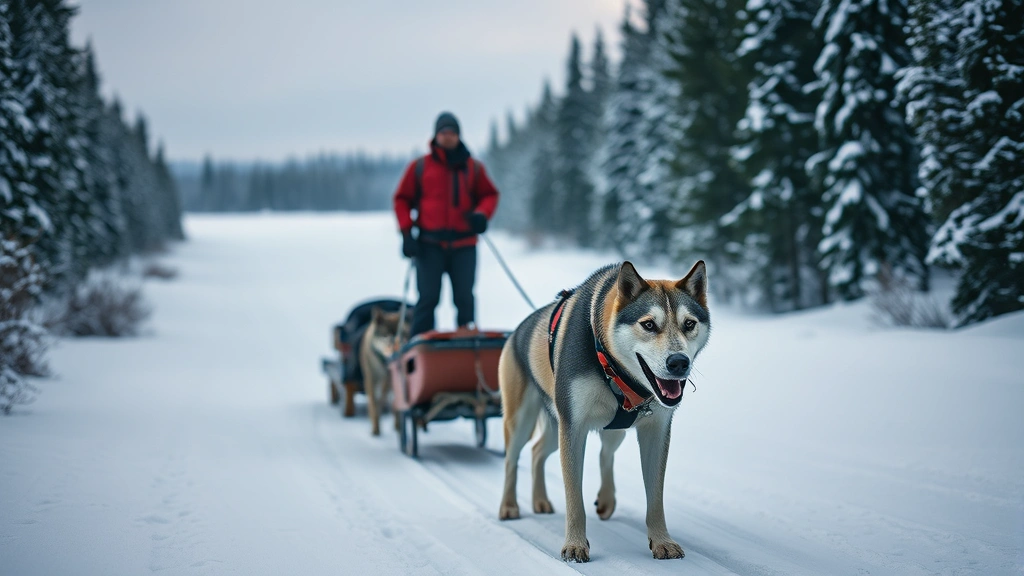
Rest days are sacred. Even the most driven sled dogs need recovery time to prevent injury and maintain their psychological edge. A musher’s job isn’t just commanding the team—it’s being a coach, nutritionist, veterinarian, and psychologist rolled into one.
The Major Sled Dog Racing Events and Competitions
The most famous sled dog race is undoubtedly the Iditarod Trail Sled Dog Race, a grueling 1,000-mile journey across Alaska that takes 7-15 days to complete. Mushers face extreme weather, challenging terrain, and the constant pressure of competition. Winning the Iditarod brings prestige, prize money, and bragging rights that last a lifetime.
The Yukon Quest is another legendary long-distance race, covering 1,000 miles between Whitehorse, Yukon, and Fairbanks, Alaska. It’s often considered even more challenging than the Iditarod because of its remote route and unpredictable conditions.
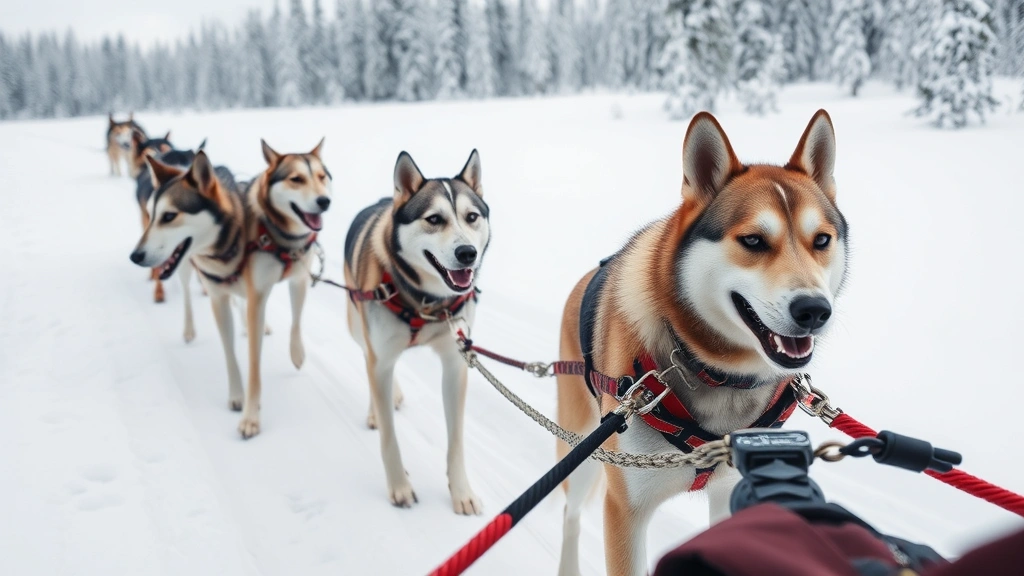
For shorter-distance thrills, sprint races are held throughout winter in communities across North America. These typically cover 10-30 miles and showcase the raw speed and teamwork of sled dog teams. The North American Sled Dog Championship and various regional competitions draw thousands of spectators.
International competitions have also grown significantly, with races now held in Scandinavia, Russia, and even Japan. Dogs and sledges have gone global, proving that the appeal transcends cultural and geographical boundaries.
The Bond Between Musher and Team: More Than Just Transportation
Ask any serious musher about their relationship with their dogs, and you’ll hear something profound. This isn’t a job—it’s a lifestyle rooted in deep mutual respect and affection. Mushers spend more time with their teams than with their families during racing season, and the connection runs incredibly deep.
The best mushers treat their dogs as partners and athletes, not servants. They know each dog’s personality, quirks, strengths, and fears. A lead dog isn’t just following commands—they’re making split-second decisions about pace, route, and team dynamics. The musher and lead dog develop an almost telepathic understanding.
This relationship extends to post-racing life as well. Many retired sled dogs transition into family pets or become beloved ambassadors for the sport. The care and respect shown to these animals is genuinely heartwarming, though the sport does have its critics regarding animal welfare—a legitimate conversation that responsible mushers take seriously.
Equipment and Gear: What You Need for Sledging
Dogs and sledges require specialized equipment designed for extreme conditions and maximum efficiency. Let’s break down the essentials:

The Carhartt dog collar represents just one example of the durable gear necessary for sled dogs. Beyond collars, you’ll need:
Harnesses are the critical connection between dog and sled. Modern racing harnesses are lightweight yet incredibly strong, distributing pulling force across the dog’s chest and shoulders to prevent injury. Different harness styles suit different body types and racing styles.
Sleds

Runners
Lines and Ganglines
Beyond the sled itself, mushers invest heavily in booties to protect paw pads, blankets for warmth, and specialized dog food formulated specifically for high-performance athletes.
Nutrition and Health: Fueling Canine Athletes
Feeding sled dogs properly is both an art and a science. During racing season, a sled dog requires 5,000-10,000 calories daily—roughly 10 times what a sedentary dog needs. This massive caloric requirement must come from high-quality sources.
Most competitive mushers feed raw or cooked meat-based diets supplemented with fat sources like salmon oil or beef tallow. Some use premium commercial kibbles formulated specifically for working dogs. The key is matching nutrition to the dog’s individual metabolism, the training phase, and environmental conditions.
Hydration is equally critical. Sled dogs need constant access to clean water, and mushers often feed snow or ice during runs to maintain hydration without overloading the digestive system.
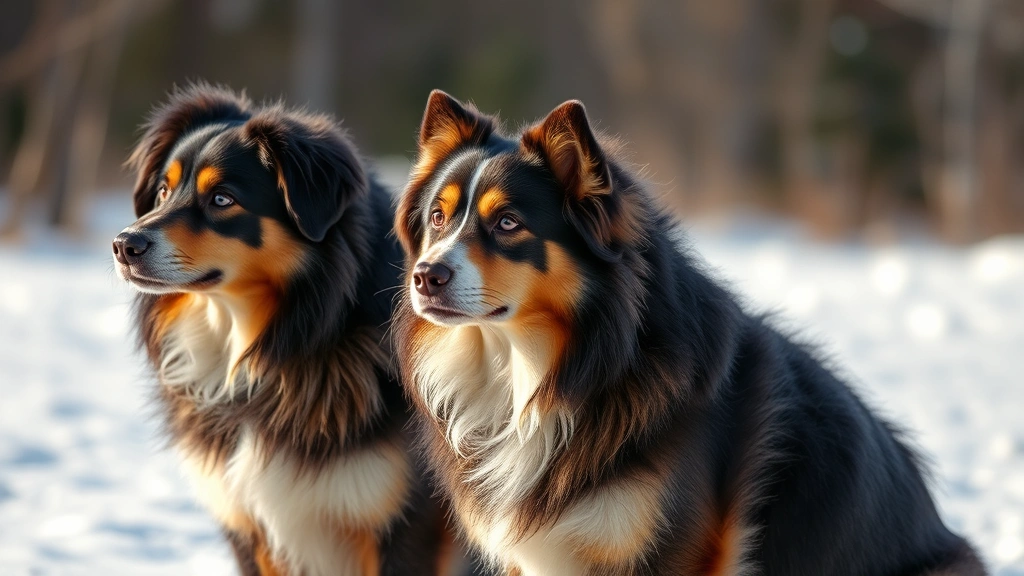
Health monitoring is intensive. Regular veterinary checkups, joint assessments, and dental care are non-negotiable. Many serious mushers have relationships with veterinarians who specialize in working dog medicine. The American Animal Hospital Association provides resources for finding qualified veterinary care for athletic dogs.
Common health concerns include musculoskeletal injuries, overheating, and paw pad issues. Responsible mushers take preventative measures seriously and retire dogs showing signs of injury or age-related decline.
Getting Started: How to Begin Your Sled Dog Journey
Dreaming of mushing your own team? Here’s the reality check: it requires significant investment, commitment, and access to proper facilities.

First, you need space. Sled dogs require room to run, play, and stay cool in off-season. A small urban apartment won’t cut it. Most mushers have at least an acre of land, ideally more.
Second, you need climate. While sled dogs can technically live in warmer areas, they’re optimized for cold weather. Living in a region with reliable winter snow is hugely advantageous.
Third, you need mentorship. Don’t try this alone. Connect with local mushing clubs, attend races, and learn from experienced mushers. The community is generally welcoming to newcomers willing to put in the work.
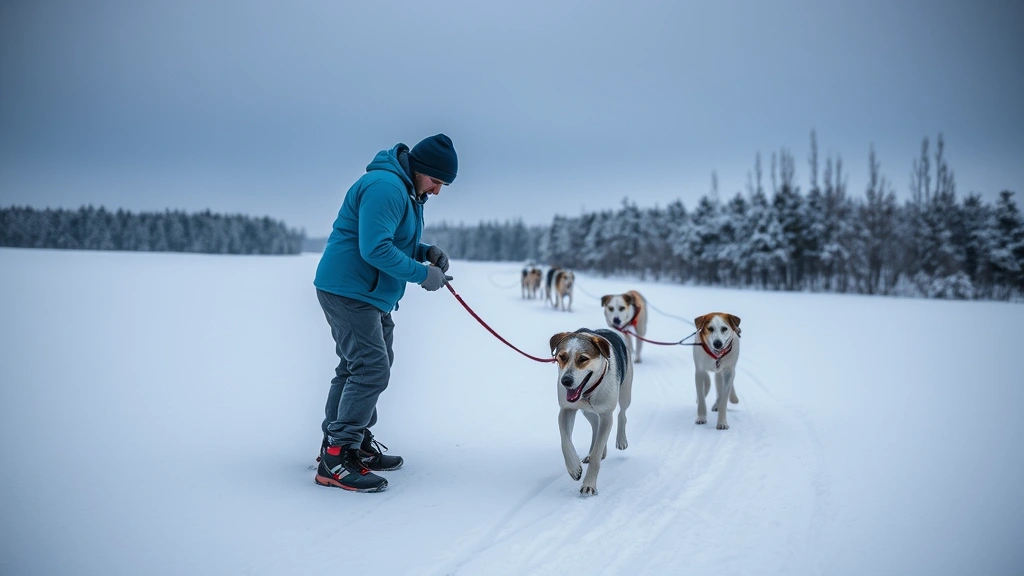
Fourth, you need financial resources. A competitive team of 12-16 dogs requires thousands of dollars annually for food, veterinary care, equipment, and entry fees. This isn’t a budget hobby.
Finally, you need passion. This lifestyle demands early mornings, late nights, and unwavering dedication regardless of weather or personal circumstances. If you’re not genuinely in love with dogs and the sport, you’ll burn out quickly.
The Modern Controversy: Balancing Sport and Animal Welfare
It’s important to acknowledge that sled dog racing isn’t without controversy. Animal rights organizations have raised concerns about dog welfare, particularly regarding long-distance races and training practices.
Responsible mushers counter that their dogs are well-cared-for athletes who love their work. They point to rigorous veterinary oversight, careful conditioning, and genuine affection for their animals. The Iditarod, for instance, has implemented strict rules about dog welfare, including mandatory veterinary checks and disqualification for mushers who mistreat animals.
The reality is nuanced. Most dedicated mushers genuinely care for their dogs’ wellbeing, but the sport does attract some individuals with questionable ethics. Supporting reputable mushers and organizations that prioritize animal welfare is crucial for the sport’s future.
Sled Dogs Beyond Racing: Working Dogs and Family Companions
While racing gets the headlines, sled dogs serve important roles beyond competition. Search and rescue teams utilize sled dogs in remote areas where vehicles can’t reach. Some indigenous communities still use traditional dog sledges for transportation in remote regions.
Many retired sled dogs transition beautifully into family pets. Despite their athletic nature, they can adapt well to home life with proper exercise and socialization. Huskies and Malamutes have become increasingly popular as family dogs, though potential owners should understand their high exercise requirements and prey drive.
Sled dog experiences—where tourists can ride in sleds pulled by trained teams—have become popular tourist attractions in northern regions. These operations provide income for mushers while introducing people to the sport and the incredible athleticism of these dogs.
Frequently Asked Questions
Can any dog become a sled dog?
No. Sled dogs require specific genetic traits including cold tolerance, high prey drive, pack mentality, and physical structure. While any dog can theoretically wear a harness, only certain breeds and individuals have the natural instinct and physical capability to excel in sledging. Most competitive teams use purebred Huskies, Malamutes, or carefully bred Alaskan Huskies.
How fast do sled dog teams travel?
Speed varies dramatically based on terrain, weather, and team composition. Sprint races might see teams reaching 20+ mph, while long-distance races average 7-10 mph over many hours. The Iditarod winners typically maintain an average speed of around 10 mph across the entire 1,000-mile course.
What’s the lifespan of a working sled dog?
Healthy sled dogs typically live 12-15 years, similar to other large dog breeds. However, their racing career usually spans only 5-7 years, after which they transition to lighter work or retirement. Many retired sled dogs live comfortably as family pets for many additional years.
Are sled dogs mistreated?
This is genuinely debated. Most reputable mushers treat their dogs exceptionally well—they’re valuable athletes requiring peak condition. However, the sport does have a history of mistreatment, and some individuals prioritize winning over animal welfare. Choosing to support ethical mushers and organizations with strong animal welfare standards is important.
Can I start sled dog racing as an adult beginner?
Absolutely! While some mushers grew up with sled dogs, many successful competitors started as adults. You’ll need to connect with local mushers for mentorship, invest in proper equipment and facilities, and be prepared for a steep learning curve. It’s challenging but definitely achievable.
The relationship between dogs and sledges represents one of humanity’s most enduring partnerships. From survival necessity to competitive sport, these incredible animals continue to captivate us with their athleticism, intelligence, and unwavering dedication. Whether you’re a spectator watching the Iditarod or a musher running your own team, the world of sled dog racing offers adventure, challenge, and a profound connection with some of Earth’s most remarkable animals.





