
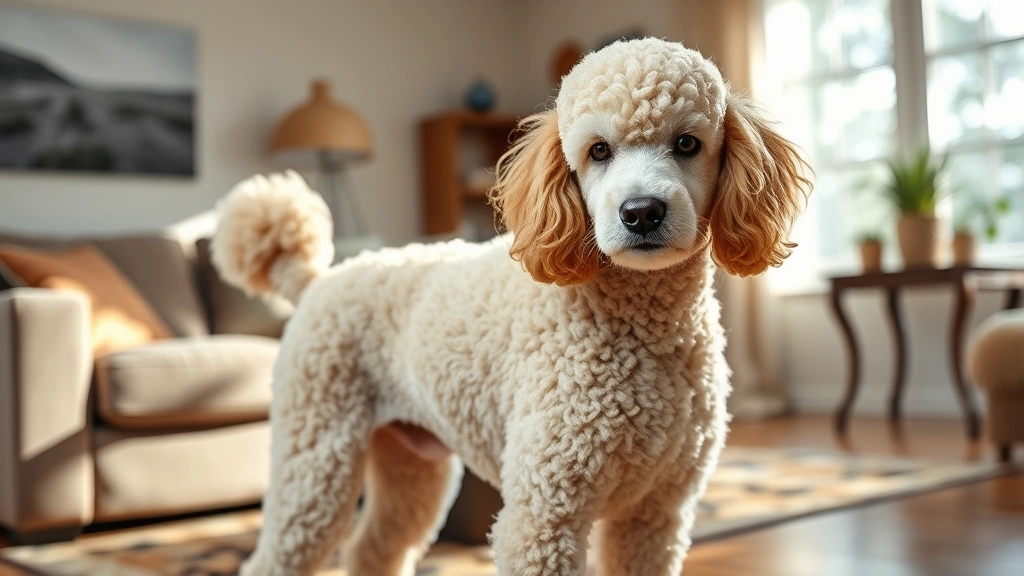
If you’ve ever wondered whether dogs don’t shed, the answer is more nuanced than a simple yes or no—but we’ve got the full scoop on breeds that come pretty darn close to being shed-free. Let’s be honest: dog hair on your couch, clothes, and literally everywhere else gets old fast. The good news? Certain breeds have hair instead of fur, meaning they shed minimally or not at all, making them perfect for allergy sufferers and cleanliness enthusiasts alike.
Table of Contents
- What Does It Really Mean When Dogs Don’t Shed?
- The Science Behind Hypoallergenic Dog Breeds
- Poodles: The Gold Standard of Non-Shedding Dogs
- Bichon Frises: Small, Fluffy, and Shed-Free
- Portuguese Water Dogs: Athletic and Allergy-Friendly
- Schnauzers: Wiry Coats That Won’t Cover Your Couch
- Maltese Dogs: Silky Hair That Doesn’t Shed Like Traditional Fur
- Shih Tzus: Long-Haired Beauties with Minimal Shedding
- Doodle Breeds: The Poodle Mix Revolution
- Yorkshire Terriers: Small Packages with Big Personalities
- Wheaten Terriers: The Friendly Non-Shedders
- Grooming Requirements for Dogs That Don’t Shed
- Nutrition and Coat Health for Low-Shedding Breeds
- Frequently Asked Questions
- The Bottom Line: Finding Your Perfect Non-Shedding Match
What Does It Really Mean When Dogs Don’t Shed?
Before we dive into our list of 15 amazing low-shedding breeds, let’s clarify what “non-shedding” actually means. Technically, almost every dog sheds to some degree—it’s just biology. However, some breeds have hair that grows continuously without falling out in clumps, similar to human hair. These dogs are often called hypoallergenic, though that term isn’t perfect since no dog is truly 100% hypoallergenic. What matters is that their hair doesn’t coat your furniture and clothes like a golden retriever’s would. Most non-shedding dogs require regular grooming to keep their coats healthy and prevent matting.
The Science Behind Hypoallergenic Dog Breeds
The reason certain breeds don’t shed much comes down to their coat structure. Dogs with continuously growing hair (like poodles and terriers) don’t have the seasonal shedding cycles that double-coated breeds experience. Additionally, these breeds produce less dander—the main culprit behind dog allergies. If you’re concerned about your pup’s coat health, consider looking into skin and coat health foods that support optimal hair growth and skin condition.
Poodles: The Gold Standard of Non-Shedding Dogs
Poodles—whether Standard, Miniature, or Toy—are the poster children for dogs that don’t shed. Their curly, dense coats grow continuously and shed minimally. These intelligent, athletic dogs are excellent for active families and come in three size options. The trade-off? They need professional grooming every 4-6 weeks to prevent their hair from becoming a matted mess. Poodles are also incredibly trainable, making them perfect for first-time dog owners.
Bichon Frises: Small, Fluffy, and Shed-Free
Don’t let their fluffy appearance fool you—Bichon Frises are among the best non-shedding small breeds. These cheerful, compact dogs have a curly coat that requires regular brushing and professional grooming. They’re perfect for apartment dwellers and families with limited space. Bichons are playful and affectionate, though they can be a bit stubborn during training. Their hypoallergenic coat makes them ideal for people with sensitivities.
Portuguese Water Dogs: Athletic and Allergy-Friendly
Originally bred to help fishermen in Portugal, these energetic dogs have a wavy or curly coat that sheds minimally. Portuguese Water Dogs are medium-sized, athletic, and require plenty of exercise and mental stimulation. They’re excellent swimmers and love water activities. If you want to support their active lifestyle, superfoods for pets can provide the nutrition they need to thrive. These dogs are loyal, intelligent, and make wonderful family companions.
Schnauzers: Wiry Coats That Won’t Cover Your Couch
Schnauzers come in three sizes—Miniature, Standard, and Giant—and all have distinctive wiry, low-shedding coats. Their double coat requires regular hand-stripping or clipping to maintain proper texture. Schnauzers are alert, intelligent, and make excellent watchdogs. They’re particularly good with families and adapt well to various living situations. Their minimal shedding is a huge bonus for keeping your home hair-free.
Maltese Dogs: Silky Hair That Doesn’t Shed Like Traditional Fur
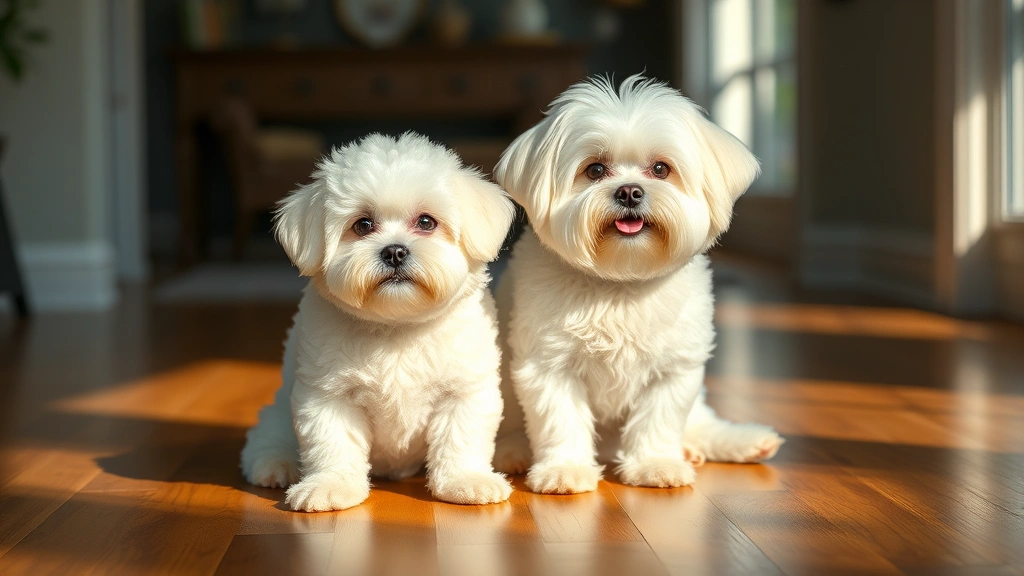
Maltese dogs have long, silky white hair that grows continuously without shedding seasonally. These tiny companions are perfect for people who want a lap dog without the hair tumbleweeds. They require daily brushing to prevent tangles and regular grooming. Maltese dogs are gentle, affectionate, and surprisingly sturdy despite their delicate appearance. Their hypoallergenic coat makes them excellent choices for allergy-prone households.
Shih Tzus: Long-Haired Beauties with Minimal Shedding
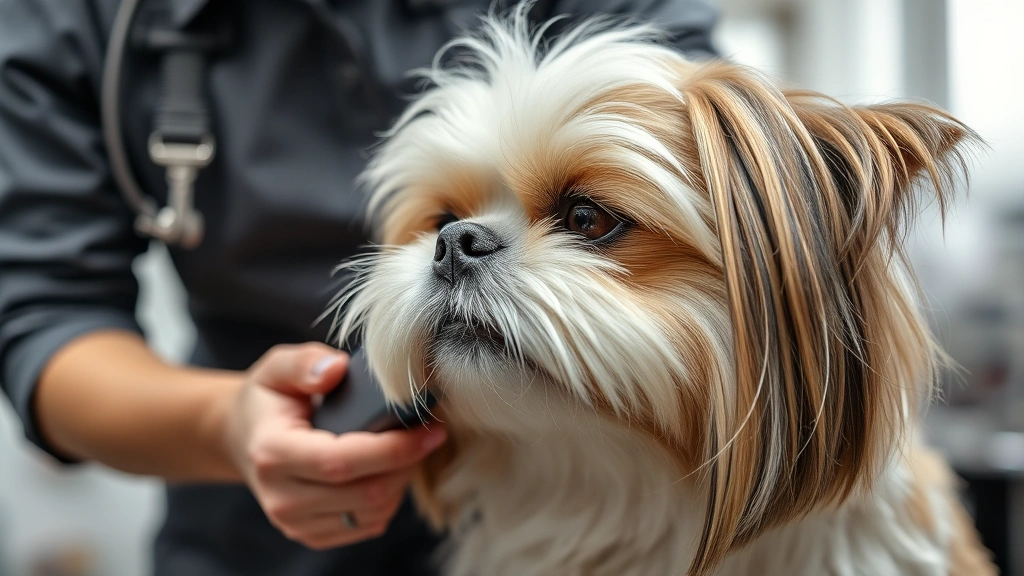
Shih Tzus have long, flowing coats that shed minimally, though they do require significant grooming maintenance. These affectionate, confident little dogs were bred as companions for Chinese royalty, and they definitely know it. They’re stubborn but lovable, and they thrive on human companionship. Regular brushing and professional grooming keep their coats beautiful and mat-free. To keep their skin and coat in top condition, consider incorporating collagen for dogs into their diet.
Doodle Breeds: The Poodle Mix Revolution
Goldendoodles, Labradoodles, and other Poodle mixes have exploded in popularity, and for good reason—they often inherit the Poodle’s low-shedding coat while getting the friendly temperament of their other parent breed. However, shedding varies significantly depending on which parent breed’s coat they inherit. Some Doodles shed more than others, so it’s important to research individual dogs or meet parents before committing. These intelligent, affectionate dogs make excellent family pets and therapy dogs.
Yorkshire Terriers: Small Packages with Big Personalities
Yorkies have silky hair (not fur) that grows continuously and sheds very little. These tiny dogs pack enormous personalities into their small frames. They’re confident, affectionate, and surprisingly sturdy despite their delicate appearance. Yorkies require regular brushing and professional grooming to keep their coats healthy and beautiful. They’re perfect for apartment living and make wonderful companions for single people or families with older children.
Wheaten Terriers: The Friendly Non-Shedders
Soft Coated Wheaten Terriers have a silky, single-layer coat that sheds minimally. These medium-sized dogs are known for their friendly, outgoing personalities and are excellent with families. They’re energetic and require regular exercise and mental stimulation. Wheatens are intelligent and trainable, though they can have an independent streak. Their minimal shedding combined with their wonderful temperament makes them increasingly popular family dogs.
Grooming Requirements for Dogs That Don’t Shed
Here’s the reality check: dogs that don’t shed typically require more grooming than shedding breeds. We’re talking professional grooming every 4-8 weeks, plus regular home maintenance like brushing and bathing. This ongoing expense and time commitment is the trade-off for a hair-free home. Many owners find it worthwhile, but it’s important to factor grooming costs into your budget before getting a non-shedding breed. Proper grooming isn’t just about aesthetics—it’s essential for preventing matting and maintaining skin health.
Nutrition and Coat Health for Low-Shedding Breeds
Regardless of shedding level, all dogs benefit from proper nutrition that supports coat and skin health. Omega-3 and omega-6 fatty acids, high-quality proteins, and essential vitamins all contribute to a healthy coat. Dogs with continuously growing hair need consistent nutritional support to maintain their coat quality. If you’re unsure about your dog’s dietary needs, virtual vet consultation for diet questions can provide personalized guidance. Quality nutrition reduces skin irritation and keeps your dog’s coat in optimal condition.
Frequently Asked Questions
Are hypoallergenic dogs truly allergen-free?
No dog is 100% hypoallergenic, but low-shedding breeds produce less dander and shed less hair, reducing allergens significantly. People with dog allergies often tolerate these breeds better than heavy shedders. Individual reactions vary, so spending time with the specific breed before adopting is wise.
How often should non-shedding dogs be groomed?
Most non-shedding breeds need professional grooming every 4-8 weeks, depending on the breed and coat type. Between grooming sessions, daily brushing prevents matting and keeps the coat healthy. Some owners learn to groom their dogs at home to save money.
Are non-shedding dogs more expensive than shedding breeds?
Non-shedding breeds often cost more upfront and require significant ongoing grooming expenses. However, many owners consider the reduced vacuuming, less furniture cleaning, and fewer allergy issues worth the investment. Budget-conscious owners should factor grooming costs into their decision.
Can I reduce shedding in my current dog?
While you can’t stop a heavy-shedding breed from shedding, proper nutrition, regular brushing, and occasional professional grooming can minimize loose hair. Omega-rich diets and quality supplements may improve coat health and reduce excessive shedding.
What’s the difference between hair and fur in dogs?
Dog hair grows continuously like human hair, while fur has a growth cycle and sheds seasonally. Hair-coated dogs don’t shed in clumps but require regular grooming to prevent matting. Fur-coated dogs shed naturally but need less frequent grooming.
The Bottom Line: Finding Your Perfect Non-Shedding Match
The myth that dogs don’t shed needs clarification—most don’t shed much, but they do require dedication to grooming and coat care. Whether you’re dealing with allergies, keeping your home pristine, or simply tired of vacuuming, low-shedding breeds offer a fantastic solution. From tiny Maltese dogs to athletic Portuguese Water Dogs, there’s a non-shedding breed for virtually every lifestyle and preference. The key is understanding that choosing a low-shedding breed means committing to regular grooming and quality nutrition. With proper care and maintenance, these wonderful dogs will reward you with years of companionship, minimal hair on your furniture, and the peace of mind that comes with a cleaner home. Remember, the best dog for you isn’t just about shedding—it’s about finding a breed that matches your energy level, living situation, and lifestyle.





