

Dogs howling might sound like your pup is auditioning for a werewolf movie, but there’s actually some pretty solid science behind all that noise. Whether your furry friend is belting out a solo at 3 AM or joining in when the sirens pass by, understanding why dogs howl can help you address the behavior before your neighbors start leaving passive-aggressive notes on your door.
Table of Contents
- What Exactly Is Dogs Howling?
- Reason #1: Separation Anxiety and Loneliness
- Reason #2: Response to Sirens and High-Pitched Sounds
- Reason #3: Medical Issues and Pain
- Reason #4: Seeking Attention or Excitement
- Reason #5: Territorial Communication and Pack Bonding
- How to Manage Excessive Howling
- When to Consult a Professional
- The Bottom Line on Dogs Howling
- Frequently Asked Questions
What Exactly Is Dogs Howling?
Dogs howling is a vocalization behavior that’s deeply rooted in canine ancestry. Unlike barking, which is more of a domestic dog thing, howling is a throwback to their wolf ancestors who used it to communicate across long distances. When your pup howls, they’re tapping into thousands of years of evolutionary wiring. It’s not just random noise—there’s actual purpose behind it, even if that purpose seems completely baffling to us humans sitting on the couch wondering why our golden retriever sounds like a siren.
Reason #1: Separation Anxiety and Loneliness
One of the most common reasons dogs howl is separation anxiety. When your dog realizes you’re leaving them alone, the waterworks—or in this case, the howl-works—begin. Dogs are pack animals, and being separated from their pack (that’s you!) can trigger serious distress. If your pup starts howling the moment you grab your keys or head toward the door, separation anxiety might be the culprit.
To tackle this, try gradually desensitizing your dog to your departure routine. Leave for short periods, then return before they start howling. It’s like teaching them that you always come back. You might also consider pet nutrition advice to ensure they’re getting proper nutrients that support calm behavior, as sometimes anxiety can be exacerbated by nutritional imbalances.
Reason #2: Response to Sirens and High-Pitched Sounds
Ever notice how your dog goes absolutely bonkers when an ambulance or fire truck rolls by? That’s because sirens hit a frequency that triggers their howling instinct. Some dogs genuinely believe they’re communicating back with the siren, while others might find the sound distressing and howl as a stress response. It’s the canine equivalent of covering your ears at a loud concert.
The good news? This type of howling is usually harmless and temporary. Once the siren passes, your dog will likely settle down. If it really bothers you, desensitization training with recordings of siren sounds played at low volumes can help over time.
Reason #3: Medical Issues and Pain
Sometimes dogs howl because something hurts. If your normally quiet pup suddenly starts howling excessively, it’s worth a vet visit. Pain from ear infections, dental problems, or other health issues can cause dogs to vocalize in ways they normally wouldn’t. This is especially true if the howling is accompanied by other behavioral changes or physical symptoms.
According to the American Kennel Club, unexplained changes in vocalization should always be evaluated by a veterinarian. Better safe than sorry when it comes to your furry friend’s health.
Reason #4: Seeking Attention or Excitement
Let’s be honest—some dogs are drama queens. If your pup has learned that howling gets your attention, they’ll keep doing it. This is especially common in breeds with strong pack mentalities, like those with Catahoula Leopard Dog personality traits, which are naturally vocal and communicative. They might howl when they’re excited about a walk, when playtime is about to happen, or simply because they want you to notice them.

The trick here is to ignore the attention-seeking howls and reward quiet behavior instead. It sounds simple, but consistency is key. Don’t laugh at the howling (even though it’s adorable), don’t yell at them to stop, and don’t give them any reaction at all. When they’re quiet, that’s when the treats and praise flow.
Reason #5: Territorial Communication and Pack Bonding
In the wild, wolves howl to communicate with their pack members and establish territory. Your domestic dog still has these instincts. They might howl to announce their presence, to call other dogs, or to reinforce their place in the pack (which includes you). This is why you might notice your dog howling more when other dogs are nearby or when they’re trying to assert themselves in a new environment.
This type of howling is natural and usually not a problem unless it’s excessive. If your dog is generally well-behaved and only howls occasionally, embrace it as part of their personality.
How to Manage Excessive Howling
If your dog’s howling has become a neighborhood nuisance, here are some practical solutions:
Exercise and Mental Stimulation: A tired dog is a quiet dog. Make sure your pup is getting enough physical activity and mental enrichment. Check out energy boosting foods for active pets to fuel their playtime properly.
Training and Positive Reinforcement: Teach a “quiet” command using positive reinforcement. Reward your dog when they stop howling on cue.
Environmental Management: If sirens trigger your dog, consider closing windows or using white noise to mask the sounds.
Consistency: Whatever approach you choose, stick with it. Dogs need consistency to learn new behaviors.
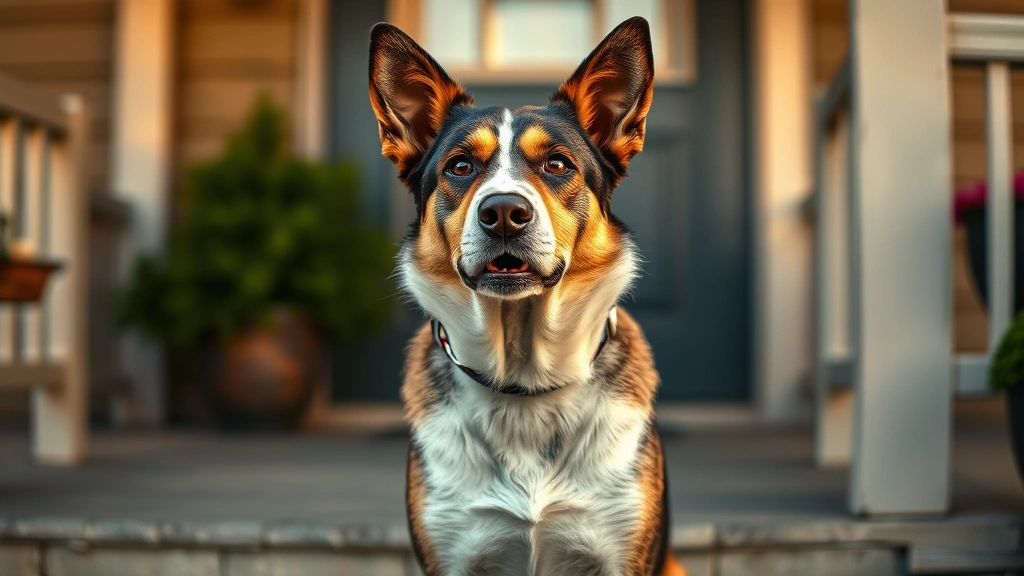
According to PetMD, addressing howling behavior early prevents it from becoming a deeply ingrained habit.
When to Consult a Professional
If your dog’s howling is accompanied by destructive behavior, aggression, or seems to be causing them distress, it’s time to call in a professional. A certified animal behaviorist or your veterinarian can help rule out medical issues and develop a customized training plan. Sometimes what looks like random howling is actually a sign of a deeper behavioral or health issue that needs professional attention.
The Bottom Line on Dogs Howling
Dogs howling is a normal, natural behavior rooted in their ancestral past. Most of the time, it’s nothing to worry about—it’s just your pup being a dog. However, when it becomes excessive or is causing problems, understanding the underlying cause is the first step toward a solution. Whether it’s separation anxiety, seeking attention, or just responding to a siren, there’s usually a way to manage it with patience, consistency, and love.
Frequently Asked Questions
Why do dogs howl at the moon?
This is mostly a myth! Dogs don’t actually howl more when there’s a full moon. However, they might be more active or stimulated at night due to increased visibility and nocturnal animal activity, which could trigger more howling. The moon itself isn’t the cause.
Is howling a sign of pain in dogs?
It can be. If your dog suddenly starts howling without an obvious trigger, it’s worth getting them checked by a vet. Howling combined with other behavioral changes, lethargy, or physical symptoms definitely warrants a professional evaluation.
Can I train my dog to stop howling?
Yes! You can teach a “quiet” command using positive reinforcement. The key is identifying the trigger first, then addressing it while simultaneously training the desired behavior. Consistency and patience are essential.
Do all dog breeds howl?
Most dogs can howl, but some breeds are more vocal than others. Huskies, Malamutes, and Beagles tend to be more vocal, while other breeds might rarely howl. It’s partly genetic and partly learned behavior.
Is howling a sign of illness?
Sudden, excessive howling can indicate pain or illness. If it’s a new behavior, definitely consult your vet. However, occasional howling in response to sounds or situations is usually normal.





