
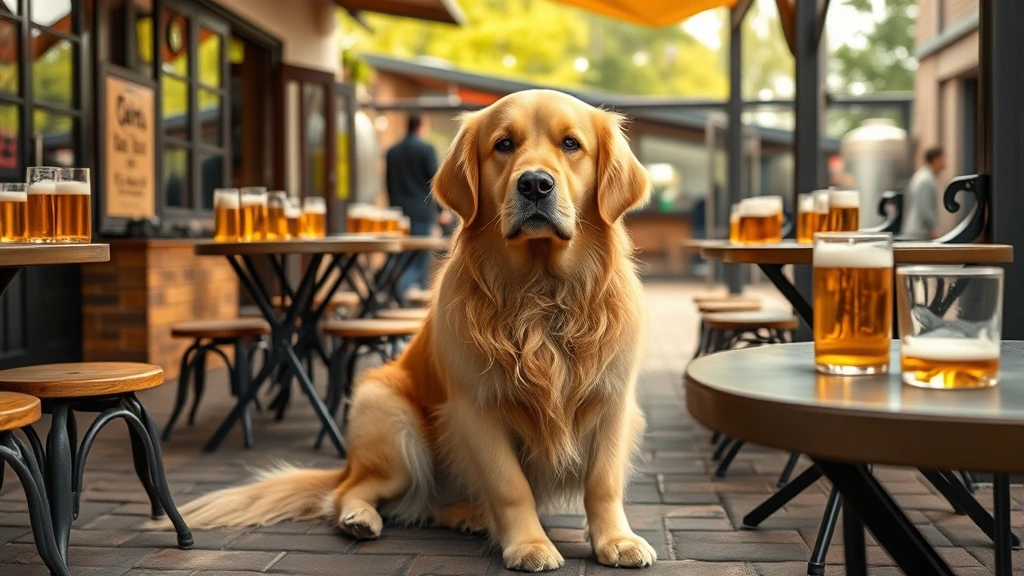
Taking your furry best friend to a bar might sound like a wild idea, but dogs in bar settings have become increasingly common at pet-friendly establishments across the country. Whether you’re looking to enjoy a cold one with your canine companion or just curious about which watering holes welcome four-legged patrons, this comprehensive guide covers everything you need to know about bringing your pup to the pub.
Table of Contents
- Why Pet-Friendly Bars Are Becoming the New Norm
- Understanding Local Laws and Regulations for Dogs in Bars
- Best Types of Bars for Bringing Your Dog
- Safety Considerations: Keeping Your Dog Safe at the Bar
- Foods and Drinks to Keep Away From Your Dog
- Training Your Dog for Bar Visits
- Choosing the Right Dog for Bar Culture
- What to Bring: The Essential Bar Checklist for Dogs
- Finding Pet-Friendly Bars in Your Area
- Etiquette: Being a Respectful Dog Owner at Bars
- Frequently Asked Questions
- Summary: Making Dogs in Bar Visits Work
Why Pet-Friendly Bars Are Becoming the New Norm
The rise of dog-friendly bars isn’t just a trendy fad—it’s a cultural shift. Dog owners want to include their pets in their social lives, and bars are catching on. From craft breweries in Portland to dive bars in Brooklyn, establishments are recognizing that dogs at bars create a fun, community-oriented atmosphere. Plus, let’s be honest: a golden retriever sitting peacefully while you sip your IPA is peak social media gold.
This trend reflects a broader change in how Americans view their pets. Dogs aren’t just animals anymore; they’re family members, and leaving them home alone feels wrong. Pet-friendly bars solve this problem while creating a unique social experience.
Understanding Local Laws and Regulations for Dogs in Bars
Before you grab Fido’s leash and head to your favorite watering hole, understand that laws vary significantly by location. Most states allow dogs in outdoor bar areas and patios, but indoor regulations are stricter. Health codes typically prohibit dogs inside establishments where food is prepared or served, with some exceptions for service animals.
Check your local health department’s regulations—some cities are more dog-friendly than others. California, Colorado, and New York have some of the most relaxed rules, while other states maintain stricter guidelines. Always call ahead to confirm a bar’s specific pet policy before showing up with your pup.
Best Types of Bars for Bringing Your Dog
Not all bars are created equal when it comes to dog-friendly pubs. Outdoor beer gardens and patios are your safest bet. These venues typically have:
- Open-air seating with good ventilation
- Space for dogs to move around comfortably
- Fewer health code restrictions
- A more relaxed atmosphere
- Natural shade and water access
Breweries with outdoor spaces are particularly popular for bringing dogs. Many craft breweries actively encourage pet visits, especially during weekend afternoons. Rooftop bars with patios also tend to be accommodating, though you’ll want to ensure proper barriers for safety.
Safety Considerations: Keeping Your Dog Safe at the Bar
Bringing your dog to a bar requires serious consideration of their wellbeing. The environment can be stressful for many dogs—loud noises, unfamiliar people, and chaotic energy aren’t ideal for anxious pups. Here’s what to prioritize:
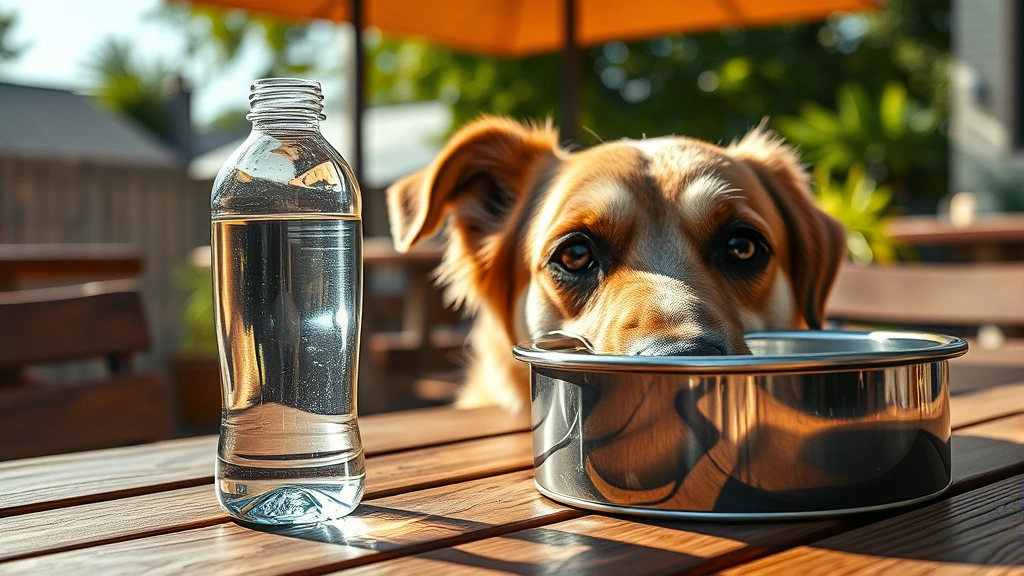
Temperature Control: Never leave your dog in direct sun or heat. Dehydration happens fast, especially in warm weather. Bring plenty of fresh water and take frequent breaks in shaded areas.
Crowd Management: Not all dogs enjoy being touched by strangers. If your pup is shy or reactive, a bar might not be the right environment. Watch for signs of stress like excessive panting, trembling, or trying to hide.
Avoid Bar Snacks: This is critical. Check out our guide on Alcohol and Pets to understand the dangers. Many bar foods are toxic to dogs. Nuts, especially macadamia nuts, chocolate, and certain seasonings can cause serious health issues. Stick to dog-approved treats only.
Foods and Drinks to Keep Away From Your Dog
The biggest danger at bars isn’t the atmosphere—it’s the food and drinks. Dogs are curious, and bars are full of temptations. Here’s what’s absolutely off-limits:
- Alcohol: Even small amounts can cause serious intoxication in dogs. A few licks of beer can lead to vomiting, diarrhea, tremors, or worse.
- Chocolate: Toxic to dogs, especially dark chocolate
- Grapes and Raisins: Can cause kidney failure
- Onions and Garlic: Damage red blood cells
- Xylitol: Found in some sugar-free snacks, extremely toxic
- Caffeine: Learn more about risks in our article on Caffeine and Pets
Be vigilant about what people offer your dog. Well-meaning patrons might try to share their snacks. Politely but firmly decline any food offerings and educate people about what’s safe. For safe alternatives, check out Healthy Snack Alternatives for Dogs.
Training Your Dog for Bar Visits
Not every dog is ready for a bar environment. Before you venture out, ensure your pup has solid training fundamentals. They should:
- Have reliable recall (come when called)
- Know how to sit and stay on command
- Be comfortable with strangers approaching
- Not be reactive to other dogs
- Be able to remain calm in stimulating environments
Start with short visits during quieter times. Afternoon brewery visits on weekdays are less chaotic than Saturday night bar crawls. Gradually increase the duration and intensity of visits as your dog becomes more comfortable.
Choosing the Right Dog for Bar Culture
Temperament matters enormously. Some dogs are naturally social butterflies and thrive in busy environments. Others are anxious or easily overwhelmed. Consider your dog’s personality:
Great candidates: Confident, well-socialized dogs with calm dispositions. Labs, golden retrievers, and some mixed breeds often excel in these settings.
Poor candidates: Dogs with anxiety, aggression issues, or those who haven’t been properly socialized. Small dogs in crowded bars face safety risks from being stepped on or knocked over.
Honest self-assessment is crucial. Just because you want to bring your dog doesn’t mean they’ll enjoy it. Your pup’s comfort should always come first.
What to Bring: The Essential Bar Checklist for Dogs
If you’ve decided your dog is ready, pack these essentials:
- Collapsible water bowl and plenty of fresh water
- Dog-safe treats (check our guide on Human Foods Safe for Boarding for ideas)
- Waste bags for cleanup
- A comfortable leash or harness
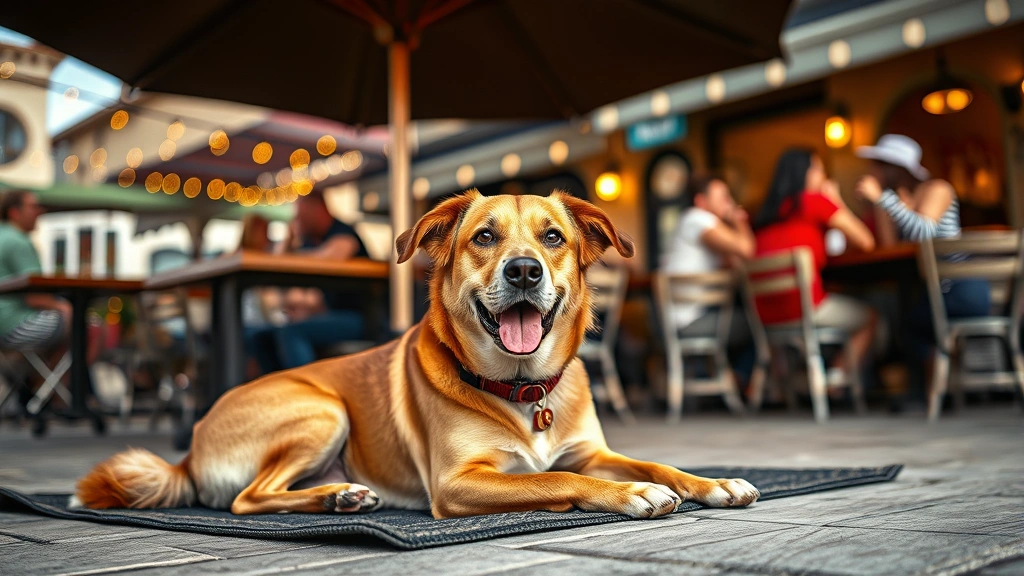
- A blanket or mat for them to lie on
- ID tags with current contact information
- Any medications your dog needs
- A toy or chew toy for distraction
Being a responsible dog owner at bars means cleaning up after your pet and ensuring they’re not a nuisance to other patrons.
Finding Pet-Friendly Bars in Your Area
The easiest way to find dog-friendly bars near you is through apps and websites dedicated to pet-friendly venues. Check:
- BringFido.com – Comprehensive database of pet-friendly locations
- Google Maps – Filter for pet-friendly establishments
- Local brewery websites – Many list pet policies clearly
- Instagram and social media – Search hashtags like #DogFriendlyBar
- Ask your veterinarian – They often know local options
Don’t hesitate to call ahead. A quick phone call confirms current policies and might reveal hidden gems in your area.
Etiquette: Being a Respectful Dog Owner at Bars
Just because your dog is allowed doesn’t mean they can do whatever they want. Follow these etiquette rules:
- Keep your dog close and under control at all times
- Don’t let them jump on people or other dogs
- Clean up any accidents immediately
- Don’t allow excessive barking
- Respect other patrons’ space and comfort
- Tip your server extra—they’re dealing with a dog
- Don’t bring sick or unvaccinated dogs
Remember: one badly behaved dog ruins it for all dogs. Your responsibility as a pet owner includes being considerate of the establishment and other patrons.
Frequently Asked Questions
Can I bring my dog inside a bar?
It depends on local health codes. Most indoor bars prohibit dogs except service animals. However, outdoor patios and beer gardens typically allow dogs. Always check the specific venue’s policy before visiting.
What if my dog gets sick from something at the bar?
Contact your veterinarian immediately. If you suspect poisoning, call the Pet Poison Hotline for guidance. Keep the number saved in your phone before any bar visit.
Are small dogs safer at bars than large dogs?
Not necessarily. Small dogs face greater risks from being stepped on or accidentally kicked. Large, calm dogs often do better in crowded environments. Individual temperament matters more than size.
What’s the best time to bring my dog to a bar?
Afternoon visits during weekdays are ideal. Fewer people means less chaos, lower noise levels, and a more relaxed environment for your pup. Avoid busy weekend nights and loud events.
Can I leave my dog tied outside a bar while I go in?
Absolutely not. Never leave your dog unattended outside a bar. They could be stolen, harassed, or get into something dangerous. If you can’t bring them inside, leave them home.
What should I do if another dog at the bar is aggressive toward mine?
Stay calm and create distance between the dogs. Don’t let them interact if either shows signs of aggression. Alert the bar staff and move to another area. Leave if the situation doesn’t improve.
Summary: Making Dogs in Bar Visits Work
Dogs in bars can be a fantastic experience when done right. The key is preparation, training, and honest assessment of your dog’s temperament. Choose pet-friendly establishments, understand local regulations, and prioritize your pup’s safety above all else.
Bring the right supplies, watch for hazards like toxic foods and alcohol, and be a courteous patron. With these guidelines in place, you and your furry friend can enjoy quality time together while you unwind. Just remember: a happy, safe dog makes for the best bar companion. Cheers!





