
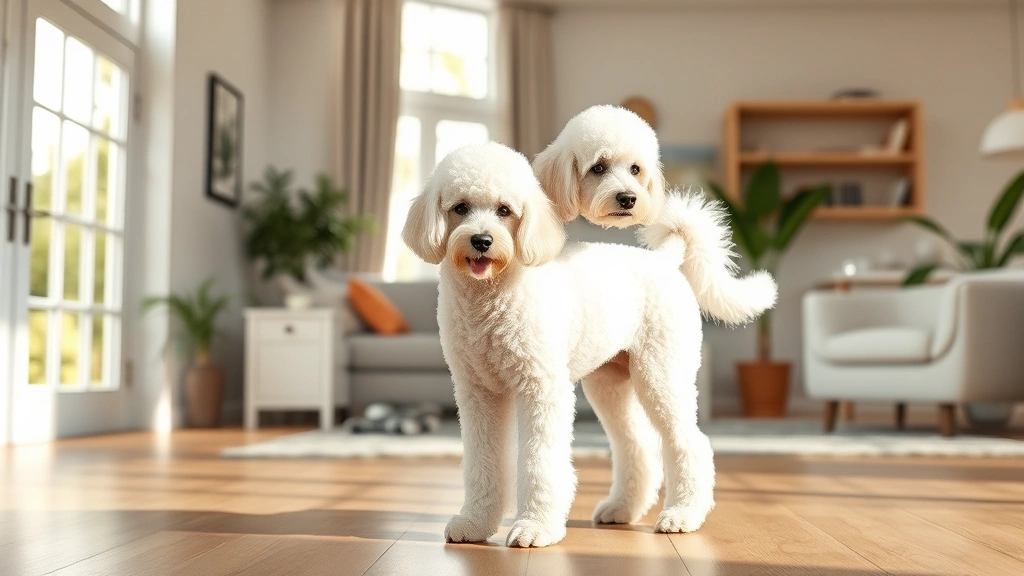
If you’re tired of finding dog hair on your couch, in your coffee, and basically everywhere else in your home, then dogs that are non shedding might be your answer to pet paradise. Let’s be real—most dog owners love their furry friends but absolutely despise the tumbleweeds of fur rolling across hardwood floors. The good news? There are genuinely amazing dog breeds that shed minimally or not at all, making them perfect for allergy sufferers and cleanliness enthusiasts alike.
Table of Contents
- What Makes a Dog Non-Shedding?
- Poodles: The OG Non-Shedding Champion
- Bichon Frise: Small but Mighty
- Portuguese Water Dogs: Athletic and Allergy-Friendly
- Schnauzers: Bearded Beauties with Low Shedding
- The Cavachon Advantage
- Maltese: Silky and Hypoallergenic
- Soft Coated Wheaten Terriers: Friendly and Flowing
- Affenpinschers: Tiny Personality Powerhouses
- Grooming Requirements for Non-Shedding Breeds
- Cost Considerations and Long-Term Investment
- Allergy Management and Health Benefits
- Training and Socialization Tips
- Finding Your Perfect Non-Shedding Companion
- Frequently Asked Questions
- Conclusion
What Makes a Dog Non-Shedding?
First, let’s debunk a common myth: there’s technically no such thing as a completely hypoallergenic dog. However, certain breeds produce significantly less dander and shed minimal to no hair, making them excellent choices for people with allergies. Non-shedding dogs typically have hair rather than fur, which grows continuously like human hair. This means they require regular grooming and maintenance, but the trade-off is a cleaner home and fewer allergy triggers.
Poodles: The OG Non-Shedding Champion
Poodles come in three sizes—Standard, Miniature, and Toy—and all of them are fantastic low-shedding companions. Their curly, dense coat doesn’t shed, but it does require professional grooming every 6-8 weeks. These intelligent pups are incredibly trainable and love being the center of attention. They’re perfect for active families who don’t mind investing time in grooming. Poodles are also remarkably athletic and excel in obedience competitions.
Bichon Frise: Small but Mighty
Don’t let their fluffy appearance fool you—Bichon Frises are hardy little dogs with big personalities. These compact companions shed virtually no hair and are excellent for apartment living. They’re known for their cheerful disposition and love of play. Bichons require regular brushing and professional grooming to keep their coat healthy and mat-free. If you’re looking for a small, non-shedding breed that’s full of charm, the Bichon Frise is absolutely worth considering.
Portuguese Water Dogs: Athletic and Allergy-Friendly
Portuguese Water Dogs gained popularity after President Obama’s family adopted one, and for good reason. These medium-sized athletes have wavy or curly coats that shed minimally. They’re incredibly intelligent, energetic, and love water activities. If you’re an active person who enjoys hiking, swimming, or running, a Portuguese Water Dog will be your perfect companion. They do require consistent exercise and mental stimulation to stay happy and well-behaved.
Schnauzers: Bearded Beauties with Low Shedding
Schnauzers come in three sizes—Miniature, Standard, and Giant—and all feature distinctive wiry coats that shed very little. These bold, spirited dogs are known for their loyalty and protective nature. Their beard and eyebrows give them a charming, distinguished appearance. Schnauzers are excellent watchdogs and adapt well to various living situations. Regular grooming is essential to maintain their coat’s texture and appearance.
The Cavachon Advantage
Looking for a designer breed that combines the best traits of non-shedding parents? The Cavachon dog is a Cavalier King Charles Spaniel and Bichon Frise mix that inherits the low-shedding coat from its Bichon parent. These affectionate, friendly dogs are perfect for families and seniors alike. Cavachons are smaller in size, making them ideal for apartments and smaller homes. They’re known for being gentle, loving, and eager to please.
Maltese: Silky and Hypoallergenic
The Maltese breed features a long, silky white coat that sheds minimally. These tiny dogs are perfect lap companions and thrive on human affection. Despite their delicate appearance, Maltese dogs have surprisingly bold personalities. They require daily brushing to prevent matting and regular professional grooming. If you want a small, elegant non-shedding dog with a big heart, the Maltese is an excellent choice.
Soft Coated Wheaten Terriers: Friendly and Flowing
Soft Coated Wheaten Terriers have gorgeous silky coats that shed very little. These medium-sized dogs are known for their friendly, outgoing nature and love of family. Wheatens are energetic and require regular exercise to stay happy. Their coat requires brushing several times a week and professional grooming regularly. They’re excellent family dogs that get along well with children and other pets.
Affenpinschers: Tiny Personality Powerhouses
Don’t underestimate these small dogs with big attitudes. Affenpinschers have wiry coats that shed minimally and distinctive monkey-like facial expressions. These confident little dogs are perfect for experienced dog owners who appreciate their independent streak. They’re loyal, spirited, and full of personality. Affenpinschers require regular grooming and mental stimulation to keep them engaged and happy.
Grooming Requirements for Non-Shedding Breeds
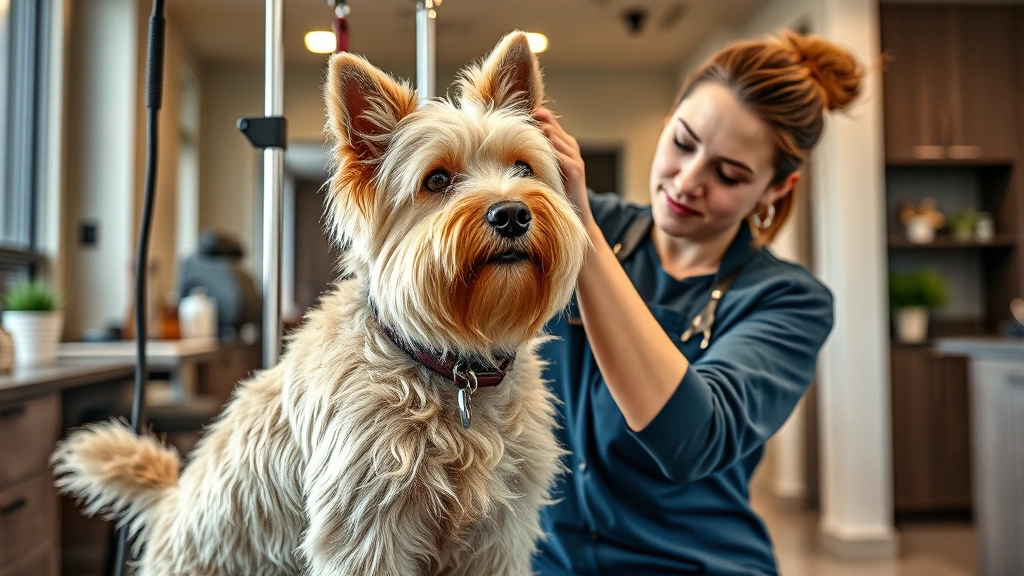
Here’s the real talk: non-shedding dogs require more grooming than their shedding counterparts. Since their hair grows continuously, professional grooming every 6-8 weeks is typically necessary. Between professional visits, daily brushing helps prevent matting and tangling. Investing in quality grooming tools and possibly a Carhartt dog collar and other accessories will make maintenance easier. Many owners find that the reduced shedding more than compensates for the grooming commitment.
Cost Considerations and Long-Term Investment
Non-shedding dogs often come with higher grooming costs compared to shedding breeds. Professional grooming can range from $50-$150+ per session depending on breed size and coat condition. Factor in grooming supplies, professional training, and veterinary care when budgeting for a non-shedding dog. However, many owners find the investment worthwhile given the reduced allergens and cleaner home environment. When choosing your perfect companion, consider picking a cool dog names that reflects their unique personality and grooming-savvy lifestyle.
Allergy Management and Health Benefits
According to the American Kennel Club, non-shedding breeds produce fewer allergens, making them suitable for people with dog allergies. However, allergies vary from person to person, and some individuals may still react to non-shedding breeds. It’s recommended to spend time with the breed before committing to adoption. Regular grooming and sustainable pet grooming practices can further reduce allergens in your home. Additionally, PetMD recommends maintaining clean air filters and regular vacuuming to minimize allergen exposure.
Training and Socialization Tips
Non-shedding breeds are generally intelligent and responsive to training. Early socialization and consistent, positive reinforcement training yield the best results. Many of these breeds excel in obedience classes and dog sports. Providing adequate mental stimulation through puzzle toys, training sessions, and interactive play keeps them engaged and prevents behavioral issues. Remember that breed temperament varies, so understanding your specific dog’s personality is crucial for successful training.
Finding Your Perfect Non-Shedding Companion
When searching for a non-shedding dog, consider reputable breeders, breed-specific rescues, and adoption agencies. Research the breed’s specific needs, temperament, and health concerns. Visit the AKC website for comprehensive breed information and breeder directories. Ask breeders about health testing and genetic screening. Spend time with the breed before making your final decision to ensure compatibility with your lifestyle and home environment.
Frequently Asked Questions
Are non-shedding dogs truly hypoallergenic?
While no dog is 100% hypoallergenic, non-shedding breeds produce significantly fewer allergens. They shed minimal hair and dander, making them suitable for most people with dog allergies. However, individual reactions vary, so it’s best to spend time with the breed before adoption.
How often should I groom a non-shedding dog?
Most non-shedding breeds require professional grooming every 6-8 weeks. Between professional appointments, daily brushing (15-30 minutes) helps prevent matting and keeps their coat healthy. The exact frequency depends on the breed and coat type.
Are non-shedding dogs more expensive than other breeds?
Non-shedding dogs often have higher grooming costs, ranging from $50-$150+ per professional session. Initial purchase prices may also be higher due to breeder demand. However, the reduced cleaning and allergen management often justify the investment for many owners.
Can I bathe my non-shedding dog at home?
Yes, you can bathe your non-shedding dog at home using quality dog shampoo and conditioner. However, professional groomers have specialized equipment and expertise to properly dry and style their coats. Many owners combine home baths with professional grooming every 6-8 weeks.
Do non-shedding dogs require special diets?
Non-shedding dogs don’t necessarily require special diets, but high-quality nutrition supports coat health. Foods rich in omega-3 and omega-6 fatty acids promote healthy skin and coat. Consult your veterinarian for breed-specific dietary recommendations.
Which non-shedding breed is best for families with children?
Poodles, Bichon Frises, and Cavachons are excellent family dogs known for their gentle nature and patience with children. Schnauzers and Portuguese Water Dogs are also great for active families. Always supervise interactions between dogs and young children.
Conclusion
Finding the right non-shedding dog can transform your home and improve your quality of life, especially if you suffer from allergies. From the intelligent Poodle to the charming Cavachon, there are numerous breeds that shed minimally while offering wonderful companionship. Remember that choosing a non-shedding dog requires commitment to regular grooming and professional maintenance. However, the reward of a clean home, reduced allergens, and a loyal, loving companion makes the effort worthwhile. Take time to research breeds, visit breeders or rescues, and ensure the breed matches your lifestyle. With the right non-shedding dog by your side, you’ll enjoy years of happy, fur-free living.





