
When we talk about dogs with big hearts, we’re not just discussing their physical size—we’re celebrating those four-legged companions who love their families with an intensity that’ll make you believe in unconditional love all over again. Whether you’re looking for a gentle giant or a medium-sized sweetheart, the right family dog can transform your household into a hub of joy, loyalty, and endless tail wags.
Table of Contents
- What Makes a Dog Have a Big Heart?
- Golden Retrievers: The Classic Big-Hearted Family Dog
- Labrador Retrievers: The Energetic Companion
- Bernese Mountain Dogs: Gentle Giants with Soul
- Newfoundlands: Water-Loving Protectors
- Collies: The Intelligent Protectors
- Boxers: Playful Protectors with Personality
- Great Danes: The Gentle Giants of Couch Comfort
- Mixed Breeds and Rescue Dogs: Big Hearts in All Sizes
- Caring for Big-Hearted Dogs: Nutrition and Comfort
- Training and Socialization for Family Success
- Health Considerations for Large Breed Dogs
- Frequently Asked Questions
- Conclusion: Finding Your Family’s Perfect Match
What Makes a Dog Have a Big Heart?
A dog with a big heart isn’t necessarily measured by its breed standard weight or height. Instead, it’s all about temperament, loyalty, and that magical ability to make every family member feel like the center of their universe. These are the pups that greet you like you’ve been gone for years (even if you just grabbed the mail), that comfort you without being asked, and that somehow know exactly when you need a furry cuddle session.
The best family dogs combine affection with patience, especially around kids. They’re the ones who’ll tolerate ear tugging, tail grabbing, and spontaneous hugs without so much as a grumble. According to the American Kennel Club (AKC), certain breeds consistently rank high for family compatibility because of their inherent desire to please and their gentle nature.
Golden Retrievers: The Classic Big-Hearted Family Dog
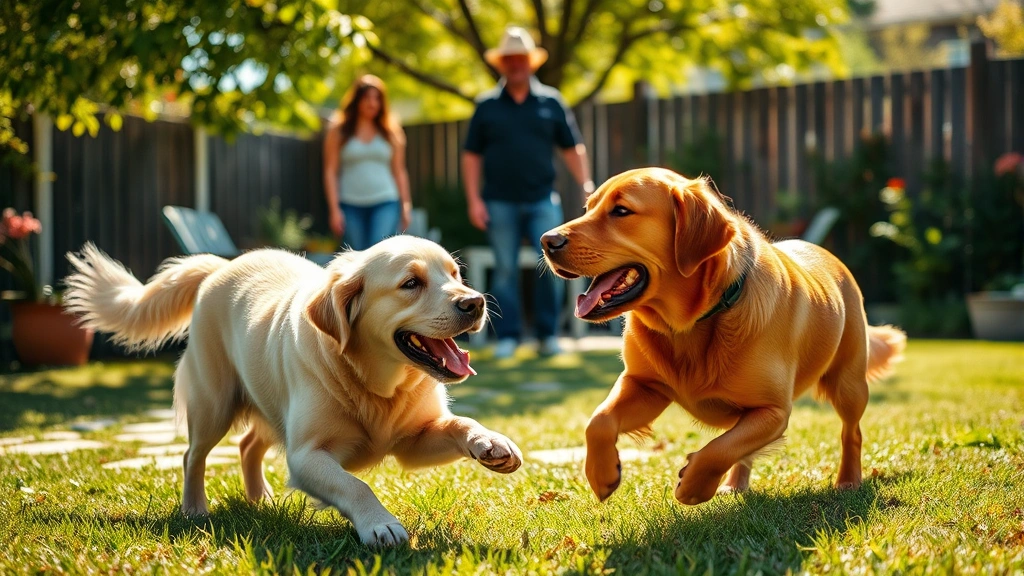
If there’s a poster child for dogs with big hearts, it’s the Golden Retriever. These magnificent creatures are basically furry therapists who also happen to love fetch. Golden Retrievers are renowned for their intelligence, trainability, and an almost supernatural ability to sense when someone needs emotional support.
What makes Goldens so special for families is their patience with children. They’re large enough to handle roughhousing but gentle enough that you won’t worry about them accidentally knocking over toddlers. Plus, they’re social butterflies who treat every human like a long-lost friend. The downside? They shed like they’re personally trying to create a second dog out of loose fur.
Labrador Retrievers: The Energetic Companion
Labs are basically Golden Retrievers’ slightly more hyperactive cousins, and they’re absolutely fantastic for active families. These athletic sweethearts need regular exercise, but once they’ve burned off some energy, they’re content to be your shadow, your pillow, and your personal comedian all rolled into one.
Labrador Retrievers excel as service dogs and therapy animals because of their intuitive nature and eagerness to please. They’re also incredibly food-motivated, which makes training them a breeze (just have treats handy). Whether your Lab is black, yellow, or chocolate-colored, you’re getting a devoted family member who’d take a bullet for you—or at least share their favorite toy, which is basically the same thing in dog language.
Bernese Mountain Dogs: Gentle Giants with Soul
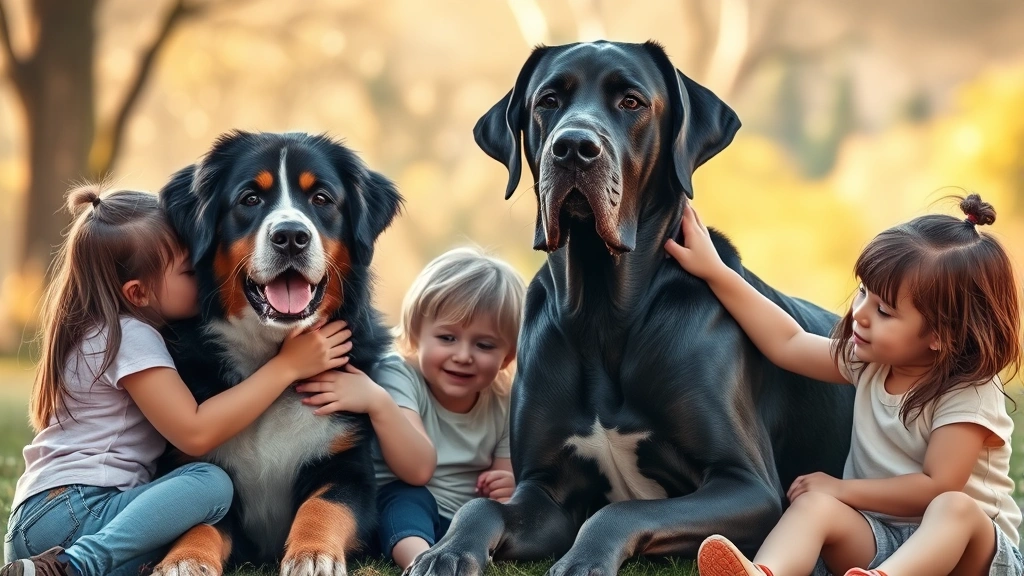
If you’re looking for large breed dogs with big personalities to match their size, Bernese Mountain Dogs are your answer. These striking black, white, and rust-colored beauties are calm, patient, and possess an almost zen-like approach to family life. They’re the dogs that seem to understand human emotions on a deeper level.
Berners are particularly wonderful with children because they’re naturally protective without being aggressive. They move with a certain dignity, as if they know they’re impressive and don’t need to prove it. One thing to note: these mountain dwellers prefer cooler climates and may need a cooling dog bed during warmer months to stay comfortable.
Newfoundlands: Water-Loving Protectors
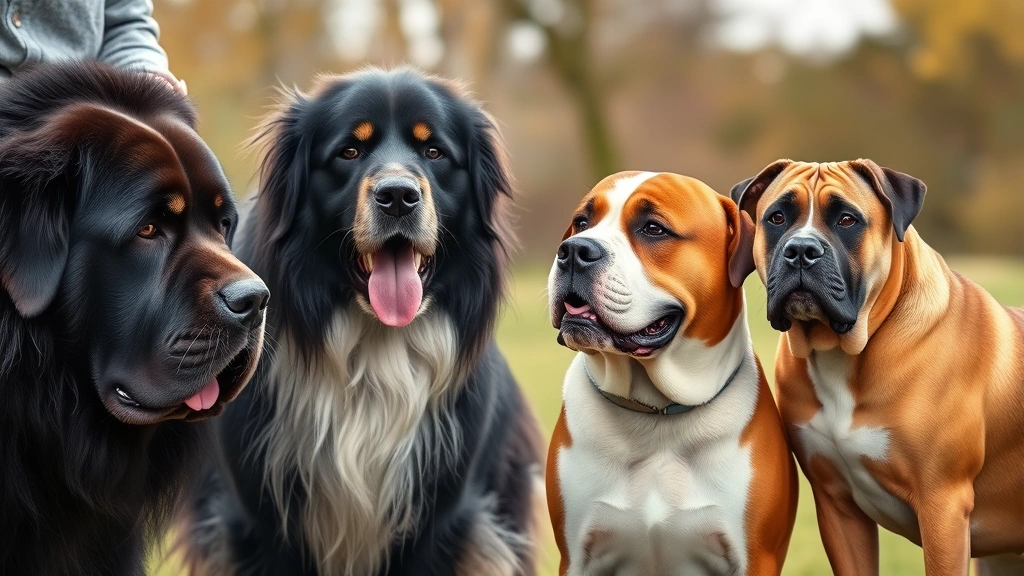
Newfoundlands are basically the lifeguards of the dog world—they have webbed paws, water-resistant coats, and an instinctive drive to rescue. These massive, gentle souls are famous for their swimming abilities and their uncanny ability to sense when children are in danger. They’re not aggressive by nature; they’re just incredibly protective and aware.
These giant breeds are surprisingly patient and gentle, making them excellent for families with young children. However, their size means they need space, and their heavy shedding requires regular grooming. The loyalty you get in return? Absolutely priceless. Newfoundlands have been known to save people from drowning—talk about having a big heart!
Collies: The Intelligent Protectors
Made famous by a certain TV dog named Lassie, Collies are intelligent, trainable, and deeply devoted to their families. These elegant dogs with their distinctive long snouts and flowing coats are natural herders with an instinct to protect and guide family members, especially children.
Collies are medium to large-sized dogs that thrive on mental stimulation and regular exercise. They’re excellent for families who enjoy outdoor activities and don’t mind having a dog that’s always thinking and problem-solving. Their sensitivity to family emotions makes them incredibly attuned to your needs.
Boxers: Playful Protectors with Personality
Don’t let their muscular appearance fool you—Boxers are basically clowns wrapped in a powerful package. These medium to large dogs are bursting with personality, energy, and an almost puppy-like enthusiasm that persists well into adulthood. They’re the dogs that’ll make you laugh even on your worst days.
Boxers are incredibly loyal and protective of their families, but they’re also playful and goofy enough to fit perfectly into a family dynamic. They’re patient with kids and seem to genuinely enjoy being part of the family chaos. Just make sure they get plenty of exercise—a bored Boxer is a mischievous Boxer.
Great Danes: The Gentle Giants of Couch Comfort
Great Danes are proof that size doesn’t determine a dog’s ability to be a perfect lap dog. These massive, elegant dogs are known for their calm demeanor and their surprising gentleness. Despite their intimidating size, they’re often called “gentle giants” for good reason.
Great Danes are wonderful family dogs because they’re patient, loyal, and surprisingly low-energy for their size. They’re content to lounge around the house, making them suitable for families in apartments or smaller homes. However, their shorter lifespan (typically 7-10 years) is something to consider before bringing one into your family.
Mixed Breeds and Rescue Dogs: Big Hearts in All Sizes
Let’s not forget about mixed breeds and rescue dogs from shelters. Many of these incredible animals have the biggest hearts of all, possibly because they seem to understand that they’ve been given a second chance. Rescue dogs often display remarkable gratitude and loyalty that’ll make your heart melt.
When you adopt from a shelter, you’re not just getting a pet—you’re getting a companion who’s already overcome adversity. Many rescue dogs are already trained, and you’re freeing up shelter resources for other animals in need. Check out resources like PetMD for guidance on introducing rescue dogs to your family.
Caring for Big-Hearted Dogs: Nutrition and Comfort
Large breed dogs require thoughtful nutrition to support their joints and overall health. Proper diet is crucial for preventing health issues common in bigger dogs. Consider consulting with your vet about appropriate pet nutrition advice tailored to your specific breed.
Comfort is also essential—investing in quality gear like a sturdy Carhartt dog collar ensures your pup is both safe and comfortable during outdoor adventures. Large breed dogs also benefit from orthopedic bedding and regular exercise routines that protect their joints.
Training and Socialization for Family Success
Regardless of breed, early training and socialization are crucial for any dog with a big heart to thrive in a family environment. Expose your puppy to various people, environments, and experiences to build confidence and ensure they’re well-adjusted family members.
Positive reinforcement training works best for most family-oriented breeds. These dogs are eager to please, so rewarding good behavior encourages them to repeat it. Consistency, patience, and love are your best tools for raising a well-behaved family dog.
Health Considerations for Large Breed Dogs
Larger dogs are prone to specific health issues like hip dysplasia, elbow dysplasia, and bloat. Regular veterinary check-ups, appropriate exercise, and proper nutrition are essential for keeping your big-hearted companion healthy. Consult with your vet about preventative care specific to your breed.
Many large breed dogs also benefit from joint supplements and maintaining a healthy weight. Obesity in large dogs can exacerbate joint problems and reduce their lifespan. Quality nutrition and regular, moderate exercise are your best defenses against preventable health issues.
Frequently Asked Questions
What’s the best big-hearted dog breed for first-time owners?
Golden Retrievers and Labrador Retrievers are excellent choices for first-time owners because they’re intelligent, trainable, and forgiving of beginner mistakes. They’re also patient and naturally inclined to bond with their families. Their popularity means plenty of training resources are available online and in your community.
Are big-hearted dogs good with small children?
Yes, many large breeds like Golden Retrievers, Bernese Mountain Dogs, and Newfoundlands are exceptionally gentle with small children. However, supervision is always necessary, and teaching children how to interact respectfully with dogs is crucial. Size doesn’t determine a dog’s temperament—training and socialization do.
How much exercise do big-hearted family dogs need?
Most large family dogs need at least 30-60 minutes of exercise daily. Active breeds like Labrador Retrievers and Collies may need more, while breeds like Great Danes are satisfied with moderate daily walks. Exercise requirements vary by individual dog and breed, so consult your veterinarian for specific guidance.
Can you find big-hearted dogs in shelters?
Absolutely! Shelters are full of amazing dogs with big hearts. Mixed breeds and rescue dogs often display remarkable loyalty and gratitude. Many are already trained, and adopting from a shelter is incredibly rewarding. Visit your local shelter to meet potential family members.
What should I feed a large breed dog?
Large breed dogs require specially formulated diets that support joint health and prevent rapid growth that can stress developing bones. Look for dog foods specifically labeled for large or giant breeds. Consult your veterinarian or check out pet nutrition advice for personalized recommendations.
Conclusion: Finding Your Family’s Perfect Match
Dogs with big hearts come in many shapes, sizes, and breeds. Whether you choose a purebred like a Golden Retriever, a rescue mixed breed, or something in between, the key is finding a dog whose temperament matches your family’s lifestyle and needs. These loyal, loving companions will reward your commitment with unconditional affection, protection, and joy that enriches your life immeasurably.
The best family dog is one that fits seamlessly into your home, receives proper training and socialization, and gets the love and care it deserves. When you find the right big-hearted pup, you’re not just getting a pet—you’re gaining a beloved family member who’ll be there through thick and thin. So start your search today, whether through breeders, shelters, or rescue organizations, and prepare to experience the incredible bond that only a dog with a big heart can provide.





