

Dogs with down syndrome might sound like a contradiction—after all, we usually hear about Down syndrome in humans, right? Well, surprise! Dogs with down syndrome do exist, though it’s rarer than you’d think. If you’ve got a pup that seems a little different, a bit clumsier, or has some unique behavioral quirks, you might be wondering if your furry friend could have this condition. Let’s dive into what this actually means for your dog and how you can give them the best life possible.
Table of Contents
- What Exactly Is Down Syndrome in Dogs?
- How Common Is Down Syndrome in Dogs?
- Recognizing the Signs: What Should You Look For?
- Health Complications Associated with Canine Trisomy
- The Role of Veterinary Care and Monitoring
- Nutrition and Dietary Needs for Special-Needs Dogs
- Creating a Safe and Supportive Home Environment
- The Emotional and Behavioral Side
- Life Expectancy and Quality of Life
- When to Consider Genetic Testing
- Supporting Your Special-Needs Dog: Practical Tips
- Frequently Asked Questions
- Conclusion
What Exactly Is Down Syndrome in Dogs?
Down syndrome in humans is caused by an extra chromosome—specifically, three copies of chromosome 21 instead of two. Here’s the thing: canine down syndrome is technically not the same as human Down syndrome because dogs have a different chromosome structure. Dogs have 39 chromosome pairs, while humans have 23. That said, dogs can experience trisomy (three copies of a chromosome instead of two), which creates similar developmental and physical challenges.
When a dog has trisomy, it can result in intellectual disabilities, physical deformities, and health complications that mirror what we see in humans with Down syndrome. Veterinarians sometimes use the term “Down syndrome” colloquially to describe these conditions in dogs, even though it’s technically a different genetic situation.
How Common Is Down Syndrome in Dogs?
Here’s the honest truth: Down syndrome in dogs is incredibly rare. Most veterinarians will never encounter a confirmed case in their entire career. Why? Because dogs with severe chromosomal abnormalities often don’t survive in utero or shortly after birth. The ones that do make it are lucky survivors, and they’re usually the ones we hear about on social media getting all the love and attention they deserve.

The rarity makes each case special, but it also means there’s limited research and documentation. If you suspect your dog has trisomy in dogs, your vet will need to run genetic testing to confirm it, which isn’t something most vets routinely do.
Recognizing the Signs: What Should You Look For?
If your dog seems a bit “off,” here are some common signs that might suggest a chromosomal abnormality:
- Facial features: Unusual facial structure, wide-set eyes, or a flattened face
- Physical development: Shorter limbs, poor muscle tone, or stunted growth
- Coordination issues: Clumsiness, difficulty walking, or balance problems
- Cognitive delays: Slower to learn commands, difficulty with house training, or behavioral challenges
- Health problems: Heart defects, hearing loss, or vision issues
- Behavioral quirks: Unusual social behaviors or difficulty interacting with other dogs
None of these signs alone means your dog has Down syndrome—lots of conditions can cause similar symptoms. That’s why a veterinary evaluation is crucial.

Health Complications Associated with Canine Trisomy
Dogs with chromosomal abnormalities often face a range of health challenges. Congenital heart defects are common, which can affect their ability to exercise and their overall lifespan. Vision and hearing problems are also frequent, making it harder for these pups to navigate their world.
Gastrointestinal issues are another biggie. Many dogs with these conditions struggle with digestion, and you might notice chronic diarrhea or constipation. Speaking of constipation, if your dog is dealing with digestive troubles, check out our guide on constipation in dogs for helpful management strategies.
Immune system deficiencies can make these dogs more susceptible to infections, requiring extra vigilance about vaccinations and preventive care. Joint and bone problems are also possible, which is why supplements like collagen for dogs might be worth discussing with your vet.

The Role of Veterinary Care and Monitoring
If you have a dog with suspected Down syndrome or trisomy, regular veterinary care becomes even more critical. Your vet will need to monitor your dog’s health closely, screen for common complications, and adjust treatment plans as needed. This is where remote pet health monitoring can be incredibly helpful—you can track symptoms and share data with your vet between visits.
Many vets now offer pet telehealth services, which makes it easier to get expert advice without stressing your special-needs pup with frequent vet visits. For dogs with anxiety or behavioral issues, this can be a game-changer.
Nutrition and Dietary Needs for Special-Needs Dogs
Dogs with chromosomal abnormalities often have specific dietary requirements. Some may struggle with certain foods or have sensitivities that need careful management. Working with your vet on a tailored nutrition plan is essential. If your dog has pet dietary restrictions, you’ll want to ensure they’re getting all the nutrients they need despite their limitations.
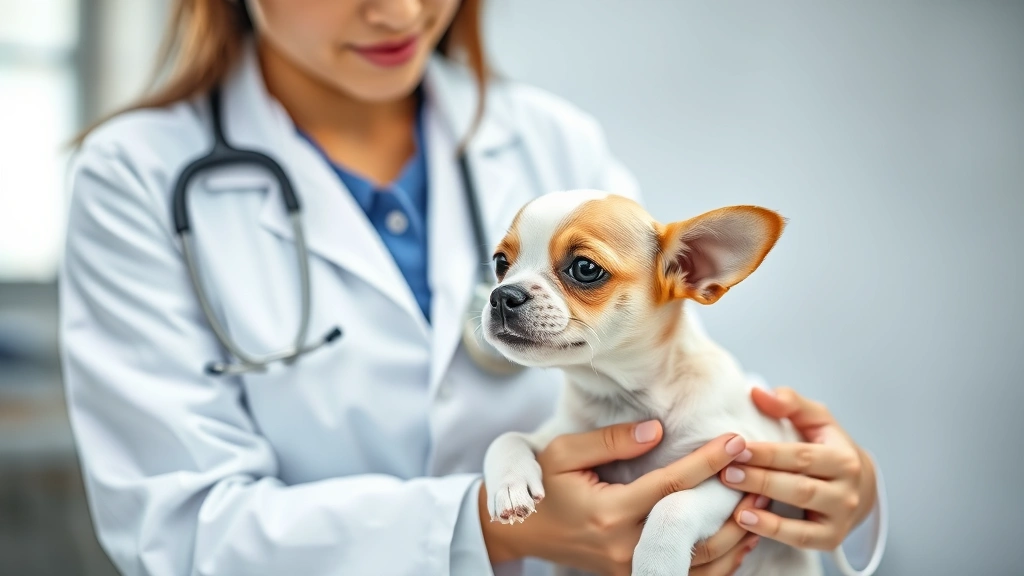
Some owners wonder about incorporating natural foods into their dog’s diet. If you’re exploring options, our article on human foods for pets with food allergies provides guidance on safe choices that won’t trigger digestive issues.
Creating a Safe and Supportive Home Environment
Dogs with Down syndrome need homes that accommodate their physical and cognitive limitations. Think about accessibility: ramps instead of stairs, orthopedic bedding for joint support, and non-slip flooring to prevent falls. These pups might not be able to handle the same level of exercise as typical dogs, so shorter, gentler walks are usually better.
Safety is paramount. If your dog has vision or hearing problems, you’ll need to be extra cautious about letting them roam unsupervised. Baby gates, secured yards, and careful monitoring during outdoor time can prevent accidents.

The Emotional and Behavioral Side
Dogs with chromosomal abnormalities often have unique personalities. Some are stubborn as heck and require extra patience with training. Others are sweet, goofy, and seem completely unbothered by their differences. The behavioral challenges can range from anxiety to aggression, depending on the individual dog and the severity of their condition.
Patience, consistency, and positive reinforcement are your best friends here. These dogs might take longer to learn commands or house-train, but they’re absolutely capable of learning—it just takes more time and repetition. Many owners find that their special-needs dogs are incredibly loving and rewarding companions despite the challenges.
Life Expectancy and Quality of Life
The lifespan of a dog with Down syndrome varies widely depending on the severity of their condition and what health complications they develop. Some dogs live relatively normal lifespans with proper care, while others face more significant challenges. The key is focusing on quality of life rather than quantity.

With appropriate medical management, a supportive home environment, and lots of love, many dogs with chromosomal abnormalities thrive. They might not do everything a typical dog can do, but they can absolutely enjoy life, form bonds with their humans, and bring joy to their families.
When to Consider Genetic Testing
Genetic testing isn’t routine for most dogs, but it might be recommended if your vet suspects a chromosomal abnormality. The test involves a blood sample that’s sent to a lab for analysis. It’s not cheap, and it’s not always conclusive, but it can provide answers if you’re trying to understand your dog’s condition.
Keep in mind that even without a confirmed diagnosis, you can still provide excellent care based on your dog’s symptoms and needs. Many owners manage their dog’s condition effectively without ever getting a formal diagnosis.

Supporting Your Special-Needs Dog: Practical Tips
- Schedule regular vet check-ups: Aim for at least twice yearly to catch complications early
- Keep detailed health records: Document symptoms, treatments, and responses to medications
- Be patient with training: Celebrate small wins and don’t expect typical timelines
- Invest in comfort: Quality bedding, ramps, and orthopedic support make a huge difference
- Connect with other owners: Online communities can provide support and practical advice
- Maintain a consistent routine: These dogs often thrive with predictability
Frequently Asked Questions
Can dogs actually have Down syndrome?
Technically, dogs can’t have Down syndrome exactly as humans do because they have different chromosomes. However, dogs can experience trisomy (an extra chromosome), which creates similar developmental and health challenges. Vets sometimes use the term “Down syndrome” colloquially to describe these conditions.
Is Down syndrome in dogs hereditary?
Chromosomal abnormalities like trisomy are typically random genetic errors that occur during reproduction, not inherited conditions. However, if you have a dog with trisomy, it’s worth discussing with your vet whether there might be any genetic factors in the breeding line.
How much does it cost to care for a dog with Down syndrome?
Costs vary significantly depending on your dog’s specific health needs. You might spend more on veterinary care, specialized food, supplements, and home modifications. Genetic testing can cost $200-$500, but ongoing care expenses depend on what complications your dog develops.

Can dogs with Down syndrome live normal lifespans?
Some do, some don’t. It depends on the severity of their condition and what health complications develop. With proper medical management and a supportive home, many dogs with chromosomal abnormalities live fulfilling lives, though they may not reach the same age as typical dogs.
Should I breed from a dog with Down syndrome?
Absolutely not. Dogs with chromosomal abnormalities should never be bred. Responsible breeding practices mean selecting healthy dogs with no genetic abnormalities to reduce the risk of passing on health problems.
How do I know if my dog has Down syndrome?
You can’t know for sure without genetic testing, but signs include unusual facial features, developmental delays, coordination problems, and specific health issues. If you suspect your dog has a chromosomal abnormality, talk to your vet about testing and what support your dog needs.

Conclusion
Dogs with down syndrome are rare, special cases that deserve all the love and support we can give them. While the condition comes with challenges—both medical and behavioral—countless dogs with chromosomal abnormalities live happy, meaningful lives with devoted owners who understand their unique needs.
If you suspect your dog might have Down syndrome or trisomy, don’t panic. Start with a conversation with your veterinarian, get a proper evaluation, and then focus on what your individual dog needs to thrive. Whether it’s specialized veterinary care, dietary adjustments, physical accommodations, or just extra patience during training, your commitment to understanding and supporting your dog makes all the difference.
These dogs might be different, but different doesn’t mean less-than. In fact, many owners of special-needs dogs will tell you that their pups taught them more about resilience, love, and acceptance than any typical dog ever could. If you’re on this journey with your furry friend, you’re doing an amazing thing.





