
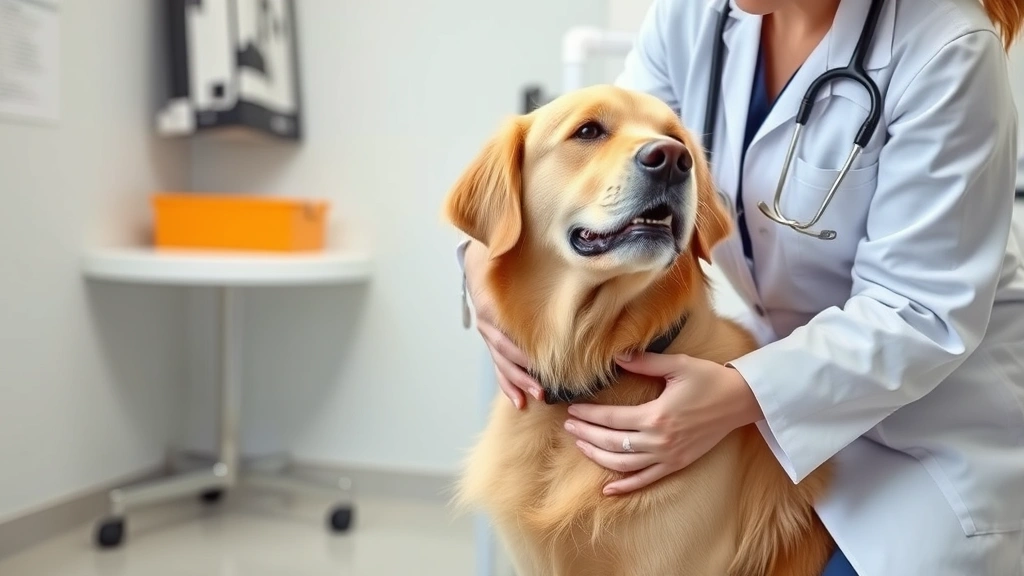
If your dog has been diagnosed with dogs with underactive thyroid (hypothyroidism), you’re probably wondering what this means for your furry friend’s future. The good news? This condition is manageable, and with proper care, your pup can live a completely normal, happy life. Let’s dive into everything you need to know about this common canine health issue.
Table of Contents
- What Exactly Is Hypothyroidism in Dogs?
- Recognizing the Signs: How to Spot Hypothyroidism
- What Causes Canine Thyroid Disease?
- Getting a Proper Diagnosis
- Treatment Options for Dogs with Underactive Thyroid
- Nutritional Support for Thyroid Health
- Managing Symptoms While Treatment Takes Effect
- Potential Complications and When to Worry
- Lifestyle Adjustments for Your Hypothyroid Pup
- Regular Monitoring and Checkups
- The Long-Term Outlook
- Frequently Asked Questions
- Conclusion: Your Dog Can Thrive with Hypothyroidism
What Exactly Is Hypothyroidism in Dogs?
Hypothyroidism is basically when your dog’s thyroid gland decides to take an extended vacation and stops producing enough thyroid hormones. Think of the thyroid as your dog’s metabolic engine—when it’s running low on fuel, everything slows down. This condition affects roughly 1-2% of dogs, making it one of the most common endocrine disorders in our four-legged companions.
The thyroid produces hormones that regulate metabolism, energy levels, and body temperature. When your dog has canine hypothyroidism, their body isn’t getting enough of these crucial hormones, leading to a cascade of symptoms that can affect their quality of life.
Recognizing the Signs: How to Spot Hypothyroidism
Your dog won’t be able to tell you something’s wrong, so it’s up to you to notice the changes. Common symptoms of dogs with underactive thyroid include:
- Weight gain without increased food intake (frustratingly common)
- Lethargy and reluctance to exercise
- Hair loss or thinning coat
- Dry, flaky skin
- Intolerance to cold
- Slow heart rate
- Mental dullness or depression
- Reproductive issues
The tricky part? Many of these symptoms develop slowly, so you might not notice them until your vet points them out during a routine checkup. If your dog suddenly seems like they’d rather nap than play fetch, it’s worth getting their thyroid checked.
What Causes Canine Thyroid Disease?
The most common culprit behind hypothyroidism in dogs is autoimmune thyroiditis, where the dog’s immune system mistakenly attacks the thyroid gland. It’s like your pup’s body is fighting the wrong enemy. This accounts for about 50% of hypothyroidism cases.
Other causes include:
- Iodine deficiency (rare in modern diets)
- Certain medications
- Thyroid tumors
- Surgical removal of thyroid tissue
- Congenital hypothyroidism (born with it)
Some breeds are more predisposed to developing this condition, including Golden Retrievers, Labrador Retrievers, Doberman Pinschers, and Cocker Spaniels. If your pup is one of these breeds, keep a closer eye on their health as they age.
Getting a Proper Diagnosis
Your vet will typically run blood tests to measure thyroid hormone levels (T3 and T4). A single test might not be conclusive, so don’t panic if your vet wants to retest or run additional diagnostics. They might also check TSH (thyroid-stimulating hormone) levels to get the full picture.
It’s important to note that some medications and illnesses can temporarily affect thyroid levels, so your vet might want to rule out other conditions first. This is why working with a veterinarian you trust is crucial—they’ll take a comprehensive approach to diagnosis.
Treatment Options for Dogs with Underactive Thyroid
Here’s the fantastic news: hypothyroidism is highly treatable! The standard treatment is synthetic thyroid hormone replacement, typically levothyroxine (brand name Synthroid). Your dog will take this medication orally, usually once or twice daily.
Finding the right dosage is a bit of an art and science. Your vet will start with an initial dose and then recheck thyroid levels after 4-6 weeks. They might adjust the dosage based on how your dog responds. Most dogs require lifelong medication, but it’s generally inexpensive and easy to administer.
Beyond medication, proper pet nutrition advice plays a supporting role. A high-quality diet rich in essential nutrients can help support your dog’s metabolism and overall health. Some dogs also benefit from immune boosting foods for pets, especially if autoimmune thyroiditis is the underlying cause.

Nutritional Support for Thyroid Health
While medication is the primary treatment, nutrition matters too. Dogs with underactive thyroid benefit from diets containing adequate protein, healthy fats, and essential minerals like zinc, selenium, and iodine. These nutrients support thyroid function and overall metabolic health.
Some pet parents also explore whether food allergies in pets might be contributing to their dog’s thyroid issues, particularly if autoimmune disease is involved. Eliminating inflammatory foods might help, though this should always be done under veterinary guidance.
It’s worth noting that certain foods and supplements can interfere with levothyroxine absorption. Always give your dog’s thyroid medication on an empty stomach, at least 30 minutes before feeding, and inform your vet about any supplements you’re considering.
Managing Symptoms While Treatment Takes Effect
Medication doesn’t work overnight. It typically takes 4-6 weeks to see significant improvements in your dog’s energy levels and other symptoms. During this time, be patient with your pup and adjust their activity level accordingly.
If your dog is overweight due to hypothyroidism, don’t drastically cut calories—this can backfire. Instead, work with your vet on a gradual, sustainable weight loss plan once their thyroid levels stabilize. A slow metabolism needs a thoughtful approach.
Keep your dog warm during cold months, as hypothyroid dogs often struggle with temperature regulation. Extra blankets and shorter walks in winter are your friends.
Potential Complications and When to Worry
Most dogs with hypothyroidism do wonderfully on medication, but complications can arise. Some dogs develop resistance to treatment, requiring dosage adjustments or medication changes. Others might experience secondary issues like online vet advice for food reactions or skin infections due to their compromised immune system.
Rarely, untreated hypothyroidism can lead to myxedema coma, a life-threatening condition characterized by severe lethargy, hypothermia, and unresponsiveness. This is why consistent medication and regular vet checkups are non-negotiable.
Lifestyle Adjustments for Your Hypothyroid Pup
Your dog might need some lifestyle tweaks. They may not have the energy for long hikes anymore, and that’s okay. Shorter, more frequent walks are often better than marathon sessions. Mental stimulation becomes even more important when physical activity decreases—puzzle toys and training sessions keep their mind sharp.
Monitor their water intake and bathroom habits, as hypothyroidism can affect these. Some dogs become prone to ear infections due to their weakened immune system, so regular ear checks are wise.
Consider vet-approved human foods for pets as occasional treats to keep life interesting while supporting their nutritional needs. Just keep treats to less than 10% of daily calories.
Regular Monitoring and Checkups
Once your dog is stable on medication, you’ll need regular vet visits—typically every 6-12 months. Your vet will recheck thyroid levels to ensure the dosage remains appropriate as your dog ages. Thyroid hormone requirements can change over time, so ongoing monitoring is essential.

Keep detailed records of your dog’s symptoms, energy levels, and any changes you notice. This information helps your vet make informed decisions about treatment adjustments. You’re your dog’s best advocate, and these observations are invaluable.
The Long-Term Outlook
Here’s what you really want to know: most dogs with hypothyroidism live normal lifespans and enjoy excellent quality of life. With consistent medication and proper care, your pup can return to their happy, playful self. Many pet parents report that their dogs seem like completely different animals once their thyroid levels normalize.
The key is consistency. Missing doses or irregular medication schedules can cause symptoms to return. Set phone reminders, use a pill organizer, or whatever system keeps you on track. Your dog’s wellbeing depends on it.
Frequently Asked Questions
Can hypothyroidism in dogs be cured?
Unfortunately, no. Hypothyroidism is a chronic condition that typically requires lifelong medication. However, it’s very manageable, and most dogs do excellently with consistent treatment. Think of it like diabetes in humans—not curable, but completely controllable.
How much does thyroid medication cost for dogs?
Levothyroxine is one of the most affordable dog medications, typically costing $10-30 per month depending on your dog’s dosage and where you purchase it. Many veterinary pharmacies offer generic versions that are significantly cheaper than brand-name options.
Can diet alone treat hypothyroidism in dogs?
No. While a healthy diet supports thyroid health and overall wellness, it cannot replace hormone replacement therapy. Your dog needs medication to restore adequate thyroid hormone levels. Diet is a complementary treatment, not a substitute.
Are certain dog breeds more prone to hypothyroidism?
Yes, larger breeds like Golden Retrievers, Labradors, Dobermans, and Cocker Spaniels have higher incidence rates. However, any dog can develop this condition, regardless of breed or size.
Will my dog need medication forever?
In most cases, yes. Autoimmune thyroiditis (the most common cause) is permanent, so dogs typically need lifelong medication. However, regular monitoring ensures your vet can adjust dosages as needed throughout your dog’s life.
How long does it take for thyroid medication to work?
You might notice subtle improvements within 1-2 weeks, but significant changes typically take 4-6 weeks. Some symptoms like hair regrowth take even longer—sometimes several months. Patience is key.
Can hypothyroidism cause behavioral changes?
Absolutely. Depression, lethargy, and mental dullness are common behavioral changes. Many dogs seem grumpy or withdrawn before treatment. Once medication kicks in, their personality often returns to normal.
Conclusion: Your Dog Can Thrive with Hypothyroidism
Dogs with underactive thyroid face a manageable health challenge that responds well to treatment. While the diagnosis might initially feel overwhelming, remember that thousands of dogs live happy, healthy lives with hypothyroidism every single day. The key is early detection, consistent medication, regular vet checkups, and a supportive diet.
Your dog doesn’t know they have a thyroid condition—they just know whether they feel good or not. Once you get their medication dialed in, they’ll feel great again. That playful spark will return, their coat will improve, and they’ll be back to being the wonderful companion you know and love. Stay consistent, stay vigilant, and your pup will be just fine.





