
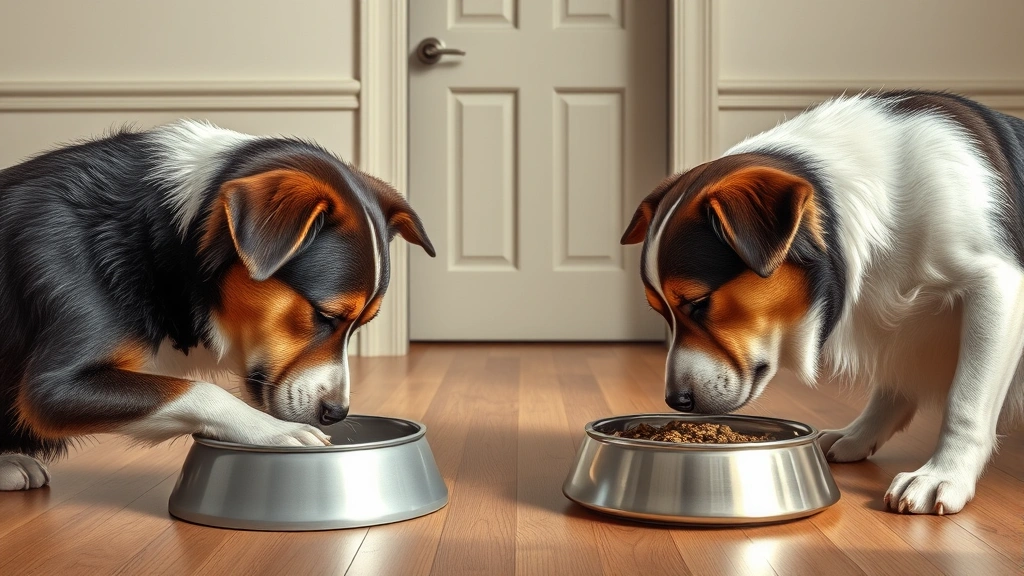
If you’ve got a dominant pet at home, you already know that dominant pet feeding solutions aren’t just about tossing kibble in a bowl and hoping for the best. These furry little tyrants can turn mealtime into a power struggle that would make a medieval king jealous. Whether your pet is resource-guarding like they’re protecting the Crown Jewels or simply bulldozing their way to every food bowl in sight, we’re here to help you take back control of feeding time.
Table of Contents
- What Makes a Pet “Dominant” at Feeding Time?
- Method 1: Separate Feeding Stations and Spatial Management
- Method 2: Scheduled Feeding Over Free-Feeding
- Method 3: Slow Feeder Bowls and Puzzle Feeders
- Method 4: Automatic Feeders for Portion Control
- Method 5: Behavioral Training and Positive Reinforcement
- Addressing Resource Guarding Specifically
- Multi-Pet Household Strategies
- Monitoring Progress and Adjusting Solutions
- Health Considerations and Nutrition
- Frequently Asked Questions
- Conclusion: Your Path to Peaceful Mealtimes
What Makes a Pet “Dominant” at Feeding Time?
Before we dive into solutions, let’s talk about what dominance actually looks like during meals. A dominant pet might guard their bowl aggressively, push other pets away from food, eat faster than a vacuum cleaner, or even steal food from other animals’ bowls. This behavior isn’t necessarily about being “bad”—it’s often rooted in anxiety, competition, or learned habits. Understanding the root cause helps you choose the right approach from our dominant pet feeding solutions toolkit.
Method 1: Separate Feeding Stations and Spatial Management
The nuclear option for dominant pet feeding solutions? Separation. Seriously, this is the MVP of feeding strategies. If you’ve got multiple pets, feeding them in completely different rooms is like giving each one their own kingdom. Your dominant pet gets the kitchen, the nervous cat gets the bedroom, and suddenly everyone’s stress levels drop faster than a tennis ball in front of a Golden Retriever.
Here’s the magic: when pets can’t see, smell, or compete with each other during meals, the dominant behavior simply doesn’t have an audience. Set up feeding stations at least 10-15 feet apart, ideally with a closed door between them. This works whether you’re managing multiple cat feeding solutions or a dog-cat household dynamic. Pro tip: feed them simultaneously so no one’s wandering around looking for leftovers.
Method 2: Scheduled Feeding Over Free-Feeding
Free-feeding—leaving food out all day—is basically an open invitation for your dominant pet to camp out and claim territory. Switching to scheduled feeding times is one of the most effective dominant pet feeding solutions available. Instead of grazing, your pets eat at specific times, typically 2-3 times daily depending on age.
Scheduled feeding gives you control and helps regulate your pet’s behavior. Your dominant pet knows “food appears at 7 AM and 6 PM,” so they’re not anxious about missing meals. This approach also makes it easier to monitor how much each pet eats and catch health issues early. Check out our detailed guide on free feeding vs scheduled feeding to understand which method suits your household best. Most vets recommend scheduled feeding for pets with behavioral issues anyway.
Method 3: Slow Feeder Bowls and Puzzle Feeders
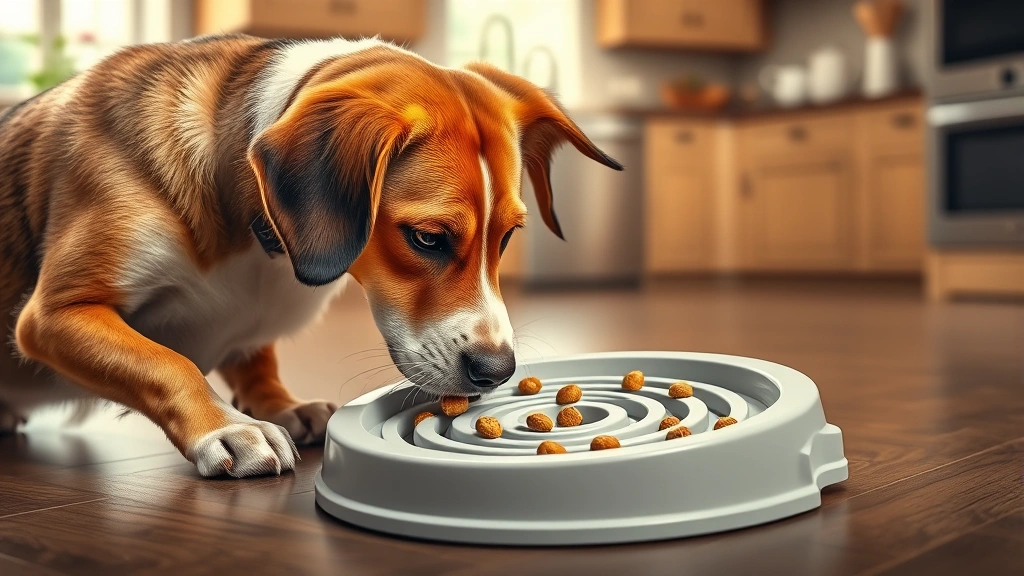
If your dominant pet eats like they’re competing in the Iditarod, slow feeder bowls are absolute game-changers. These specially designed bowls have ridges, compartments, or maze-like patterns that force your pet to work for their food. It’s not just about slowing them down—it’s about enrichment and mental stimulation.
Puzzle feeders take this concept further, making your pet solve a problem to access food. Both options reduce the intensity of feeding behavior and give your pet something to focus on besides bullying their siblings. Slow feeder bowls are particularly effective for dominant pets because they redirect that aggressive energy into a productive activity. Plus, slower eating aids digestion and reduces bloating—a win-win for your pup’s health.
Method 4: Automatic Feeders for Portion Control
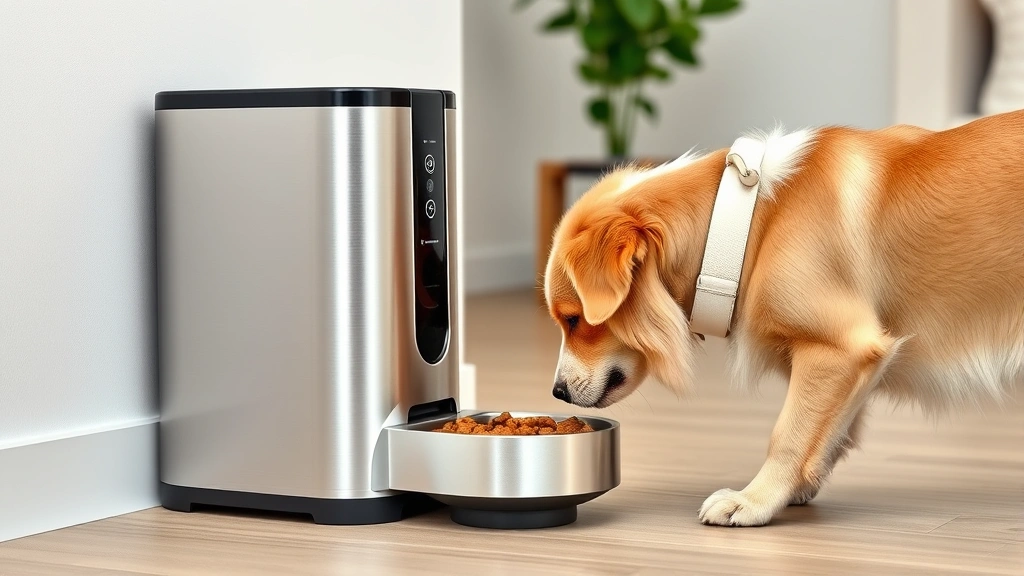
Welcome to the 21st century, where technology helps you manage dominant pet feeding solutions. Automatic pet feeders dispense measured portions at preset times, eliminating the possibility of your dominant pet eating more than they should. Some models even have microchip recognition, so only the intended pet can access their food.
Microchip feeders are particularly brilliant if you’re feeding multiple pets. Your dominant dog can’t steal the cat’s prescription food, and your cat can’t mysteriously gain five pounds from raiding the dog’s bowl. Set it and forget it—the feeder handles portion control while you handle other aspects of pet parenthood. These devices also help with weight management feeding strategies, especially for pets prone to overeating.
Method 5: Behavioral Training and Positive Reinforcement
Sometimes the best dominant pet feeding solutions involve addressing the behavior itself. Train your dominant pet to sit and wait before meals. This simple ritual establishes that you control access to food, not them. Make them earn their meal through basic obedience—sit, stay, wait for your release command.
Positive reinforcement is key here. Reward calm behavior around food, not aggressive behavior. If your pet growls at the bowl, remove the bowl and try again later. If they wait patiently, jackpot them with praise and treats. This reframes mealtime from a power struggle into a cooperative interaction. Many behavioral issues stem from anxiety, so creating predictable, calm feeding routines reduces stress for everyone involved.
Addressing Resource Guarding Specifically
Resource guarding is the most serious manifestation of dominant pet behavior at feeding time. If your pet growls, snaps, or shows teeth near their bowl, this requires careful handling. Never punish resource guarding—it typically makes it worse. Instead, use the “nothing in life is free” approach: your pet must earn everything, including food, through calm behavior and obedience.
Consider consulting with a certified animal behaviorist if resource guarding is severe. According to the American Kennel Club, resource guarding is a complex behavior that sometimes requires professional intervention. The good news? Most cases improve significantly with consistent, patient training and proper dominant pet feeding solutions.
Multi-Pet Household Strategies
If you’re managing multiple pets with varying dominance levels, finicky eater schedules and individual feeding protocols become essential. Create a feeding hierarchy that respects each pet’s needs. Senior pets, puppies, and cats often need different nutritional profiles anyway, so separating them makes nutritional sense too.
Watch for subtle signs of stress in subordinate pets—reduced appetite, weight loss, or hiding. These indicate that current feeding solutions aren’t working. The goal of dominant pet feeding solutions is reducing stress for all animals, not just managing the dominant one.
Monitoring Progress and Adjusting Solutions
Dominant pet feeding solutions aren’t one-size-fits-all. What works for one household might flop in another. Track your pet’s behavior for 2-3 weeks after implementing changes. Are they calmer? Eating appropriate amounts? Less aggressive? Adjust based on results. Maybe your dog needs both separate feeding stations AND a slow feeder bowl. Maybe your cat needs scheduled feeding AND a puzzle feeder.
According to PetMD, behavioral changes take time—typically 3-6 weeks to see significant improvement. Be patient and consistent. The investment in proper feeding management pays dividends in household peace and pet health.
Health Considerations and Nutrition
While managing dominant behavior, don’t neglect nutrition. Ensure your pet receives appropriate calories, protein, and nutrients for their age, size, and activity level. Some dominant behaviors actually stem from nutritional deficiencies or hunger. A board-certified veterinary nutritionist can help create custom feeding plans if your dominant pet has specific health needs.
Discuss dominant pet feeding solutions with your veterinarian at your next checkup. They can rule out medical causes for behavioral changes and recommend approaches tailored to your pet’s individual health profile.
Frequently Asked Questions
How long does it take for dominant pet feeding solutions to work?
Most behavioral changes appear within 2-3 weeks, but significant improvement typically takes 4-6 weeks of consistent implementation. Some pets respond faster, while others need more time. Patience and consistency are essential.
Is my dominant pet’s behavior dangerous?
Mild resource guarding (stiffening, staring) is manageable with proper dominant pet feeding solutions. Severe aggression (snapping, biting) requires professional help. Contact a certified animal behaviorist if your pet shows serious aggression.
Can I use multiple feeding solutions together?
Absolutely! Combining strategies often works better than single approaches. Separate feeding stations + scheduled feeding + slow feeders = maximum effectiveness. Tailor the combination to your household’s specific situation.
What if my dominant pet won’t eat when separated from other pets?
Some pets experience separation anxiety. Gradually acclimate them to eating alone by starting with short separations and building up duration. Use high-value treats and praise to create positive associations with solo feeding.
Are automatic feeders worth the investment?
For dominant pets in multi-pet households, yes. Microchip feeders cost $150-300 but prevent food theft, portion overflow, and behavioral conflicts. They’re particularly valuable if your dominant pet is overweight.
Conclusion: Your Path to Peaceful Mealtimes
Dominant pet feeding solutions don’t require you to become a pet psychologist or invest in elaborate equipment. Start with the simplest approach—separate feeding locations—and build from there. Most dominant behavior during meals stems from competition, anxiety, or learned habits, all of which respond well to proper management strategies.
The key is consistency. Pick your approach, implement it fully for at least 3-4 weeks, and give your pet time to adjust. Whether you’re using scheduled feeding, slow feeders, separate stations, automatic feeders, or behavioral training, you’re taking control of a situation that’s been chaotic. Your dominant pet will actually feel less stressed when they understand the feeding routine, and your other pets will thrive without competition anxiety.
Remember: dominant pet feeding solutions are about creating a peaceful, predictable environment where all your pets feel safe and secure. That’s worth the effort.





