
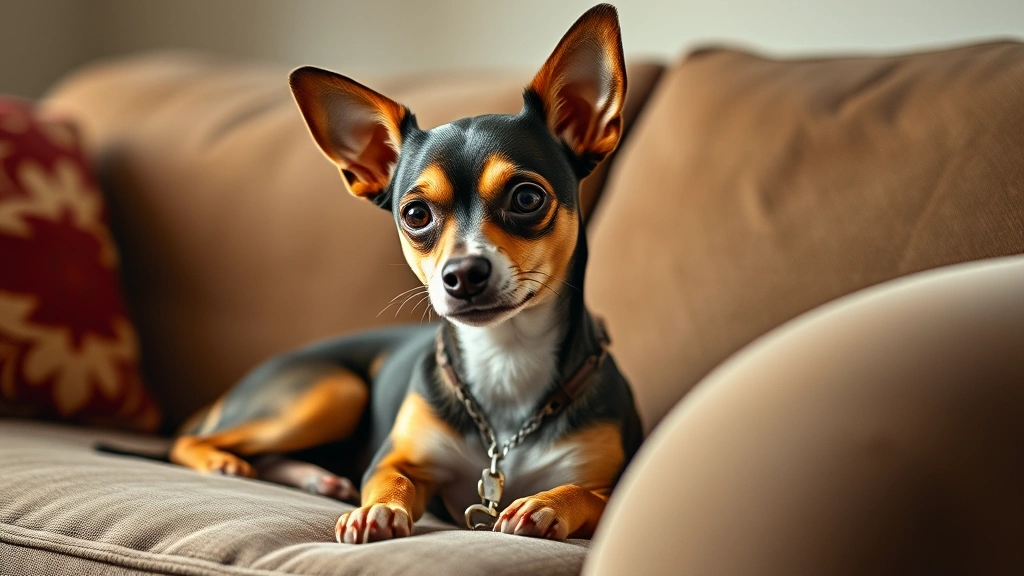
A dotson chihuahua mix dog is basically what happens when a Dachshund and a Chihuahua decide to create the most hilariously proportioned pup on the planet. You get a dog with the elongated body of a wiener dog and the sassy attitude of a tiny Mexican lap dog—it’s like nature’s comedy special wrapped in fur. If you’re thinking about bringing one of these adorable little goofballs into your home, buckle up, because this guide covers everything you need to know.
Table of Contents
- What Exactly Is a Dotson Chihuahua Mix?
- Personality Traits: Small Dog, MASSIVE Attitude
- Training Your Dotson: The Challenge Accepted Edition
- Health Considerations for Small Breed Mixes
- Nutrition and Feeding Your Dotson
- Exercise Needs: Don’t Underestimate These Little Dynamos
- Grooming and Coat Care
- Living Arrangements: Apartment Friendly or Not?
- Socialization and Compatibility with Other Pets
- Cost of Ownership: What to Expect
- Common Behavioral Issues and Solutions
- Lifespan and Long-Term Considerations
- Frequently Asked Questions
- Final Thoughts: Is a Dotson Right for You?
What Exactly Is a Dotson Chihuahua Mix?
The dotson is a designer dog breed that combines the Dachshund’s distinctive long body and short legs with the Chihuahua’s compact size and big personality. These pint-sized pooches typically weigh between 5-15 pounds and stand about 6-9 inches tall. Think of them as the perfect size for apartment living—small enough to fit in your lap, but with enough personality to make you wonder if they’re secretly plotting world domination.
The breed’s appearance is wonderfully unpredictable. Some dotsons inherit more Dachshund features, while others lean heavily toward their Chihuahua heritage. You might end up with a smooth coat, a wire-haired texture, or something in between. Colors range from solid blacks and tans to spotted patterns that make them look like tiny leopards.
Personality Traits: Small Dog, MASSIVE Attitude
Here’s the truth: dotsons are tiny dogs with absolutely zero awareness of their size. They’re confident, sometimes stubborn, and possess a loyalty that borders on obsessive. These little guys will follow you from room to room like you’re the most fascinating thing that’s ever existed. One minute they’re cuddling in your lap, the next they’re barking at a leaf outside like it personally insulted their family.
They’re intelligent and eager to please, but they’ve also got an independent streak that rivals a cat’s. Training requires patience, consistency, and the understanding that your dotson might decide the rules don’t apply to them. This is especially true if they inherited the Dachshund’s hunting instinct—they’ll chase squirrels with the determination of a seasoned detective.
Training Your Dotson: The Challenge Accepted Edition
Training a dotson chihuahua mix requires a delicate balance of firmness and gentleness. These dogs respond incredibly well to positive reinforcement—treats, praise, and the occasional belly rub work wonders. However, they’ll absolutely test your boundaries if you show any sign of weakness.
House training typically takes longer with dotsons than with larger breeds, so patience is essential. Start early, use a consistent routine, and celebrate every small victory like they just earned their PhD. Crate training can be particularly helpful, as these dogs naturally prefer having their own den-like space.

Socialization is crucial for preventing the “tiny dog with big dog attitude” syndrome. Expose your dotson to different people, environments, and other animals while they’re young. This helps prevent excessive barking and aggressive behavior toward strangers or other pets.
Health Considerations for Small Breed Mixes
Dotsons can inherit health issues from both parent breeds. Common concerns include dental problems (because of their small mouths), patellar luxation (knee issues), and intervertebral disc disease (IVDD) from the Dachshund side. Regular veterinary check-ups are non-negotiable.
Their teeth deserve special attention—small breeds are notorious for dental disease. Brush their teeth regularly, provide dental chews, and schedule professional cleanings as recommended by your vet. Keeping those tiny chompers healthy extends their lifespan and improves their overall quality of life.

Hypoglycemia can be an issue in toy breeds, especially puppies. Watch for signs of lethargy, weakness, or seizures, and keep some high-calorie treats on hand just in case. Also, be cautious about their weight—these little guys can easily become chubby, which stresses their already-delicate spines.
Nutrition and Feeding Your Dotson
Feeding a dotson requires thoughtful planning. These small dogs have fast metabolisms and need high-quality food packed with nutrients. Most dotsons do well on premium small-breed formulas designed specifically for their size and energy level.
Portion control is critical—it’s easy to overfeed these tiny pups, leading to obesity and associated health problems. A typical dotson needs about ½ to 1 cup of food daily, split into two meals, but this varies based on age, activity level, and individual metabolism. Always follow your vet’s recommendations.

If you’re interested in adding variety to their diet, check out our guide on puppy-safe human foods to learn which table scraps won’t cause problems. You might also find our article on food allergies in pets helpful if your dotson develops digestive issues.
For active dotsons, energy-boosting foods for active pets can help maintain their vitality, though most commercial small-breed formulas provide adequate nutrition for their activity level.
Exercise Needs: Don’t Underestimate These Little Dynamos
Despite their size, dotsons are surprisingly active little creatures. They inherit the Dachshund’s hunting drive and the Chihuahua’s spunky energy, creating a dog that needs regular exercise to stay mentally and physically healthy. Aim for at least 30-45 minutes of activity daily, split into multiple short sessions.
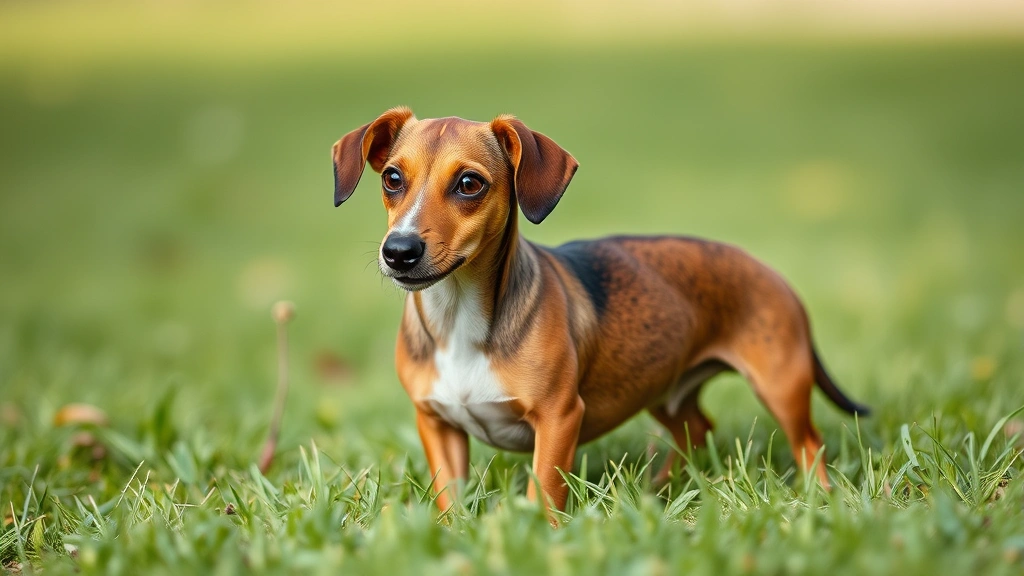
These dogs excel at short walks, indoor play sessions, and games that engage their hunting instincts. A backyard romp or a trip to a dog park (if they’re well-socialized) keeps them happy and prevents destructive behavior. Mental stimulation is just as important as physical exercise—puzzle toys and training sessions tire them out wonderfully.
Be careful with high-impact activities that stress their spine. Jumping off furniture or stairs repeatedly can cause serious injuries, so consider ramps or steps if your dotson loves climbing on couches.
Grooming and Coat Care
Grooming needs depend on your dotson’s coat type. Smooth-coated dotsons need weekly brushing and occasional baths, while wire-haired varieties might need professional grooming every 6-8 weeks. Either way, these little guys shed, so keep a lint roller handy.

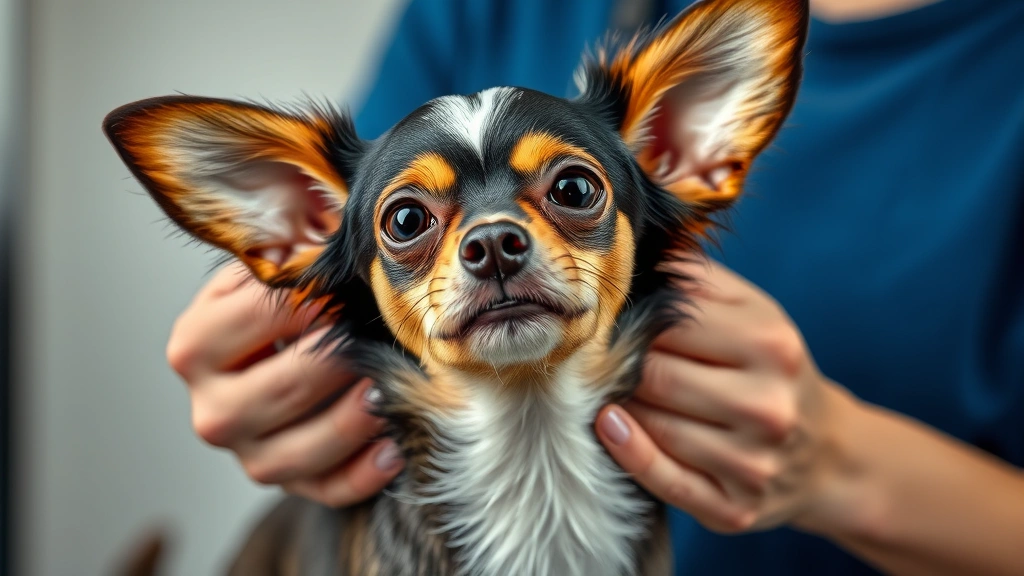
Regular nail trimming is essential—their tiny nails grow quickly and can become uncomfortable if left unchecked. Ear cleaning is another must, especially if they inherited floppy ears from the Dachshund side. Check their ears weekly and clean them as needed to prevent infections.
Dental care shouldn’t be overlooked. Brush their teeth several times weekly (daily is ideal) and schedule professional cleanings with your vet. Small dogs are prone to tartar buildup and gum disease, which can lead to serious health complications.
Living Arrangements: Apartment Friendly or Not?
Dotsons are perfect for apartment living thanks to their small size and moderate exercise needs. They don’t require a huge yard, though they appreciate access to outdoor space. The real consideration is their bark—these little guys can be surprisingly vocal, so apartment neighbors might not appreciate your dotson’s tendency to announce every passing squirrel.

Training and early socialization can help minimize excessive barking. Providing adequate exercise and mental stimulation also reduces destructive barking behavior. If your dotson tends toward the chatty side, you might want to discuss this with potential landlords before signing a lease.
Socialization and Compatibility with Other Pets
Early socialization determines whether your dotson becomes a friendly little social butterfly or a suspicious tiny tyrant. Introduce them to other dogs, cats, and people while they’re young. Dotsons can coexist peacefully with other pets when properly socialized, though their hunting instinct means small animals like hamsters or rabbits are risky housemates.
When introducing your dotson to other dogs, remember their small size makes them vulnerable. Supervise interactions with larger breeds to prevent accidental injuries. Despite their bold personality, they’re physically fragile and can be hurt by dogs that don’t realize their own strength.
Cost of Ownership: What to Expect
Purchasing a dotson from a reputable breeder typically costs $500-$1,500, depending on location and pedigree. Adoption from rescue organizations is a more affordable option and saves a life in the process.
Annual veterinary care, food, supplies, and grooming can total $1,000-$2,000 yearly. Emergency medical care, which is more common in small breeds prone to specific health issues, can add significant costs. Pet insurance is worth considering to manage unexpected expenses.
Common Behavioral Issues and Solutions
Excessive barking is the most common complaint from dotson owners. These little guys have opinions about everything and aren’t shy about sharing them. Training and desensitization can help, as can ensuring they get adequate exercise and mental stimulation.

Separation anxiety is another issue—dotsons are velcro dogs that despise being alone. Crate training, gradual desensitization to your absence, and possibly medication recommended by your vet can address this problem. Never punish anxiety-related behavior; instead, work on building their confidence and independence.
Some dotsons develop resource guarding tendencies, protecting food, toys, or favorite spots. Address this early through training and management, as it can escalate into aggressive behavior if ignored.
Lifespan and Long-Term Considerations
With proper care, dotsons typically live 12-16 years, sometimes longer. This is a long-term commitment that requires consistent veterinary care, quality nutrition, and lots of love. Before getting a dotson, ensure you’re ready for more than a decade of responsibility.

As they age, dotsons may develop arthritis, vision problems, or hearing loss. Adjusting their environment with ramps, orthopedic beds, and patience helps them navigate their senior years comfortably. Many elderly dotsons remain spunky and affectionate, proving that age is just a number.
Frequently Asked Questions
Are Dotson Chihuahua Mixes Good for First-Time Dog Owners?
Dotsons can work for first-time owners, but they’re not the easiest breed. Their stubbornness, training challenges, and health considerations require patience and dedication. If you’re committed to proper training and veterinary care, you’ll do fine.
How Much Do Dotsons Shed?
Both parent breeds shed, so expect regular shedding year-round. Wire-haired dotsons shed slightly less than smooth-coated varieties, but none are truly hypoallergenic. Weekly brushing helps manage loose hair.

Can Dotsons Be Left Alone During the Day?
Dotsons struggle with being alone for extended periods. If you work long hours, consider hiring a dog walker or using doggy daycare. These dogs thrive with companionship and can develop separation anxiety if left alone too frequently.
What’s the Difference Between a Dotson and a Chug?
A dotson is a Dachshund-Chihuahua mix, while a chug dog is a Chihuahua-Pug mix. Both are small designer breeds, but they have different parent breeds and distinct characteristics. Dotsons are longer and more energetic, while chugs tend to be stockier.
Do Dotsons Get Along with Cats?
Many dotsons coexist peacefully with cats when raised together from a young age. However, their hunting instinct means they might chase cats that run. Proper socialization and supervision are essential.
What Health Problems Should I Watch For?
Monitor for intervertebral disc disease, patellar luxation, dental disease, and hypoglycemia. Regular vet check-ups, a healthy weight, and careful handling of their spine help prevent many common issues.
Are Dotsons Expensive to Maintain?
Dotsons are relatively affordable compared to larger breeds, but health issues can become expensive. Budget for annual vet care, quality food, grooming, and emergency medical expenses.
Final Thoughts: Is a Dotson Right for You?
A dotson chihuahua mix dog is perfect for people who want a small, affectionate companion with a big personality. They’re ideal for apartment dwellers, seniors seeking a loyal friend, and families willing to invest time in training and socialization. These little dogs demand patience, consistency, and genuine love, but they repay you with unwavering devotion and endless entertainment.
Before bringing a dotson home, honestly assess your lifestyle, living situation, and ability to commit to their care for 12-16 years. Visit breeders or rescue organizations, ask questions, and meet the dogs in person. The right dotson will fill your life with joy, laughter, and the kind of love that only tiny dogs with huge hearts can provide.
Whether you’re drawn to their adorable appearance, their spunky personality, or their perfect apartment-size, a dotson is a wonderful addition to the right home. Just remember: these little guys might be small, but they’re mighty in every way that counts.





