
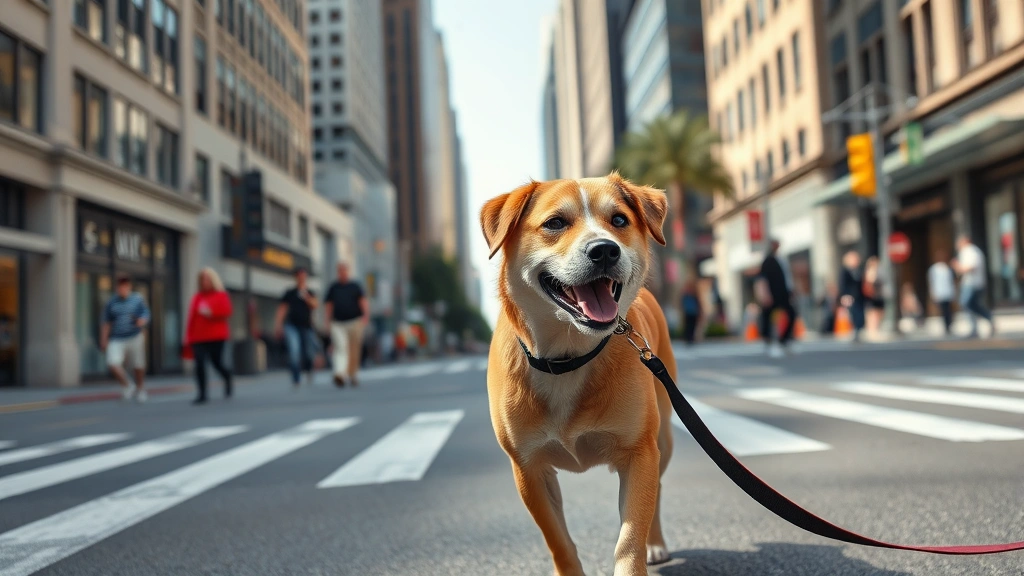
Living with downtown dogs means navigating a completely different world of pet ownership than your suburban counterparts. City living with a furry best friend isn’t just about finding the nearest fire hydrant—it’s a whole lifestyle that requires strategy, patience, and a solid understanding of urban pet dynamics.
Table of Contents
- What Makes Downtown Dogs Different from Suburban Pups?
- Choosing the Right Downtown Dog Breed
- Mastering the Art of Apartment Living with Your Canine
- Exercise and Activity: Keeping Downtown Dogs Stimulated
- Nutrition and Feeding Your Urban Canine
- Handling Bathroom Breaks in High-Density Urban Areas
- Socialization: Your Downtown Dog’s Superpower
- Veterinary Care and Health Management in Urban Settings
- Transportation: Getting Your Downtown Dog Around the City
- Creating a Personalized Downtown Dog Lifestyle
- Common Downtown Dog Challenges and Solutions
- Frequently Asked Questions
- Conclusion: Thriving as a Downtown Dog Owner
What Makes Downtown Dogs Different from Suburban Pups?
Downtown dogs face unique challenges that their countryside cousins never encounter. These urban canines deal with constant noise pollution, limited outdoor space, crowded sidewalks, and the ever-present reality of apartment living. But here’s the thing: urban dog ownership can be incredibly rewarding if you know what you’re doing.
The biggest difference? Socialization happens on overdrive. Your downtown dog will encounter more humans, other animals, and bizarre situations before breakfast than a rural dog might in a week. This means your pup needs to be exceptionally well-trained and emotionally balanced.
Choosing the Right Downtown Dog Breed
Not all breeds thrive in urban environments. Before you bring home a Great Dane to your studio apartment, consider this: some dogs are naturally suited for city living, while others will drive you absolutely bonkers (and vice versa).
Small breeds like French Bulldogs, Boston Terriers, and Dachshunds are popular choices, but don’t assume size is everything. Some larger breeds like Greyhounds actually adapt beautifully to apartment living because they’re surprisingly low-energy indoors. The key is finding a breed that matches your lifestyle and living situation.
Consider breeds that don’t require extensive backyards and can handle frequent leash walks. Poodles, Cavalier King Charles Spaniels, and mixed breeds from local shelters often make excellent city dog companions.
Mastering the Art of Apartment Living with Your Canine
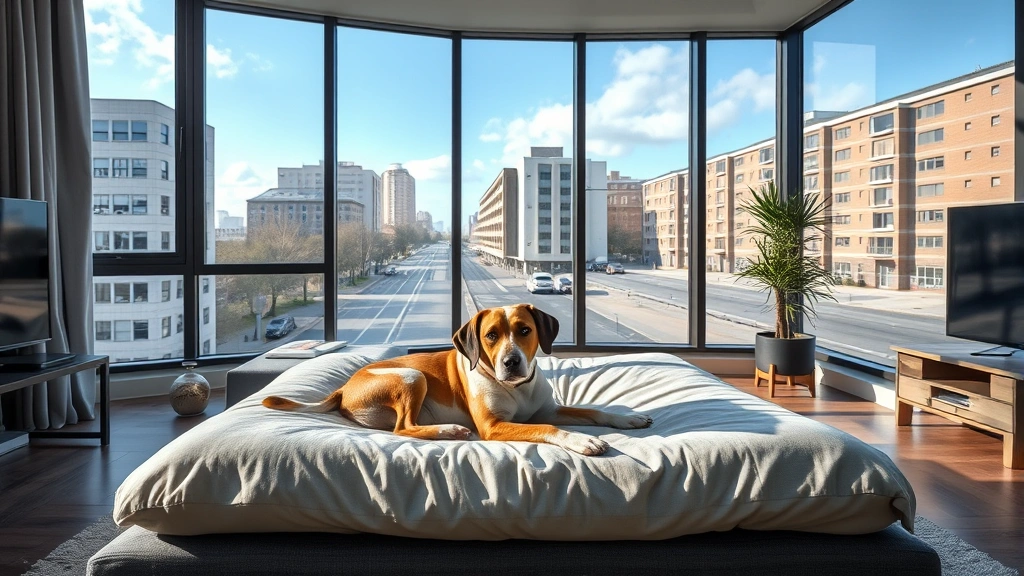
Space is precious downtown, and your dog’s needs don’t shrink just because your apartment is 600 square feet. Create a designated dog zone with a comfortable bed, toys, and easy access to water. Use vertical space—wall-mounted shelves for toys, elevated feeding stations, and window perches for entertainment.
The real estate struggle is real, but it’s manageable. What matters most is providing mental stimulation and regular exercise, not square footage. A bored downtown dog becomes a destructive downtown dog, and your security deposit will thank you for preventing that scenario.
Exercise and Activity: Keeping Downtown Dogs Stimulated
This is where downtown dog owners often stumble. Your pup needs at least 30-60 minutes of exercise daily, depending on breed and age. This doesn’t mean endless park time—it means strategic, purposeful activity.
Mix up your routine: morning walks through busy streets (great for socialization), midday dog park visits, evening jogs, and puzzle toys at home. Consider enrolling your downtown dog in training classes, agility courses, or doggy daycare. These activities provide physical exercise AND mental engagement, which is crucial for preventing behavioral issues.
Pro tip: Use training treats from human food during walks to keep your pup engaged and focused on you rather than every distraction the city throws at them.
Nutrition and Feeding Your Urban Canine
Downtown living doesn’t mean compromising on nutrition. In fact, city dwellers often have better access to premium pet food options than rural areas. Feed your downtown dog high-quality protein, balanced nutrients, and appropriate portion sizes based on their activity level.
The urban lifestyle can actually work in your favor here—you likely have multiple pet stores, veterinary clinics, and specialty shops within walking distance. Just avoid the temptation to overfeed your pup with table scraps. Learn which safe human snacks for pets work as occasional treats, and absolutely know what not to feed your dog—especially toxic foods like chocolate, grapes, and xylitol.
Handling Bathroom Breaks in High-Density Urban Areas
Let’s be honest: potty training a downtown dog requires commitment. You’ll be taking your pup outside multiple times daily, sometimes in less-than-ideal weather. Establish a consistent schedule and always carry waste bags (seriously, never forget these).
Apartment living means your dog’s bathroom breaks are your responsibility entirely. There’s no backyard to let them out into. This reality hits hardest during winter in northern cities or summer heat in southern ones. Many downtown dog owners develop an almost supernatural ability to predict their pup’s bathroom needs within a 10-minute window.
Some city dwellers train their dogs to use indoor potty pads or even dog litter boxes as backup options. Whatever method you choose, consistency is everything.
Socialization: Your Downtown Dog’s Superpower
Downtown dogs encounter more social situations than most pets ever will. Use this to your advantage. Proper socialization during puppyhood (and ongoing throughout life) creates a confident, well-adjusted adult dog.
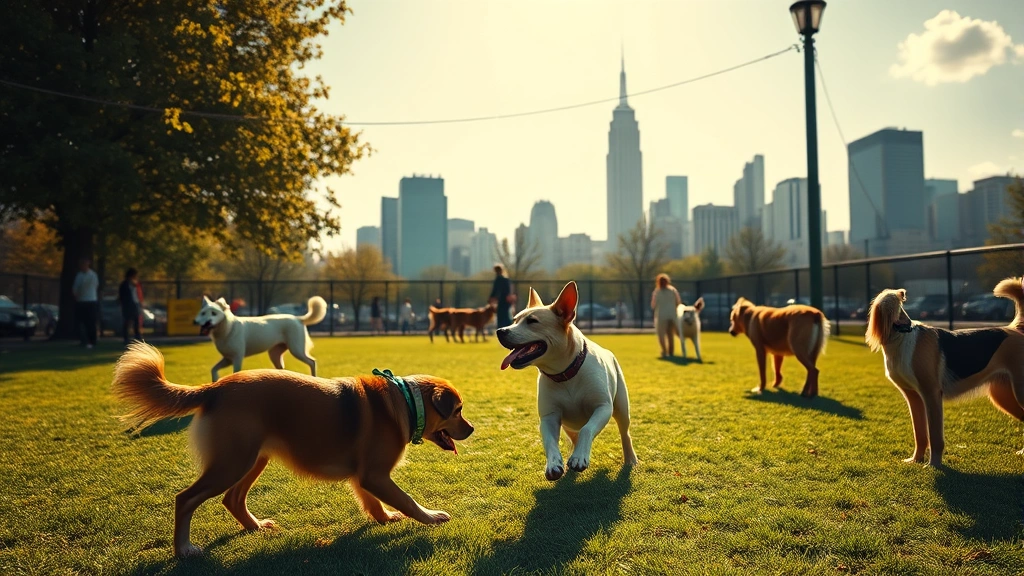
Expose your pup to different sounds, surfaces, people, and other animals in controlled, positive ways. Dog parks are excellent, but also try different neighborhoods, pet-friendly patios, and training classes. A well-socialized downtown dog becomes your ticket to a fuller city lifestyle—you can take them more places, enjoy outdoor dining with your pup nearby, and genuinely relax knowing they’ll behave appropriately.
Veterinary Care and Health Management in Urban Settings
One major advantage of downtown living: veterinary services are usually abundant. You’ll have multiple clinics to choose from, emergency vet hospitals nearby, and specialists available for specific health issues.
Schedule regular check-ups, keep vaccinations current, and stay on top of preventative care. Urban environments expose dogs to more parasites and illnesses, so maintain flea, tick, and heartworm prevention year-round. Dental care is also crucial—your downtown dog can’t tell you their teeth hurt, so regular dental exams prevent serious issues.
Transportation: Getting Your Downtown Dog Around the City
Whether you’re using public transit, rideshare services, or your own vehicle, transporting a downtown dog requires planning. If you drive, invest in a proper car seat for dogs to keep your pup safe and prevent distractions.
Many cities allow dogs on public transportation with proper carriers or leashes. Know your local regulations. Some downtown dog owners use specialized travel carriers, backpacks, or strollers designed for pets. The goal is keeping your dog safe, comfortable, and under control while moving through crowded urban spaces.
Creating a Personalized Downtown Dog Lifestyle
Your downtown dog’s personality and needs should drive your decisions. Some pups thrive on constant activity and social interaction, while others prefer quiet evenings at home. Pay attention to your individual dog’s temperament and adjust accordingly.
Consider giving your downtown dog a cool dog name that reflects their urban personality. Whether you’re drawn to breeds like Chinese dog breeds or mixed rescues, the name should fit their character and your lifestyle.
Common Downtown Dog Challenges and Solutions
Noise anxiety is real. Many downtown dogs struggle with sirens, car horns, construction sounds, and neighbors. Desensitization training, white noise machines, and creating a safe retreat space help. Some owners use anxiety wraps or calming supplements during particularly stressful periods.
Aggression toward other dogs or people can develop in urban environments due to stress and overstimulation. Professional training is non-negotiable if this becomes an issue. Aggressive downtown dogs aren’t just a problem for you—they’re a liability and a danger to the community.
Loneliness and separation anxiety plague many urban dogs whose owners work full-time. Consider doggy daycare, dog walkers, or neighbors who can check in on your pup. Some downtown dogs do fine alone; others need company. Know your dog.
Frequently Asked Questions
Can you have a large breed downtown dog in an apartment?
Absolutely. Size doesn’t determine apartment suitability—energy level and temperament do. Many large breeds like Greyhounds and Mastiffs are calm indoors and adapt beautifully to apartment living. The key is providing adequate exercise and mental stimulation regardless of breed size.
How often should downtown dogs go outside?
Most adult downtown dogs need at least three to four bathroom breaks daily, plus additional exercise walks. Puppies need more frequent breaks, sometimes every two to three hours. Senior dogs may also need more frequent potty breaks. The exact schedule depends on your individual dog’s needs and your building’s policies.
Are downtown dogs more aggressive than suburban dogs?
Not inherently, but they’re exposed to more stimuli and stress. Poorly socialized or under-exercised downtown dogs may develop behavioral issues. Proper training, socialization, and exercise prevent most aggression problems. Well-trained urban dogs are often better-behaved than their suburban counterparts.
What’s the best way to introduce a downtown dog to city living?
Start slowly. If possible, bring your puppy to the city early so they become accustomed to urban sounds and sights. Take gradual walks through busier areas, use positive reinforcement, and never force your dog into overwhelming situations. Patience and consistency create confident downtown dogs.
How do you handle downtown dog emergencies?
Know where the nearest emergency veterinary clinic is located. Keep your dog’s medical records accessible. Have a pet first aid kit at home. Maintain updated ID tags and microchip information. In emergencies, call your vet or emergency clinic immediately—don’t wait.
Conclusion: Thriving as a Downtown Dog Owner
Downtown dogs represent a unique and rewarding form of pet ownership. Yes, it’s challenging. Yes, you’ll face situations that suburban dog owners never encounter. But the payoff is incredible: a well-adjusted, socially confident companion who can navigate the urban jungle alongside you.
Success with downtown dogs comes down to understanding your individual pup’s needs, committing to consistent training and exercise, and creating a structured environment within your urban home. Your downtown dog isn’t at a disadvantage—they’re living a different kind of life, one filled with more social interaction, varied experiences, and urban adventures.
Whether you’re a first-time downtown dog owner or a seasoned urban pet parent, remember this: your dog doesn’t care about square footage or neighborhood prestige. They care about spending time with you, getting exercise, receiving proper nutrition, and feeling safe and loved. Nail those fundamentals, and you’ll have a thriving downtown dog who makes city living even better.





