
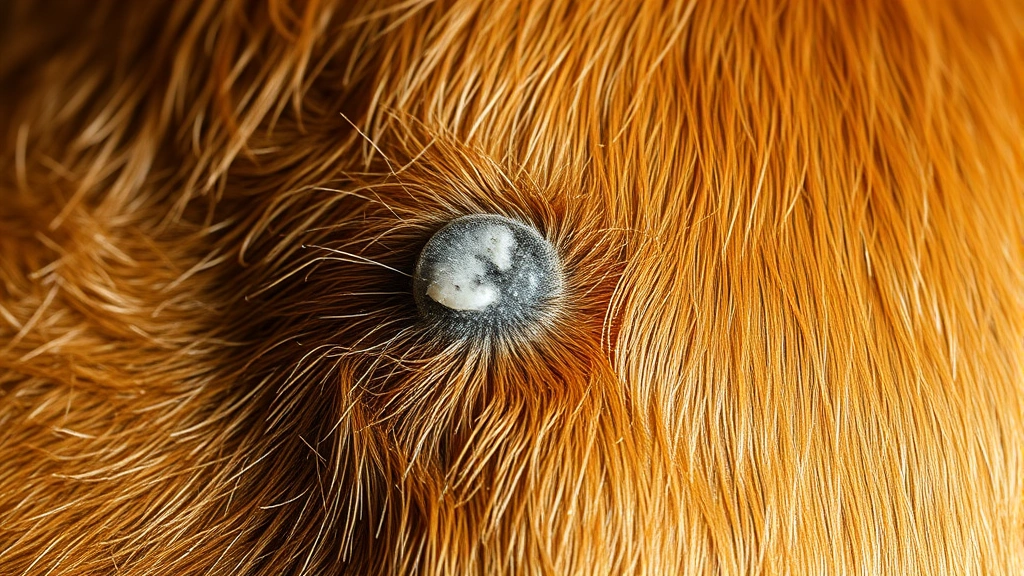
If you’re searching for early stage dog skin cancer pictures, you’re probably worried about a suspicious bump or spot on your furry best friend. Good news: catching skin cancer early in dogs can genuinely save their lives. Bad news: most pet owners don’t know what to look for until it’s too late. Let’s change that right now.
Table of Contents
- What Does Early Stage Dog Skin Cancer Actually Look Like?
- Recognizing Mast Cell Tumors in Dogs
- Melanoma Warning Signs and Appearance
- Squamous Cell Carcinoma: The Scaly Intruder
- The Red Flags: When to Panic (And When Not To)
- Photography Tips for Documenting Suspicious Lesions
- Diagnostic Process: From Picture to Diagnosis
- Risk Factors: Which Dogs Are Most Vulnerable?
- Treatment Options for Early Stage Skin Cancers
- Prevention and Ongoing Monitoring
- When to Seek Emergency Care
- Frequently Asked Questions
- Summary: Taking Action on Suspicious Skin Lesions
What Does Early Stage Dog Skin Cancer Actually Look Like?
Early stage dog skin cancer doesn’t always announce itself with a giant neon sign. Sometimes it looks like a harmless little bump. Sometimes it’s a scaly patch. Sometimes it’s a weird discoloration that makes you go, “Huh, that’s odd.” The tricky part? Many benign skin conditions look suspiciously similar to cancer, which is why visual reference materials and early stage dog skin cancer pictures matter so much.
The most common canine skin cancers include mast cell tumors, melanomas, and squamous cell carcinomas. Each one has its own personality—literally. Mast cell tumors often appear as raised, itchy bumps that might look inflamed or hairless. Melanomas typically show up as dark, pigmented lesions, though not always. Squamous cell carcinomas usually present as scaly, crusty, or ulcerated areas.
Recognizing Mast Cell Tumors in Dogs
Mast cell tumors are the most frequently diagnosed skin cancer in dogs, accounting for about 20% of all canine skin tumors. Here’s what to watch for: these often appear as solitary bumps that are raised, sometimes hairless, and occasionally itchy or inflamed. They can range from small (pea-sized) to large (golf ball-sized). The sneaky part? They can look exactly like a benign cyst or lipoma, which is why professional evaluation matters.
Location matters too. Mast cell tumors love hanging out on the trunk, limbs, and lower abdomen. If your dog has a weird bump in these areas that’s been there for more than a few weeks, photograph it and schedule a vet visit. Don’t panic—many skin bumps are totally harmless—but documentation helps your vet track changes over time.
Melanoma Warning Signs and Appearance
Melanomas in dogs are serious business. Unlike human melanomas, canine melanomas aren’t always related to sun exposure (though it plays a role). They typically appear as dark, pigmented lesions, but here’s the plot twist: not all melanomas are dark. Some are actually unpigmented, which makes them harder to spot.
Look for lesions that are irregular in shape, have uneven coloration, or seem to be growing. Oral melanomas are particularly aggressive, so check your dog’s mouth regularly. If you notice a dark spot on the gums, tongue, or inside the cheeks, that’s a red flag. These are less common than skin melanomas but more aggressive, so early detection is absolutely critical.
Squamous Cell Carcinoma: The Scaly Intruder
Squamous cell carcinomas often masquerade as simple skin infections or allergic reactions. They typically present as scaly, crusty, or ulcerated patches. Some might have a wound-like appearance that doesn’t seem to heal. Others look like persistent dermatitis that doesn’t respond to normal treatment.
These tend to favor areas with less hair coverage—ears, nose, paws, and genitals. If your dog has a stubborn, non-healing sore in these locations, especially if it’s been present for more than a few weeks, get it checked out. Early intervention can make a massive difference in outcomes.
The Red Flags: When to Panic (And When Not To)
Not every bump on your dog is cancer. Let’s be real: dogs get all sorts of skin stuff. Cysts, lipomas, warts, and simple inflammation are super common. But certain characteristics should trigger a vet visit:
- Rapid growth: If a bump doubles in size within weeks, that’s concerning
- Bleeding or discharge: Spontaneous oozing or bleeding warrants immediate attention
- Ulceration: Open sores that don’t heal are red flags
- Color changes: If a lesion darkens or develops irregular pigmentation, document it
- Itching and irritation: Excessive licking or scratching at a specific spot suggests something’s wrong
- Odor: A foul smell from a skin lesion is never a good sign
Your gut feeling matters too. If something looks off to you, it probably warrants a professional opinion. Vets would rather examine ten benign bumps than miss one cancer.

Photography Tips for Documenting Suspicious Lesions
When you spot something questionable, take photos. Seriously. Use good lighting (natural sunlight works best), photograph from multiple angles, and include something for scale (like a ruler or coin next to the lesion). Date your photos and keep them organized. This creates a visual timeline that helps your vet assess whether something’s changing.
If you’re using telehealth services like telehealth vet appointments, clear photos become even more important. Your vet can’t physically examine the lesion, so quality images are your best communication tool.
Diagnostic Process: From Picture to Diagnosis
Here’s where those early stage dog skin cancer pictures become less important than actual medical evaluation. A vet will typically use multiple diagnostic tools: visual examination, palpation (feeling the lesion), and most importantly, a biopsy. A biopsy is the only way to definitively diagnose skin cancer.
According to the American Kennel Club, early detection through regular skin checks and professional evaluation significantly improves treatment outcomes. Your vet might also recommend bloodwork or imaging depending on the suspected cancer type.
Risk Factors: Which Dogs Are Most Vulnerable?
Certain dogs face higher skin cancer risk. Age is a big factor—older dogs develop more skin cancers. Breed matters too: Boxers, Golden Retrievers, and Schnauzers have higher melanoma rates. Light-colored or hairless dogs face increased sun exposure risk. Dogs with compromised immune systems are more susceptible.
Sun exposure plays a role, especially for light-colored dogs and those with sparse hair. Regular sunscreen use (pet-safe, please!) and limiting midday sun exposure can help. Chronic skin inflammation or irritation also increases cancer risk, so addressing allergies and infections promptly matters.
Treatment Options for Early Stage Skin Cancers
The good news? Early stage skin cancers in dogs are often highly treatable. Surgical removal is the primary treatment for most skin cancers. If caught early and completely removed, many dogs experience excellent long-term outcomes. Some cancers might require chemotherapy or radiation, depending on type and stage.
Prognosis varies dramatically based on cancer type, size, and how early it’s caught. Early stage mast cell tumors, especially low-grade ones that are completely excised, have excellent survival rates. Melanomas are trickier and more aggressive, but early detection still improves outcomes significantly.
Prevention and Ongoing Monitoring
You can’t prevent all skin cancers, but you can reduce risk factors. Regular skin checks—monthly self-exams where you feel and inspect your dog’s entire body—catch changes early. Use pet-safe sunscreen on vulnerable areas. Maintain a healthy diet rich in antioxidant-rich foods for pets to support immune function.
Address skin infections and allergies promptly. Keep your dog at a healthy weight—obesity increases cancer risk. Regular vet checkups mean professional eyes examining your dog’s skin at least annually. For high-risk dogs, more frequent checks make sense.

When to Seek Emergency Care
Most skin lesions don’t require emergency vet visits, but some do. Seek immediate care if a lesion is bleeding profusely, has a foul odor suggesting infection, or if your dog is excessively licking or chewing at it (risking infection or spread). Rapid growth over days or weeks also warrants prompt evaluation.
Don’t wait for a routine appointment if something seems seriously wrong. Vets understand that skin cancer concerns are legitimate, and they’d rather see your dog sooner rather than later.
Frequently Asked Questions
Can I diagnose my dog’s skin cancer from pictures alone?
No. While early stage dog skin cancer pictures can help you identify suspicious lesions worth investigating, only a veterinary biopsy can definitively diagnose cancer. Many benign skin conditions look similar to cancer. Your vet needs to examine the lesion and potentially perform a biopsy for accurate diagnosis.
How quickly does dog skin cancer progress?
Progression rates vary significantly by cancer type. Some mast cell tumors grow slowly over months. Melanomas tend to be more aggressive. Squamous cell carcinomas vary widely. This is why documenting changes through photos and regular vet visits matters—your vet can assess growth rate and adjust treatment plans accordingly.
Are certain dog breeds more prone to skin cancer?
Yes. Boxers, Golden Retrievers, Schnauzers, and Cocker Spaniels have higher skin cancer rates. Light-colored and hairless breeds face increased sun exposure risk. Age is a significant factor—senior dogs develop more skin cancers. However, any dog can develop skin cancer, regardless of breed or age.
What’s the survival rate for dogs with early stage skin cancer?
Survival rates depend heavily on cancer type and stage. Early stage mast cell tumors that are completely removed surgically have excellent prognosis, with many dogs living several years or longer. Melanomas are more serious but still treatable, especially when caught early. Your vet can provide specific prognosis based on your dog’s situation.
Should I use supplements to prevent skin cancer?
While certain supplements like omega-3 fatty acids and antioxidants support skin health, they’re not proven cancer preventatives. A balanced diet with quality nutrition is foundational. Consider bone broth recipes for pets as a nutritious addition to your dog’s diet. Always consult your vet before adding supplements.
Can stress cause skin cancer in dogs?
Stress doesn’t directly cause cancer, but chronic stress can suppress immune function, potentially increasing cancer risk. Reducing stress through exercise, mental stimulation, and providing a calm environment supports overall health. Some dogs benefit from calming foods for anxious pets as part of a holistic wellness approach.
Summary: Taking Action on Suspicious Skin Lesions
Early stage dog skin cancer pictures serve as educational tools to help you recognize what might be concerning, but they’re not diagnostic. Your responsibility as a pet owner is to stay vigilant, perform regular skin checks, and trust your instincts when something seems off. If you spot a suspicious lesion, document it with photos, schedule a vet appointment, and let the professionals handle diagnosis.
The encouraging reality? Many skin cancers in dogs are treatable, especially when caught early. By staying alert and proactive, you’re giving your furry companion the best chance at a long, healthy life. Don’t let fear paralyze you—let it motivate you to be your dog’s best health advocate.





