
Let’s be honest—earth-friendly flea control sounds like something your granola-loving neighbor would suggest while you’re desperately scratching your dog behind the ears. But here’s the thing: sustainable flea prevention actually works, and it won’t turn your home into a chemical warfare zone or drain your wallet like those fancy vet prescriptions. Your pets deserve protection, and Mother Earth deserves a break from unnecessary toxins. We’re going to walk you through five battle-tested methods that’ll send fleas packing without requiring a hazmat suit.
Table of Contents
- Why Traditional Flea Treatments Are Becoming Yesterday’s News
- Method 1: Diatomaceous Earth—Nature’s Tiny Assassin
- Method 2: Essential Oils and Natural Repellents
- Method 3: Nematodes—The Microscopic Bodyguards
- Method 4: Dietary Approaches and Nutritional Support
- Method 5: Mechanical Removal and Regular Grooming
- Creating Your Earth-Friendly Flea Control Strategy
- When to Consult Your Veterinarian
- Common Mistakes People Make With Natural Flea Control
- Frequently Asked Questions
- The Bottom Line on Earth-Friendly Flea Control
Why Traditional Flea Treatments Are Becoming Yesterday’s News
For decades, pet owners have relied on chemical-heavy flea treatments—the ones with names that sound like they belong in a sci-fi movie. While these treatments absolutely work, they come with baggage. Pyrethroids, neonicotinoids, and other synthetic pesticides can accumulate in your pet’s body and the environment. Plus, fleas are getting smarter. Some populations have developed resistance to these chemicals, making them less effective over time. Natural flea control methods offer a refreshing alternative that aligns with a holistic approach to pet wellness.
Method 1: Diatomaceous Earth—Nature’s Tiny Assassin
Food-grade diatomaceous earth (DE) is basically microscopic razor blades for fleas. These fossilized algae particles have jagged edges that slice through flea exoskeletons, causing dehydration and death. Sounds brutal? It is—for fleas. For your pet? Completely harmless.
Here’s how to use it: Dust food-grade DE directly onto your pet’s coat, working it down to the skin. Avoid the face and eyes. You can also sprinkle it around your home—carpets, bedding, furniture. Let it sit for 24-48 hours, then vacuum thoroughly. The beauty of DE is that it works mechanically, not chemically, so fleas can’t develop resistance. Just remember: always use food-grade DE, not pool-grade (which is toxic). Pair this with preventative care supplements to keep your pet’s skin and coat healthy during treatment.
Method 2: Essential Oils and Natural Repellents
Before you roll your eyes, hear us out. Certain essential oils genuinely repel fleas. Cedarwood, lavender, peppermint, and eucalyptus contain compounds that fleas absolutely hate. The key is proper dilution—never apply pure essential oils to your pet’s skin.

Create a DIY flea spray by mixing 10-15 drops of essential oil with water and a tiny bit of dish soap (which helps it adhere). Spray lightly onto your pet’s coat a few times weekly. You can also make a flea collar by soaking a regular collar in diluted essential oil. Another approach: add a drop or two to your pet’s bedding weekly. Some pet parents swear by cedar chips in their dog’s bed—fleas avoid the area like it’s a five-star restaurant with terrible reviews.
Method 3: Nematodes—The Microscopic Bodyguards
This is where eco-friendly flea control gets genuinely clever. Beneficial nematodes are microscopic organisms that hunt flea larvae and pupae in your yard and garden. You literally order them online, mix them with water, and spray your lawn. They’re completely harmless to pets, humans, and beneficial insects—they’re basically tiny assassins with a very specific target list.
These nematodes work best in moist soil during spring and fall. They’ll reduce the outdoor flea population significantly, which means fewer fleas making their way into your home. It’s preventative medicine at the environmental level. Combined with checking supplement interactions if you’re using other wellness products, nematodes create a comprehensive defense system.
Method 4: Dietary Approaches and Nutritional Support
Here’s something most people don’t realize: a healthy pet with strong skin and coat is naturally more resistant to flea infestations. Fleas prefer weak, unhealthy hosts. Omega-3 and omega-6 fatty acids improve skin barrier function, making it harder for fleas to establish themselves.

Feed your pet high-quality proteins and include fish oil supplements (always check with your vet on dosage). Garlic and brewer’s yeast have been used traditionally to create an inhospitable environment for fleas from the inside out. Some vets recommend adding these to your pet’s regular diet as part of a holistic approach. Make sure you’re following a consistent dog feeding routine with quality ingredients. B vitamins also support skin health, which is why immune boosting supplements for winter often include skin-supporting nutrients.
Method 5: Mechanical Removal and Regular Grooming
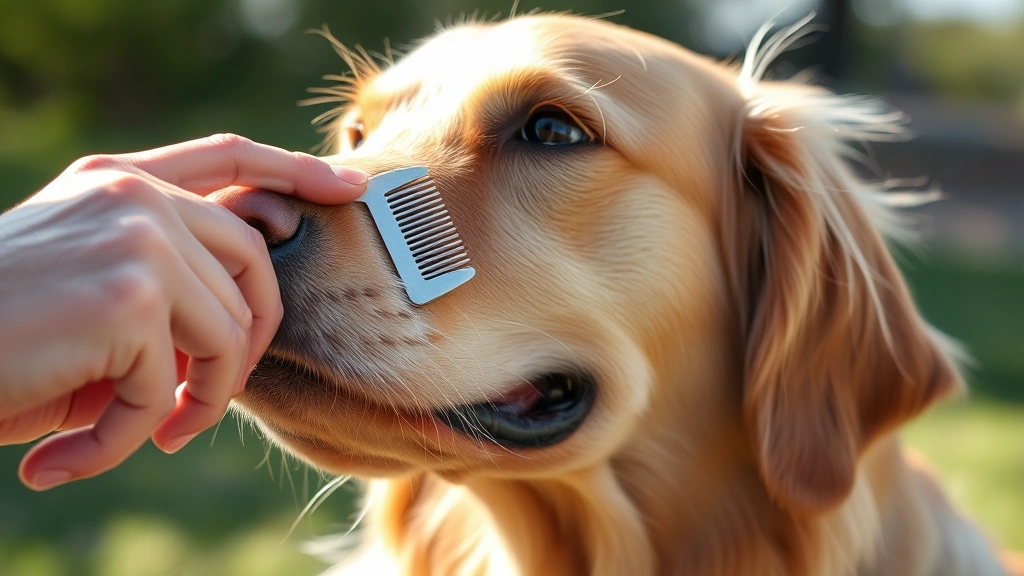
Sometimes the most effective flea control is the simplest: a fine-toothed flea comb. Yes, really. Regular grooming removes adult fleas and their eggs before they multiply. Comb your pet daily during flea season, dipping the comb in soapy water to drown any fleas you catch.
Bathing your pet weekly with a gentle, natural shampoo also helps. Some people use oatmeal-based shampoos or add a small amount of apple cider vinegar to bathwater (the acidity makes the environment uncomfortable for fleas). While this method requires consistency and elbow grease, it’s completely chemical-free and gives you direct control over what touches your pet’s skin.
Creating Your Earth-Friendly Flea Control Strategy
The most effective approach combines multiple methods. Start with nematodes in your yard to prevent outdoor flea populations. Use diatomaceous earth indoors on carpets and furniture. Implement dietary improvements and grooming protocols. Keep essential oil sprays handy for immediate relief. This layered approach means fleas face multiple obstacles and can’t adapt to a single treatment method.

The timeline matters too. Start preventative measures in early spring before flea season peaks. Consistency beats intensity—regular maintenance prevents the need for desperate measures later. Many pet owners find that after 4-6 weeks of dedicated earth-friendly flea control, they’ve achieved the same results as chemical treatments, with the added benefit of knowing exactly what’s touching their pet.
When to Consult Your Veterinarian
Earth-friendly methods work brilliantly for prevention and mild infestations. However, if your pet has severe flea allergy dermatitis or you’re dealing with an established infestation, your vet might recommend complementary conventional treatments. The good news? Most vets now support integrated pest management—combining natural methods with targeted conventional treatments when necessary. Your vet can also recommend specific brands of food-grade DE or beneficial nematodes that they’ve verified for quality.
Common Mistakes People Make With Natural Flea Control
Let’s address the elephant in the room: natural doesn’t automatically mean effective if you’re doing it wrong. Never use pool-grade diatomaceous earth—it’ll damage your pet’s respiratory system. Don’t apply undiluted essential oils directly to skin. Don’t expect results overnight; natural methods take 2-4 weeks to show full effectiveness. Don’t skip the grooming component; mechanical removal is still the fastest way to reduce flea numbers. And don’t assume one method will solve everything; you need a multi-pronged approach.
Frequently Asked Questions
How long does earth-friendly flea control take to work?
Most natural methods show noticeable results within 2-4 weeks of consistent application. Diatomaceous earth works fastest (24-48 hours for adults), while nematodes take 2-3 weeks to establish. Dietary approaches take 4-6 weeks to strengthen skin barriers. Patience is essential—these methods work through prevention and persistence, not instant knockout power.

Is diatomaceous earth safe for cats?
Food-grade DE is safe for cats, but application requires extra care since cats groom themselves obsessively. Dust lightly onto the coat and allow it to dry quickly, or use a spray-on version instead. Never apply to the face. If your cat is particularly sensitive, consider alternative methods like essential oil sprays or nematodes.
Can I combine earth-friendly methods with prescription flea treatments?
Yes, but discuss it with your vet first. Some combinations work synergistically; others might be redundant. Your vet can help you create a safe protocol that maximizes effectiveness without overdoing it. Generally, mechanical removal and dietary support pair well with any treatment method.
What’s the most cost-effective earth-friendly flea control method?
Diatomaceous earth is incredibly cheap (often under $15 for a large bag that lasts months), followed by essential oil sprays you can make yourself. Nematodes cost $20-40 but treat your entire yard. Dietary supplements are ongoing expenses but serve multiple health purposes beyond flea control. Most people find the combination costs less than monthly prescription treatments.
Do natural flea prevention methods work for severe infestations?
For severe, established infestations, natural methods work best as complementary treatments alongside conventional options. However, for prevention and mild cases, earth-friendly methods are entirely sufficient. Start natural, escalate if necessary—that’s the smart approach.

The Bottom Line on Earth-Friendly Flea Control
Choosing earth-friendly flea control isn’t about being a tree-hugging idealist (though nothing wrong with that). It’s about making smart choices for your pet’s long-term health and the environment you all share. These five proven methods—diatomaceous earth, essential oils, beneficial nematodes, dietary support, and mechanical grooming—create a comprehensive defense system that actually works.
The best part? Your pet gets protection without unnecessary chemical exposure. Your yard stays biodiverse and healthy. Your conscience stays clear. And your wallet stays a little fuller. Start implementing these methods today, stay consistent, and you’ll join the growing community of pet owners who’ve ditched the chemical arms race in favor of smarter, kinder flea control. Your flea-free future is waiting.





