

Enrofloxacin for dogs is a fluoroquinolone antibiotic that veterinarians prescribe to fight bacterial infections that would otherwise leave your pup miserable and vulnerable. If your vet just handed you a bottle of this medication with a knowing nod, you’re probably wondering what you’re actually giving your furry friend and whether it’s safe. Let’s break down everything you need to know about this powerful antibiotic, from how it works to potential side effects and why your vet might choose it over other options.
Table of Contents
- What Exactly Is Enrofloxacin and How Does It Work?
- Common Bacterial Infections Treated with Fluoroquinolone Antibiotics
- Dosage Guidelines: Getting the Math Right
- Potential Side Effects: What to Watch For
- Drug Interactions: Playing Well With Others
- Safety Considerations for Specific Dog Populations
- Comparing Enrofloxacin to Other Antibiotics
- Supporting Your Dog’s Recovery While on Enrofloxacin
- When to Contact Your Vet During Treatment
- Resistance and Responsible Antibiotic Use
- Cost Considerations and Availability
- Storage and Handling Tips
- Frequently Asked Questions
- Final Thoughts on Enrofloxacin for Dogs
What Exactly Is Enrofloxacin and How Does It Work?
Enrofloxacin is a broad-spectrum fluoroquinolone antibiotic that’s been a staple in veterinary medicine since the 1980s. Think of it as a microscopic ninja that sneaks into bacterial cells and sabotages their DNA, preventing them from reproducing and eventually killing them off. Unlike some antibiotics that only target specific bacteria, enrofloxacin casts a wider net, making it useful against a variety of gram-negative and some gram-positive bacteria.
The magic happens when enrofloxacin inhibits bacterial DNA gyrase and topoisomerase IV enzymes. In plain English? It stops bacteria from copying themselves, which is basically a death sentence for the infection. Your dog’s immune system then mops up the remaining cellular debris, and voilà—infection cleared.
Common Bacterial Infections Treated with Fluoroquinolone Antibiotics
Vets reach for enrofloxacin when they’re dealing with some pretty stubborn bacterial culprits. Urinary tract infections (UTIs) are among the most common reasons dogs get this medication. If your dog is straining to pee, having accidents in the house, or their urine smells like a science experiment gone wrong, enrofloxacin might be the answer.
Respiratory infections, skin infections, and ear infections are also frequent targets. Some dogs develop nasty ear infections that resist other treatments, and that’s when fluoroquinolone antibiotics become the hero. Prostatic infections in male dogs, particularly older ones, often respond well to enrofloxacin because it penetrates prostate tissue effectively.
Gastrointestinal infections caused by certain bacteria can also warrant this medication. If your dog has been dealing with persistent diarrhea and other antibiotics haven’t worked, your vet might culture a sample and determine enrofloxacin is the right choice.
Dosage Guidelines: Getting the Math Right
Enrofloxacin dosing for dogs typically ranges from 5 to 20 mg per kilogram of body weight, given once or twice daily depending on the infection severity and your vet’s preference. A 50-pound dog might receive 110-220 mg per dose, while a 10-pound Chihuahua would get a much smaller amount. Never eyeball this—always follow your vet’s specific instructions because getting the dose wrong can lead to treatment failure or unnecessary side effects.
The duration of treatment usually spans 7-14 days, though some infections require longer courses. Your vet will determine the exact timeline based on the infection type and how your dog responds. Completing the full course is crucial, even if your dog seems better after a few days. Stopping early can allow bacteria to bounce back stronger and potentially develop antibiotic resistance.
Potential Side Effects: What to Watch For
While enrofloxacin is generally well-tolerated, it’s not without its quirks. The most common side effects are gastrointestinal issues—nausea, vomiting, diarrhea, and decreased appetite. Some dogs experience mild lethargy or seem a bit off their game for a day or two. These effects usually resolve quickly, but if they persist or worsen, contact your vet.
More serious but rare side effects include crystalluria (crystals in the urine), which is why keeping your dog well-hydrated during treatment is important. Cartilage damage in young dogs is a theoretical concern with fluoroquinolones, though the risk is relatively low in clinical practice. This is one reason vets avoid using enrofloxacin in growing puppies when possible, preferring safer alternatives for young joints.
Neurological effects like tremors, seizures, or behavioral changes are uncommon but possible, especially in dogs with certain predispositions or those taking other medications. If your dog suddenly acts weird—more aggressive, disoriented, or having muscle twitches—seek veterinary attention immediately.
Photosensitivity (increased sun sensitivity) can occur with fluoroquinolone use, so try to limit your dog’s sun exposure during treatment. If your dog has a history of tendon problems, discuss this with your vet before starting enrofloxacin, as fluoroquinolones have been associated with tendon issues in some species.
Drug Interactions: Playing Well With Others
Enrofloxacin doesn’t play nicely with every medication in your dog’s cabinet. NSAIDs like carprofen dosage for dogs can increase the risk of gastrointestinal upset and other side effects when combined with enrofloxacin. If your dog needs pain management during antibiotic therapy, discuss safer alternatives with your vet.
Antacids and supplements containing aluminum, magnesium, or calcium can reduce enrofloxacin absorption, making the antibiotic less effective. Space these out by at least 2 hours from the medication dose. Certain seizure medications and other drugs metabolized by the liver can interact with enrofloxacin, so always provide your vet with a complete medication list.
Theophylline levels can increase when used with enrofloxacin, which matters if your dog takes this medication for respiratory conditions. Your vet might need to adjust dosages or monitor levels more closely.
Safety Considerations for Specific Dog Populations
Senior dogs generally tolerate enrofloxacin well, but kidney function declines with age, so your vet might recommend lower doses or more frequent monitoring. Dogs with liver disease need careful consideration since the liver metabolizes fluoroquinolones. Pre-treatment bloodwork becomes especially important for older pups.
Pregnant and nursing dogs should avoid enrofloxacin unless absolutely necessary, as safety data is limited. Young puppies shouldn’t receive this medication unless there’s no alternative, due to concerns about cartilage development. Dogs with a history of seizures or neurological issues need extra caution, as fluoroquinolones can lower seizure thresholds.
Certain breeds might have genetic predispositions to adverse reactions, though this isn’t well-documented for enrofloxacin specifically. If your dog has had previous adverse reactions to antibiotics, let your vet know before starting any new medication.
Comparing Enrofloxacin to Other Antibiotics
When your vet could choose between enrofloxacin and clindamycin for dogs, how do they decide? Clindamycin works well for certain infections, particularly those involving anaerobic bacteria, and might have a better safety profile for some dogs. Enrofloxacin’s broader spectrum makes it useful when the specific bacteria isn’t identified yet.
Amoxicillin and other beta-lactam antibiotics are often first-line choices for many infections due to their safety record and effectiveness against common pathogens. However, some bacteria have developed resistance to these older antibiotics, making enrofloxacin necessary. Your vet considers infection severity, bacterial susceptibility, organ function, and your dog’s individual risk factors when choosing between options.
Newer fluoroquinolones like marbofloxacin have slightly different properties and might be preferred in certain situations. The choice ultimately depends on your specific dog and the specific infection being treated.
Supporting Your Dog’s Recovery While on Enrofloxacin
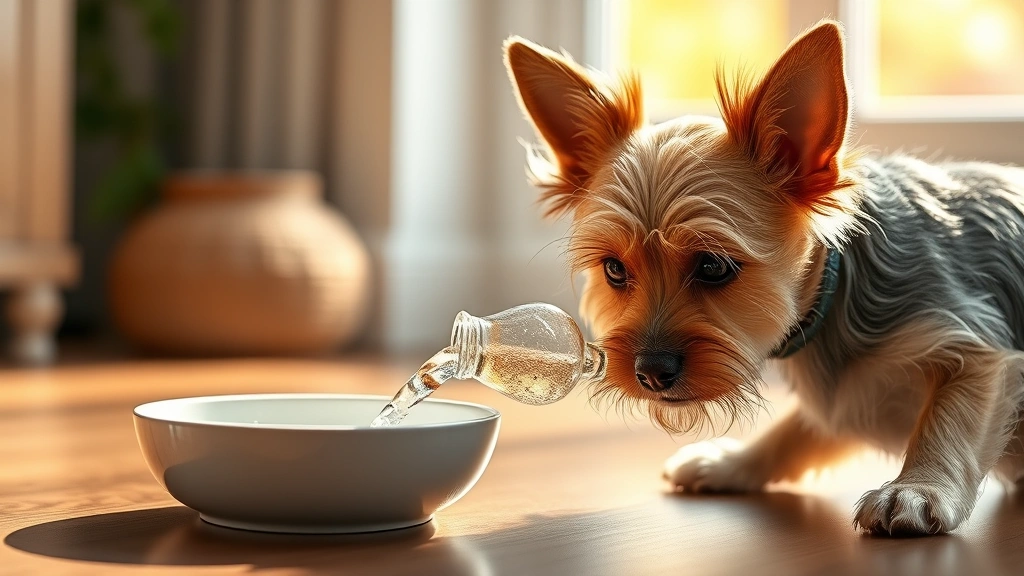
While your dog’s on this antibiotic, keep them well-hydrated to support kidney function and prevent crystal formation in the urine. Fresh water should always be available. If your dog isn’t drinking well, discuss this with your vet—sometimes adding water to food helps.
Probiotics might help mitigate gastrointestinal side effects, though the evidence is mixed. Some vets recommend them, others prefer to wait and see if problems develop. If your dog develops diarrhea, consider anti-inflammatory foods for pets that are gentle on the digestive system.
Limit strenuous exercise during treatment, especially if your dog shows any signs of lethargy or joint discomfort. Keep your pup indoors during peak sun hours if photosensitivity develops. Complete the full course of medication even if your dog seems better—this prevents relapse and reduces antibiotic resistance development.
When to Contact Your Vet During Treatment
If your dog vomits repeatedly, refuses to eat for more than a meal or two, or develops severe diarrhea, contact your vet. Behavioral changes, tremors, or seizure activity warrant immediate attention. If your dog seems to be getting worse instead of better after a few days of treatment, don’t wait—call your vet to discuss whether the medication is working or if an adjustment is needed.
Excessive drooling, difficulty swallowing, or facial swelling could indicate an allergic reaction, which requires urgent care. Lameness or reluctance to bear weight on a limb should also be reported. If you notice blood in urine or straining that worsens during treatment, let your vet know immediately, as this could indicate crystalluria.
Resistance and Responsible Antibiotic Use
Here’s the uncomfortable truth: every time we use antibiotics, we’re potentially creating more resistant bacteria. Using enrofloxacin responsibly means completing the full course, not requesting antibiotics when they’re not needed, and following your vet’s dosing instructions precisely. Underdosing or stopping early actually encourages resistance development.
Your vet should ideally culture the infection and perform sensitivity testing to confirm enrofloxacin is the right choice, rather than just guessing. Some vets use enrofloxacin as a first choice when culture results would be faster and more appropriate. If your vet prescribes this medication, ask whether they’ve confirmed it’s necessary or if alternatives exist.
Cost Considerations and Availability
Enrofloxacin is widely available and relatively affordable compared to some newer antibiotics, though prices vary based on your location and pharmacy. Generic versions are available and work just as well as brand-name Baytril. Pet insurance might cover antibiotic costs, depending on your policy.
If cost is a concern, discuss this with your vet. Sometimes they can prescribe a different antibiotic that’s more affordable but equally effective. Some veterinary clinics offer discounts on medications, and online pet pharmacies can sometimes beat in-clinic pricing, though you’ll need a valid prescription.
Storage and Handling Tips
Keep enrofloxacin in its original container at room temperature, away from light and moisture. Don’t store it in the bathroom medicine cabinet where humidity fluctuates. Keep it out of reach of children and other pets—accidental overdose is a real concern. If your dog’s medication is a liquid suspension, shake it well before each dose.
Don’t use enrofloxacin past its expiration date. Expired antibiotics might not work effectively and could potentially be harmful. If you have leftover medication after treatment ends, ask your vet how to dispose of it properly rather than flushing it down the toilet.
Frequently Asked Questions
Can I give enrofloxacin with food?
Yes, you can give enrofloxacin with or without food. Some dogs tolerate it better with a meal, which can reduce nausea. However, avoid giving it within 2 hours of supplements or antacids containing calcium, magnesium, or aluminum, as these interfere with absorption.
How long does it take for enrofloxacin to work?
Most dogs show improvement within 2-3 days, though some infections take longer. You might notice your dog acting more like themselves, eating better, or urinating more normally. Don’t stop treatment early just because your dog feels better—complete the full course to prevent relapse.
What should I do if I miss a dose?
Give the missed dose as soon as you remember, unless it’s almost time for the next dose. Never double up on doses to make up for a missed one. If you frequently forget doses, set phone reminders or ask your vet about once-daily dosing options.
Is enrofloxacin safe for all dog breeds?
Enrofloxacin is generally safe for most breeds, but certain conditions increase risk. Dogs with seizure disorders, severe kidney disease, or liver problems need careful consideration. Discuss your dog’s full health history with your vet before starting treatment.
Can my dog have side effects from enrofloxacin even if they’ve taken it before?
Yes, side effects can develop even after previous successful use. Some dogs develop sensitivity over time, or side effects might be more pronounced with repeated courses. Always monitor your dog carefully and report any unusual symptoms.
What’s the difference between enrofloxacin and other fluoroquinolones?
Enrofloxacin, marbofloxacin, and orbifloxacin are all fluoroquinolones used in veterinary medicine. They have similar mechanisms of action but slightly different spectrums of activity and side effect profiles. Your vet chooses based on the specific infection and your dog’s individual factors.
Should I give my dog probiotics during enrofloxacin treatment?
Probiotics might help reduce gastrointestinal side effects, though evidence is mixed. Some vets recommend them routinely, others prefer to see if problems develop first. If you want to use probiotics, choose veterinary-specific formulations and discuss timing with your vet—some probiotics should be given several hours apart from the antibiotic.
Can enrofloxacin cause permanent damage?
Permanent damage is rare when enrofloxacin is used appropriately. However, serious but uncommon side effects like severe neurological issues or tendon damage could potentially have lasting effects. This is why monitoring your dog and reporting any concerning symptoms immediately is important.
Final Thoughts on Enrofloxacin for Dogs
Enrofloxacin for dogs is a powerful tool in your vet’s antibiotic arsenal, effective against many bacterial infections that would otherwise compromise your dog’s health and quality of life. Understanding how it works, what side effects to watch for, and how to use it responsibly empowers you to be an active partner in your dog’s healthcare.
If your vet prescribes enrofloxacin, don’t hesitate to ask questions about why this medication was chosen, what specific bacteria it’s targeting, and what you should monitor for at home. Complete the full course as directed, keep your dog well-hydrated, and report any concerning symptoms immediately. With proper use and vigilant monitoring, enrofloxacin can help get your pup back to their happy, healthy self.
For additional information about managing your dog’s health during medication, consider learning about telehealth advice for pet poisoning and emergency protocols. If your dog has specific dietary needs during recovery, human foods for pets with kidney disease might provide helpful guidance if kidney function is a concern.
External Resources:





