

If you’re considering bringing an Entlebucher Mountain Dog into your home, buckle up—you’re about to meet one of Switzerland’s most spirited and athletic canine treasures. These compact yet powerful herding dogs are bundles of energy wrapped in striking tri-color coats, and they’re definitely not your average lap dog.
Table of Contents
- What Exactly Is an Entlebucher Mountain Dog?
- Distinctive Physical Characteristics and Appearance
- Temperament: The Energy Paradox
- Training Your Entlebucher: Patience Meets Persistence
- Exercise Needs: No Couch Potato Here
- Health Considerations and Lifespan
- Grooming and Coat Care
- Nutrition and Diet for Optimal Health
- Living Situation: Space and Environment
- Socialization and Interaction with Other Pets
- Finding a Reputable Breeder
- Common Behavioral Challenges and Solutions
- Entlebucher Mountain Dogs vs. Other Swiss Breeds
- Frequently Asked Questions
- Final Thoughts: Is an Entlebucher Right for You?
What Exactly Is an Entlebucher Mountain Dog?
The Entlebucher Mountain Dog is a Swiss cattle herding breed that originated in the Entlebuch valley of Switzerland. Often called the “Entlebucher” or “Entle,” this dog is the smallest of the four Swiss mountain dog breeds. Don’t let their modest size fool you—these pups pack the personality and work ethic of dogs twice their weight. Standing between 16-21 inches tall and weighing 55-75 pounds, they’re the perfect size for active families who want a dog that’s substantial enough to handle outdoor adventures but nimble enough to navigate apartment living (barely).
Distinctive Physical Characteristics and Appearance
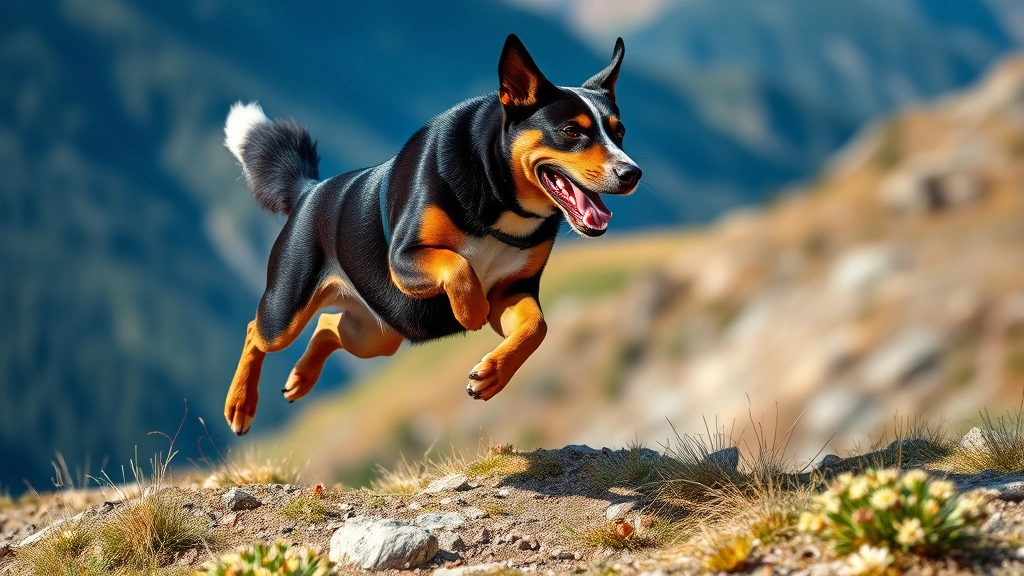
The Entlebucher Mountain Dog sports a distinctive tri-color coat: black with white and tan/rust markings. Their appearance screams “I was built to work,” with a muscular, compact frame and a confident gait. These dogs have medium-length, glossy double coats that shed year-round—so invest in a good vacuum before you bring one home. Their dark, alert eyes and medium-sized ears give them an expression that’s equal parts intelligent and mischievous. The breed standard emphasizes balance and proportion, making them aesthetically pleasing while maintaining their working heritage.
Temperament: The Energy Paradox
Here’s where things get interesting. Entlebuchers are intensely loyal and affectionate with their families, yet they’re also independent thinkers who were bred to make decisions while herding cattle. This means your Entlebucher will love you fiercely but won’t necessarily obey you blindly. They’re confident, alert, and sometimes stubborn—traits that made them excellent working dogs but can make training a delightful challenge. These dogs thrive on having a job to do; without proper outlets for their energy and intelligence, they can develop destructive behaviors. Think of them as the overachieving students of the dog world who get bored easily and need constant mental stimulation.
Training Your Entlebucher: Patience Meets Persistence
Training an Entlebucher Mountain Dog requires consistency, positive reinforcement, and a sense of humor. These intelligent herders respond poorly to harsh corrections and excel with reward-based methods. Start socialization early—expose your puppy to various people, animals, and environments to prevent them from becoming overly protective or anxious. Obedience training should begin as soon as you bring your pup home. Many owners find success with structured activities like agility, herding trials, or dock diving. The key is making training engaging and fun; these dogs will absolutely outsmart you if they think you’re boring. Consider working with a trainer experienced in herding breeds if you’re a first-time owner.
Exercise Needs: No Couch Potato Here
Entlebuchers are not dogs for sedentary lifestyles. These athletic herders need a minimum of 90 minutes of vigorous exercise daily to stay mentally and physically balanced. A casual 20-minute walk around the block won’t cut it—they need activities that engage their herding instincts and challenge their minds. Running, hiking, swimming, and interactive play sessions are ideal. Without adequate exercise, these dogs become destructive, anxious, and potentially aggressive. If you’re not prepared to be active daily, this breed isn’t for you. Honestly, if you’re reading this and thinking “I’ll just let them run around the backyard,” reconsider. These dogs need purposeful activity and human interaction, not just space.
Health Considerations and Lifespan
Entlebucher Mountain Dogs generally enjoy good health with a lifespan of 11-15 years. However, like all breeds, they’re predisposed to certain conditions. Hip dysplasia and elbow dysplasia are concerns in larger dogs, so reputable breeders screen their breeding stock through OFA or PennHIP evaluations. Progressive retinal atrophy (PRA) and other eye conditions can occur, making regular veterinary eye exams important. Entlebuchers can also experience bloat (gastric dilatation-volvulus), a life-threatening emergency that requires immediate veterinary attention. Always purchase from health-tested, responsible breeders who provide health guarantees. Regular veterinary check-ups, a balanced diet, and maintaining healthy weight go a long way in preventing many health issues.
Grooming and Coat Care
The Entlebucher’s double coat sheds substantially, especially during spring and fall when they “blow their coat.” Regular brushing—at least 3-4 times weekly, daily during shedding seasons—helps manage loose hair and keeps their coat healthy. A slicker brush and undercoat rake are your best friends here. Bathe your Entlebucher every 6-8 weeks or as needed using a high-quality dog shampoo. Their nails grow relatively fast, so trim them every 3-4 weeks. Dental care is crucial; brush their teeth several times weekly to prevent periodontal disease. Ear checks should be routine, especially if they spend time in water or damp environments. Grooming isn’t just about aesthetics—it’s bonding time and an opportunity to check for skin issues or abnormalities.
Nutrition and Diet for Optimal Health
Feed your Entlebucher a high-quality, breed-appropriate diet formulated for active, medium-to-large dogs. Look for foods with named meat sources as the primary ingredient and avoid excessive fillers. Most adult Entlebuchers thrive on 2-3 cups of food daily, split into two meals, though individual needs vary based on activity level and metabolism. Puppies require special large-breed puppy formulas to support proper growth and prevent orthopedic issues. Consider consulting with a veterinary nutritionist if your dog has specific health concerns. Avoid feeding immediately before or after intense exercise to reduce bloat risk. For healthy snack alternatives for dogs, consider carrots, green beans, or specially formulated treats rather than table scraps. Healthy snack alternatives for dogs can enhance their diet while supporting overall wellness.
Living Situation: Space and Environment
While Entlebuchers are adaptable, they truly thrive in homes with access to outdoor space and active families. An apartment isn’t ideal but can work if you’re committed to daily vigorous exercise and mental enrichment. A securely fenced yard is essential—these herding dogs have prey drive and may chase smaller animals or even cars if given the opportunity. The fence should be at least 5-6 feet high, as some Entlebuchers are surprisingly athletic jumpers. They prefer moderate climates; their double coat makes them uncomfortable in extreme heat. Cold weather is their jam, and many Entlebuchers love snow. If you live in a hot climate, provide plenty of shade, fresh water, and avoid exercising during peak heat hours.
Socialization and Interaction with Other Pets
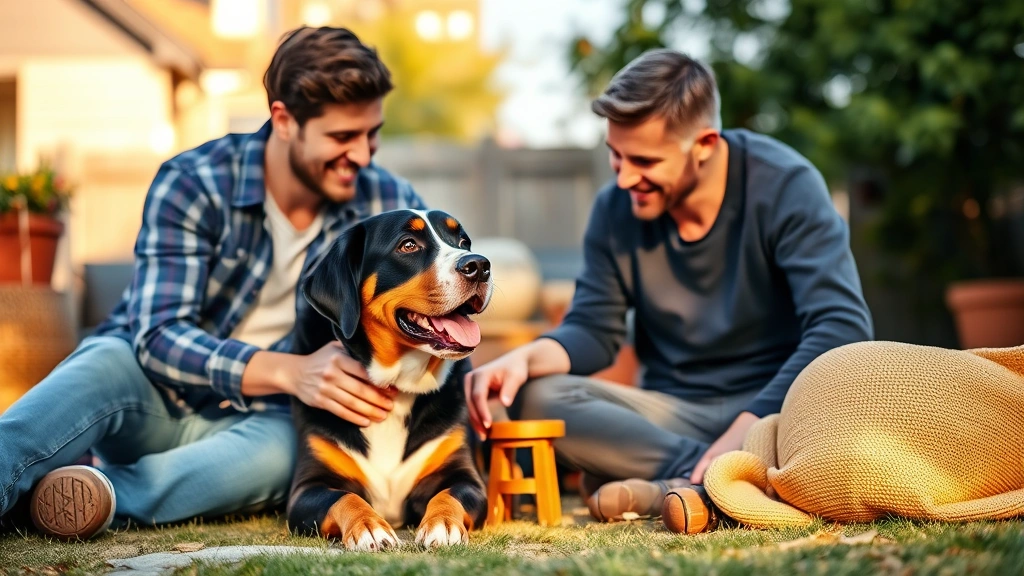
Early, positive socialization is critical for Entlebuchers. These dogs can develop guarding instincts without proper exposure to diverse people and animals. They typically get along well with children when raised with them, though their herding instincts may cause them to “nip” at heels during play—something that requires gentle redirection. With other dogs, they can be territorial, especially if not socialized early. Their prey drive means small pets like cats, rabbits, or hamsters require careful introduction and supervision. Some Entlebuchers live harmoniously with cats they’ve grown up with, while others view them as fair game. Individual temperament varies significantly, so assess your specific dog’s tendencies and manage interactions accordingly.
Finding a Reputable Breeder
When searching for an Entlebucher Mountain Dog, work with breeders registered with the American Kennel Club (AKC) or breed clubs who conduct health testing. Visit the AKC website for breeder directories and breed standards. Reputable breeders will provide health clearances, be transparent about their breeding program, and allow you to meet parents. They’ll also ask you detailed questions about your lifestyle and home environment. Avoid puppy mills and backyard breeders who prioritize profit over health. A quality breeder may have waiting lists, which is actually a good sign—they’re selective about placements. Expect to pay $800-$1,500 for a well-bred puppy from a responsible breeder. Adoption is also an option; check breed-specific rescues for Entlebuchers in need of homes.
Common Behavioral Challenges and Solutions
Entlebuchers are prone to several behavioral issues if their needs aren’t met. Excessive barking is common, as they were bred to alert herders to danger. Provide appropriate outlets like agility training or herding trials. Destructive behavior often signals boredom or anxiety—increase exercise and mental stimulation. Some Entlebuchers develop resource guarding or food aggression, which requires professional intervention. Jumping and mouthy behavior in puppies are normal herding instincts but need redirection. Separation anxiety can develop in dogs with strong family bonds; gradually build independence through crate training and desensitization. If behavioral issues escalate, consult a certified professional dog trainer or veterinary behaviorist—don’t attempt to self-diagnose or use outdated punishment-based methods.
Entlebucher Mountain Dogs vs. Other Swiss Breeds
The Entlebucher is one of four Swiss mountain dog breeds. The Greater Swiss Mountain Dog is larger and more laid-back. The Bernese Mountain Dog is also larger with a calmer temperament. The Appenzeller Mountain Dog is similarly sized to the Entlebucher but with different coat colors and slightly different temperament. If you’re comparing breeds, understand that the Entlebucher’s smaller size and higher energy level distinguish them. The Catahoula Leopard Dog personality shares some herding drive similarities, though they’re from different backgrounds. Consider your lifestyle and experience level when choosing between these breeds.
Frequently Asked Questions
Are Entlebucher Mountain Dogs good family pets?
Yes, they can be excellent family pets for active households with older children. They’re loyal, affectionate, and protective. However, their high energy and herding instincts make them better suited for experienced dog owners. They require significant daily exercise, training, and mental stimulation. Families with very young children or sedentary lifestyles should consider other breeds.
How much do Entlebucher Mountain Dogs cost?
A well-bred puppy from a reputable breeder typically costs $800-$1,500. Adoption from breed rescues may cost $200-$500. Factor in ongoing expenses: food ($50-$75/month), veterinary care, grooming, training, and supplies. Annual costs typically range from $1,500-$3,000 depending on location and individual needs.
Do Entlebuchers shed a lot?
Yes, they shed significantly year-round and excessively during spring and fall. Daily brushing during shedding seasons is essential. If heavy shedding is a dealbreaker, this breed isn’t for you. Regular grooming helps manage it but won’t eliminate the problem entirely.
Can Entlebuchers live in apartments?
Technically yes, but it’s not ideal. They need substantial daily exercise and outdoor access. An apartment can work if you’re extremely committed to vigorous daily exercise, mental enrichment, and you don’t have noise restrictions (they bark). A house with a yard is much better suited to this breed.
How long do Entlebucher Mountain Dogs live?
The average lifespan is 11-15 years. With proper care, health screening from breeders, regular veterinary check-ups, appropriate exercise, and a quality diet, many Entlebuchers live toward the higher end of this range.
Are Entlebuchers aggressive?
They’re not inherently aggressive but can become so without proper socialization and training. Their herding and guarding instincts, combined with their confidence and independence, require experienced ownership. Early socialization and positive training prevent many aggressive behaviors.
Final Thoughts: Is an Entlebucher Right for You?
The Entlebucher Mountain Dog is a remarkable breed for the right owner. They’re intelligent, athletic, loyal, and endlessly entertaining. But they’re not for everyone. If you’re seeking a low-maintenance, couch-loving companion, look elsewhere. If you’re an active person who enjoys outdoor adventures, has experience with independent-minded dogs, and can provide consistent training and mental stimulation, an Entlebucher might be your perfect match. These Swiss herders will reward your dedication with unwavering loyalty and a personality that keeps you laughing. They’ll challenge you, exhaust you, and ultimately enrich your life in ways you never expected. Just make sure you’re prepared for the commitment before bringing one home.





