

If your dog’s eyes are turning inward like they’re having an existential crisis, you might be dealing with entropion in dogs—a condition where the eyelid rolls inward and irritates the eye. It’s not quite as dramatic as it sounds, but it definitely needs attention. Let’s dig into what causes this sneaky eye problem, how to spot it before your pup goes full sad-puppy-eyes (literally), and what treatment options actually work.
Table of Contents
- What Is Entropion in Dogs?
- Common Breeds Prone to Eyelid Inversion
- Symptoms You Shouldn’t Ignore
- Causes of Eyelid Inversion in Canines
- Diagnosis: What Your Vet Will Do
- Treatment Options for Entropion in Dogs
- Post-Surgery Care and Recovery
- Nutrition and Recovery Support
- Complications and When to Seek Immediate Care
- Prevention and Breeding Considerations
- Frequently Asked Questions
- Summary: Taking Action Against Entropion
What Is Entropion in Dogs?
Entropion is when a dog’s eyelid—usually the lower one, sometimes both—turns inward toward the eye. Imagine if your eyelid decided to fold in on itself; that’s essentially what happens to affected dogs. The eyelid hair and tissue rub directly against the cornea and conjunctiva (the membrane covering the eyeball), causing irritation, inflammation, and a whole lot of discomfort.
This condition can affect one or both eyes and ranges from mild to severe. Some dogs barely notice it, while others develop serious complications like corneal ulcers or scarring. The good news? It’s treatable, especially when caught early.
Common Breeds Prone to Eyelid Inversion
Certain dog breeds have a genetic predisposition to entropion in dogs, making them higher-risk candidates. Breeds with wrinkled faces or loose skin around the eyes are particularly vulnerable. These include:
- Shar-Peis (basically the poster child for entropion)
- Bulldogs and French Bulldogs
- Pugs
- Rottweilers
- Labrador Retrievers
- Golden Retrievers
- Basset Hounds
- Cocker Spaniels
However, any dog breed can develop this condition, so don’t assume your mixed breed or non-listed breed is safe. Age and injury can trigger secondary entropion even in dogs with no genetic risk factors.
Symptoms You Shouldn’t Ignore
Dogs can’t exactly tell us their eyes hurt, so we need to watch for behavioral clues. Common signs of entropion in dogs include:
- Excessive tearing – Your dog’s eyes look like they’re perpetually watering
- Squinting or keeping eyes partially closed – A clear sign of eye discomfort
- Pawing at the eyes – Rubbing or scratching the affected eye repeatedly
- Redness and swelling – The eye area looks inflamed and irritated
- Discharge – Mucus or pus-like discharge from the eye
- Light sensitivity – Your dog avoids bright areas or seems uncomfortable in sunlight
- Visible eyelid rolling inward – The most obvious sign if you look closely
- Cloudiness on the cornea – A hazy appearance suggesting ulceration
If you notice any of these symptoms, it’s time to contact your vet. Don’t wait around hoping it’ll resolve on its own—eye problems tend to get worse without intervention.
Causes of Eyelid Inversion in Canines
Entropion in dogs has two main categories: congenital (present from birth) and acquired (develops later in life).
Congenital Entropion: This is the hereditary kind, usually showing up in puppies as young as a few weeks old. It’s genetic, which is why certain breeds are so prone to it. Responsible breeders screen for this condition and avoid breeding affected dogs, but it still happens.
Acquired Entropion: This develops later due to factors like:
- Eye trauma or injury
- Severe eye inflammation or infection
- Excessive squinting from chronic pain
- Muscle spasms around the eye
- Scarring from previous eye conditions
- Aging and loss of skin elasticity
- Severe weight loss causing loose eyelid skin
Understanding the cause helps your vet determine the best treatment approach, so mention any recent eye injuries or health changes during your appointment.
Diagnosis: What Your Vet Will Do
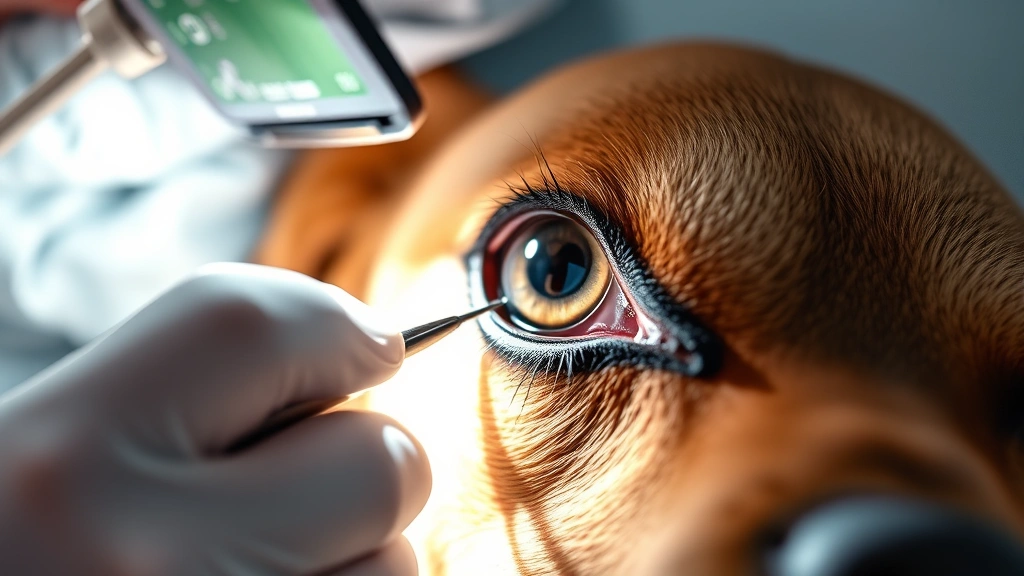
Your veterinarian will perform a thorough eye examination to confirm entropion in dogs. The process typically includes:
- Visual inspection – Looking at the eyelid position and checking for inward rolling
- Fluorescein dye test – A special dye reveals any corneal ulcers or abrasions
- Schirmer tear test – Measures tear production to assess eye lubrication
- Intraocular pressure measurement – Rules out glaucoma, which can develop from chronic irritation
- Corneal evaluation – Checking for scarring, cloudiness, or permanent damage
These tests help your vet assess the severity and determine whether surgery is necessary or if conservative management might work. They’ll also check for secondary infections that commonly develop when eyelids rub against the eye.
Treatment Options for Entropion in Dogs
Treatment depends on severity, age, and whether the entropion is congenital or acquired.
Conservative Management (Mild Cases): For puppies with mild congenital entropion, vets often wait until 6-12 months old before pursuing surgery, as some cases improve naturally as the dog’s face develops. In the meantime, management includes:
- Lubricating eye drops several times daily
- Antibiotic ointments to prevent infection
- Anti-inflammatory medications to reduce irritation
- Protective measures like avoiding dust or irritants
Surgical Correction: Most cases of entropion in dogs ultimately require surgery. The procedure, called blepharoplasty, involves removing a small strip of skin from the eyelid to tighten it and correct the inward rolling. Success rates are high, typically 80-90% on the first attempt.
Surgery is usually recommended when:
- The condition causes significant discomfort
- Corneal ulceration develops
- Conservative management fails
- The dog is old enough (usually 12+ months for congenital cases)
Recovery takes 2-3 weeks, during which you’ll need to prevent your dog from rubbing the eye and keep it clean and protected.
Post-Surgery Care and Recovery
After surgery, your dog needs careful monitoring to ensure proper healing. Expected care includes:
- Elizabethan collar (cone) – Prevents licking and rubbing for 10-14 days
- Eye drops and ointments – Applied as prescribed, usually 3-4 times daily
- Activity restriction – Limited exercise and play to avoid eye trauma
- Suture removal – Usually done 10-14 days post-op
- Follow-up exams – Your vet will monitor healing progress
Most dogs recover beautifully and experience immediate relief from discomfort. Some cases require a second surgery if the first correction wasn’t quite perfect, but this is relatively uncommon.
Nutrition and Recovery Support
While entropion is primarily an anatomical issue requiring surgical correction, proper nutrition supports overall eye health and recovery. Consider incorporating:
- Omega-3 fatty acids – Support eye tissue health and reduce inflammation
- Antioxidants – Vitamins A, C, and E protect eye cells from damage
- Protein – Essential for tissue repair after surgery
You might explore skin and coat health foods that also benefit eye tissue, or discuss anti-inflammatory foods for pets with your vet. During recovery, convalescence foods from the kitchen can provide easily digestible nutrition, and collagen for dogs may support tissue healing.
Complications and When to Seek Immediate Care
While entropion in dogs is manageable, complications can develop if left untreated:
- Corneal ulcers – Painful erosions requiring aggressive treatment
- Corneal scarring – Can cause permanent vision impairment
- Secondary infections – Bacterial or fungal eye infections
- Glaucoma – Increased eye pressure from chronic irritation
- Blindness – Rare but possible in severe untreated cases
Seek immediate veterinary care if you notice sudden changes, severe discharge, obvious corneal cloudiness, or if your dog seems to be in significant pain. Telehealth vet appointments can be a quick way to get professional advice if you’re unsure whether a situation warrants an emergency visit.
Prevention and Breeding Considerations
While you can’t prevent congenital entropion in dogs if your dog is genetically predisposed, responsible breeding practices can reduce its prevalence in future generations. If you own a breed prone to this condition and are considering breeding, genetic screening is essential.
For acquired entropion, prevention focuses on:
- Protecting eyes from trauma and injury
- Promptly treating eye infections or inflammation
- Maintaining overall eye health through regular vet checks
- Avoiding exposure to irritants like smoke or dust
- Keeping facial skin healthy and moisturized
Frequently Asked Questions
Can entropion in dogs go away on its own?
Congenital entropion sometimes improves as puppies grow, especially in mild cases, but most require surgical correction eventually. Acquired entropion rarely resolves without intervention. The longer it goes untreated, the greater the risk of permanent eye damage.
Is entropion surgery expensive?
Veterinary eye surgery costs vary by location and complexity, but blepharoplasty typically ranges from $800-$2,500 per eye. While not cheap, it’s a one-time investment that prevents costly complications like corneal transplants or blindness.
Will my dog’s entropion come back after surgery?
Recurrence rates are low (10-20%), but it can happen, especially if the initial surgery didn’t fully correct the problem. Some dogs require a second procedure for optimal results.
Can I use human eye drops for my dog’s entropion?
Never use human eye drops on your dog without veterinary approval. Many contain ingredients toxic to dogs or can worsen the condition. Always use veterinary-approved lubricants prescribed by your vet.
How long does recovery take after entropion surgery?
Most dogs recover within 2-3 weeks, with full healing taking 4-6 weeks. During this time, strict activity restriction and eye care are crucial to prevent complications.
Are certain dog breeds more likely to have entropion?
Yes, breeds with wrinkled faces, loose skin, or genetic predisposition—like Shar-Peis, Bulldogs, Pugs, and Rottweilers—are more susceptible. However, any breed can develop entropion in dogs.
Summary: Taking Action Against Entropion
Entropion in dogs is a legitimate eye condition that requires professional veterinary attention, but it’s absolutely treatable. Whether your dog is showing early signs or you’re dealing with a confirmed diagnosis, the key is acting promptly. Congenital cases often need surgery, while acquired cases might be manageable with conservative care initially, though surgery is frequently necessary.
The good news? Dogs recover beautifully from entropion surgery and experience immediate relief. Your pup won’t spend the rest of their life squinting and pawing at their eyes. With proper diagnosis, treatment, and post-operative care, your dog can enjoy clear, comfortable vision for years to come.
If you suspect your dog has entropion in dogs, schedule a vet appointment soon. Early intervention prevents serious complications and gets your furry friend back to their happy, comfortable self.





