

Evie the deaf rescue dog isn’t just another heartwarming tale—she’s a testament to what happens when a dog with special needs finds the right family willing to break down barriers and embrace a different kind of communication. Her story has inspired thousands of people to reconsider their assumptions about deaf dogs and what they’re truly capable of achieving.
Table of Contents
- Who Is Evie? The Dog Behind the Legend
- Understanding Deaf Dogs and Their Adoption Challenges
- How Evie’s Family Trained Her Without Sound
- The Role of Patience in Deaf Dog Training
- Nutritional Considerations for Special Needs Dogs
- Safety Precautions Specific to Deaf Dogs
- Building Confidence in Rescued Deaf Dogs
- The Social Life of Deaf Dogs Like Evie
- Evie’s Impact on Deaf Dog Adoption Rates
- Common Misconceptions About Deaf Dogs Debunked
- Frequently Asked Questions
- The Legacy of Evie: Inspiring a Movement
- Taking the Next Steps: Adopting Your Own Deaf Dog
Who Is Evie? The Dog Behind the Legend
Evie arrived at the rescue shelter as a scared, confused pup with no hearing. Most potential adopters walked right past her kennel. But one family saw past the disability and recognized pure potential. Unlike hearing dogs that rely on vocal commands, Evie needed a handler willing to learn an entirely new language—hand signals, vibrations, and pure intuition. Her story exploded on social media, and suddenly, people everywhere wanted to know: who was this remarkable dog, and how did she become such an inspiration?
The truth is simpler and more profound than the viral videos suggest. Evie was just a dog who needed love, and her adoptive family was ready to give it unconditionally. No special training certifications required. Just patience, creativity, and a genuine commitment to understanding her unique needs.
Understanding Deaf Dogs and Their Adoption Challenges
Deafness in dogs can stem from genetics, age, illness, or injury. Breeds like Dalmatians, Bull Terriers, and Australian Cattle Dogs have higher predispositions to congenital deafness. But here’s the kicker: deaf dogs aren’t inherently more difficult than hearing dogs. They’re just different. The real challenge isn’t the dog—it’s the stigma and misconceptions surrounding them.
According to the American Kennel Club, thousands of deaf dogs end up in shelters annually, often because owners feel overwhelmed or unprepared. Yet studies show that deaf dogs have the same lifespan, intelligence, and capacity for joy as their hearing counterparts. The only real difference? They communicate differently. And honestly, that’s kind of cool.
How Evie’s Family Trained Her Without Sound
Training a deaf rescue dog requires ditching everything you think you know about dog training. Forget “sit” and “stay” commands barked across the yard. Instead, Evie’s family developed a hand signal system that became second nature to her. A quick hand gesture meant “come here.” A specific movement indicated “lie down.” Vibrations through the floor or a gentle touch on her shoulder got her attention when visual cues weren’t enough.
The breakthrough came when they realized Evie wasn’t broken—she was just operating on a different frequency. Her other senses compensated beautifully. Her sense of smell remained impeccable. Her vision became her primary communication tool. And her tactile sensitivity? Off the charts. These weren’t limitations; they were superpowers waiting to be unlocked.
The Role of Patience in Deaf Dog Training
If you’re considering adopting a deaf rescue dog like Evie, patience isn’t optional—it’s mandatory. Training takes longer. Breakthrough moments might come weeks apart. There will be frustration on both sides. But here’s what Evie’s family discovered: that frustration transforms into pure magic the moment your deaf dog finally understands a new command.
The process mirrors PetMD’s guidance on dog training, except every lesson requires visual clarity and consistent hand signals. No mumbling commands from across the room. No shouting when your dog doesn’t listen. You’re forced to be present, intentional, and creative. Most families find this actually strengthens their bond with their deaf dog exponentially.
Nutritional Considerations for Special Needs Dogs
While deafness itself doesn’t require dietary adjustments, many deaf rescue dogs benefit from optimized nutrition to support overall health and cognitive function. Evie’s family implemented a high-quality diet rich in omega-3 fatty acids to support brain health and enhance her already-sharp senses. They consulted with their vet about appropriate supplementation and made sure her pet diet transition was smooth and gradual.
Some families also explore vet-approved human foods for pets to keep mealtime engaging and rewarding. Since deaf dogs often respond powerfully to food motivation, using treats as training rewards becomes even more important. Evie’s family even experimented with homemade pet treat recipes to ensure every snack supported her health while strengthening their training bond.
Safety Precautions Specific to Deaf Dogs
Adopting a deaf rescue dog means rethinking safety protocols. Evie’s family installed a vibrating doorbell so she’d know when someone was at the door. They used a vibrating collar (never shocking—that’s cruel and ineffective) to get her attention during off-leash moments. They established boundaries using baby gates and kept her leashed during car rides and outdoor adventures where dangers lurk beyond her visual range.
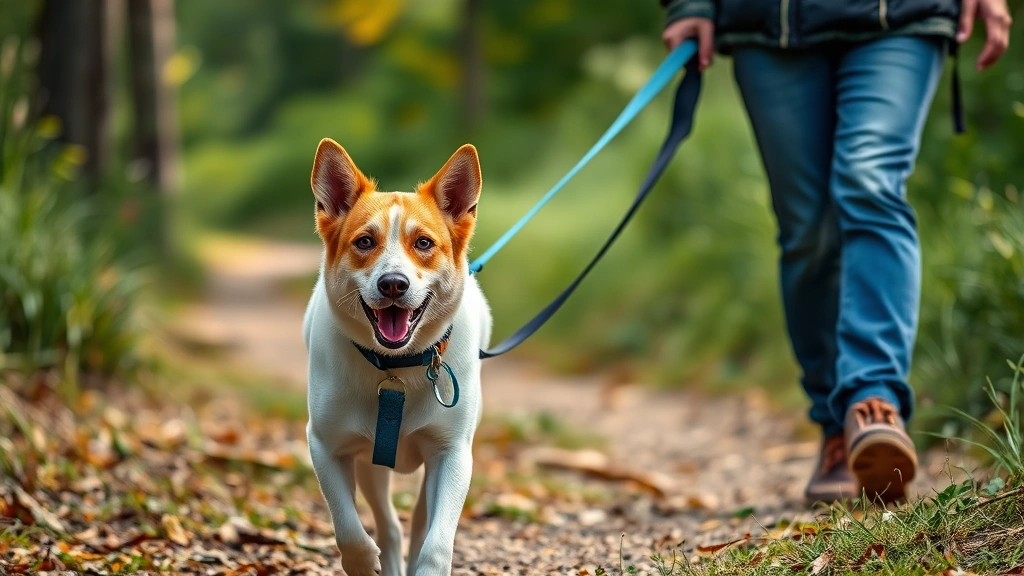
The key insight? Safety for deaf dogs isn’t about restriction; it’s about creating an environment where they can thrive independently. Evie learned to stay within sight lines. She understood the boundaries of her yard through consistent training and visual markers. She became hyperaware of her surroundings because her other senses compensated so effectively.
Building Confidence in Rescued Deaf Dogs
Many deaf rescue dogs arrive traumatized, confused, and utterly lacking confidence. Evie came to her family terrified of sudden movements and uncertain about her place in the world. Building her confidence required small victories celebrated enthusiastically. Every successful hand signal command became a confidence boost. Every calm moment in a previously scary situation reinforced her trust.
Positive reinforcement became everything. Evie’s family never punished her for not hearing commands she couldn’t possibly hear. Instead, they rewarded every attempt, every progress marker, every moment of bravery. Within months, she transformed from a frightened shelter dog into a confident family member who actually seemed to enjoy her deafness—or at least, she’d learned to navigate it beautifully.
The Social Life of Deaf Dogs Like Evie
Here’s something that surprises people: deaf dogs can absolutely have active social lives. Evie attended dog parks, went on adventures, and interacted with other dogs without incident. Her deafness didn’t prevent normal dog-to-dog communication. She understood canine body language perfectly. She played, wrestled, and socialized just like any hearing dog.
What changed was how her family managed these interactions. They stayed closer during off-leash moments. They watched for visual cues that Evie might be startled by an approaching dog she didn’t see. They taught her specific hand signals for “watch out” and “friend coming.” But these precautions enhanced her safety without limiting her joy.
Evie’s Impact on Deaf Dog Adoption Rates
The ripple effects of Evie’s story extended far beyond one happy family. Shelters across the country reported increased inquiries about deaf dogs. Adoption rates for deaf rescue animals climbed. People started asking questions instead of making assumptions. Rescue organizations began creating specialized resources for deaf dog adoption, recognizing a previously untapped market of compassionate adopters.
Social media transformed Evie from a local success story into a global ambassador for deaf dogs everywhere. Her photos and videos proved that disability doesn’t equal diminished quality of life. Her adoption success demonstrated that the “problem” wasn’t the dog—it was society’s perception of the dog.
Common Misconceptions About Deaf Dogs Debunked
Let’s address the elephant in the room: the myths that keep deaf dogs in shelters. First myth: deaf dogs are dangerous. False. They’re actually often more cautious and aware of their surroundings. Second myth: they can’t be trained. Absolutely false. Evie proved that deaf dogs can master complex commands and behaviors. Third myth: they have shorter lifespans. Completely untrue. Deafness doesn’t affect longevity.
Fourth myth: they’re aggressive. Nope. Deaf dogs aren’t inherently more aggressive than hearing dogs. If anything, many are gentler because they’re less startled by unexpected noises. Fifth myth: they require constant supervision. While they need appropriate safety measures, they’re perfectly capable of independent behavior once trained. Evie’s family eventually trusted her off-leash in secure environments.
Frequently Asked Questions
How do you communicate with a deaf dog like Evie?
Hand signals are the primary communication method for deaf dogs. You can also use vibrations, visual markers, and consistent body language. Many families combine multiple communication methods to ensure their deaf dog understands commands and expectations clearly.
Can deaf dogs live normal lifespans?
Yes, absolutely. Deafness doesn’t affect a dog’s lifespan. With proper care, nutrition, and safety measures, deaf dogs like Evie can live as long as hearing dogs—typically 10-15 years depending on breed and overall health.

Are deaf dogs more expensive to care for?
Not necessarily. Basic veterinary care costs the same. You might invest in specialized equipment like vibrating collars or doorbells, but these are one-time purchases. Training might require a professional trainer experienced with deaf dogs, which adds cost, but many families successfully train their deaf dogs independently.
Should deaf dogs be kept indoors only?
No, but they require more careful supervision outdoors. Many deaf dogs can enjoy off-leash time in secure, fenced areas. Evie’s family used vibrating collars and maintained visual contact during outdoor adventures, allowing her to experience the world safely.
What breeds are more prone to deafness?
Dalmatians, Bull Terriers, Australian Cattle Dogs, and white-coated breeds have higher predispositions to congenital deafness. However, any dog can become deaf due to age, illness, or injury, regardless of breed.
How long does it take to train a deaf rescue dog?
Training timelines vary, but most deaf dogs grasp basic hand signals within 2-4 weeks with consistent practice. Complex behaviors might take several months. Evie’s family found that patience and consistency mattered more than timeline.
The Legacy of Evie: Inspiring a Movement
Evie’s adoption story transcended the typical feel-good narrative. It sparked a genuine movement toward deaf dog acceptance and adoption. Rescue organizations created dedicated programs for deaf dogs. Training professionals developed specialized curricula. Families who might never have considered a deaf dog suddenly saw possibility instead of limitation.
Most importantly, Evie proved that disability is just another characteristic, not a defining limitation. She plays, loves, learns, and thrives just like any other dog. Her deafness is simply part of her story—not the entire story. Visit your local rescue’s Your Local Scoop Blog for more inspiring adoption stories.
Taking the Next Steps: Adopting Your Own Deaf Dog
If Evie’s story has inspired you to consider adopting a deaf rescue dog, start by connecting with local shelters and rescue organizations. Ask specifically about deaf dogs available for adoption. Spend time with potential matches. Assess your lifestyle, patience level, and commitment to learning new training methods.
Consult with veterinarians experienced with deaf dogs. Read training guides specifically designed for deaf dog owners. Connect with online communities of deaf dog families who can offer real-world advice and encouragement. Most importantly, understand that adopting a deaf dog requires flexibility, creativity, and genuine compassion—but the rewards are absolutely worth it.
Evie’s family didn’t rescue a dog; they gained a family member who taught them that love transcends communication barriers. That’s the real story behind every successful deaf dog adoption.





